Understanding Indoor Air Quality and Mold
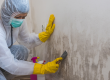
On a humid summer afternoon in St. Petersburg, a small office off Central Avenue called in a complaint: employees were getting headaches by midday, a musty smell lingered, and productivity was dropping. Nothing looked obviously wrong—fresh paint, new flooring, and a recently serviced HVAC system. But a professional Mold Inspection and indoor air assessment revealed hidden mold behind the walls and elevated particulate levels in the air.
Stories like this are more common in the Tampa Bay area than many people realize. With our year-round humidity, frequent storms, and older building stock, indoor air quality issues are a quiet but growing concern for both homeowners and business owners in St. Petersburg. The EPA estimates that indoor air can be 2–5 times more polluted than outdoor air, and mold is one of the key contributors.
This guide will help you understand how mold affects indoor air quality, what warning signs to watch for, and how professional testing and inspection can protect your health, your property, and your bottom line.
Key Insight: Indoor air quality isn’t just about comfort—it’s about health, liability, and long-term property value. Understanding mold and how it behaves in our coastal climate is the first step toward a safer building.
Why St. Petersburg Buildings Are So Vulnerable to Mold
St. Petersburg’s beauty comes with a tradeoff: heat, humidity, and frequent rain create ideal conditions for mold growth. Any time moisture lingers in a building for more than 24–48 hours, mold can start colonizing surfaces and releasing spores into the air.
Several local factors increase the risk:
- Older homes and commercial buildings with aging roofs and plumbing
- Flat or low-slope roofs common in coastal architecture
- Hurricanes and tropical storms that cause leaks and flooding
- Constant air conditioning, which can hide condensation problems in ductwork
One downtown law office learned this the hard way. After a minor roof leak during a summer storm, they repaired the visible damage quickly. What they didn’t address was the damp insulation above the ceiling tiles. Months later, staff began reporting sinus issues and fatigue. A targeted Indoor Air Quality Testing and Mold Testing identified elevated spore counts and hidden growth above multiple offices.
“Mold problems in Florida are rarely just cosmetic. They’re usually a symptom of a building system that’s struggling.” — Certified Indoor Environmental Professional
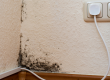
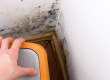
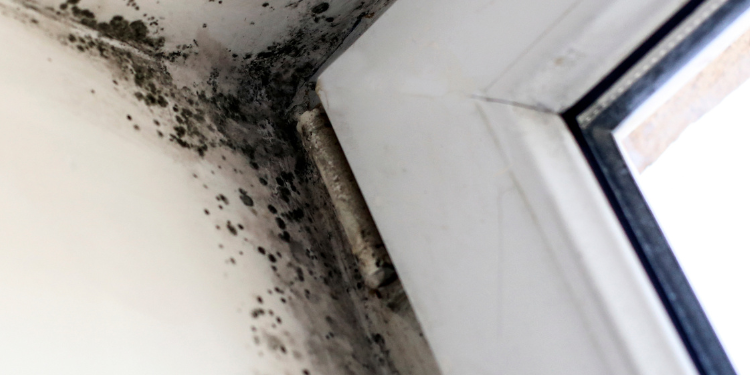
The challenge in St. Petersburg is that mold often grows in concealed spaces—behind kitchen cabinets, under flooring, inside wall cavities, or in HVAC systems. By the time you see visible growth, the problem has often been brewing for weeks or months.
CALLOUT: In our climate, “wait and see” is the most expensive strategy. Early detection and moisture control are always cheaper than large-scale remediation.
How Mold Impacts Indoor Air Quality and Health
Mold affects indoor air quality in two primary ways: by releasing spores into the air and by producing microscopic fragments and, in some species, toxins. Even if you don’t see visible mold, these particles can circulate through your HVAC system and impact occupants.
Common health complaints linked to poor indoor air and mold exposure include:
- Persistent coughing, sneezing, or runny nose
- Headaches or brain fog
- Eye, skin, or throat irritation
- Worsening asthma or allergies
- Increased fatigue during the workday
In one St. Petersburg daycare facility, several children with asthma began having more frequent attacks. The building smelled slightly musty, but there was no obvious mold. A combination of Air Quality Monitoring and Residential Mold Testing (for the on-site caretaker’s apartment) revealed elevated levels of mold spores in multiple classrooms, traced back to an HVAC condensate leak above the ceiling.
“Children, seniors, and anyone with respiratory conditions are more susceptible to mold-related symptoms, even at lower concentrations.” — Local Pulmonologist, Tampa Bay
Not all mold is “toxic,” but certain species, often called “black mold,” can produce mycotoxins under the right conditions. While the term is sometimes overused, targeted Toxic Mold Testing and Black Mold Detection can be critical in sensitive environments such as medical offices, schools, and elder care facilities.
Key ways mold degrades indoor air quality:
- Increased airborne spores and fragments
- Musty odors from microbial volatile organic compounds (MVOCs)
- Irritants that inflame airways and sinuses
- Potential mycotoxins in some species
Professional Mold Testing vs. DIY: What You Really Need to Know
When you start researching mold, you’ll quickly find a wide range of testing options—from cheap DIY kits at hardware stores to comprehensive, lab-analyzed Professional Mold Testing. The differences matter, especially if you’re making decisions about remediation, insurance, or employee safety.
Here’s a simple comparison:
| Approach | Typical Cost (St. Pete Area) | What You Get | Best For |
|---|---|---|---|
| DIY Mold Test Kits | $10–$50 | Basic growth/no growth on a sample plate | Curiosity only, not decision-making |
| Basic Air Sample Testing | $250–$450 | Limited indoor/outdoor comparison | Small units, spot-checking |
| Comprehensive Mold Inspection & Testing | $450–$900+ | Visual inspection, moisture mapping, multiple samples, lab report | Homes, offices, liability-sensitive spaces |
A local property manager overseeing multiple small apartment buildings in St. Petersburg tried DIY kits after tenants complained of odors. The plates showed “something” growing, but there was no context: How much mold? Which species? Where was it coming from? Ultimately, they still needed a full Mold Inspection Services visit to identify a chronic leak in a shared wall and verify post-remediation results.
“Testing without inspection is like a lab result without a doctor—data with no diagnosis.” — Environmental Consultant
Comprehensive Mold Detection Services typically include:
- Detailed visual inspection of accessible areas
- Moisture readings in walls, ceilings, and floors
- Air and/or surface samples analyzed by accredited labs
- Comparison of indoor vs. outdoor spore levels
- Clear, written recommendations for next steps
CALLOUT: If you’re facing a potential insurance claim, tenant dispute, or workplace safety issue, independent third-party documentation from a qualified inspector is invaluable.
The Role of HVAC Systems in Mold and Air Quality
Your HVAC system is the lungs of your building. In St. Petersburg’s climate, those lungs are constantly working—cooling, dehumidifying, and circulating air. When everything is functioning properly, that’s a good thing. When there’s hidden moisture or contamination, your system can spread mold spores throughout the space.
Common HVAC-related mold issues we see locally:
- Dirty or wet air handler pans that never fully drain
- Poorly insulated ductwork causing condensation
- Oversized AC units that cool quickly but don’t dehumidify properly
- Clogged or neglected filters and coils
A small medical office near Bayfront had recurring mold on ceiling tiles in the waiting room. They replaced the tiles several times, but the stains kept returning. A focused HVAC Mold Inspection found heavy mold growth in the supply plenum and on insulation inside the ductwork. Once the system was cleaned, leaks sealed, and filtration upgraded, both the stains and the musty odor disappeared.
Modern best practices for cleaner indoor air in our climate include:
- Regular professional HVAC maintenance and coil cleaning
- Correctly sized AC systems for both cooling and dehumidification
- High-quality filters changed on schedule
- Routine Air Quality Monitoring in sensitive or high-occupancy buildings
“An HVAC system that’s not controlling humidity is the fastest way to turn a minor moisture problem into a building-wide mold issue.” — Mechanical Engineer, Tampa Bay
CALLOUT: Don’t treat HVAC as an afterthought. Any serious mold strategy in Florida must include your mechanical systems.
Modern Environmental Consulting vs. “Band-Aid” Fixes
Property owners in St. Petersburg often feel stuck between two extremes: ignoring the problem or jumping straight to expensive remediation. There’s a better middle path—using targeted Environmental Consulting Services and Environmental Management Services to understand and manage risk over time.
Here’s how traditional “reactive” approaches compare to a modern, proactive strategy:
| Traditional Approach | Modern Environmental Management Approach |
|---|---|
| Wait for visible mold or complaints | Routine Indoor Air Quality Testing in higher-risk buildings |
| Patch leaks and repaint | Identify moisture sources, correct building deficiencies |
| One-time cleanup | Monitor, verify, and adjust building operations |
| Minimal documentation | Clear reports, lab data, and defensible records |
A waterfront condo association in St. Petersburg shifted from emergency-only responses to a planned environmental management program. They began annual Commercial Mold Testing in common areas, scheduled regular roof and plumbing inspections, and added humidity monitoring in basement storage rooms. Within two years, they saw:
- Fewer insurance claims
- Less unit downtime for mold-related repairs
- Fewer resident complaints and health concerns
“Proactive environmental management costs a fraction of one major mold event, especially in multi-unit or commercial properties.” — Senior Property Manager, Pinellas County
If you’ve ever searched for an Environmental Consultant Near Me after a crisis, you know how stressful and expensive it can be. Working with an experienced local partner before problems escalate gives you:
- A clear baseline of current conditions
- Prioritized recommendations based on risk and budget
- A roadmap for maintenance, testing, and upgrades
Practical Steps to Protect Your Building and Occupants
Understanding the problem is only useful if you know what to do about it. Whether you manage a small office, a retail space, or a multi-story residential building in St. Petersburg, a practical mold and air quality strategy usually includes these steps:
1. Assess Current Conditions
Start with a thorough Home Mold Detection or commercial inspection:
- Visual walk-through of interior and exterior
- Moisture mapping in key areas
- Strategic Mold Testing Near Me using air and surface samples
- Humidity and temperature checks
2. Fix Moisture Sources
Mold is a moisture problem first and foremost:
- Repair roof and plumbing leaks promptly
- Improve drainage around the building
- Address window and door leaks
- Check AC condensate lines and drip pans
3. Improve Ventilation and Filtration
Better air movement and filtration support cleaner indoor air:
- Upgrade HVAC filters as recommended
- Ensure bathroom and kitchen exhaust fans vent properly
- Consider dehumidification in especially damp areas
4. Monitor and Maintain
Ongoing vigilance prevents recurrence:
- Periodic Environmental Assessment for high-risk spaces
- Regular HVAC maintenance and filter changes
- Follow-up testing after any water damage or remediation
A small co-working space near the EDGE District adopted these steps after multiple tenants complained about odors and allergies. Within six months of targeted repairs, system upgrades, and follow-up testing, tenant satisfaction improved and complaints dropped to nearly zero.
CALLOUT: You don’t need to overhaul everything at once. A good plan prioritizes the highest-risk issues first, then phases in improvements as budget allows.
What This Means for Businesses in St. Petersburg
For businesses in St. Petersburg, indoor air quality and mold control are more than maintenance concerns—they’re risk management issues that affect health, reputation, and financial performance.
Poor indoor air and undetected mold can:
- Increase employee sick days and reduce productivity
- Lead to tenant complaints, negative reviews, or lease disputes
- Trigger code enforcement issues or insurance complications
- Damage inventory, equipment, and building materials
On the flip side, businesses that take indoor air seriously often see:
- Healthier, more comfortable staff and customers
- Fewer disruptions from emergency repairs
- Stronger documentation for insurance and regulatory compliance
- Enhanced property value and marketability
Local industries that benefit most from proactive testing and inspection include:
- Medical and dental offices
- Daycares and schools
- Hospitality (hotels, short-term rentals, restaurants)
- Professional offices and co-working spaces
- Multi-family residential and condo associations
St. Petersburg’s growth and redevelopment boom mean more people are spending more time indoors—often in renovated older buildings. That combination of new finishes over old infrastructure can hide problems if nobody is looking closely.
By incorporating regular Mold Inspection, Indoor Air Quality Testing, and strategic environmental consulting into your operations, you’re not just avoiding problems—you’re creating a healthier, more resilient environment for everyone who walks through your doors.
Frequently Asked Questions
Q: How do I know if I need professional mold testing or just a basic inspection?
A: If you have visible mold in a small, clearly defined area (like a bit of growth on a bathroom caulk line), you may not need full Professional Mold Testing. However, testing becomes important when there are health complaints, musty odors without visible growth, a history of leaks or flooding, or potential legal/insurance concerns. In St. Petersburg, where humidity drives hidden mold in walls and HVAC systems, a combined Mold Inspection and targeted testing provides clarity: What types of mold are present? How widespread is the issue? Is the air quality affected? That information guides smart decisions about remediation and helps avoid either overreacting or missing a serious problem.
Q: Are DIY mold test kits reliable for Florida homes and offices?
A: DIY kits may show that “something” is growing, but they rarely provide the context you need. In our humid St. Petersburg environment, it’s normal for mold spores to exist in the air. What matters is concentration, species, and location. Hardware store kits don’t compare indoor to outdoor levels, and they don’t include a building-wide Environmental Assessment. As a result, you may end up worried about a normal background level or, worse, falsely reassured while a hidden issue continues. For decisions involving health, tenants, or property value, professional Mold Detection Services with lab analysis and a written report are far more valuable.
Q: How often should businesses in St. Petersburg test indoor air quality?
A: Frequency depends on your building type, history, and occupancy. For medical facilities, schools, and high-occupancy offices, annual or biannual Air Quality Monitoring is a good benchmark, especially in a coastal city like St. Petersburg where storms and humidity stress buildings. For standard office or retail spaces with no history of water damage, testing every few years—or after any significant leak, renovation, or complaint—is often sufficient. Multi-family and condo associations may incorporate periodic Commercial Mold Testing into reserve planning and insurance strategies, particularly in shared spaces like hallways, gyms, and storage areas.
Q: What’s the difference between a basic home inspection and a mold inspection?
A: A standard home inspection is like a general checkup—it looks at roofs, electrical, plumbing, and visible issues, but it typically does not include specialized Mold Testing or in-depth moisture mapping. A true Mold Inspection Services visit is more focused: the inspector uses moisture meters, thermal cameras, and sometimes borescopes to find damp areas, then takes air or surface samples for lab analysis. In St. Petersburg’s climate, this level of detail is crucial, especially in older homes, properties with flat roofs, or buildings that have experienced hurricanes or plumbing leaks. If you’re buying or selling a property with any signs of water damage, a dedicated mold inspection is a smart investment.
Q: Should I be worried about “black mold” specifically, or all mold?
A: The term “black mold” usually refers to Stachybotrys chartarum, a species that can produce mycotoxins under certain conditions. However, many molds can trigger allergies, asthma, and irritation, especially in our damp coastal climate. Focusing only on “black mold” can cause you to overlook significant issues with other species. A thorough Black Mold Inspection is valuable if you suspect toxic species, but the broader goal is to identify and control all problematic mold growth. Professional Black Mold Detection is part of a comprehensive approach that evaluates total spore levels, species types, and moisture sources to protect occupants’ health.
Q: Is mold in my HVAC system more dangerous than mold on walls or ceilings?
A: Mold in HVAC components can be more impactful because the system distributes air—and potentially spores—throughout the building. If growth is limited to a small area on a wall, the exposure zone is more localized. With HVAC contamination, every time the system runs, it can carry spores into multiple rooms. That’s why periodic HVAC Mold Inspection is so important in St. Petersburg, where AC runs much of the year and condensation is common. Addressing HVAC-related mold typically involves cleaning, correcting drainage and insulation issues, and sometimes adjusting system sizing or controls to better manage humidity.
Q: What should I look for in an environmental consultant or mold detection company?
A: In addition to proper certifications and insurance, local experience is critical. St. Petersburg buildings face unique challenges: high humidity, storm exposure, older construction, and intensive AC use. When searching for an Environmental Consultant Near Me or comparing Mold Detection Companies, ask about their familiarity with Florida building codes, insurance documentation, and post-hurricane assessments. A strong provider will offer independent testing (separate from remediation), clear written reports, and practical recommendations that balance risk, budget, and long-term building health.
Ready to Get Started?
Mold and indoor air quality issues rarely fix themselves. In a warm, humid city like St. Petersburg, they usually grow quietly in the background until they become disruptive—and expensive. If you’ve noticed musty odors, recurring moisture problems, or unexplained health complaints, this is the moment to act, not to wait.
By scheduling a professional inspection and targeted Indoor Air Quality Testing now, you can:
- Catch hidden issues before they spread
- Protect employees, tenants, customers, and your own family
- Build strong documentation for insurance and future buyers
- Create a clear, step-by-step plan that fits your budget
Tampa Bay Mold Testing focuses solely on inspection and testing—we don’t sell remediation. That means you get unbiased answers, grounded in lab data and years of local experience in St. Petersburg’s unique climate.
Take the next step toward a healthier building and greater peace of mind. Schedule a consultation, review your options, and get a clear picture of your indoor environment before the next rainy season or heat wave puts your building to the test.
About Tampa Bay Mold Testing
Tampa Bay Mold Testing is a locally owned, independent inspection and testing firm serving St. Petersburg and the greater Tampa Bay area. Our certified inspectors specialize in Mold Inspection, Residential Mold Testing, Commercial Mold Testing, and comprehensive Environmental Management Services tailored to Florida’s coastal climate. With years of experience in local homes, condos, offices, and commercial properties, we provide clear, data-backed reports and practical recommendations you can trust.