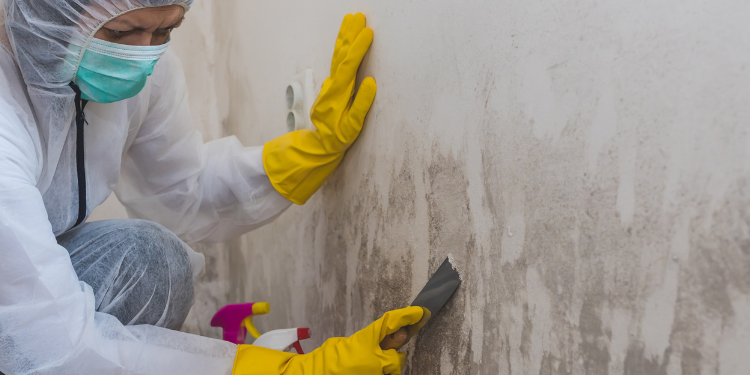
Importance of Regular Mold Testing for Homes
Humidity is simply part of life in St. Petersburg. Between summer thunderstorms, tropical systems, and warm Gulf breezes, moisture has countless ways of finding its way into our homes. What many homeowners don’t realize is how quickly that moisture can turn into a hidden mold problem—sometimes in as little as 24–48 hours on damp materials.
The Florida Department of Health estimates that a significant portion of homes in the state experience elevated moisture or mold at some point, and nationwide, studies suggest that up to 50% of homes have conditions suitable for mold growth. In a coastal city like St. Pete, with older housing stock, flat roofs, and frequent HVAC use, that risk is even higher.
This isn’t just about unsightly spots on the wall. Mold can impact your health, your indoor air, and the value of your home. In this article, you’ll learn why regular mold testing matters, how it protects your family and your property, what professional testing includes, and how to make smart decisions about inspections, remediation, and ongoing prevention in the St. Petersburg climate.
Key Insight: Regular, professional mold testing turns an invisible, potentially expensive problem into something you can measure, manage, and fix—before it harms your health or your home’s value.
Why Mold Is a Bigger Issue in St. Petersburg Homes Than You Think
St. Petersburg’s charm—waterfront views, lush landscaping, and year-round warmth—comes with a tradeoff: high humidity and frequent rain. Those conditions are perfect for mold growth, especially in homes with:
- Past or current roof leaks
- Older or undersized HVAC systems
- Poor ventilation in bathrooms, kitchens, or crawlspaces
- Flooding from storms or plumbing issues
“Anytime relative humidity stays above 60% indoors, you’re creating an environment where mold can thrive.” — Indoor Environmental Professional
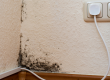
Even if you don’t see visible mold, spores can be present in the air and behind surfaces. That’s where regular Indoor Air Quality Testing and Residential Mold Testing come in. They help identify elevated mold levels and moisture problems early, so you’re not waiting until you see black spots or smell a musty odor.
Local Example: The “Dry” Condo with a Hidden Problem
A St. Pete condo owner near Downtown called only because a guest mentioned a “slight musty smell” in the guest bedroom. No visible mold, no water stains. Professional Mold Inspection Services revealed:
- Elevated moisture in one wall
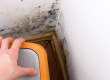
- Hidden mold growth behind the baseboard
- A slow, long-term leak from an adjacent unit’s plumbing
Because the issue was caught early through testing and an experienced inspection, repairs were limited to a small area, and the association covered much of the cost. Without testing, that owner might have discovered the problem during a sale—when it would have been much more expensive and stressful.
CALLOUT: In coastal Florida, assuming your home is “fine” because you don’t see mold is risky. Regular testing gives you proof, not guesswork.
How Mold Affects Your Health and Indoor Air Quality
You spend most of your time indoors, and for many families in St. Petersburg, the AC runs almost year-round. That means you’re breathing recirculated air—good or bad—for hours every day. If mold spores or byproducts are present, they can affect sensitive individuals, including children, older adults, and anyone with asthma or allergies.
Common symptoms linked to mold exposure include:
- Persistent coughing or throat irritation
- Nasal congestion or sinus infections
- Headaches or fatigue
- Worsening asthma or breathing difficulties
- Eye irritation or skin rashes
Regular Indoor Air Quality Testing and Air Quality Monitoring help identify whether mold is contributing to these issues. Professional testing compares your home’s air to outdoor levels and looks for specific types of mold, including species associated with toxic mold testing concerns.
“People often think they’re reacting to ‘Florida allergies’ when it’s actually an indoor mold issue they can fix.” — Certified Environmental Consultant
Case Study: A Family’s “Mysterious Allergies”
A family in the Old Northeast neighborhood had two children constantly dealing with congestion and nighttime coughing. Doctors suspected allergies but couldn’t pinpoint the cause. A comprehensive Professional Mold Testing and inspection found:
- Elevated mold counts in the children’s bedrooms
- Hidden growth in an HVAC return plenum
- Condensation issues on ductwork in the attic
After targeted remediation and HVAC improvements, the family noticed a significant decrease in symptoms within weeks. The difference came from identifying the problem through testing, not just treating the symptoms.
What Professional Mold Testing Actually Includes (And Why DIY Kits Fall Short)
You’ve probably seen “mold test kits” at hardware stores. They can tempt you with convenience and low cost, but they rarely give you actionable answers. A professional Mold Testing service is far more thorough, and more importantly, interprets the results in context.
What a Professional Mold Inspection and Testing Covers
A trained inspector doesn’t just take air samples. They:
- Visually inspect the property for water damage, staining, or suspect growth
- Use moisture meters and thermal imaging to find hidden damp areas
- Collect air and/or surface samples for lab analysis
- Evaluate HVAC systems for potential HVAC Mold Inspection issues
- Provide a written report with findings, lab results, and recommendations
This combination of Environmental Assessment and diagnostics is what turns raw data into a clear action plan.
DIY vs. Professional: What’s the Real Difference?
Here’s a simple comparison that many St. Pete homeowners find helpful:
| Aspect | DIY Mold Test Kit | Professional Mold Testing in St. Pete |
|---|---|---|
| Cost (typical) | $20–$80 | $250–$600+ depending on size/scope |
| What you get | Petri dish growth, no real context | Detailed report, lab analysis, recommendations |
| Finds hidden moisture? | No | Yes, with moisture meters/thermal imaging |
| Identifies source of problem? | No | Yes, through Mold Inspection |
| Interprets health relevance? | No | Yes, by comparing to outdoor/control samples |
| Useful for insurance/real estate | Rarely | Commonly accepted documentation |
In a humid market like St. Petersburg, most serious issues involve hidden moisture and complex building dynamics. That’s where an experienced inspector makes all the difference.
CALLOUT: Mold testing is only as good as the inspection behind it. Sampling without a thorough inspection is like getting lab work without a doctor’s exam.
Why Regular Testing Protects Your Home’s Value and Resale Potential
St. Petersburg’s real estate market is competitive, especially in desirable neighborhoods near the water. Buyers are more informed than ever, and many now request Home Mold Detection or a dedicated Black Mold Inspection as part of their due diligence.
If mold is discovered at that stage, you may face:
- Price reductions or credits
- Required remediation before closing
- Delayed or canceled contracts
- Damage to your property’s reputation (especially in condos or townhomes)
Proactive, regular Mold Detection Services can prevent those surprises. Documentation that your home has been professionally inspected and tested is a powerful reassurance to buyers and their agents.
Local Example: Two Similar Homes, Two Very Different Outcomes
Two mid-century homes in St. Pete, both recently renovated, went on the market within weeks of each other:
- Home A had a history of roof leaks but no recent Mold Inspection. During the buyer’s inspection, extensive mold was found in the attic and behind new drywall. The buyer requested a large price reduction and delayed closing by six weeks.
- Home B had undergone annual Residential Mold Testing after renovation, with reports available. No issues were found during buyer inspections, and the home sold quickly at full asking price.
The cost of regular testing for Home B was a fraction of the price reduction that Home A’s seller had to accept.
How Often Should You Test? A Practical Schedule for St. Petersburg Homes
Not every home needs testing every few months, but in a climate like ours, a thoughtful schedule can save you from costly surprises. The right frequency depends on your home’s age, history, and risk factors.
General Guidelines
Consider regular Mold Testing Near Me and inspections if:
- Your home is more than 15–20 years old
- You’ve had roof, plumbing, or window leaks in the past
- You’re near the water or in a flood-prone area
- You see recurring condensation on windows or vents
- You or family members have unexplained respiratory symptoms
A reasonable schedule for many St. Petersburg homeowners:
- Every 1–2 years for higher-risk homes (older, previous leaks, coastal exposure)
- Every 2–3 years for lower-risk homes with no known issues
- Immediately after any significant water event (flooding, burst pipes, hurricane damage)
Cost vs. Risk: Is Regular Testing Worth It?
Here’s a simple comparison many clients appreciate:
| Scenario | Typical Cost in St. Pete |
|---|---|
| Regular professional mold testing (every 2 yrs) | $250–$600 per visit |
| Minor early-found issue (small remediation) | $500–$2,000 |
| Major hidden mold with structural damage | $5,000–$25,000+ |
| Lost value at sale due to mold discovery | Often $10,000+ in price reductions |
Regular testing is essentially an insurance policy for your home’s health and value. It’s much easier—and cheaper—to fix a small moisture or mold issue early than to gut walls or remediate an entire HVAC system later.
CALLOUT: A simple test every few years can prevent a five-figure surprise when you least expect it.
The Role of Environmental Consulting and Ongoing Management
For some homes—especially larger properties, multi-family buildings, or homes with repeated issues—basic testing isn’t enough. That’s where Environmental Consulting Services and Environmental Management Services come in.
A qualified Environmental Consultant Near Me can:
- Assess building design and ventilation for moisture risks
- Recommend improvements to HVAC systems and dehumidification
- Help you interpret complex lab results from Toxic Mold Testing
- Develop long-term monitoring plans and maintenance schedules
Local Case: Waterfront Home with Recurring Mold
A waterfront homeowner in Snell Isle kept seeing mold return on closet walls, despite multiple cleanings and even a repaint. Basic testing showed elevated humidity and some mold, but the problem kept coming back.
An environmental consultant took a deeper approach:
- Performed detailed Environmental Assessment and pressure testing
- Found that the home was under negative pressure, pulling humid outdoor air in
- Identified poorly sealed ductwork and imbalanced HVAC airflow
By adjusting the HVAC system, sealing ducts, and adding targeted dehumidification, the consultant helped the homeowner eliminate the root cause. Follow-up testing showed normal mold levels, and the visible growth stopped returning.
“Long-term mold control in Florida is about managing moisture and air movement, not just cleaning what you see.” — Building Science Specialist
What This Means for Businesses in St. Petersburg
While this article focuses on homes, the same principles apply to local businesses, offices, and commercial spaces in St. Petersburg. In fact, the stakes can be even higher when employees, customers, and tenants are involved.
For commercial properties, regular Commercial Mold Testing and Air Quality Monitoring are part of responsible risk management. Poor indoor air quality can lead to:
- Employee complaints, absenteeism, or reduced productivity
- Tenant disputes and lease issues
- Liability concerns if health issues are linked to building conditions
- Damage to reputation, especially for healthcare, hospitality, and childcare facilities
Many local businesses near Downtown, Central Avenue, and the Gateway area operate in older buildings that were not designed for today’s airtight, heavily air-conditioned environments. That makes professional Mold Detection Companies and environmental consultants valuable partners.
Regular inspections and testing help St. Petersburg business owners:
- Stay ahead of potential problems instead of reacting to crises
- Document due diligence for insurance and regulatory purposes
- Protect brand reputation and occupant health
- Budget for preventive maintenance instead of emergency remediation
Whether you manage a small office, a restaurant, or a multi-tenant building, the logic is the same: measured, documented indoor air quality creates safer, more comfortable spaces and reduces long-term risk.
Frequently Asked Questions
Q: How do I know if I really need mold testing if I don’t see anything?
A: Many of the most serious mold issues in St. Petersburg homes are hidden—behind walls, under flooring, or inside HVAC systems. By the time you see visible growth, the problem can already be widespread. If you notice musty odors, have a history of leaks, or experience unexplained respiratory symptoms, it’s smart to schedule Home Mold Detection or Mold Testing. A professional inspector uses tools like moisture meters and thermal imaging to find hidden moisture and can collect air or surface samples to determine whether mold levels are elevated, even when you can’t see any growth.
Q: What’s the difference between a home inspector and a professional mold inspector?
A: General home inspectors look at a wide range of systems—roof, plumbing, electrical—but they typically are not specialists in mold or indoor air quality. A professional providing dedicated Mold Inspection Services focuses specifically on moisture, mold, and related building science issues. They perform more detailed moisture mapping, targeted Mold Testing, and often coordinate with labs to interpret results. In a humid climate like St. Petersburg, using a specialist for suspected mold issues or periodic Residential Mold Testing gives you a much clearer picture than relying on a basic home inspection alone.
Q: Are all molds dangerous, or only “black mold”?
A: Not all mold is equally concerning, and not everything that looks black is the infamous “black mold.” However, any significant mold growth indoors signals a moisture problem that needs attention. Certain species associated with Black Mold Detection or Toxic Mold Testing can produce more problematic byproducts and may be of greater concern for sensitive individuals. Professional testing identifies the types present and their levels, then compares them to outdoor samples. The goal isn’t to scare you, but to determine whether your indoor environment is typical for St. Petersburg—or whether it suggests a hidden problem that needs remediation and moisture control.
Q: How long does professional mold testing take, and when do I get results?
A: Most residential Professional Mold Testing visits in St. Petersburg take 1–3 hours, depending on the size of your home and the complexity of the issues. The inspector will walk through the property, perform a detailed Mold Inspection, take moisture readings, and collect any necessary air or surface samples. Those samples are then sent to an accredited lab. In many cases, you’ll receive a written report with lab results and recommendations within 2–4 business days. If there’s an urgent concern—such as a real estate transaction—your inspector can often prioritize your project and discuss preliminary findings with you on-site.
Q: Is mold testing covered by insurance?
A: Coverage varies widely by policy and by the cause of the mold. Many homeowners’ policies in Florida exclude mold as a primary coverage but may contribute if the mold results from a covered event, like a sudden pipe burst. Insurance companies typically require documentation, which is where professional Environmental Assessment and Mold Detection Services are helpful. An experienced inspector in St. Petersburg can provide detailed reports that support your claim. It’s wise to check your policy and speak with your agent. Even when testing isn’t covered, the relatively modest cost often prevents much larger, non-covered expenses down the road.
Q: Can I just clean mold myself with bleach and skip testing?
A: Surface cleaning might make mold look better temporarily, but it doesn’t address the underlying moisture problem—or confirm the extent of contamination. Bleach can also damage some materials and may not penetrate porous surfaces, allowing growth to return. Without proper Mold Testing Near Me and inspection, you’re guessing about the scope and severity of the issue. For small, isolated spots on non-porous surfaces, careful cleaning may be reasonable. But if growth covers more than a few square feet, keeps coming back, or is near HVAC components, professional Mold Detection Companies and remediation guidance are strongly recommended, especially in our humid St. Petersburg climate.
Q: How does mold testing help if I’m planning a renovation or addition?
A: Renovations in older St. Petersburg homes can disturb hidden mold or introduce new moisture pathways. Pre-renovation Mold Inspection and Indoor Air Quality Testing help identify existing issues behind walls or in attics before you open them up. That allows your contractor to budget for proper containment and remediation if needed, rather than encountering surprises mid-project. Post-renovation testing can confirm that indoor air quality is normal and that construction didn’t create new moisture problems. For larger projects, working with Environmental Management Services can ensure long-term moisture and ventilation strategies are built into your design.
Ready to Get Started?
St. Petersburg’s climate isn’t going to get any drier. With high humidity, frequent storms, and aging housing stock, waiting until you see obvious mold or smell a strong musty odor often means the problem is already advanced. Regular, professional mold testing is a simple, powerful way to protect your family’s health, your home’s structure, and your long-term investment.
If you’ve had past leaks, notice recurring odors, are planning a renovation or sale, or just want peace of mind, now is the right time to schedule a comprehensive inspection and testing. Tampa Bay Mold Testing provides detailed Mold Testing, Mold Inspection Services, and Indoor Air Quality Testing tailored to the unique conditions of St. Petersburg homes.
You’ll receive clear explanations, unbiased results, and practical recommendations—not scare tactics. Take the first step toward a healthier, more resilient home by booking an inspection and giving yourself real answers about what’s in your indoor air.
About Tampa Bay Mold Testing
Tampa Bay Mold Testing is a locally focused inspection and testing company serving St. Petersburg and the greater Tampa Bay area. Our team specializes in residential and commercial Mold Testing Near Me, detailed Mold Inspection, and comprehensive Environmental Consulting Services. With years of experience in Florida’s challenging climate, we understand how Gulf Coast humidity, storms, and building styles impact your home. Our mission is to provide clear, science-based answers and practical guidance so you can make confident decisions about your property.