
Mold Testing as a Preventative Health Measure
On a humid August afternoon in St. Petersburg, a downtown office manager called because employees were complaining of headaches and musty odors. The building looked clean, the AC was running, and there was no visible mold. But a simple round of professional mold testing revealed elevated spore counts in the air, traced back to condensation in the HVAC system. Once resolved, the complaints stopped within weeks.
Stories like this are increasingly common across Tampa Bay. With our year-round humidity, afternoon storms, and older building stock, mold growth isn’t just a maintenance issue—it’s a health and business risk. The EPA estimates that Americans spend nearly 90% of their time indoors, and poor indoor air quality is linked to respiratory issues, fatigue, and reduced productivity. For businesses in St. Petersburg, that translates directly into higher absenteeism, lower morale, and potential liability.
This article explores how mold testing functions as a preventative health measure, not just a reaction to visible problems. You’ll learn how early detection protects your team, your property, and your bottom line—and how thoughtful, data-driven testing helps you make smart decisions before small moisture issues become costly health and remediation crises.
Key Insight: Proactive mold and indoor air quality testing is one of the most cost-effective ways to protect occupant health, extend building life, and avoid disruptive emergency repairs.
Why Mold Is a Health Issue Long Before You See It
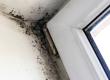
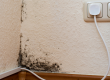
Mold doesn’t wait until it’s visible on a wall to start affecting people. Spores are microscopic, and many of the health effects show up as “everyday” symptoms—coughing, congestion, headaches—that are easy to blame on allergies or stress.
The hidden health impacts
Medical and public health studies have linked indoor mold exposure to:
- Worsening asthma and allergy symptoms
- Chronic sinus and respiratory irritation
- Fatigue, difficulty concentrating, and headaches
- Increased risk of respiratory infections
For sensitive individuals—children, older adults, or those with compromised immune systems—these effects can be more severe. In commercial settings like call centers, law offices, and medical practices across St. Petersburg, that can mean repeated sick days, reduced productivity, and staff turnover.
“Indoor environmental quality is one of the most overlooked drivers of employee well-being and performance.” — Building Health Research Consortium
Local conditions that fuel mold in St. Petersburg
St. Petersburg’s climate is mold-friendly:
- High humidity for much of the year
- Frequent thunderstorms and wind-driven rain
- Coastal air and salt exposure that can degrade exterior building materials
- Heavy reliance on HVAC systems that run almost constantly
Even a minor roof leak, condensation on ductwork, or poorly ventilated storage room can create ideal conditions for mold growth. Because these issues often occur behind walls, above ceilings, or inside HVAC systems, you may never see the problem until people start feeling unwell.
Why testing matters before symptoms escalate
This is where Mold Testing and Indoor Air Quality Testing come in. By measuring the types and levels of spores in the air and on surfaces, you can:
- Confirm whether mold is contributing to health complaints
- Identify hidden moisture or growth that isn’t visible
- Prioritize repairs and remediation based on data
- Document that your building meets health and safety expectations
CALLOUT: The absence of visible mold does not mean you have healthy indoor air. Testing bridges the gap between what you see and what occupants actually breathe.
From Reactive to Preventative: Rethinking Mold Testing
Many St. Petersburg businesses only consider Mold Inspection after a major leak, flood, or visible mold outbreak. By then, costs and disruption are already high. A preventative mindset treats mold testing like regular health checkups—routine, documented, and proactive.
Traditional vs. preventative approach
Here’s how a reactive approach compares to a preventative strategy:
| Approach Type | When Testing Happens | Typical Trigger | Common Outcome in St. Petersburg Buildings |
|---|---|---|---|
| Reactive Mold Testing | After visible mold or strong odors appear | Complaints, water damage, legal risk | Higher remediation costs, operational disruption |
| Preventative Mold & Air Testing | On a schedule or after minor moisture events | Routine risk management | Early detection, targeted repairs, lower total cost |
In older office buildings near Central Avenue or along 4th Street, we often see the reactive pattern. A small roof leak from a summer storm goes unchecked. Months later, an entire suite needs partial demolition, deep cleaning, and reconstruction.
With a preventative model, that same building might:
- Perform annual Professional Mold Testing
- Add targeted Air Quality Monitoring after known moisture events
- Use test results to guide maintenance and capital planning
Real-world example: catching a problem early
A St. Petersburg accounting firm in a 1970s building scheduled annual testing as part of their lease compliance. Their second-year results showed a modest but notable increase in certain mold spore levels in one conference room, without any visible signs.
Follow-up investigation found:
- A slow, ongoing window leak during heavy storms
- Damp insulation behind the wall
- Minor surface growth on the back of wallboard
Because the issue was caught early, the fix involved localized repairs and drying—not an expensive, disruptive remediation. Staff never experienced major symptoms, and the firm had documentation showing they took occupant health seriously.
How Professional Mold Testing Protects Health
Understanding how testing works helps clarify why it’s such a powerful preventative tool. A comprehensive assessment goes beyond “yes or no” and provides a nuanced picture of your building’s health.
What a thorough mold inspection includes
A professional Mold Inspection typically combines:
- Visual assessment of interior and exterior areas
- Moisture readings in walls, floors, and ceilings
- Thermal imaging to find hidden damp zones
- Air sampling in occupied areas and comparison to outdoor levels
- Surface sampling in suspected or high-risk areas
“Good environmental assessment is detective work—following moisture and airflow patterns to understand how a building actually behaves.” — Certified Indoor Environmental Professional
In St. Petersburg, a careful inspector also considers:
- Prevailing wind and rain exposure (especially for waterfront or high-rise buildings)
- HVAC run times and thermostat settings in our hot climate
- History of prior water damage from hurricanes or tropical storms
Why lab analysis and context matter
Samples are analyzed by accredited laboratories that identify:
- Types of mold present
- Spore counts and distribution
- Presence of moisture-loving species that suggest hidden leaks
This is critical for concerns about “toxic mold.” A data-driven Toxic Mold Testing approach focuses on:
- Whether indoor levels are elevated compared to outdoors
- Whether species associated with water damage (like Stachybotrys) are present
- How results line up with building history and occupant symptoms
CALLOUT: Mold test results are only as useful as the interpretation. A qualified inspector connects lab data with building science and health considerations, not just a list of spore names and numbers.
Turning data into health protection
The real value of Residential Mold Testing or commercial testing lies in what happens next:
- Clear recommendations on repairs, cleaning, or remediation
- Prioritized action steps based on risk level
- Guidance on whether occupants can remain in place during work
- Retesting after work to verify that conditions are safe
For business owners, this means you’re not guessing. You’re making health-related decisions based on evidence, not fear or assumptions.
Mold Testing, Air Quality, and Your HVAC System
In Florida, your HVAC system is the heart of your indoor environment—and a frequent hiding place for mold issues. Because it runs almost constantly in St. Petersburg’s climate, any contamination can quickly spread spores throughout a building.
Why HVAC mold issues are so common
Several factors contribute to HVAC-related mold in our area:
- High humidity leading to frequent coil and duct condensation
- Oversized systems that short-cycle and fail to dehumidify properly
- Insulated ductwork in hot attics or mechanical rooms
- Neglected drain pans or clogged condensate lines
A targeted HVAC Mold Inspection can reveal:
- Mold growth on coils, in drain pans, or inside ductwork
- Improper airflow or filtration allowing dust and spores to accumulate
- Negative pressure issues drawing humid outdoor air into the system
Case example: a musty smell on Monday mornings
A medical office near St. Anthony’s Hospital reported a recurring musty odor that was strongest on Monday mornings. Staff also noted more coughing and congestion early in the week.
Testing and inspection found:
- Elevated mold spore counts in supply air from certain vents
- Condensation and microbial growth in one branch of ductwork above a ceiling
- A misaligned damper causing cool air to stagnate in that section when the system cycled off over the weekend
By addressing the HVAC issues and cleaning affected components, follow-up Indoor Air Quality Testing confirmed normal levels. Staff reported the odor disappeared and symptoms subsided.
Integrating air quality monitoring
Modern Air Quality Monitoring tools can provide ongoing insight into:
- Humidity levels
- Temperature stability
- Particulate and sometimes VOC levels
These readings, combined with periodic mold testing, create a comprehensive picture of building health. For multi-tenant buildings and property managers in downtown St. Petersburg, this kind of data is increasingly expected by health-conscious tenants.
Cost vs. Risk: Why Preventative Testing Pays Off
It’s natural to ask whether routine mold testing is worth the investment. Comparing costs against potential risks makes the answer clearer.
Typical local cost dynamics
While every property is different, a broad comparison in the St. Petersburg market often looks like this:
| Item | Typical Scenario in St. Petersburg | Approximate Impact |
|---|---|---|
| Scheduled Mold & Air Quality Testing | Annual or biannual for offices/medical | Predictable, modest operating cost |
| Reactive Testing After Visible Mold | Emergency call after complaints or damage | Higher rush fees, urgent decisions |
| Minor Repair After Early Detection | Localized drywall, sealant, HVAC cleaning | Hundreds to low thousands of dollars |
| Major Mold Remediation After Delay | Multi-room demo, containment, rebuild | Thousands to tens of thousands |
| Productivity Loss & Absenteeism | Ongoing staff symptoms and complaints | Hidden but significant over time |
| Potential Legal/Insurance Complications | Claims, disputes, higher premiums | Highly variable, can be substantial |
“Preventative environmental management is almost always cheaper than crisis response—especially in humid climates.” — Environmental Risk Consultant
Real numbers: a tale of two properties
- A small law firm near Mirror Lake invested in annual Mold Detection Services. A minor issue was caught twice over five years, each time resolved with targeted repairs under $2,000.
- A similar firm in an older building chose to wait until “something looked wrong.” After years of slow window leaks, they discovered extensive wall and carpet contamination. The remediation, temporary relocation, and lost billable hours exceeded $40,000.
Beyond dollars: reputation and retention
For healthcare providers, schools, and client-facing businesses, mold complaints can damage reputation quickly. Parents, patients, and clients are increasingly aware of indoor environmental quality. Documented Mold Inspection Services and testing demonstrate due diligence and care.
CALLOUT: The real question isn’t whether you can afford preventative mold testing—it’s whether you can afford the risk of not knowing what your team is breathing every day.
Building a Proactive Mold and Air Quality Plan
Turning the idea of preventative mold testing into a workable plan is straightforward when you break it into steps.
Step 1: Baseline assessment
Start with a comprehensive evaluation:
- Full building Home Mold Detection or commercial inspection
- Strategic air and surface samples in representative areas
- Moisture mapping and review of building history
This baseline gives you:
- A snapshot of current risk levels
- A list of priority repairs or improvements
- A reference point for future comparisons
Step 2: Ongoing schedule and triggers
Work with an environmental professional to define:
- Annual or biannual Mold Detection Companies testing schedule
- Additional testing after events like:
- Roof or plumbing leaks
- Flooding from storms or backups
- Renovations that open walls or alter airflow
In St. Petersburg, many businesses align testing with:
- The end of summer (after peak storm season)
- Pre-lease renewal or property sale
- HVAC upgrades or major maintenance cycles
Step 3: Integrate with environmental management
For larger facilities, working with an Environmental Consultant Near Me or team that understands local conditions helps you:
- Prioritize capital improvements (roofing, windows, HVAC) based on risk
- Develop moisture control policies (e.g., how quickly leaks must be reported and addressed)
- Train staff to recognize early warning signs of moisture and mold
This blend of Environmental Consulting Services and practical facility management creates a sustainable strategy, not a one-time fix.
What This Means for Businesses in St. Petersburg, FL
St. Petersburg is a vibrant, growing city with a mix of historic buildings, waterfront properties, and modern developments. That diversity makes our building stock both charming and challenging from an environmental standpoint.
For downtown offices, medical suites along 9th Street, and retail spaces near Beach Drive, the stakes are high:
- Tenants and employees expect healthy, comfortable indoor environments.
- Tourism and hospitality businesses can’t afford disruptions from major remediation.
- Healthcare and professional offices face heightened scrutiny over air quality.
Local climate pressures—humidity, storms, and salt air—mean you’re operating in a higher-risk environment than many inland cities. That makes a proactive approach to mold and indoor air quality not just “nice to have,” but a core part of responsible property and business management.
By building Commercial Mold Testing and Environmental Assessment into your ongoing operations, you:
- Protect staff, customers, and tenants from avoidable health risks
- Reduce long-term maintenance and remediation costs
- Strengthen your reputation as a responsible, health-focused organization
- Gain documentation that supports insurance, leasing, and regulatory needs
For property managers overseeing multiple buildings across St. Pete and the greater Tampa Bay area, a consistent testing and monitoring program becomes a competitive advantage. It shows owners and tenants that you’re not just reacting to problems—you’re actively managing environmental quality in a climate where mold is always looking for an opportunity.
Frequently Asked Questions
Q: We don’t see any mold. Do we really need mold testing?
A: Visible mold is often the last stage of a problem, not the first. Many of the most impactful issues occur behind walls, above ceilings, or inside HVAC systems where you can’t see them. In St. Petersburg’s humid climate, minor leaks and condensation can support mold growth long before discoloration appears. Preventative Mold Testing Near Me measures airborne spores and identifies moisture-related species, giving you an early warning. This is especially valuable if you have recurring “allergy” complaints, musty odors, or a history of water intrusion. Testing provides clarity so you’re not relying on guesswork or waiting for visible damage and health impacts to emerge.
Q: How often should a business in St. Petersburg schedule mold and indoor air quality testing?
A: Frequency depends on your building type, age, and history. As a general guideline, many offices, medical practices, and schools benefit from annual Indoor Air Quality Testing combined with a thorough mold inspection every 12–24 months. Higher-risk buildings—older structures, properties with flat roofs, or spaces that have had previous leaks—may warrant more frequent checks. You should also schedule targeted testing after events like roof leaks, pipe bursts, flooding, or major renovations. In the St. Petersburg area, many businesses align testing with the end of hurricane season or before lease renewals to ensure they’re entering the next year with a clear understanding of their building’s condition.
Q: Can I use a DIY mold test kit instead of hiring a professional?
A: Over-the-counter kits can tell you that mold exists, but that’s rarely the real question. Mold spores are almost always present at some level. The key is whether indoor levels and species are elevated compared to outdoors and whether they indicate hidden moisture problems. DIY kits don’t provide that context, and they’re prone to contamination and misinterpretation. A professional Black Mold Inspection or full assessment includes building science expertise, calibrated equipment, and accredited lab analysis. In a climate like St. Petersburg’s, where humidity and HVAC dynamics are complex, the value lies in expert interpretation and practical recommendations, not just a “yes/no” answer from a petri dish.
Q: What’s the difference between mold inspection and indoor air quality testing? Do I need both?
A: A Mold Inspection focuses specifically on identifying signs of moisture and mold growth—visually, with moisture meters, and often with targeted sampling. Indoor Air Quality Testing looks more broadly at what people are breathing, including mold spores, particulates, and sometimes other contaminants. Many businesses benefit from a combined approach: inspection to locate sources and conditions, and air testing to quantify exposure and compare indoor levels to outdoor baselines. In St. Petersburg, where HVAC systems work hard and buildings face constant moisture challenges, using both tools together provides a much more complete picture of occupant health risks than relying on either one alone.
Q: We had mold remediation done a few years ago. Should we still test?
A: Yes. Remediation addresses a specific problem at a specific point in time. It doesn’t eliminate the underlying environmental risks that come with our coastal, humid climate. Roofs age, seals fail, and HVAC systems change over time. Periodic Professional Mold Testing serves two critical purposes: verifying that past problems haven’t returned, and catching new issues early. For St. Petersburg properties with a history of mold, a structured monitoring plan—annual inspections with targeted air sampling—is a smart risk management strategy. It also provides documentation that can be important for tenants, insurers, and regulators if questions arise later about building conditions.
Q: How does mold testing fit into broader environmental consulting or management services?
A: Mold testing is one component of a larger environmental health picture. For many commercial properties, it’s integrated into Environmental Management Services that might also include ventilation assessments, humidity control strategies, and ongoing monitoring. An experienced consultant familiar with St. Petersburg buildings can help you prioritize improvements—like sealing building envelopes, upgrading HVAC systems, or improving drainage—based on actual data. This holistic approach means you’re not just reacting to mold when it appears but actively managing the indoor environment. Over time, that leads to healthier spaces, fewer surprises, and more predictable operating costs.
Q: Will mold testing disrupt our operations or inconvenience staff and customers?
A: In most cases, no. A standard Home Mold Detection or commercial testing visit is minimally invasive. Inspectors may need access to mechanical rooms, ceilings, or specific offices, but air and surface sampling typically takes only a few minutes per location. Many St. Petersburg businesses schedule testing early in the day, during slower periods, or outside of peak customer hours. If more intrusive investigation is needed (such as opening walls), that’s usually planned as a separate step after initial results, with clear communication and scheduling to minimize disruption. The goal is always to protect health while respecting your day-to-day operations.
Ready to Get Started?
Mold doesn’t wait for a convenient time to become a problem—and in St. Petersburg’s climate, “waiting to see” often means discovering issues when they’re already affecting people and budgets. If you’ve noticed musty odors, recurring “allergy” complaints, past leaks, or you simply haven’t had your property evaluated in years, this is the ideal moment to act.
A professional assessment from Tampa Bay Mold Testing gives you clarity: a detailed picture of current conditions, practical recommendations, and a roadmap for maintaining healthier indoor environments over time. Whether you manage a single office, a medical suite, or a portfolio of properties, proactive testing is one of the simplest, most effective ways to protect your team, your clients, and your investment.
Take the next step by scheduling a comprehensive mold and indoor air quality evaluation. You’ll gain peace of mind today—and a stronger foundation for your business tomorrow.
About Tampa Bay Mold Testing
Tampa Bay Mold Testing is a locally focused inspection and testing firm serving St. Petersburg and the greater Tampa Bay area. Our team specializes in data-driven mold assessment, Indoor Air Quality Testing, and moisture diagnostics for residential, commercial, and medical environments. With years of experience in Florida’s unique climate and industry-recognized certifications, we provide objective, lab-backed reporting and clear, practical guidance. Learn more about our services and approach at Tampa Bay Mold Testing.