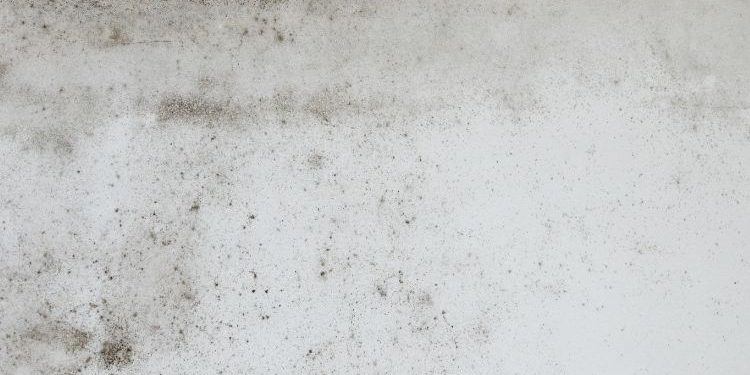
Hidden Growth Radar: Mold Detection Through Environmental Mold Inspection
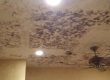
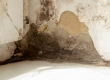
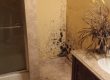
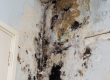
A property manager in downtown St. Petersburg recently called after three tenants on the same floor reported headaches, musty odors, and worsening allergies. The building looked spotless. No visible leaks. No dark stains. On the surface, everything appeared fine. But an environmental mold inspection told a different story: elevated spore counts in the air and hidden mold growth inside wall cavities from a slow, undetected plumbing leak.
Stories like this are increasingly common in humid coastal cities. In the Tampa Bay area, studies have found that indoor humidity often exceeds recommended levels for much of the year, creating ideal conditions for mold growth behind drywall, under flooring, and inside HVAC systems. The problem is that by the time mold becomes visible, it’s often been impacting indoor air quality—and people’s health—for months.
This guide explains how environmental mold inspection works as a “hidden growth radar” for your building. You’ll learn how professionals use advanced Mold Testing, Indoor Air Quality Testing, and environmental assessments to detect problems early, protect occupants, and prevent costly structural damage in St. Petersburg properties.
Key Insight: Environmental mold inspection is less about what you can see and more about what your building is silently breathing. Detecting hidden mold early can save thousands in remediation costs and protect the health of everyone inside.
Why Hidden Mold Is a Bigger Risk in St. Petersburg
St. Petersburg’s warm, humid climate and coastal conditions create a year-round challenge for keeping buildings dry. Afternoon thunderstorms, tropical systems, and high dew points all contribute to moisture intrusion—often in places you can’t easily see.
Local data from building science research shows that:
- Indoor relative humidity above 60% significantly increases mold growth potential.
- Florida buildings are more likely to experience condensation in wall cavities and HVAC systems due to temperature differences between cooled interiors and hot, humid exteriors.
In practical terms, that means even well-maintained homes, offices, and retail spaces can develop hidden mold problems. A small roof flashing failure in Old Northeast or a poorly insulated duct in a Central Avenue storefront might not cause obvious water damage, but they can fuel mold growth behind the scenes.
A recent case in a St. Pete Beach condo illustrates this. The owner noticed a faint musty smell only when the AC kicked on. No stains, no leaks. An environmental assessment with HVAC Mold Inspection revealed mold growth inside the air handler and supply plenum, likely from years of condensation and inadequate drainage. Left undetected, this could have led to widespread contamination throughout the duct system.
“Most serious mold problems start as invisible moisture problems.” — Indoor Environmental Professional, Florida
What Environmental Mold Inspection Really Looks For
Environmental mold inspection goes beyond a quick walk-through with a flashlight. It’s a systematic evaluation of how your building’s design, materials, and mechanical systems interact with moisture and air.
A comprehensive inspection typically includes:
- Visual assessment of accessible areas (walls, ceilings, attics, crawlspaces, basements, mechanical rooms)
- Moisture mapping with meters and infrared cameras to find damp materials
- Air Quality Monitoring and sampling to assess airborne spore levels
- Surface and bulk Residential Mold Testing or commercial sampling where growth is suspected
- Evaluation of ventilation, HVAC performance, and building pressurization
- Review of occupant complaints, health symptoms, and building history
For a downtown St. Petersburg law office, this approach made all the difference. Staff had recurring sinus issues, but the space had been recently renovated and looked pristine. The inspection found:
- Elevated spore counts in conference rooms compared to outdoor levels
- Moisture in an exterior wall from improperly sealed windows
- Hidden mold growth on the backside of drywall
By correlating air sampling data with moisture readings, the inspector pinpointed the source without unnecessary demolition.
CALLOUT: Environmental mold inspection is both a science and an investigation. The goal isn’t just to confirm mold exists, but to understand why it’s there and how far it has spread.
This investigative process is especially critical for properties near the waterfront or older buildings around areas like Historic Kenwood and Old Southeast, where legacy construction methods and aging envelopes can mask hidden moisture pathways.
Modern Mold Detection vs. “See-and-Sniff” Inspections
Not all mold inspections are created equal. Some rely heavily on visual cues and odor, while others use a full environmental approach with advanced tools and testing.
Here’s how traditional and modern approaches compare:
| Aspect | Traditional Visual Inspection | Environmental Mold Inspection (Modern) |
|---|---|---|
| Primary tools | Flashlight, basic moisture meter | Infrared imaging, calibrated moisture meters, air pumps |
| Focus | Visible mold, obvious leaks | Building systems, air quality, hidden moisture paths |
| Sampling | Sometimes none or limited swab tests | Integrated Professional Mold Testing, air and surface sampling |
| HVAC evaluation | Often minimal | Detailed HVAC Mold Inspection and ventilation assessment |
| Root cause analysis | Basic (e.g., “there’s a leak”) | Comprehensive building science-based diagnosis |
| Reporting | Short narrative, few data points | Data-backed report with lab results and recommendations |
A St. Petersburg medical clinic learned this difference the hard way. After a basic inspection from a general contractor, they were told no mold was present because none was visible. Staff symptoms continued. Months later, a full environmental assessment revealed:
- Elevated indoor spore levels
- Mold growth above ceiling tiles from a slow roof leak
- Contaminated insulation near HVAC ductwork
The cost of remediation and operational disruption would have been significantly lower if the environmental approach had been used from the start.
“Data-driven mold assessments are now standard of care in sensitive environments like healthcare and schools.” — Building Science Consultant
The Role of Air and Surface Testing in Mold Detection
Air and surface testing are central to environmental mold inspection, especially when you suspect hidden growth. They serve as your “radar” for what the eye can’t see.
Air Sampling: What Your Building Is Breathing
Air sampling compares indoor air to outdoor baseline conditions. This helps answer key questions:
- Are indoor mold spore levels elevated compared to outside?
- Are there species indoors that aren’t present outdoors?
- Do results indicate potential hidden growth or water damage?
In a Shore Acres home, air samples taken in the living room and master bedroom showed significantly higher levels of water-damage indicator molds inside than outdoors, even though there was no visible growth. Follow-up investigation found damp insulation and mold inside an exterior wall from wind-driven rain intrusion.
Surface and Bulk Sampling: Confirming What’s Growing
Surface sampling (tape lifts or swabs) and bulk sampling (small material pieces) help:
- Confirm if discoloration is mold or staining
- Identify mold species for Toxic Mold Testing concerns
- Guide remediation protocols in sensitive environments
For a local daycare near Crescent Lake, surface sampling on window sills and HVAC vents confirmed active mold growth, not just dust buildup. This allowed targeted remediation and documented clearance testing to reassure parents and licensing agencies.
CALLOUT: Air and surface testing are not about creating fear around every spore. They’re about context—understanding whether what’s present is typical for St. Petersburg or signals a building problem.
Environmental Consulting: Turning Data into an Action Plan
Collecting data is only half the job. A strong environmental mold inspection translates findings into a practical, prioritized plan.
Environmental professionals in St. Petersburg often combine Environmental Consulting Services with Mold Detection Services to help property owners and managers:
- Identify and rank sources of moisture (roof, plumbing, condensation, site drainage)
- Develop remediation scopes that meet industry standards (IICRC S520, ANSI guidelines)
- Coordinate with remediation contractors while remaining independent and objective
- Validate that cleanup was successful through post-remediation verification
For a mixed-use building near Central Avenue, this approach turned a potentially chaotic situation into a managed project. After multiple tenant complaints, the environmental consultant:
- Performed a detailed Environmental Assessment of common areas and tenant spaces
- Identified poorly sealed exterior joints and an overloaded rooftop HVAC system
- Recommended phased remediation and HVAC upgrades
- Conducted clearance testing to document that mold levels returned to normal
“Objective, third-party consulting is essential when mold issues intersect with leases, insurance, or health concerns.” — Environmental Health Specialist
This kind of guidance is particularly valuable for:
- Property managers overseeing multiple units
- HOA boards in condo communities
- Business owners with employee health or liability concerns
- Healthcare, education, and hospitality facilities
Residential vs. Commercial Mold Detection: Different Risks, Same Principles
While the fundamentals of mold growth are the same, residential and commercial properties in St. Petersburg face different risk profiles and operational realities.
Residential Properties
Homeowners often seek Home Mold Detection after:
- Smelling musty odors, especially after rain or AC cycles
- Noticing health changes like increased allergies, asthma flares, or headaches
- Discovering past water damage during a renovation or home purchase
In a classic 1920s bungalow near Roser Park, a buyer requested Black Mold Inspection after seeing old water stains in the attic. Testing revealed elevated Stachybotrys (often called “black mold”) on attic sheathing. With this information, the buyer negotiated proper remediation before closing, avoiding a major surprise later.
Commercial Properties
Businesses and institutions have additional considerations:
- Regulatory and occupational health requirements
- Reputation and customer perception
- Operational downtime during remediation
- Documentation needs for insurers and stakeholders
A beachfront hotel in St. Pete Beach, for example, used Commercial Mold Testing as part of a broader Environmental Management Services strategy. Regular inspections and air sampling allowed them to catch a roof drain issue early, remediate two rooms, and avoid a larger outbreak that could have closed an entire floor during peak season.
| Property Type | Common Triggers for Inspection | Key Priority |
|---|---|---|
| Single-family home | Odors, leaks, health symptoms, real estate | Health and long-term asset value |
| Condo/HOA | Repeated unit complaints, building leaks | Fairness, documentation, shared cost |
| Office/retail | Employee complaints, visible damage | Liability and business continuity |
| Healthcare/school | Strict health standards, inspections | Compliance and vulnerable occupants |
CALLOUT: Whether it’s a Craftsman bungalow or a Class A office building, the core process—inspect, test, diagnose, and verify—remains the same. The difference is how the plan is implemented around people and operations.
What This Means for Businesses in St. Petersburg
For St. Petersburg businesses, environmental mold inspection is not just a maintenance item—it’s part of risk management, employee well-being, and brand protection.
Local companies operate in a climate where:
- Summer humidity regularly pushes indoor systems to the limit.
- Afternoon storms and tropical events can cause hidden water intrusion.
- Coastal winds drive rain into building envelopes and window systems.
- HVAC systems must work hard to balance cooling and dehumidification.
Ignoring these realities increases the chances of:
- Gradual deterioration of building materials
- Frequent “sick building” complaints from staff or customers
- Insurance disputes when long-term moisture damage is discovered
- Costly emergency remediation during your busiest season
On the other hand, integrating periodic environmental mold inspections and Air Quality Monitoring into your facility plan can:
- Document a baseline of healthy indoor conditions
- Catch small issues before they escalate
- Provide evidence of due diligence to insurers and regulators
- Improve employee comfort and productivity
A tech company in the Edge District now includes annual Mold Inspection in its operations budget, similar to fire safety and elevator inspections. When a minor roof leak occurred during a summer storm, their next scheduled assessment confirmed the issue was contained and resolved, without widespread mold growth.
For businesses that rely on customer trust—healthcare practices, fitness studios, salons, restaurants—the ability to say, “We proactively monitor our indoor environment,” can be a quiet but powerful differentiator in the St. Petersburg market.
Frequently Asked Questions
Q: How do I know if my St. Petersburg building needs an environmental mold inspection or just a basic mold check?
A: If you have visible mold in a small, clearly defined area from a one-time event (like a minor leak that’s been fixed), a basic assessment may be enough. But if you’re dealing with recurring odors, multiple occupant complaints, past water damage, or an older building in our humid climate, a full environmental inspection is the safer choice. This includes Indoor Air Quality Testing, moisture mapping, and HVAC evaluation. In St. Petersburg, where hidden condensation and wind-driven rain are common, environmental assessments often uncover issues that a simple “see-and-sniff” visit would miss.
Q: How accurate are air tests for detecting hidden mold problems?
A: When performed correctly as part of a broader inspection, air testing is a very effective tool. It measures airborne spores and compares them to outdoor levels, which is key in a city like St. Petersburg where outdoor mold is naturally present. On its own, air testing can be misinterpreted; that’s why reputable Mold Detection Companies use it alongside moisture readings, visual inspection, and building history. The strength of air testing lies in pattern recognition—identifying unusual concentrations or species that point toward hidden growth or water damage.
Q: I’m worried about black mold. Do I specifically need black mold testing?
A: “Black mold” usually refers to Stachybotrys, a species associated with chronic moisture problems. If you suspect this, or see dark growth in an area with a history of leaks, targeted Black Mold Detection and species-level analysis are appropriate. In St. Petersburg, we also see other water-damage indicator molds that can affect indoor air quality. Comprehensive Toxic Mold Testing doesn’t just look for one species; it evaluates the full mold profile and moisture conditions so you can address the underlying problem, not just a single type of growth.
Q: How much disruption should I expect during an environmental mold inspection for my business?
A: Most inspections are designed to be minimally disruptive. Inspectors need access to key areas—mechanical rooms, above-ceiling spaces, storage areas—but typical operations can often continue. Air sampling and Mold Testing Near Me usually involve small pumps running for a few minutes in select rooms. For occupied offices or retail spaces in St. Petersburg, inspections are often scheduled early, late, or in phases to avoid peak hours. If intrusive investigation (like opening walls) is needed, that’s usually planned for a later date with your input.
Q: How often should I schedule mold and air quality assessments in St. Petersburg’s climate?
A: Frequency depends on your building type and risk profile. For typical offices and retail spaces, a comprehensive Environmental Assessment every 1–2 years, plus inspections after significant water events, is a solid baseline. Healthcare, education, and hospitality facilities often benefit from annual Indoor Air Quality Testing. For coastal or flood-prone properties, more frequent checks may be warranted. St. Petersburg’s high humidity and storm activity make proactive monitoring far more cost-effective than reacting to full-blown mold problems.
Q: Will an environmental mold inspection help with insurance claims or tenant disputes?
A: Yes. Detailed reports from independent inspectors often play a key role in documenting conditions, timelines, and causation. For property owners and managers in St. Petersburg, third-party findings from Professional Mold Testing and inspection can support insurance claims, clarify responsibilities between landlords and tenants, and demonstrate that you’ve taken reasonable steps to protect occupants. Make sure your inspector provides clear documentation, photos, lab reports, and a narrative that non-experts can understand.
Q: Can I rely on DIY mold test kits instead of hiring a professional?
A: DIY kits can show that spores exist, but in a place like St. Petersburg—where outdoor mold is abundant—that information isn’t very useful on its own. Kits don’t tell you whether levels are typical, where moisture is coming from, or how far contamination has spread. They also can’t evaluate your HVAC system or building envelope. Professional Mold Inspection Services combine testing with building science expertise, which is what you really need to solve the problem effectively and avoid unnecessary or incomplete remediation.
Ready to Get Started?
St. Petersburg’s climate won’t get any drier, and buildings rarely get tighter or more resilient on their own. If you’re noticing musty odors, recurring health complaints, or you simply want peace of mind about what your building is breathing, now is the time to act.
Environmental mold inspection works best as a preventive measure, not a last resort. Addressing moisture and air quality issues early can:
- Reduce remediation costs and business downtime
- Protect the health and comfort of occupants
- Preserve property value and structural integrity
- Provide documentation that you’ve taken responsible steps
Tampa Bay Mold Testing offers independent, data-driven Mold Inspection, Mold Testing, and Indoor Air Quality Testing tailored to homes and businesses across St. Petersburg and the greater Tampa Bay region. From historic bungalows to Class A office space, we understand how local weather, construction practices, and HVAC systems interact.
Schedule an environmental mold inspection before the next storm season or renovation project. A few hours of assessment today can prevent months of disruption tomorrow.
About Tampa Bay Mold Testing
Tampa Bay Mold Testing is a locally focused indoor environmental firm serving St. Petersburg and the greater Tampa Bay area. Our team specializes in independent Mold Detection Services, Residential Mold Testing, and Environmental Management Services for homes, businesses, and institutions. We follow current industry standards and utilize accredited laboratories to provide clear, actionable reports—not just lab numbers. As a dedicated local resource, we understand the unique challenges of building in Florida’s coastal climate and are committed to helping property owners maintain healthier, safer indoor environments.