Mold Inspection: Best Practices for Homeowners
On a typical summer afternoon in St. Petersburg, the air feels more like bathwater than a sea breeze. That same humid air that makes our sunsets beautiful also creates ideal conditions for mold to grow behind walls, under flooring, and inside HVAC systems. Florida Health has estimated that up to 50% of homes in our state may have some level of water damage or mold growth, and national studies show indoor mold is linked to increased asthma and respiratory issues—especially in children and older adults.
For homeowners in St. Petersburg, mold isn’t just an eyesore. It’s a health concern, a property value risk, and often a symptom of hidden moisture problems. The good news: with the right approach to mold inspection and ongoing monitoring, you can protect both your home and your family’s health.
This guide walks you through best practices for mold inspection at home—what to look for, when to call in professionals, how testing works, and how to think about mold as part of your overall indoor environmental health.
Key Insight: Mold inspection is not just about finding visible spots; it’s about understanding moisture, air quality, and hidden building issues so you can make smart, preventative decisions for your home.
Why Mold Is Such a Persistent Problem in St. Petersburg Homes
St. Petersburg’s climate is a perfect storm for mold growth: high humidity, frequent storms, and older housing stock mixed with newer construction that’s tightly sealed for energy efficiency. All of that traps moisture where you don’t want it.
Warm, moist air from the Gulf can drive humidity levels in homes above 60% for days at a time. At that level, mold spores—which are already present in outdoor air—can start colonizing porous materials indoors. Drywall, insulation, carpeting, and even dust on surfaces become food sources.
We often see this play out after typical local events:
- An afternoon thunderstorm drives wind-blown rain under roof tiles.
- A minor AC condensate line leak goes unnoticed in a utility closet.
- A small plumbing drip in a second-floor bathroom slowly saturates a wall cavity.
One St. Pete homeowner in the Old Northeast area called only after noticing a musty odor in a guest room that “never quite went away.” The visible wall looked fine. During a professional Mold Inspection Services, moisture mapping and wall cavity sampling revealed a slow leak from an upstairs shower supply line that had been feeding mold growth for months.
“By the time you see mold, the moisture problem has usually been there for a while.” — Indoor Environmental Assessor
CALLOUT: In our coastal climate, you should think of mold as a moisture management issue, not just a cleaning problem. Addressing the source of moisture is always step one.
Understanding this local context helps you see why routine checks, humidity control, and periodic Indoor Air Quality Testing are especially important for St. Petersburg homeowners.
What a Thorough Mold Inspection Really Includes (And What It Doesn’t)
Many homeowners think a mold inspection is just someone walking around with a flashlight looking for spots. A true inspection is much more systematic and evidence-based.
A comprehensive inspection by a qualified professional typically includes:
- A detailed interview about your home’s history, leaks, odors, health complaints.
- Visual assessment of all accessible areas, including attics, crawlspaces, and closets.
- Moisture readings in walls, ceilings, and flooring using non-invasive meters.
- Temperature and humidity measurements to evaluate conditions for growth.
- Inspection of HVAC components for condensation, microbial growth, and drainage.
- Targeted sampling when indicated (air, surface, or wall cavity testing).
In one newer townhouse near Downtown St. Pete, the owner was concerned about headaches and fatigue but saw no visible mold. During an Mold Inspection, the inspector noted condensation staining around supply vents and elevated humidity. A focused Professional Mold Testing protocol included air samples near the HVAC and in a wall cavity adjacent to the air handler. Results showed elevated Penicillium/Aspergillus spores linked to a wet evaporator coil and dirty insulation inside the air handler.
What a Mold Inspection is Not
- It’s not a remediation service (in Florida, testing and remediation must be separate to avoid conflicts of interest).
- It’s not a guarantee that no mold exists anywhere in the home; it’s an evidence-based assessment of current, accessible conditions.
- It’s not a “pass/fail” test. Good inspectors interpret data in context, not against arbitrary “safe levels.”
CALLOUT: A quality inspection focuses on causes (moisture sources, building defects) as much as symptoms (visible growth or odors). That’s what gives you actionable next steps.
Understanding Mold Testing: When, Why, and How It’s Done
Not every mold inspection requires laboratory testing. Sometimes, visible growth with an obvious moisture source doesn’t need lab confirmation. But testing becomes critical when:
- You have health concerns with no visible mold.
- You’re in a real estate transaction and need documentation.
- You’re dealing with possible “black mold” or suspected toxic species.
- You need to verify that remediation was successful.
An experienced inspector will explain whether Mold Testing is recommended and what type makes sense:
- Air sampling: Captures airborne spores to compare indoor vs. outdoor levels.
- Surface sampling: Tape lifts or swabs of visible growth to identify species.
- Wall cavity sampling: Targeted air or swab samples from inside walls or ceilings.
- Dust sampling: Sometimes used to understand longer-term exposure history.
In a Shore Acres home impacted by repeated king tide flooding, the owner wanted to know if previous water events had left lingering problems. The inspection found no major visible mold, but targeted air and dust sampling as part of Residential Mold Testing showed elevated Stachybotrys and Chaetomium in a lower-level wall, indicating past significant water intrusion and hidden damage behind baseboards.
“Testing doesn’t just tell you if mold is present; it helps clarify how significant the issue is and how urgent remediation may be.” — Environmental Consultant
Traditional vs. Modern Mold Testing Approaches
| Aspect | Traditional Approach | Modern, Best-Practice Approach |
|---|---|---|
| Sampling Strategy | Generic air samples in a few rooms | Targeted based on history, moisture mapping, symptoms |
| Data Interpretation | “Pass/fail” against arbitrary numbers | Comparative analysis (indoor vs. outdoor, room vs. room) |
| Focus | Presence/absence of mold | Source identification, exposure assessment |
| Reporting | Simple lab report only | Narrative findings, photos, moisture data, recommendations |
| Integration with Other Factors | Minimal | Includes humidity, ventilation, building envelope issues |
The Role of Indoor Air Quality and Environmental Assessment
Mold doesn’t exist in isolation. It’s part of your home’s overall indoor environment, which also includes humidity, ventilation, particulates, and other allergens or irritants. That’s why many homeowners now look at Indoor Air Quality Testing as a broader tool, not just a mold check.
A thoughtful environmental assessment might consider:
- Relative humidity trends throughout the day.
- Carbon dioxide levels, which can indicate poor ventilation.
- Particulate levels (dust, dander, pollen).
- Volatile organic compounds (VOCs) from building materials or cleaning products.
- Airflow patterns and pressure imbalances that can pull air (and spores) from attics or crawlspaces into living areas.
In a Snell Isle home, a family reported that their child’s asthma worsened at night. A combined mold inspection and Air Quality Monitoring project revealed:
- High nighttime humidity in the bedroom due to closed doors and undersized return air.
- Elevated particulate levels from an aging carpet.
- Slight negative pressure pulling air from a musty attic into the room.
The solution involved more than just cleaning a little mold from an AC vent. It included HVAC balancing, carpet replacement, and sealing attic bypasses—classic examples of how Environmental Assessment can guide practical improvements.
CALLOUT: You breathe your indoor air 90% of the time. Understanding what’s in that air is as important as what’s in your drinking water.
“Healthy homes aren’t an accident—they’re the result of informed decisions about moisture, ventilation, and materials.” — Building Science Specialist
Special Concerns: Black Mold, HVAC Systems, and Hidden Reservoirs
Few phrases worry homeowners more than “black mold.” While not every dark-colored mold is toxic, some species—like Stachybotrys—are associated with water-damaged buildings and can produce mycotoxins under certain conditions. This is where targeted Toxic Mold Testing can be valuable.
Black Mold and Hidden Sources
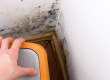
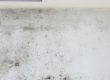
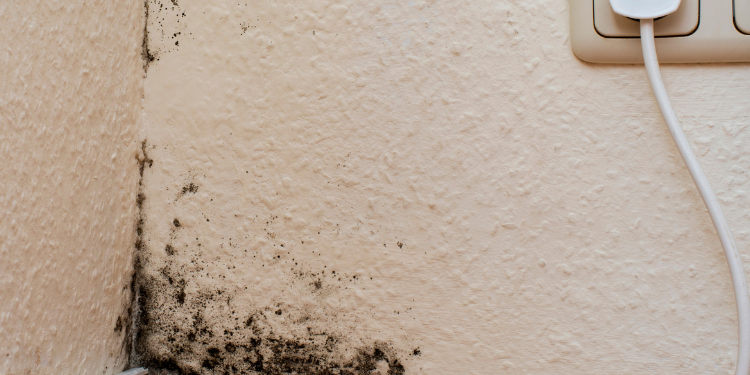
Visible “black mold” on a bathroom caulk line might be minor surface growth. But when dark staining appears on drywall, baseboards, or ceilings—especially after a leak—it’s worth investigating further through a professional Black Mold Inspection.
In a Kenwood bungalow, a homeowner noticed a small patch of dark growth near a baseboard behind a couch. Initial Black Mold Detection using surface sampling confirmed Stachybotrys. Further assessment revealed a long-term leak from an exterior hose bib seeping into the wall cavity. The visible patch was the tip of a much larger problem.
HVAC Mold Inspection: The Invisible Highway
Your HVAC system can be a distribution system for spores if not maintained properly. An HVAC Mold Inspection typically looks at:
- Evaporator coil cleanliness and drainage.
- Condition of insulation inside the air handler.
- Presence of microbial growth on blower wheels or in drain pans.
- Duct cleanliness and condensation issues.
- Filter type and replacement frequency.
In St. Petersburg’s climate, AC systems run hard most of the year. A clogged drain pan or dirty coil can quickly become a microbial hotspot. A thorough inspection can help you decide if you need cleaning, component replacement, or just better maintenance practices.
CALLOUT: Hidden mold often lives where you rarely look: behind baseboards, under vinyl flooring, inside wall cavities, and in HVAC components. Professional Home Mold Detection methods are designed to find these reservoirs.
DIY Checks vs. Professional Mold Detection Services
Many homeowners start with DIY checks—and that’s a good thing. You live in your home every day and are often the first to notice changes. But there’s a limit to what you can safely and accurately assess on your own.
What You Can (and Should) Do Yourself
- Walk through your home monthly looking for:
- New stains on ceilings or walls.
- Warped baseboards or flooring.
- Peeling paint or bubbling drywall.
- Use your nose: persistent musty or earthy odors are a red flag.
- Monitor indoor humidity with a simple hygrometer, aiming for 40–50%.
- Keep AC filters clean and ensure bathroom fans are vented and used.
These habits help you catch issues early and decide when to call in help.
When to Call Professional Mold Detection Companies
Consider hiring Mold Detection Services when:
- You have unexplained respiratory or allergy symptoms at home.
- You’ve had a leak, flood, or storm damage.
- You’re buying or selling a home in a high-humidity area like St. Petersburg.
- You suspect hidden mold but see nothing obvious.
- You need documentation for insurance or legal reasons.
A professional with experience in Commercial Mold Testing and residential assessments brings:
- Specialized tools (moisture meters, borescopes, calibrated pumps).
- Training in building science and Florida-specific construction.
- Understanding of industry standards such as IICRC S520.
- Objective, third-party documentation you can share with contractors or insurers.
DIY vs. Professional: Cost and Value Comparison (Local Perspective)
| Option | Typical Local Cost (St. Pete) | Pros | Cons |
|---|---|---|---|
| DIY visual check + store kit | $20–$80 | Low upfront cost, easy to start | Often unreliable, no context, no moisture data |
| Basic professional mold inspection | $300–$500+ | Detailed assessment, photos, moisture data | Limited or no lab testing included |
| Full inspection + targeted testing | $450–$800+ | Comprehensive report, lab results, guidance | Higher cost, but best for complex situations |
CALLOUT: DIY kits can tell you that mold spores exist (they almost always will) but not whether you have a problem. Interpretation is where professionals add real value.
What This Means for Homeowners in St. Petersburg
Living in St. Petersburg means enjoying waterfront views, vibrant neighborhoods, and year-round warm weather—but it also means accepting that moisture management is part of responsible homeownership.
For local homeowners, best practices around mold inspection translate into:
- Routine awareness: You don’t need to be paranoid, but you do need to be observant. Seasonal roof checks after storm season, watching for small leaks, and staying on top of AC maintenance go a long way.
- Timely response: Small moisture problems rarely stay small in our climate. Acting quickly when you notice a leak, odor, or stain can dramatically reduce damage and cost.
- Strategic testing: Not every situation needs lab work, but when health, real estate, or complex water damage is involved, targeted Mold Detection Services and Environmental Management Services provide critical clarity.
- Holistic thinking: Mold is part of a bigger indoor environment picture. Looking at humidity, ventilation, and building design with the help of an Environmental Consultant Near Me can uncover issues you’d never spot with a flashlight alone.
St. Petersburg’s mix of historic bungalows, mid-century homes, and new construction means each property has its own vulnerabilities. Pier-and-beam homes near Old Southeast may struggle with crawlspace moisture. Newer, tightly sealed homes in West St. Pete might trap humidity and VOCs. Condos along the waterfront may face wind-driven rain intrusion and HVAC challenges.
By approaching mold inspection as an ongoing, informed process rather than a one-time event, you turn a potential threat into a manageable part of maintaining a healthy, resilient home in our beautiful (and humid) city.
Frequently Asked Questions
Q: How do I know if I really need professional mold testing or if a visual inspection is enough?
A: The decision often comes down to three factors: visibility, health, and documentation. If you have clear, limited mold growth from a one-time leak that’s already been fixed, a professional visual inspection with moisture readings may be sufficient to guide cleanup. If you or family members are experiencing unexplained respiratory symptoms, or if there’s a musty odor but no visible growth, Mold Testing Near Me can help uncover hidden issues and quantify airborne spores. In real estate transactions or insurance claims, testing provides objective documentation. A reputable inspector in St. Petersburg will explain when testing adds value—and when it may not be necessary.
Q: Are store-bought mold test kits useful for home mold detection?
A: Most over-the-counter kits simply show that mold spores are present on a plate, which is almost always true in any home. What they don’t provide is context: Are levels indoors higher than outdoors? Are water-damage indicator species present? Is there a specific source area? Professional Home Mold Detection uses calibrated pumps, controlled sampling times, and accredited labs, combined with moisture data and visual findings. In humid areas like St. Petersburg, relying solely on DIY kits can lead to unnecessary worry or, worse, false reassurance. They’re not harmful to use, but they shouldn’t replace a proper inspection when a real concern exists.
Q: Should I be worried about black mold specifically, or is all mold a problem?
A: All indoor mold growth indicates excess moisture and should be addressed, but not all molds carry the same implications. Dark or “black” molds might be harmless Cladosporium, or they might be water-damage indicators like Stachybotrys. A focused Black Mold Inspection helps identify species and understand the severity of the issue. In St. Petersburg’s climate, long-term dampness from roof leaks, plumbing issues, or flooding can encourage more problematic species. The key is not to panic over color alone, but to have visible growth and moisture sources evaluated by a professional who can recommend appropriate remediation and moisture control.
Q: How often should I have my home inspected for mold in St. Petersburg?
A: There’s no one-size-fits-all schedule, but risk factors can guide you. If your home has a history of leaks, flooding, or HVAC issues—or if it’s an older property with past water damage—an inspection every few years can be wise, especially before major renovations or sales. After significant events such as hurricanes, plumbing failures, or extended AC outages, a targeted Mold Inspection is recommended. For generally dry, well-maintained homes, routine self-checks and humidity monitoring may be enough, with professional help called in only when new signs (odors, stains, health symptoms) appear.
Q: What’s the difference between indoor air quality testing and mold testing?
A: Indoor Air Quality Testing looks at a broader range of factors—humidity, particulates, VOCs, carbon dioxide, and sometimes allergens—while mold testing focuses specifically on fungal spores and growth. In practice, they often overlap. For example, a family in St. Petersburg concerned about asthma may benefit from both spore counts and evaluations of dust, ventilation, and humidity. Viewing mold as part of a larger indoor environment picture allows for more comprehensive solutions, such as improving ventilation, upgrading filters, or addressing off-gassing materials, in addition to managing moisture and visible growth.
Q: Can my AC company handle mold inspection in my HVAC system, or do I need a separate specialist?
A: Many HVAC companies are excellent at mechanical maintenance but may not be trained in microbial assessment or building science. For basic cleaning and tune-ups, your AC contractor is appropriate. However, if you suspect contamination, odors from vents, or recurring condensation issues, an independent HVAC Mold Inspection by a mold assessor is recommended. In Florida, having testing and remediation/repair performed by separate entities reduces conflicts of interest. The assessor can provide an unbiased evaluation and written protocol that your HVAC contractor or remediation company can then follow, ensuring issues are resolved, not just cleaned superficially.
Q: Will a mold problem hurt my home’s resale value in St. Petersburg?
A: Mold issues can impact buyer confidence, but documented, professionally addressed problems often fare better than unknown or undisclosed ones. Many St. Petersburg buyers now request Residential Mold Testing or a dedicated inspection as part of their due diligence, especially in older or waterfront properties. If you’ve had water damage, having a clear inspection report and, if needed, post-remediation verification can actually reassure buyers that the issue was handled correctly. The real risk to value comes from hidden damage, active leaks, or incomplete repairs that surface during an inspection period and cause deals to fall through or prices to be renegotiated.
Ready to Get Started?
Mold doesn’t wait for a convenient time to show up. In a climate like St. Petersburg’s, a small leak or humidity issue can turn into a larger problem in a matter of weeks—especially during our rainy season and peak AC months. If you’ve noticed musty odors, new stains, recurring condensation, or unexplained health symptoms at home, now is the time to get clarity.
A professional inspection provides more than peace of mind; it gives you a roadmap. You’ll understand whether you have a minor maintenance issue or a situation that calls for targeted remediation, and you’ll get practical guidance on preventing future problems. Tampa Bay Mold Testing offers independent, third-party assessments—no remediation sales pitch, just clear, science-based information tailored to our local conditions.
The next step is simple: schedule an inspection or ask questions about your specific situation. Whether you’re in a historic bungalow, a waterfront condo, or a newer subdivision home, an expert set of eyes can help you protect your investment and your indoor environment.
About Tampa Bay Mold Testing
Tampa Bay Mold Testing is a locally owned, independent mold assessment firm serving St. Petersburg and the greater Tampa Bay area. Specializing in residential and commercial inspections, Professional Mold Testing, and Environmental Consulting Services, we focus solely on testing and inspection—never remediation—to provide unbiased, data-driven guidance. Our team combines industry certifications with deep knowledge of Florida’s unique building and climate challenges, helping homeowners and businesses make informed, confident decisions about their indoor environments.