Moisture Clues Unmasked: Mold Analysis for Tampa Bay Homes
On a muggy August morning in St. Petersburg, a homeowner notices a faint musty odor in the hallway. No visible spots, no leaks in sight—just a smell that won’t go away. A few weeks later, her son’s allergies flare, and the air feels heavier inside than it does on the sticky sidewalk outside. This scenario plays out across Tampa Bay more often than most families realize.
Florida’s high humidity, frequent storms, and aging housing stock create the perfect conditions for hidden moisture—and hidden mold. The Florida Department of Health estimates that a significant share of indoor air complaints in the state are linked to moisture and microbial growth. In our coastal climate, small moisture clues are often the first warning sign of a much larger problem.
This guide breaks down how moisture drives mold growth in Tampa Bay homes, how professional analysis works, and what you can do to protect your family and property. You’ll learn how to spot early warning signs, when to call for Mold Inspection, and how modern testing methods reveal what’s really in your air.
Key Insight: In Tampa Bay, controlling moisture is the single most powerful way to prevent mold—and accurate mold analysis starts with understanding where that moisture is coming from and how it moves through your home.
Why Tampa Bay Homes Are a Magnet for Hidden Moisture
St. Petersburg and the greater Tampa Bay area sit in a humid subtropical climate, which means the air is often saturated with moisture—even when it isn’t raining. Add daily sea breezes, frequent thunderstorms, and hurricane season, and you have homes under constant moisture stress.
The Local Moisture Equation
Several local factors combine to make our region uniquely vulnerable:
- High year-round humidity: Indoor relative humidity can easily stay above 60% without proper ventilation or dehumidification.
- Heavy rainfall and storm events: Wind‑driven rain can penetrate tiny gaps around windows, roofs, and siding.
- Older construction and retrofits: Many St. Pete bungalows and mid‑century homes were not originally built with today’s moisture barriers or HVAC standards.
- Proximity to water: Bayside and canal-front properties often experience higher ambient moisture and salt-laden air that wears down building materials.
A typical case: A family in Old Northeast noticed minor bubbling paint on an exterior wall after a summer storm. They repainted and moved on. Months later, they called for Mold Testing when their daughter’s asthma worsened. Behind that freshly painted wall was mold growth spreading across the back of the drywall, fed by a slow, wind-driven leak that only appeared during heavy storms.
“Moisture problems in Tampa Bay are rarely dramatic floods. They’re slow, subtle intrusions that build up over time.” — Indoor Environmental Consultant
These conditions make early Indoor Air Quality Testing and moisture-focused inspections especially critical for Tampa Bay homeowners.
Moisture Clues: Subtle Signs Your Home Is Sending You
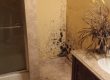
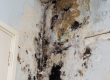
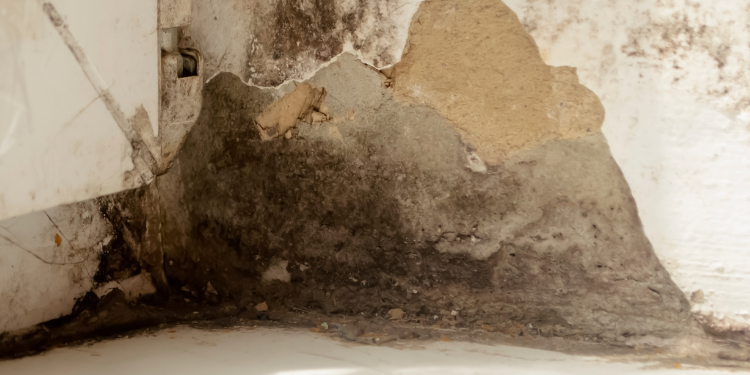
Mold rarely announces itself with big black patches right away. More often, it whispers through minor changes in how your home looks, smells, and feels. Learning to recognize these “moisture clues” can save you thousands in repairs and protect your health.
Common Clues in Tampa Bay Homes
Watch for these subtle signals:
- Persistent musty odors, especially after the AC cycles off
- Condensation on windows even when they’re not directly in the sun
- Slightly warped baseboards or door frames that no longer close smoothly
- Discoloration or faint shadows on ceilings and exterior walls
- Frequent dust or “film” on surfaces, despite regular cleaning
- Hot, stuffy rooms at the end of AC runs, especially near exterior walls
One St. Petersburg condo owner near Beach Drive noticed that her walk‑in closet always felt slightly damp, and leather shoes molded quickly. There were no visible leaks. Targeted Mold Inspection Services revealed elevated moisture in an adjacent wall from a slowly sweating plumbing line. Early detection allowed a simple repair and localized cleanup—avoiding full closet demolition later.
“Your nose is often your best early warning device. If it smells wrong, the air probably is wrong.” — Building Scientist, ASHRAE Member
Recognizing these clues early is the bridge between a simple fix and a major remediation project.
From Suspicion to Evidence: How Professional Mold Analysis Works
Once you suspect a moisture or mold issue, the next step is to move from guesswork to data. That’s where professional Professional Mold Testing and inspection come in. Quality mold analysis is not just about swabbing a spot and waiting for lab results; it’s a structured investigation guided by building science.
The Modern Mold Analysis Process
A thorough mold assessment in a Tampa Bay home typically includes:
- Detailed visual inspection: Looking for staining, material damage, and building defects.
- Moisture mapping: Using moisture meters and thermal imaging to find damp areas inside walls, ceilings, and floors.
- Targeted sampling: Air, surface, or bulk samples taken where conditions warrant—not randomly.
- Contextual analysis: Interpreting lab results in light of building conditions, outdoor spore levels, and occupant symptoms.
Here’s a simplified comparison of approaches:
| Approach | Description | Pros | Cons |
|---|---|---|---|
| Basic “Swab and Send” | Single surface sample, little inspection | Cheap, quick | Often misleading, no moisture diagnosis |
| Visual-Only Inspection | Walkthrough without testing | Low cost, good for obvious issues | Misses hidden mold and air quality problems |
| Comprehensive Mold Analysis | Full inspection + targeted sampling + moisture mapping | Accurate, actionable, building-focused | Higher upfront cost, but better long-term value |
A homeowner in Shore Acres called after noticing small spots on a bathroom ceiling. A basic swab could have confirmed “mold” and stopped there. Instead, a full analysis showed negative pressure in the bathroom pulling humid air from the crawlspace into the room, elevating indoor spore counts. Addressing the ventilation and pressure imbalance resolved both the visible and hidden issues.
Comprehensive analysis turns a vague concern into a clear plan of action, tailored to how your specific home behaves in Tampa Bay’s climate.
Air You Can’t See: Indoor Air Quality and Hidden Mold
Mold is not just a surface problem; it’s an air problem. Spores, fragments, and microbial VOCs (volatile organic compounds) can affect indoor air long before you see visible growth. That’s why Indoor Air Quality Testing and Air Quality Monitoring play such a central role in mold analysis.
Why Air Testing Matters in Tampa Bay
In our region, tightly sealed homes with powerful air conditioning can trap pollutants inside. Add in:
- High humidity that keeps materials slightly damp
- Closed windows for most of the year
- Occasional flooding or roof leaks during storms
…and you have a recipe for degraded indoor air.
A family in south St. Petersburg near Lake Maggiore experienced recurring sinus infections and headaches. Their home looked clean, with no obvious mold. Environmental Assessment with air sampling revealed elevated levels of several mold species compared to outdoors, especially in the master bedroom. Further investigation traced the issue to an AC closet with microbial growth on insulation and the air handler.
“Clean-looking surfaces can hide dirty air. Air testing connects what you breathe with what’s happening inside walls, ducts, and mechanical systems.” — Certified Industrial Hygienist
Surface vs. Air vs. Source
Different testing methods answer different questions:
| Test Type | Best For | Typical Use in Tampa Bay Homes |
|---|---|---|
| Air Sampling | Overall spore levels and species | Unexplained health symptoms, musty odors |
| Surface Sampling | Confirming visible growth | Testing suspicious spots or building materials |
| Cavity/Wall Cavity Sampling | Hidden mold in walls/ceilings | After leaks, storm damage, or condensation issues |
| HVAC Mold Inspection | Mold in ducts/air handlers | Comfort issues, odors from vents, widespread dust |
By combining air data with moisture and building diagnostics, your inspector can distinguish between a minor, localized issue and a systemic indoor air problem.
Behind the Grilles: HVAC, Black Mold, and Your Home’s Lungs
Your HVAC system is the lungs of your home, constantly moving air—and whatever is in that air—throughout every room. In Tampa Bay’s climate, that system is under heavy load most of the year, making HVAC Mold Inspection a critical piece of the puzzle.
How HVAC Systems Spread or Solve Mold Problems
Common HVAC-related mold issues in our area include:
- Dirty or wet evaporator coils where condensate isn’t draining properly
- Microbial growth in drain pans that never fully dry
- Insulation inside air handlers becoming damp and contaminated
- Leaky ductwork in humid attics pulling in moist, unconditioned air
- Oversized systems that cool quickly but don’t dehumidify effectively
A homeowner in Pasadena on the Gulf complained of “mold smell” only when the AC turned on. A focused Black Mold Inspection of the HVAC system revealed mold growth on internal insulation and on the backside of supply grilles. The rest of the home tested within normal ranges. Cleaning, sealing ducts, and adjusting system operation resolved the odor and improved comfort throughout the home.
“If mold is in your HVAC, it doesn’t stay in one room. Every cycle becomes a distribution event.” — Mechanical Engineer, HVAC Specialist
Black Mold vs. The Rest
While Stachybotrys (“black mold”) gets the headlines, other species can be equally problematic in a damp climate. Toxic Mold Testing typically looks at:
- Species associated with water damage (e.g., Stachybotrys, Chaetomium)
- Allergenic species common in humid environments
- Overall spore counts relative to outdoor air
Addressing HVAC-related mold isn’t just cleaning; it’s about correcting the moisture and airflow conditions that allowed growth in the first place.
Choosing the Right Partner: Local Expertise Matters
With so many Mold Detection Companies and Residential Mold Testing providers online, selecting the right one can feel overwhelming. In a specialized climate like Tampa Bay, local building and weather knowledge is just as important as lab credentials.
What Sets Strong Environmental Consulting Apart
A qualified firm offering Environmental Consulting Services and Environmental Management Services should:
- Understand local construction styles—from block homes to pier-and-beam bungalows
- Be familiar with common storm-related damage patterns in St. Petersburg
- Use building science principles, not just “mold kits”
- Provide written, unbiased reports (especially important for real estate transactions)
- Avoid conflicts of interest by not performing remediation themselves
A couple purchasing a 1920s home near Crescent Lake requested Home Mold Detection before closing. The seller’s contractor had already “cleaned” some visible spots. A third-party environmental consultant found elevated moisture in several wall cavities and recommended specific repairs. Because the buyers had a detailed, independent report, they negotiated repairs before move-in rather than facing surprise costs later.
“Independent testing protects both sides of a transaction. It turns mold from an emotional issue into a documented, manageable one.” — Real Estate Attorney, Tampa Bay
The right partner doesn’t just deliver test results; they deliver context, clear explanations, and a roadmap for next steps.
What This Means for Businesses in St. Petersburg and Tampa Bay
While much of this discussion has focused on homes, the same moisture and mold dynamics apply to offices, retail spaces, restaurants, and medical facilities across St. Petersburg and the wider Tampa Bay region.
Why Commercial Properties Are at Risk
Local businesses face additional challenges:
- Flat roofs and large HVAC systems that can develop condensation and drainage issues
- High-occupancy spaces where body heat and moisture load the air
- After-hours temperature setbacks that may reduce dehumidification overnight
- Water events from neighboring tenants in multi-use buildings
A small law firm downtown noticed clients coughing and sneezing in the conference room. A Commercial Mold Testing assessment found elevated mold spores and high humidity from an improperly balanced rooftop unit. Correcting the system and addressing minor ceiling leaks improved comfort and reduced complaints.
For St. Petersburg businesses, the implications are clear:
- Employee health and productivity can suffer from poor indoor air.
- Mold issues can impact client perception and brand reputation.
- Unaddressed moisture problems often become more expensive structural problems.
By treating moisture and mold as ongoing building performance issues—not one-time crises—local businesses can protect occupants, reduce liability, and safeguard their investments.
Frequently Asked Questions
Q: How do I know if I need Mold Testing or just a visual inspection?
A: If you have clear, limited visible growth in a single area from a known leak that’s already been fixed, a detailed Mold Inspection without testing may be enough to guide cleanup. Testing becomes more important when odors are present without visible mold, when health symptoms are unexplained, when multiple rooms seem affected, or when you need documentation for a landlord, insurer, or real estate transaction. In Tampa Bay, where humidity and storm events can create hidden moisture pockets, Professional Mold Testing often reveals issues behind walls or in HVAC systems that a visual check alone would miss.
Q: Is Black Mold always more dangerous than other types of mold?
A: Stachybotrys, often called “black mold,” is associated with chronic water damage and can produce mycotoxins under certain conditions. However, many other molds can trigger allergies, asthma, or irritation, especially in a humid climate like St. Petersburg. What matters most is the overall moisture problem, the amount of mold present, and your family’s health sensitivities. Black Mold Detection is useful when specific species identification is needed, but the priority is always to locate and correct the underlying moisture source, regardless of the mold’s color.
Q: How much does professional mold analysis typically cost in Tampa Bay?
A: Costs vary based on property size, complexity, and the number of samples needed. A basic Residential Mold Testing package for a small St. Petersburg home will be less than a comprehensive Environmental Assessment for a multi-story commercial building. While DIY kits may seem cheaper, they often produce confusing or misleading results without context. A professional assessment includes on-site investigation, moisture diagnostics, sampling, lab analysis, and a written report—delivering far more actionable information. Many homeowners find that accurate diagnosis up front prevents much higher remediation and repair costs later.
Q: Can my HVAC company handle mold concerns, or do I need a separate inspection?
A: HVAC contractors are essential for mechanical repairs, but they may not be trained in mold-specific assessment or building science. For suspected mold or air quality issues, an independent HVAC Mold Inspection as part of a broader mold assessment is recommended. This ensures the inspector evaluates not just the equipment, but also how the system interacts with your building envelope, humidity levels, and air distribution. Once the root causes are identified, your HVAC company can implement recommended corrections, such as improving drainage, sealing ducts, or adjusting system sizing and controls.
Q: How long does a mold inspection and testing process take?
A: For a typical single-family home in St. Petersburg, the on-site inspection and sampling usually take 1.5 to 3 hours, depending on size and complexity. Lab analysis often requires 2–3 business days, though expedited options may be available. After results come in, your inspector should provide a written report and review the findings with you, explaining what they mean in plain language. For larger commercial properties or significant water damage events, the process may take longer, with phased assessments and follow-up visits to ensure moisture has been properly controlled.
Q: Will mold testing tell me exactly how to fix the problem?
A: Quality Mold Inspection Services do more than list lab numbers—they interpret those numbers in the context of your building. A good report outlines likely moisture sources, areas of concern, and recommended next steps. It won’t serve as a step-by-step contractor manual, but it will guide remediation professionals and contractors on what to remove, clean, or repair. In Tampa Bay’s climate, effective Environmental Management Services focus on long-term moisture control—ventilation, drainage, HVAC performance—so that mold doesn’t return after cleanup.
Q: How often should I test my home’s air quality in St. Petersburg?
A: There’s no one-size-fits-all schedule, but many homeowners benefit from periodic Air Quality Monitoring, especially after major events. Consider testing if you’ve had roof or plumbing leaks, storm damage, renovations, or changes in health symptoms. For older homes or properties near the water, a baseline Indoor Air Quality Testing every few years can catch gradual changes before they become serious problems. Businesses and multi-family buildings may opt for annual assessments as part of a proactive maintenance and risk management program.
Ready to Get Started?
Tampa Bay’s climate isn’t going to get drier or cooler. That means the best time to understand your home’s moisture and mold risks is before the next storm system, not after. Small clues—an odor, a warped baseboard, a damp closet—are your home’s way of warning you that something is changing behind the scenes.
A professional, data-driven assessment gives you clarity: Is there a real problem? How extensive is it? What’s driving it? Armed with that information, you can prioritize repairs, protect your family’s health, and avoid unnecessary panic or over-remediation. Whether you’re dealing with a single suspicious spot, recurring allergies, or planning a property purchase, an expert set of eyes and instruments can make all the difference.
Tampa Bay Mold Testing has deep experience with the unique moisture patterns, construction types, and storm impacts of St. Petersburg and surrounding communities. If you’re ready to turn moisture clues into clear answers, schedule a comprehensive inspection and testing appointment today.
About Tampa Bay Mold Testing
Tampa Bay Mold Testing is a locally focused mold and indoor air quality firm serving St. Petersburg and the greater Tampa Bay area. Our inspectors bring industry certifications, building science expertise, and years of experience with Florida’s challenging climate. We provide independent, unbiased inspections, detailed reporting, and practical guidance for homeowners, buyers, and businesses. To learn more about our services and approach, visit our homepage at https://tampabaymoldtesting.com/.