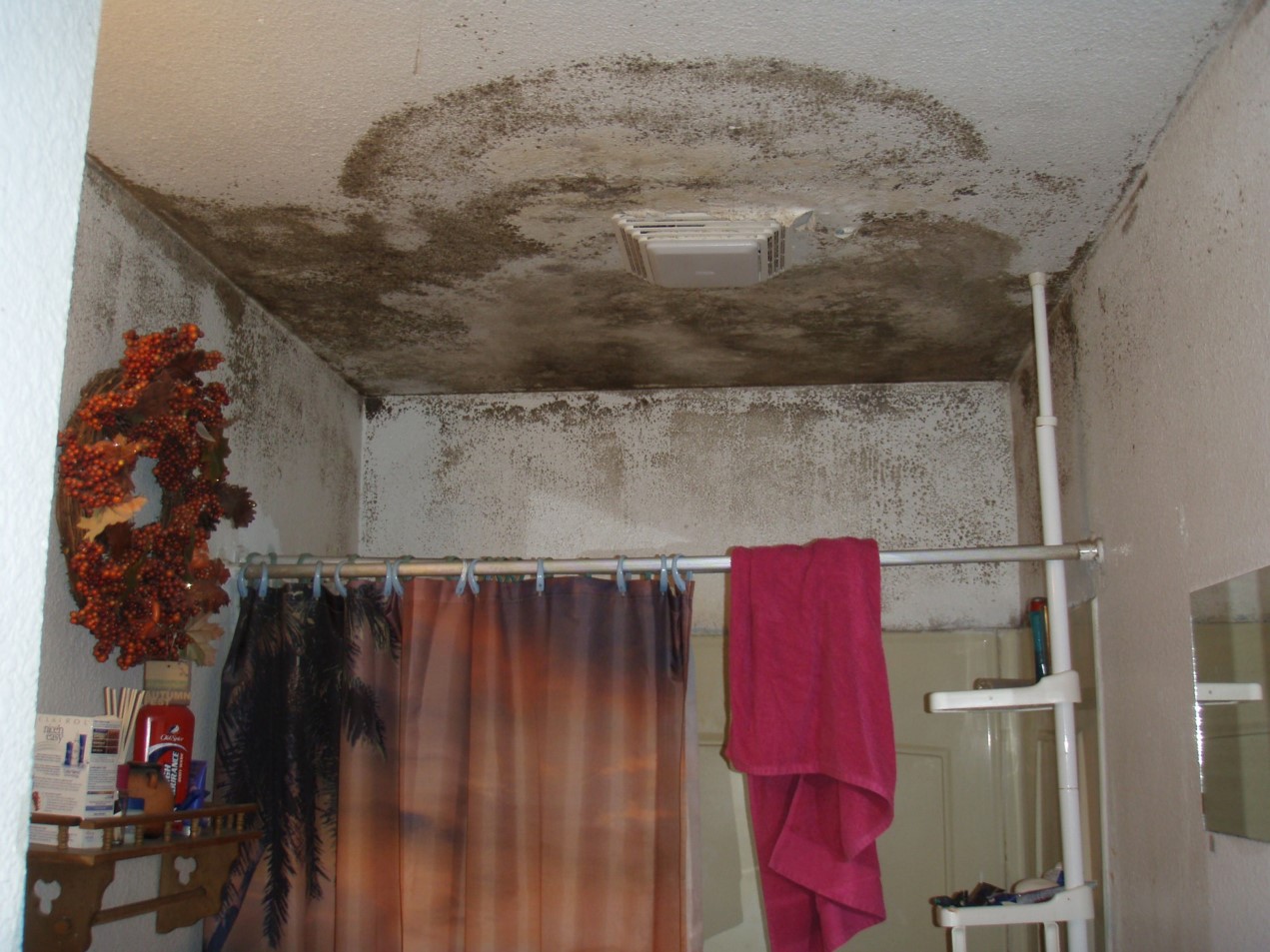
By Joe Margherita, FL Licensed Mold Assessor MRSA4534, ACAC Certified Indoor Environmentalist advising on mold after hurricane Tampa St Petersburg Managing mold after hurricane Tampa flooding or severe storms requires rapid action; your first 72 hours should go to documentation, water extraction, and aggressive drying — not testing. Air sampling is most valuable at two moments: when the property is completely dry, but you suspect hidden moisture or growth you can’t see, and after remediation is finished, to verify independently that the work actually succeeded.
At a Glance
- Mold growth starts in 24–48 hours on wet drywall, insulation, wood, and carpet padding.
- Photograph and video everything before you remove anything. Once the wet drywall is in a dumpster, your insurance claim loses its best evidence.
- Treat floodwater and storm surge as contaminated water.
- Do not run an HVAC system that took on water. You’ll distribute spores and contamination through the entire house.
- Most Florida homeowners policies cap mold coverage, often around $10,000, and the cap is usually separate from your water damage limit.
- Testing during the wet phase mostly tells you what you already know. Testing has the most value after drying and after remediation.
- Hire an independent assessor who doesn’t do the remediation to perform clearance testing. Florida Statute §468.8419 prohibits the same licensee from doing both on the same property.

Hour by Hour: What Actually Matters First
Hours 0–24: Safety, then documentation
If the structure is compromised, if there’s standing water near electrical panels or outlets, or if the water came from storm surge, treat the building as unsafe until a qualified professional says otherwise. Nothing in this article is worth a shock hazard.
Once you’re able to enter safely, document before you touch anything. Photograph every room, wide shots and close-ups. Take video, narrating what you’re seeing. Capture the high-water line on the walls; that mark is going to matter enormously to your adjuster, and it disappears the moment somebody cuts the drywall.
Photograph the outside too: the roof, the soffit, the windows, the point of entry. The water’s entry point determines its classification, and that classification dictates your policy payout.
Storm surge, wind-driven rain through a breached roof, and a burst supply line are three different claims.
Then call your insurance carrier and open the claim. You can start mitigation immediately — carriers expect it, and most policies actually require you to prevent further damage — but the file needs to be open.
Hours 24–48: Extract and dry, hard
This is the window that decides whether you have a mold problem or just a water problem.
Get standing water out. Pull saturated carpet and padding, padding almost never survives and holds enormous amounts of water against the subfloor. Remove wet insulation from wall cavities. Open cabinet toe-kicks and vanity bases. Get air moving and get dehumidification running.
A professional restoration crew with commercial air movers and desiccant or LGR dehumidifiers will dry a structure faster than box fans will, and speed is the entire point here. In August, ambient humidity is working against you every hour of the day, accelerating mold after hurricane Tampa.
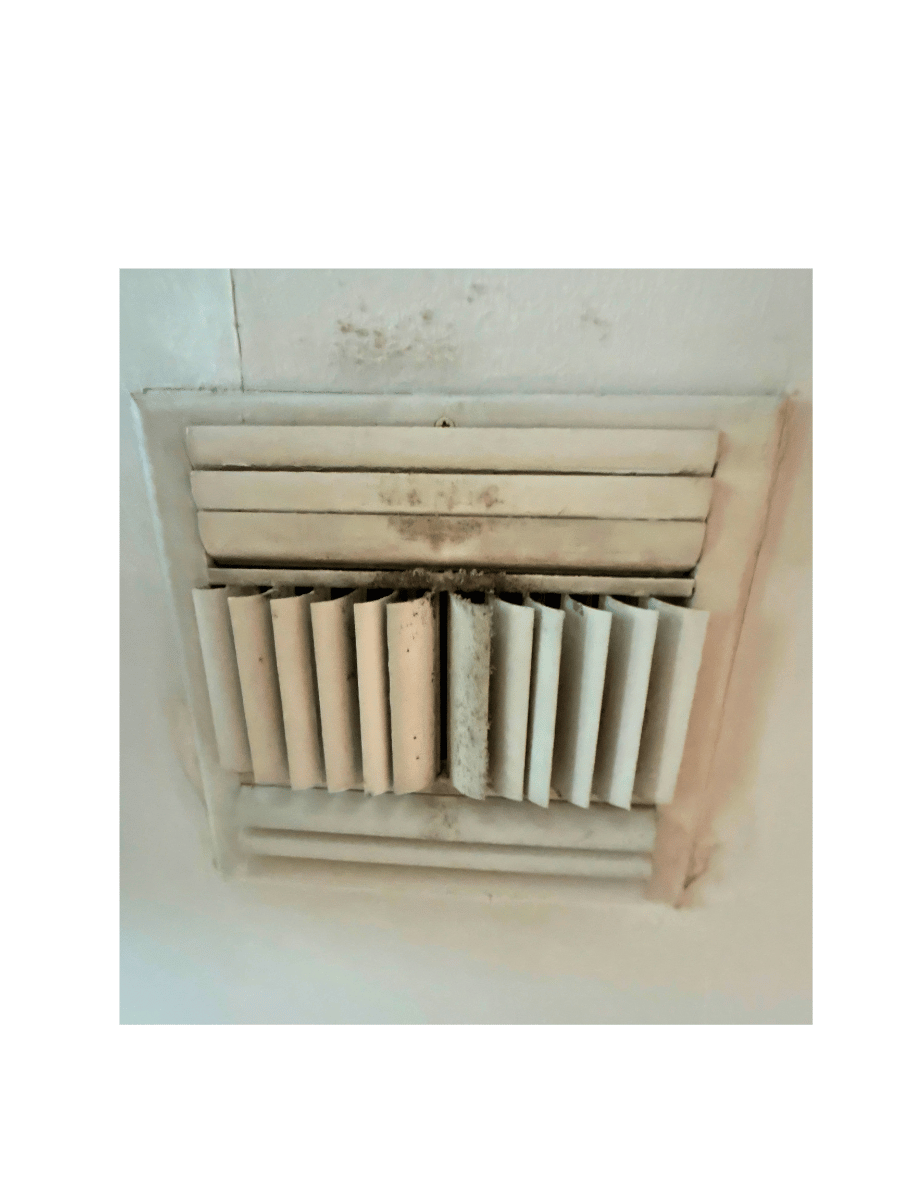
Do not run your air conditioning if the air handler or ductwork took on water. I understand the impulse — it’s brutally hot after a storm and the A/C feels like it’s helping you dry out. But a contaminated system becomes a distribution network, moving spores and debris into rooms that were never affected. If the equipment got wet, it needs evaluation before it runs again. This is one of the most common and most expensive mistakes I see after a storm.
Hours 48–72: Decide what stays and what goes
You generally cannot save Porous materials that absorbed contaminated water.
The standard approach on drywall is a flood cut, removing the wall material to a defined height above the visible water line, typically 12 to 24 inches, because water wicks upward through gypsum well past where the staining stops. If the cavity is wet, you must open and dry the cavity.
You can often successfully clean and dry semi-porous and non-porous materials… but you must verify they reach dry standard with a moisture meter, not by how they feel to the hand.
Testing for Mold After Hurricane Tampa
This is where I’ll give you an answer that costs me money, because it’s the truthful one.
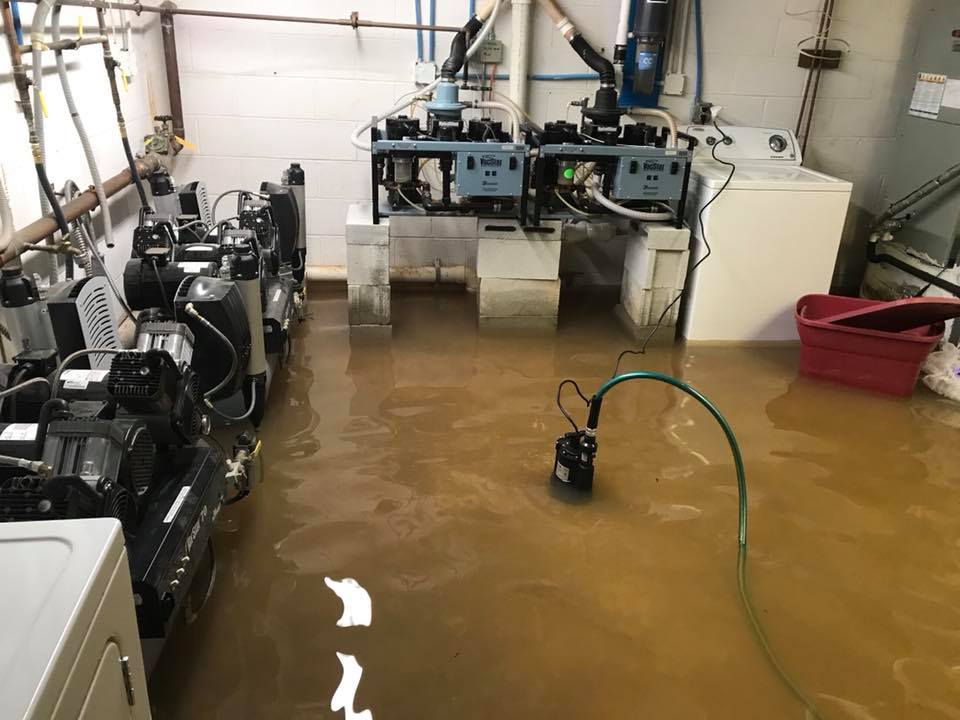
Testing while everything is still soaking wet is usually a waste. If you can see growth and you can see water, you don’t need a lab to confirm what’s in front of you. Spend that money on drying equipment instead. Air sampling in a saturated building tells you the building is wet.
Testing earns its keep in three situations:
1. The building looks dry, but something’s off. No visible growth, but there’s a musty odor, or someone in the house is reacting, or you suspect water traveled somewhere you can’t see. This is where calibrated air sampling with an outdoor control and a proper moisture inspection earn their cost — finding the problem inside a wall cavity, under flooring, or in the HVAC system before you close everything back up.
2. The insurance adjuster is questioning your claim. Adjusters respond to documentation from a licensed third party far better than to homeowner assertions. Lab-verified results from an accredited laboratory, tied to a written report with a license number on it, is evidence. If you want the detail on how Florida policies actually treat mold, I wrote a full breakdown of what your policy covers and what your adjuster needs from you.
3. The crew finished the remediation, and you need to confirm it worked. This is the big one, and it’s the one people skip.
Why Post-Storm Clearance Testing Matters More Than Usual
When preventing mold after hurricane Tampa, every restoration crew in the region is running flat out.. Most of these companies are competent and honest, but the volume itself creates risk, and the homeowner has no way to evaluate the work by looking at it.
I tested a house after Helene where contractors had already opened the walls and performed remediation. It looked finished. It wasn’t. Mold was still present, and the only reason the homeowner found out was that an independent contractor came and sampled.
That’s the case for post-remediation verification: a visual examination, air sampling compared against an outdoor control, and surface sampling where warranted, confirming that fungal ecology has returned to normal before contractors close the walls.
And it needs to be independent. If the company that performed the remediation also performs the test that grades the remediation, that’s a self-graded exam. Florida Statute §468.8419 prohibits the same licensee from performing both assessment and remediation on the same property, precisely because the incentives don’t line up. Tampa Bay Mold Testing does not perform remediation on any property, ever. That’s the entire point of how this business is structured.
What About Testing for a Permit Closeout?
Worth knowing if you pulled a permit for storm repairs: some Tampa Bay jurisdictions want documentation of environmental conditions before they’ll sign off, especially where drywall and structural work followed water intrusion. I’ve had customers come to me specifically because a building department wouldn’t close a storm permit without it. If your contractor or inspector tells you that’s required, a licensed assessor’s report is what satisfies it.
Common Mistakes with Mold After Hurricane Tampa
Throwing everything out before photographing it. Understandable, and expensive. Document first.
Closing walls back up too fast. Everyone wants normal again. But sealing a cavity that hasn’t reached dry standard buys you a much bigger problem in six months.
Relying on bleach. Bleach is mostly water, and on porous materials the water soaks in while the chlorine stays on the surface. It’s not a remediation method for structural materials.
Running the A/C on a wet system. Covered above, but it’s worth saying twice, because it’s the one that turns a two-room problem into a whole-house problem.
Assuming the restoration company’s word is verification. They may be entirely right. You just have no independent basis to know.
Waiting for symptoms. If water got in, the mold after hurricane Tampa growth timeline runs on its own schedule regardless of whether anyone feels sick
The Bottom Line on Mold After Hurricane Tampa
We’re in the part of the year when this stops being hypothetical. St. Petersburg sits on a low-lying peninsula, and between our subtropical humidity, low elevation across much of Pinellas and coastal Hillsborough, aging housing stock, and a storm season that runs through November, water intrusion here becomes a mold question faster than almost anywhere else in the country.
The sequence that works for mold after hurricane Tampa: document, extract, dry aggressively, remove what can’t be saved, then verify independently before you close things up
Need Independent Post-Storm Mold Testing?
If you’re in Hillsborough, Pinellas, Pasco, or Manatee County and need an honest assessment or post-remediation clearance, call (813) 365-1994.
Tampa Bay Mold Testing does assessment and testing only—never remediation. You will always get an unbiased, conflict-free report of what is actually in your home.
FAQs About Mold After Hurricane Tampa
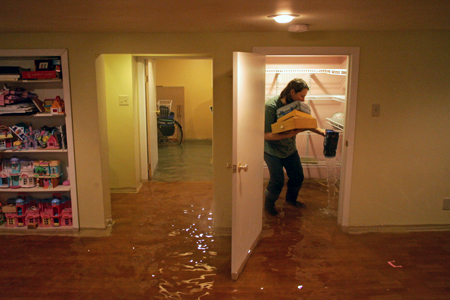
How quickly does mold grow after a flood or hurricane? Mold can begin growing on wet building materials within 24 to 48 hours. Drywall, insulation, carpet padding, and wood are especially vulnerable. In Florida’s humid climate, the process moves quickly, which is why immediate water extraction and drying matter more than anything else in the first two days.
Should I test for mold immediately after a storm?
Does homeowners insurance cover mold after hurricane Tampa?
Coverage depends on the source of the water and your specific policy. Most Florida policies include a mold sublimit, often around $10,000, separate from the water damage limit. Flood damage from storm surge generally requires separate flood insurance. Documentation from a licensed assessor with accredited lab results supports the claim.
Can I run my air conditioner after flooding?
Not if the air handler or ductwork took on water. Running a contaminated system distributes spores and debris throughout the home, including into areas that were never affected by the water. A professional must evaluate the system before you operate it again..
Do I need mold testing after remediation is finished?
Yes, and an independent assessor must perform it.. Post-remediation verification uses visual examination, air sampling against an outdoor control, and surface sampling to confirm conditions have returned to normal fungal ecology. In Florida, the same licensee cannot perform both remediation and assessment on the same property.
How far above the water line should you remove drywall?
Commonly 24 to 48 inches above the visible water line, because water wicks upward through gypsum board past where the staining is visible. The controlling factor is moisture readings, not appearance — the cut has to reach material that is genuinely dry.
Is floodwater mold more dangerous than regular mold?
Treat floodwater and storm surge as contaminated water because they can introduce bacteria and sewage alongside fungal growth. For this reason, you should remove—rather than clean—any submerged porous materials.