
By Joe Margherita, FL Licensed Mold Assessor MRSA4534, ACAC Certified Indoor Environmentalist
Yes — finding mold in air ducts and air handlers is one of the most common issues in a Florida home. The system creates exactly the conditions mold needs to grow: moisture, a steady food source, and dark, undisturbed space. The frustrating part is that this growth is almost always out of sight, circulating through equipment you never open, which is why so many St. Petersburg homeowners have a mold problem long before they ever suspect one.
I’ve spent 27 years inspecting homes across the Tampa Bay area, and HVAC systems come up again and again. Here’s how mold gets into your ducts, the warning signs worth paying attention to, and how to know for certain — without anyone trying to sell you a cleanup in the same breath.
The short answer: Mold in Air Ducts, at a glance
- AC ducts and air handlers are among the most common locations for hidden mold in Florida homes.
- Mold grows in AC systems because condensation on the cold evaporator coil provides moisture, and dust in the ducts provides a food source.
- The most common warning sign of mold in air ducts is a musty smell that appears when the air conditioner turns on.
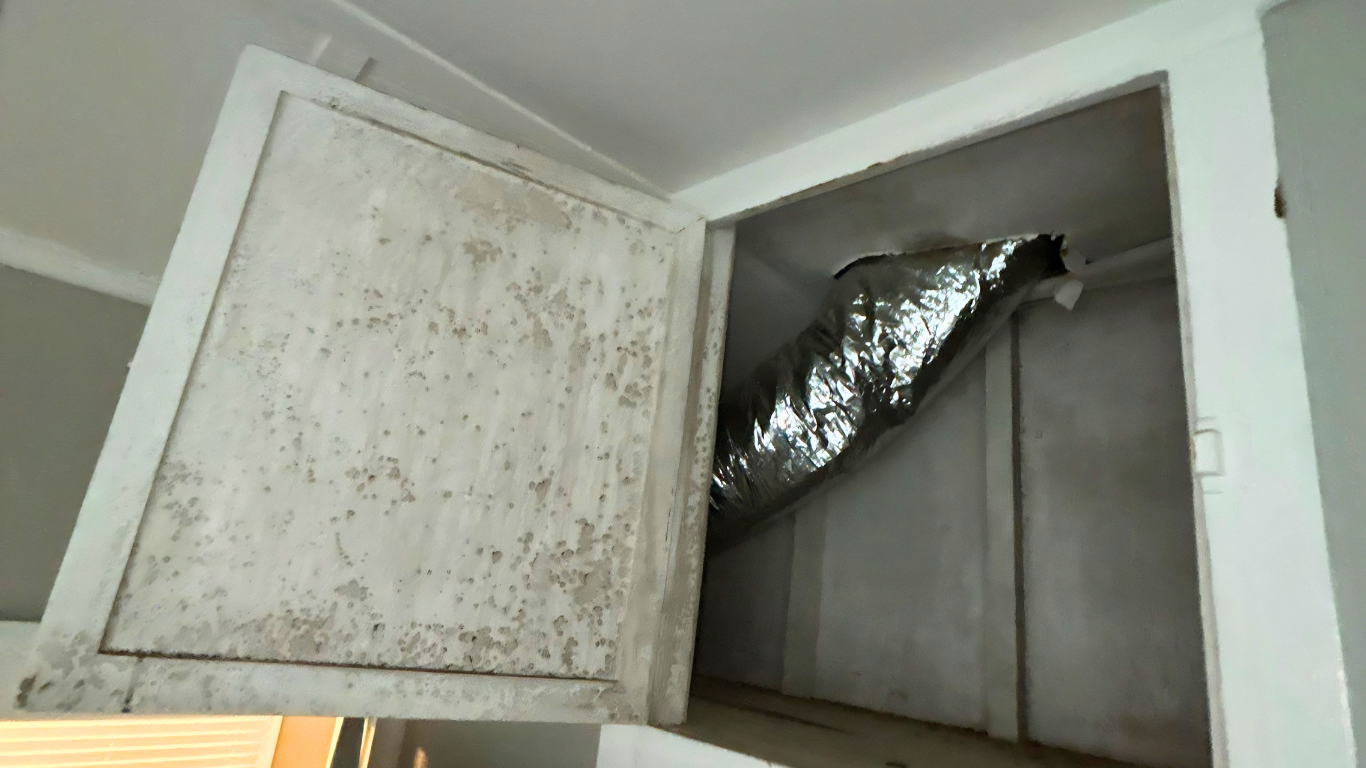
- Duct mold is usually invisible because it grows inside the air handler and the duct runs, so air sampling is the reliable way to confirm it.
- Duct cleaning is not the same as a mold assessment: an independent assessment tests and reports the facts without selling a remediation or cleanup.
- The presence of mold in air ducts most commonly causes respiratory irritation and worsens existing allergy or asthma symptoms; serious illness from household mold is extremely rare.
- In Tampa Bay’s older neighborhoods, many homes still have aging fiberglass duct board, which cannot be cleaned effectively and should be replaced.
Why your AC system is a mold magnet in Florida
The mechanism is simple physics, and it runs in your favor about nine months out of the year here.
Your air handler pulls warm, humid Florida air across a cold evaporator coil. That temperature difference produces condensation — the same way a glass of iced tea sweats on a summer afternoon. That moisture is supposed to drain away through a condensate pan and drain line. When the pan stays wet, the drain line clogs, or the system short-cycles and never fully dries, you’re left with standing moisture inside the equipment.
Add the second ingredient: dust. Ductwork accumulates fine organic dust over time — skin cells, fibers, pollen, ordinary household debris. That dust is food. Put moisture and a food source together in the dark, conditioned interior of a duct run, and you have a textbook environment for mold to colonize.
In a drier climate, this rarely amounts to much. In Tampa Bay, where humidity stays high and the AC runs hard for most of the year, it’s a recurring story rather than a rare one. The system that keeps your home comfortable is also the one most likely to harbor hidden growth.
The three types of ductwork in Tampa Bay homes
| Duct Type | Pros | Cons | Mold Risk / Fix |
| Fiberglass Duct Board | Good insulation, quiet operation. | Porous interior traps dust and moisture. | High Risk. Cannot be cleaned; must be replaced. |
| Flex Duct | Inexpensive, easy to route, smooth liner. | Tears easily, sags, restricts airflow. | Moderate Risk. Usually replaced rather than cleaned. |
| Sheet Metal (Tin) | Durable, smooth, non-porous interior. | Poor insulation, can sweat/corrode, noisy. | Lower Risk. Can usually be safely cleaned. |
The practical takeaway: if you have fiberglass duct board and there’s mold in the system, cleaning isn’t a real fix — and any company telling you otherwise has a reason for saying so.
What your St. Pete or Tampa neighborhood says about your ducts
After 27 years doing this, I can usually guess what I’ll find before I open the air handler — and a big part of that guess is the neighborhood. Pulling up to a 1920s bungalow in Historic Kenwood, I’m expecting something very different from a new build out in Odessa.
Some of St. Petersburg’s most beloved neighborhoods are also its oldest. Historic Kenwood, the Old Northeast, and Roser Park were largely built in the early decades of the 1900s — well before central air conditioning was standard. That means their AC systems and ductwork were added later, and in many of these homes that retrofit happened decades ago. Shore Acres came along afterward, developed mainly in the mid-century waterfront boom of the 1950s and ’60s. What ties them together is aging duct systems, and a great deal of it is the old fiberglass duct board I described above — the kind that can’t and shouldn’t be cleaned, only replaced.
Tampa’s Historic Core vs. Newer Builds
The same pattern holds across the bay in Tampa’s historic core. Hyde Park, Tampa Heights, Ybor City, and Seminole Heights are among the city’s oldest neighborhoods, full of character homes whose duct systems have often been in place — and quietly accumulating debris — for a very long time.
Newer areas tell a different story. Builders constructed much of Palm Harbor, Odessa, Safety Harbor, and the newer South Tampa homes decades later. These properties typically use flex duct, which seals the insulation securely inside plastic. This smooth liner traps far less dust and moisture.
South Tampa presents a unique mix. Historic pockets like Hyde Park keep their original charm, while developers constantly tear down older blocks to install brand-new systems. Of course, newer doesn’t mean immune. Flex duct still develops problems if physical damage crushes it or a leaking air handler feeds it moisture. However, with older ducts, you almost always need a full replacement rather than a simple cleaning.
This is exactly why an independent assessment matters more than a cleaning quote: someone has to tell you which situation you’re actually in.
The warning signs homeowners actually notice
You generally won’t see duct mold — it’s inside the equipment and the runs. But the system tends to announce itself in other ways:
- A musty smell when the AC kicks on. This is the one I hear about most. The air sits still in the ducts, then the blower pushes it into the room, carrying the odor with it. If your home smells earthy or musty specifically when the system cycles on, that’s worth taking seriously.
- The smell is stronger near the vents. If you can stand under a supply register and notice it’s worse there than across the room, the source is likely in the airflow path.
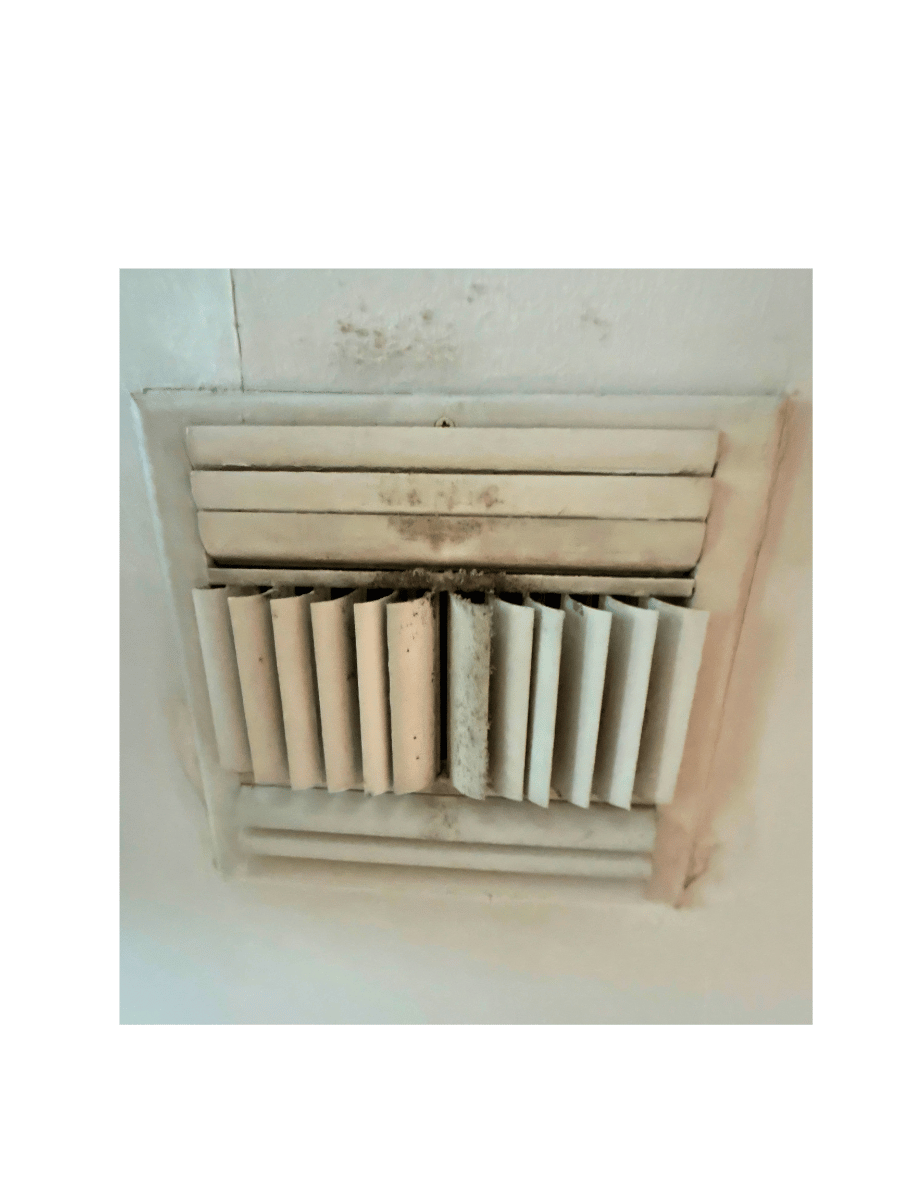
- Dark specks or staining around supply registers. Discoloration on or around the vent covers can be debris—but it can also be growth pushing out of the duct.
- Symptoms that ease when you leave the house. Congestion, irritated eyes or throat, or allergy-type symptoms that quiet down when you’re away and return when you’re home can point to something in the air you’re breathing indoors.
None of these confirms mold on its own. A clogged drain or dirty filter causes plenty of musty smells. But together they’re a reasonable signal that the system is worth a closer look.
Can mold in your air ducts make you sick?
It can contribute to health complaints, though it’s important to keep this in proportion. For most people, the realistic effects are respiratory irritation and the aggravation of existing conditions — more sinus congestion, more coughing, worse allergy and asthma symptoms. People who are sensitized to mold, along with children, older adults, and anyone with a compromised immune system or chronic respiratory condition, tend to react more than others.
What I want to steer you away from is the alarmist framing you’ll find all over the internet. Serious illness from household mold exposure is extremely rare, and a duct system with some growth is a problem to address calmly, not a crisis. The honest answer is that mold in your ducts can degrade the air you breathe and make sensitive people feel worse. The right response is to find out whether it’s actually there and how significant it is. Do not panic.
Because your ducts move the air through your entire home, a duct issue is really an air-quality issue. If you want to go deeper on what’s in the air you’re breathing and how it’s evaluated, our indoor air quality testing page walks through it in detail.
Why “duct cleaning” isn’t the same as a mold assessment
This is where I have to be direct, because it’s where homeowners most often get steered wrong.
You’ve seen the ads for $79 duct cleaning specials. Some of those companies do honest work. However, you must understand the built-in incentive. A company selling a cleaning service has a financial reason to find a problem.
My approach, like any independent assessor’s, is different. I test, and I report. You will never get a sales pitch for remediation or duct cleaning from me. Because of this strict separation, I have no financial stake in your results either way. If your ducts are clean, my report says so. If there’s a problem, my report documents exactly what it is, where it is, and which species — and you take that to whatever contractor you choose, on your terms.
That separation is the whole point. An assessment tells you the truth about your system. A cleaning specialist sells you a service. They are not the same thing, and you shouldn’t pay for the second one until you’ve gotten the first
How an assessor actually checks the system
A proper assessment of an HVAC system isn’t mysterious. Here’s what it involves:
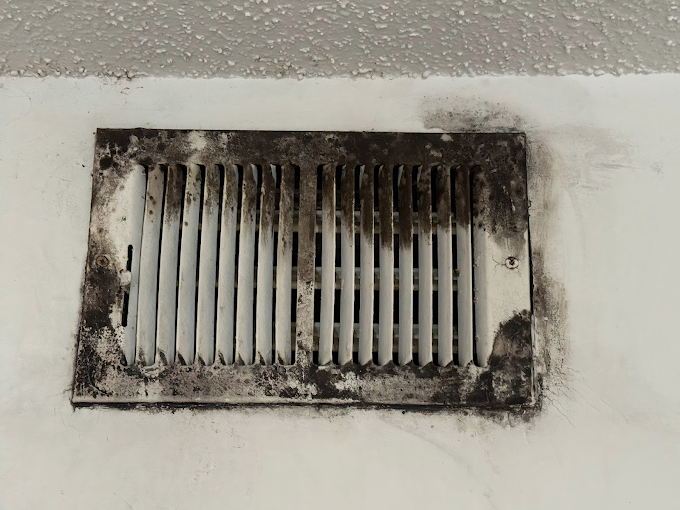
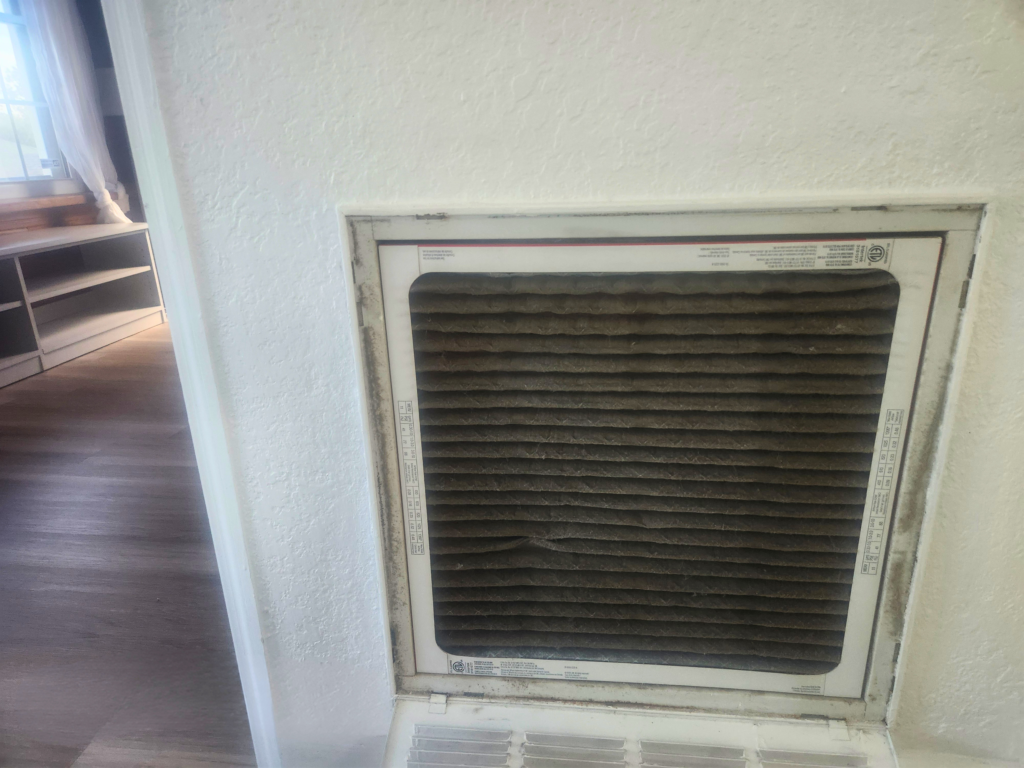
- A visual inspection of the air handler, the condensate pan and drain, the coil area, and the accessible portions of the duct runs — looking for moisture, staining, and visible growth.
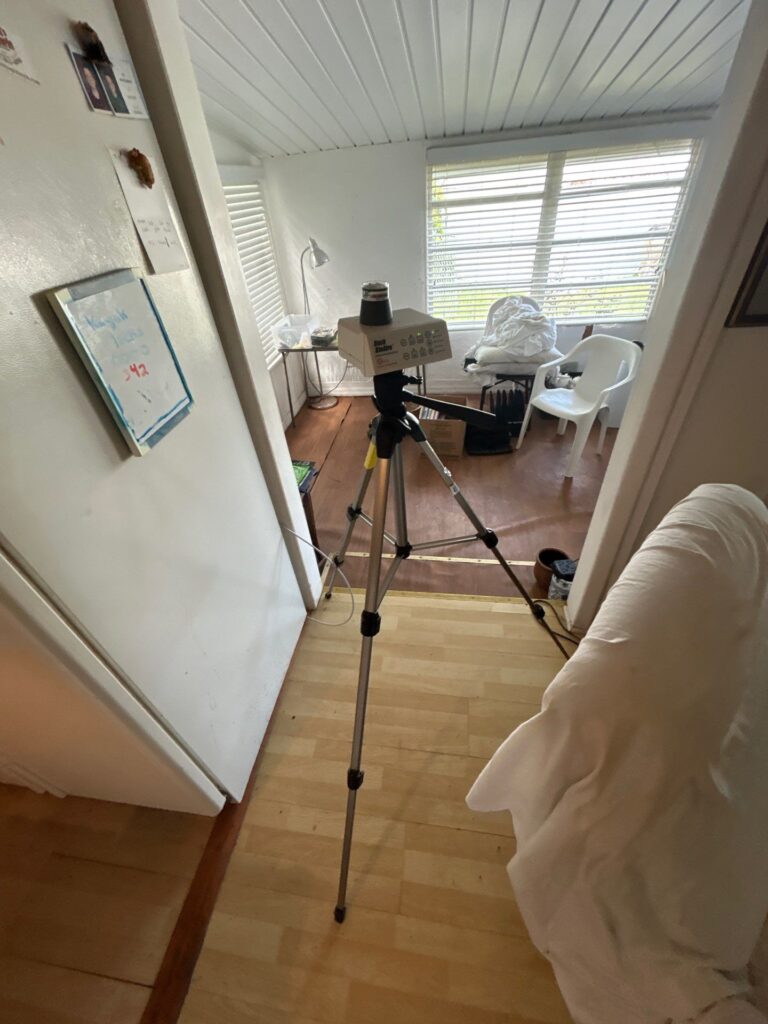
- Air sampling, using a calibrated pump to capture airborne spores. I always pull an outdoor control sample at the same time because indoor numbers only make sense relative to the baseline outside your home.
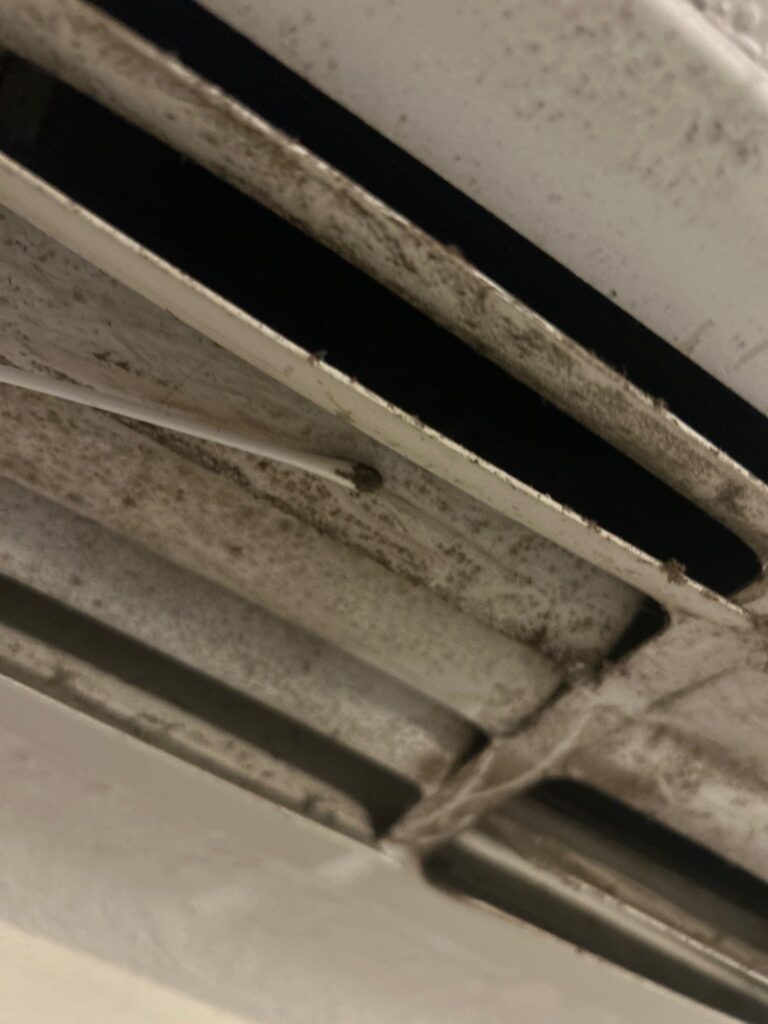
- Surface sampling where it’s warranted — a swab or tape lift on visible growth or staining to confirm what it is and identify the species.
- Independent lab analysis through an accredited laboratory, with a clear written report that translates the findings into plain language and tells you what they actually mean.
- That’s it. No upsell, no scare tactics — just a factual picture of what’s in your system and your air.
What to do if you suspect duct mold in St. Petersburg
If your AC smells musty when it runs, if it’s worse at the vents, or if someone in the house feels better away from home, the move is to find out for certain rather than guess. Tampa Bay Mold Testing provides independent, in-home mold inspection and indoor air quality testing throughout St. Petersburg and the greater Tampa Bay area — testing and reporting only, never a sales pitch for a cleanup.
We come to you, evaluate the system, sample the air, and provide a lab-backed report you can act on. If you’re in St. Pete and your AC has you wondering, reach out and we’ll get you a clear answer.
Frequently asked questions
Should I run my AC if I think there’s mold in the ducts?
If you strongly suspect active growth, it’s reasonable to limit system operation until an assessor evaluates it, since the blower can distribute spores throughout the home. That said, in Florida’s heat, shutting the AC off entirely can raise indoor humidity and make a moisture problem worse. The better path is to get it tested promptly rather than guess — that way you’re making the call based on facts, not fear.
Does duct cleaning remove mold?
Cleaning can remove dust and debris. However, if an underlying moisture problem feeds the growth, cleaning alone won’t stop it from returning. The growth returns because the conditions that caused it remain. That’s why I recommend identifying whether mold is actually present and what’s driving it before paying for any cleaning service.
How much does AC mold testing cost?
Testing cost depends mainly on the size of the property and the number of samples collected. You can see a full breakdown in our guide to mold testing costs in Tampa Bay. We provide upfront pricing before any inspection begins.
Can I see mold in my air vents?
Sometimes. You may notice dark specks or staining around the supply registers, which can be growth being pushed out of the duct. But the bulk of any growth is usually inside the air handler or the runs, out of view — which is exactly why air sampling matters. The absence of anything visible at the vent doesn’t mean the system is clean.
Can fiberglass ductwork be cleaned?
No. Fiberglass duct board has a porous interior surface that traps dust and moisture, and trying to clean it erodes the material and releases fibers into the air. When mold contaminates fiberglass ducts, you must replace them, not clean them. Smooth-surfaced ductwork, such as sheet metal, can be cleaned; porous fiberglass cannot. You will find this commonly in older St. Petersburg and Tampa neighborhoods where the original duct systems are still in place.
Mold and indoor air quality can be sensitive subjects, and every property is different. This article is general information, not a diagnosis of your specific home. If you have health concerns you believe may be related to your indoor environment, speak with a medical professional.
Joe Margherita

FL Licensed Mold Assessor MRSA4534
ACAC Certified Indoor Environmentalist
Tampa Bay Mold Testing