By Joe Margherita, FL Licensed Mold Assessor MRSA4534, ACAC Certified Indoor Environmentalist
A certified mold inspector brings state-licensed expertise, professional diagnostic equipment, and independent lab-verified results that no DIY test kit, general home inspector, or uncertified contractor can match. At Tampa Bay Mold Testing, mold inspection and indoor air quality testing is all we do — it’s not an add-on service, a side offering, or a lead generator for remediation work. It’s our sole focus, and that specialization is what allows us to deliver the level of thoroughness and objectivity that Tampa Bay homeowners, real estate professionals, and insurance adjusters rely on.
What a Certified Mold Inspector Provides
- Infrared thermal imaging and moisture detection to locate hidden water intrusion behind walls, ceilings, and floors without any demolition.
- Calibrated air and surface sampling sent to an accredited third-party laboratory for species identification and spore concentration analysis.
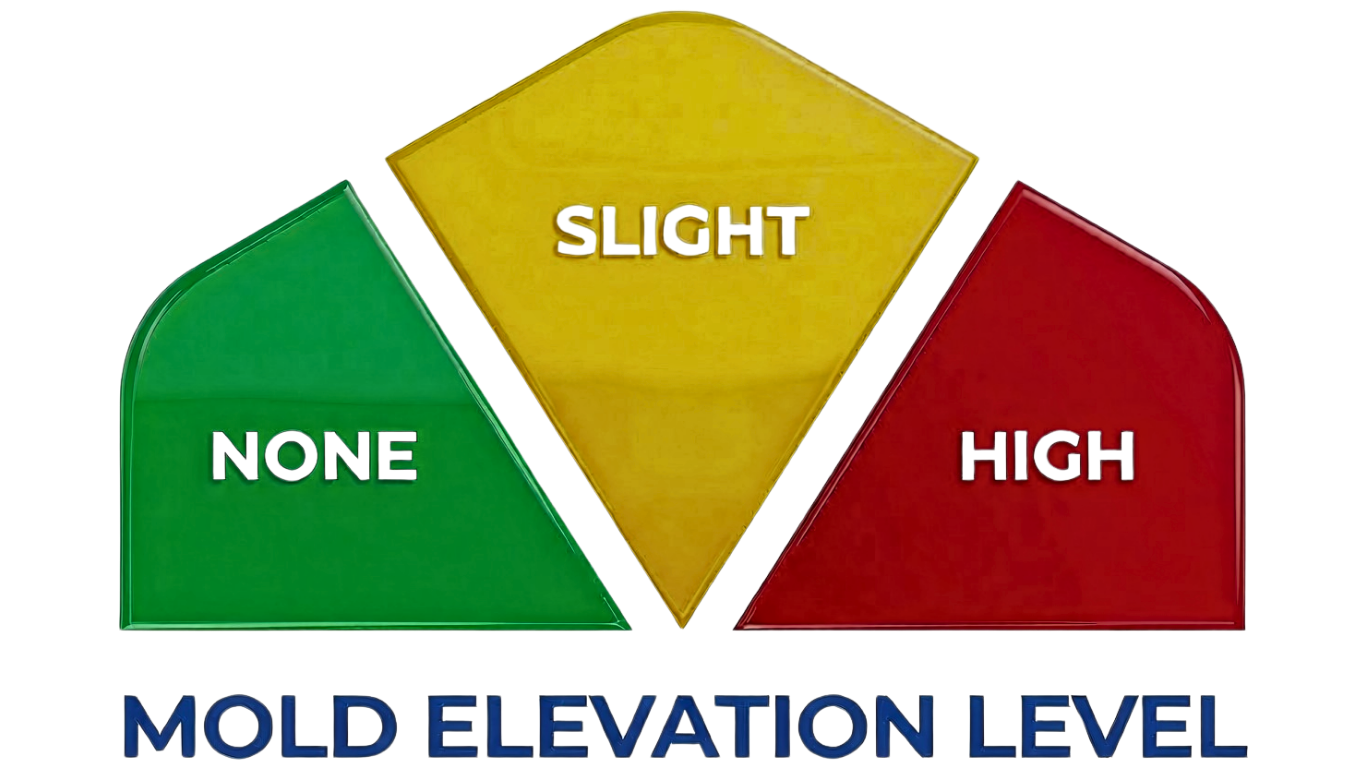
- Outdoor baseline comparison to determine whether indoor mold levels are elevated above what’s normal for your Tampa Bay neighborhood.
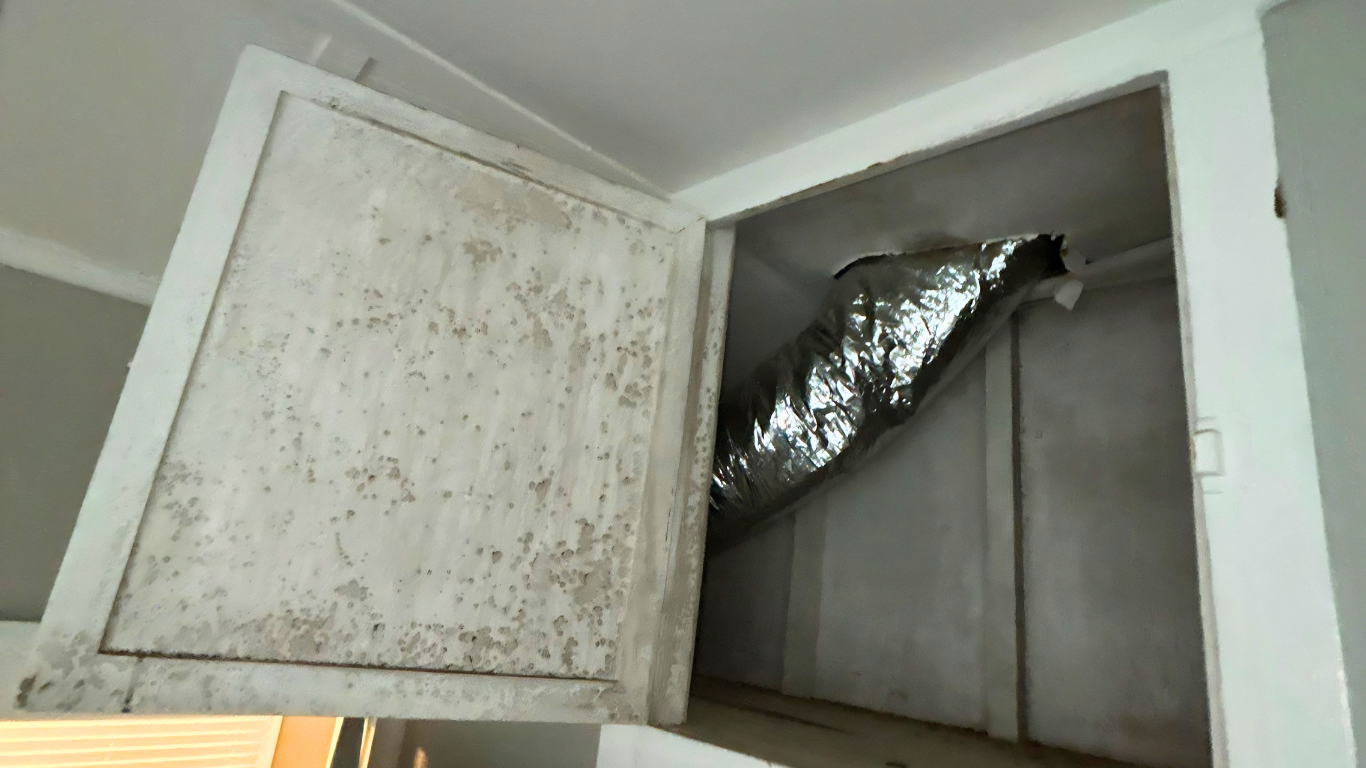
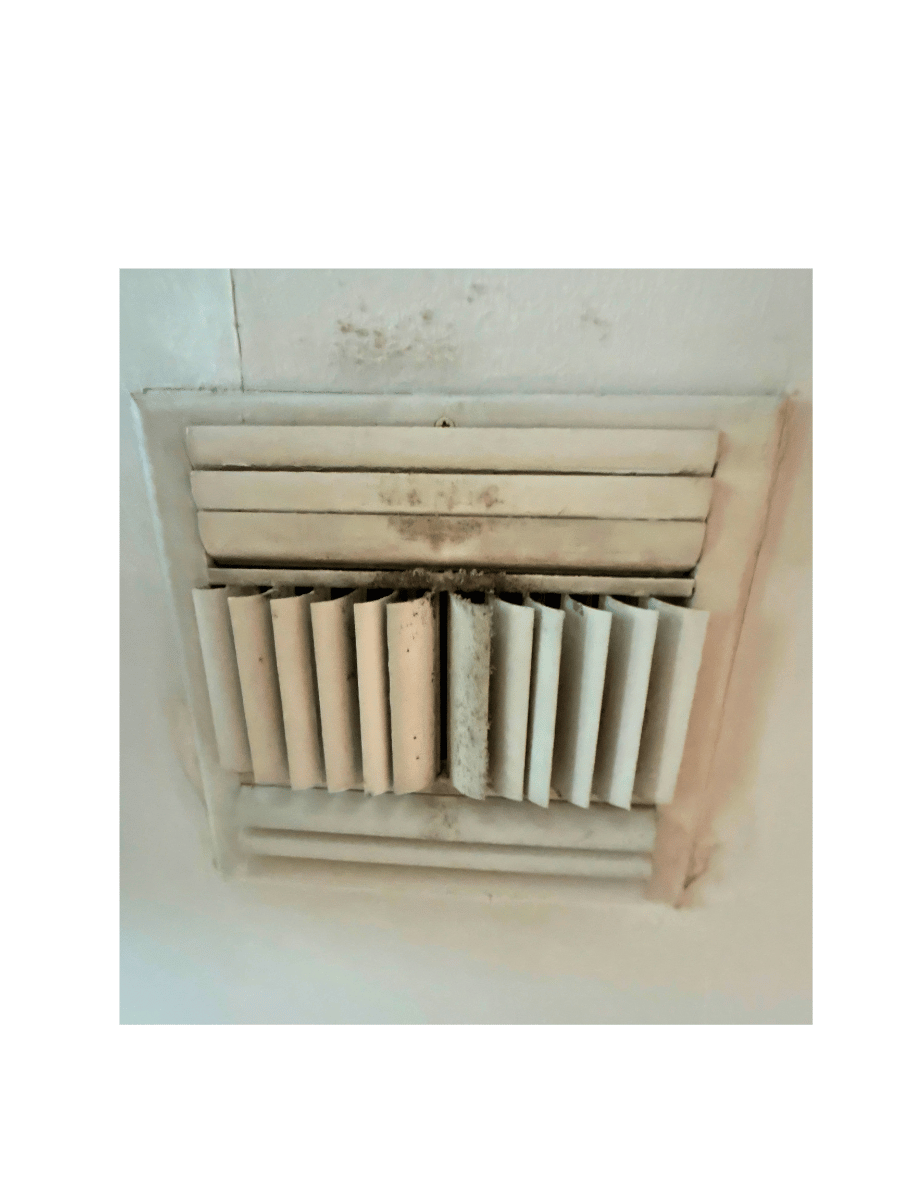
- A detailed written report with lab results, annotated photographs, moisture readings, and a clear interpretation of what the findings mean.
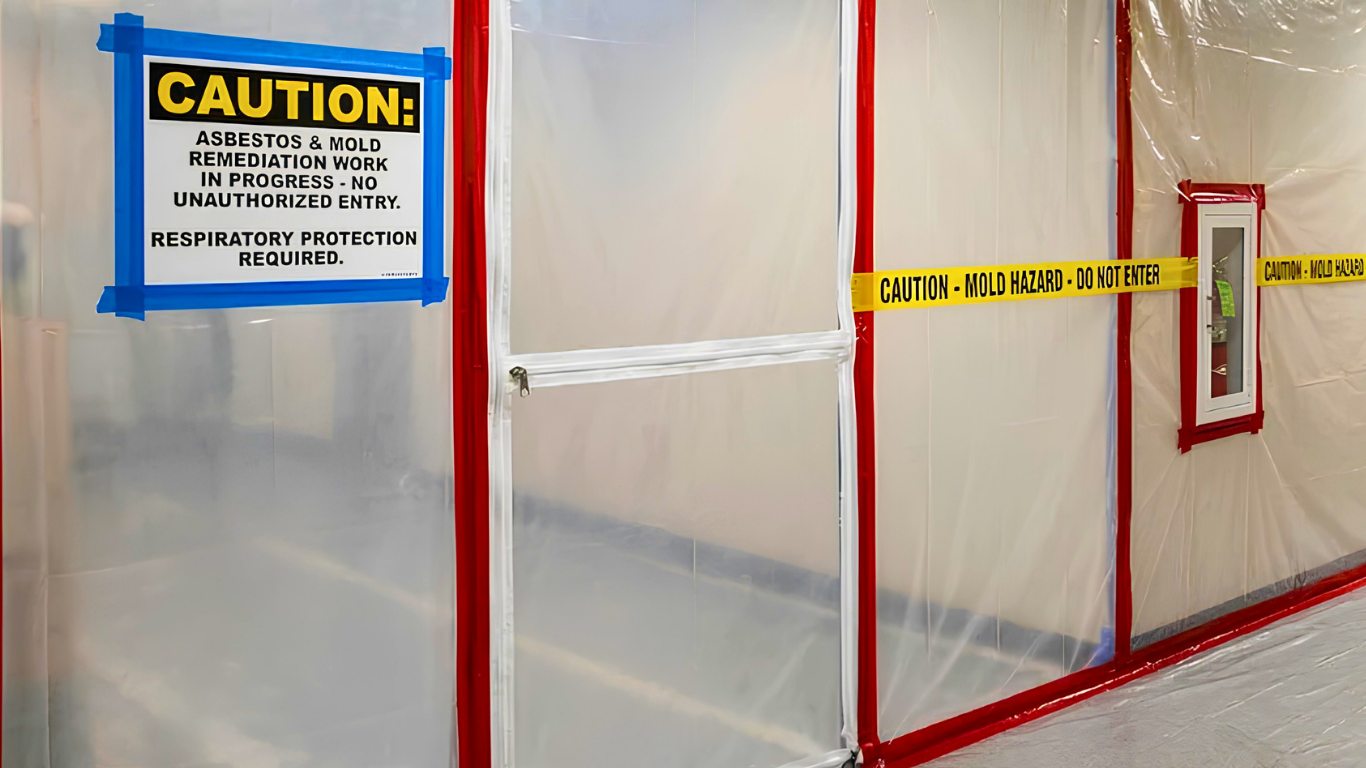
- A remediation protocol — the written set of instructions a restoration company follows for safe, effective mold removal, including containment procedures, material removal scope, disposal methods, and protective measures.
- Post-Remediation Verification (PRV) — independent testing performed after the restoration company finishes work, confirming they followed proper procedures and that your home is safe to occupy.
Why Certification Matters in Florida
• Florida law requires anyone performing a mold assessment to hold an MRSA license issued by the Department of Business and Professional Regulation — a separate credential from a home inspector’s license with its own state exam, documented training, and field experience requirements
• Licensed mold assessors must carry a minimum of $1 million in general liability and errors and omissions insurance and complete 14 hours of continuing education every two years
• Florida Statute 468.8419 prohibits the same company from performing both the mold assessment and the remediation on the same property — eliminating the conflict of interest that arises when one company profits from both the diagnosis and the cleanup
• Only a licensed mold assessor can write the remediation protocol that tells the restoration company exactly what to do — a home inspector or uncertified inspector cannot produce this document
• Only an independent assessor should perform the PRV — the restoration company should never be the one verifying their own work
Certified Assessor vs. “Free” Remediation Inspections
| Feature | State-Licensed Mold Assessor (Independent) | Remediation Company (“Free” Inspection) |
| Primary Goal | Scientific testing and unbiased documentation. | Selling a costly teardown and cleanup project. |
| Legality | Fully compliant with FL Dept. of Business & Professional Regulation. | Illegal under FL Statute 468.8419 to perform both assessment and remediation on the same property. |
| Documentation | Provides a legally defensible lab report and protocol. | Usually just a verbal quote or a basic estimate |
When to Call a Certified Mold Inspector
• You notice a persistent musty odor that cleaning doesn’t resolve
• Anyone in your household is experiencing respiratory symptoms, headaches, or allergies that improve when they leave the house
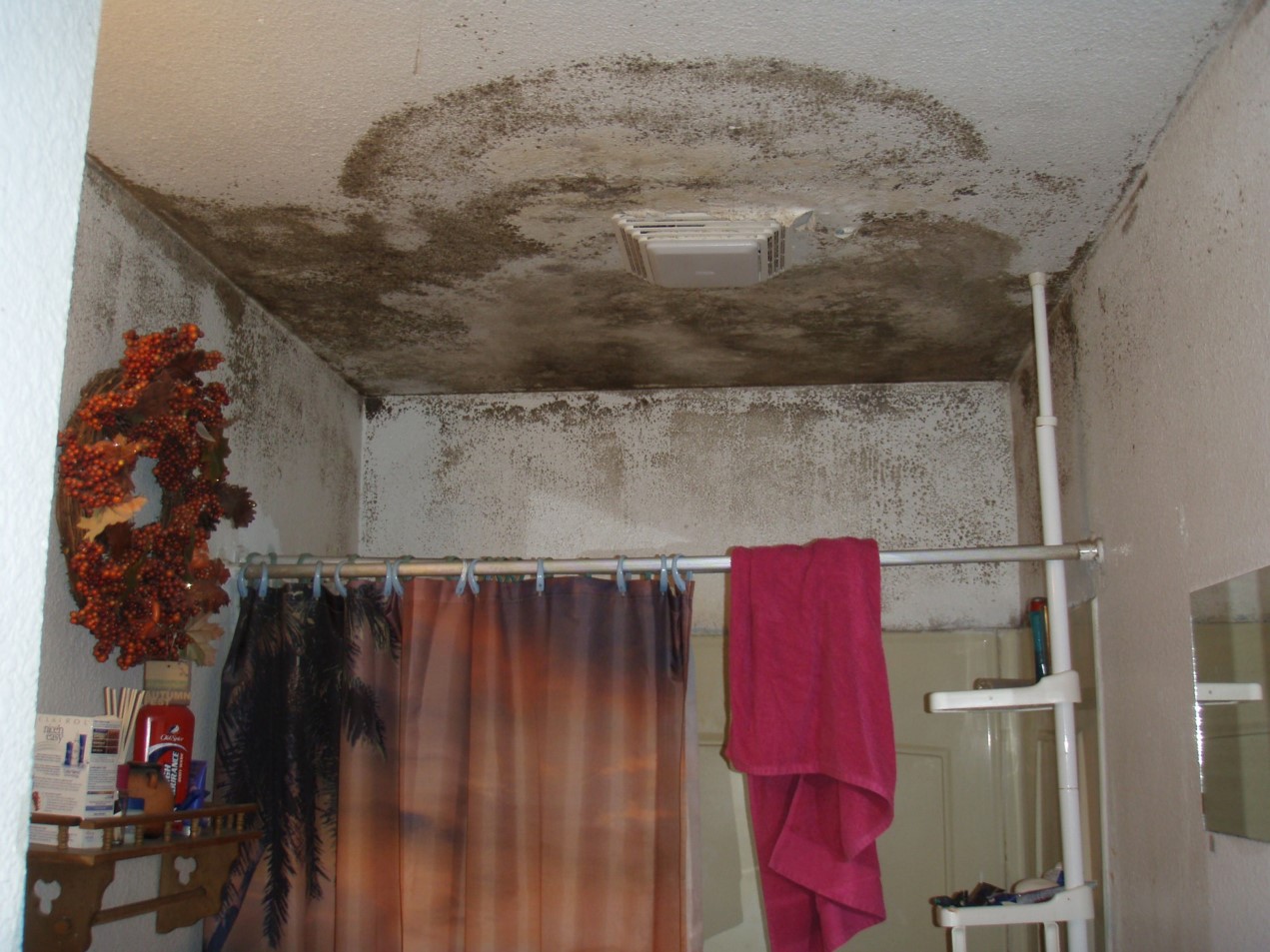
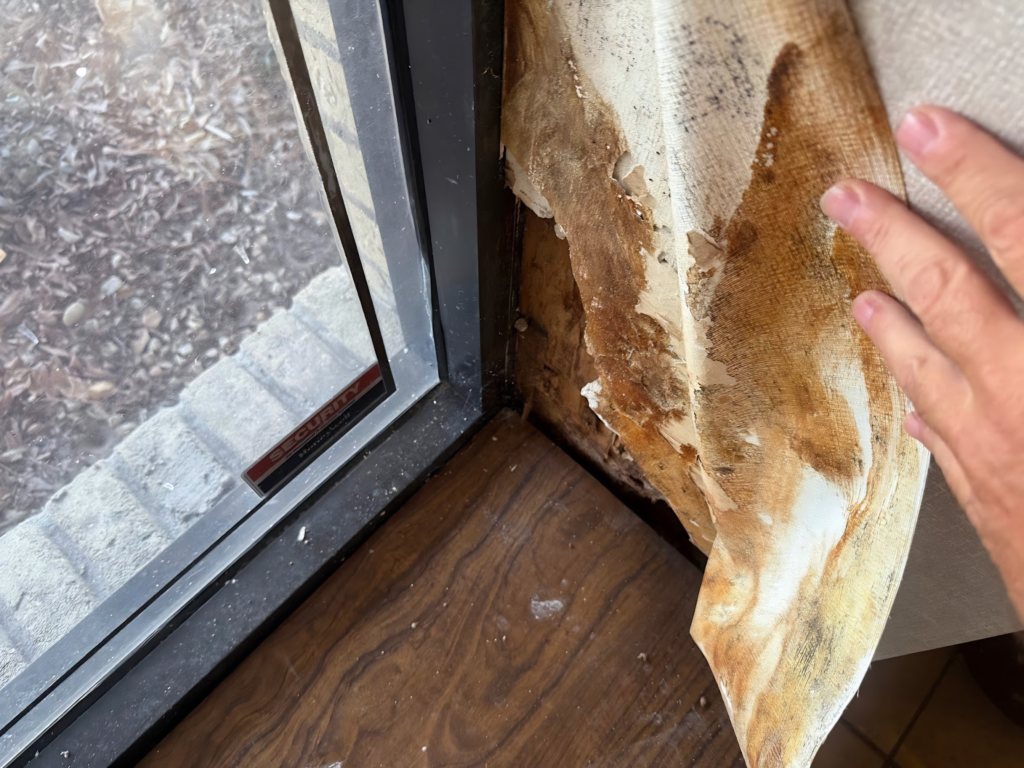
• Your home has had water damage from a leak, burst pipe, appliance failure, or storm
• You’re buying or selling a home and want independent documentation of the property’s mold conditions
• You’re about to begin remediation and need the protocol that guides the restoration company’s work
• Remediation is complete, and you need a PRV to confirm the home is safe before reoccupying
• You’re filing an insurance claim and need professional documentation that your adjuster will accept
Independent Testing. Lab-Verified Results. 24-Hour Turnaround.
How Much Does a Certified Mold Inspection Cost in Tampa Bay?
A professional, independent mold assessment starts at $450. This fee covers the on-site inspection using advanced thermal and moisture diagnostics, the collection of physical samples, third-party laboratory fees, and the creation of your legally defensible report and remediation protocol. Because we only do testing, not remediation, you are paying for absolute objectivity. We have no financial incentive to find problems that aren’t there.
Frequently Asked Questions
How long does a mold inspection take?
A standard Tampa single-family home or condo inspection usually takes 1.5 to 2 hours. This gives us enough time to perform visual assessments, moisture mapping, and take the necessary air or surface samples without rushing.
Do I need an inspector if I already see the mold?
Yes. Seeing the mold is only half the battle. You need a licensed assessor to identify the hidden moisture source, legally document the extent of the damage for insurance claims, and write the required protocol so the remediation company knows exactly what to remove.
Can a regular home inspector test for mold in Florida?
Not legally, unless they also hold an active MRSA (Mold-Related Services Assessor) license issued by the state. General home inspection licenses do not cover professional mold assessment or protocol writing.
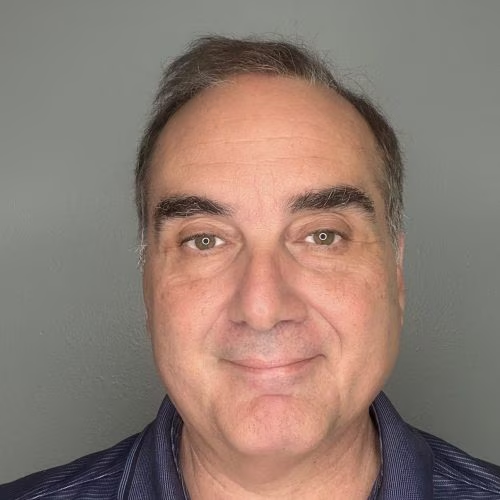
Joe Margherita
FL Licensed Mold Assessor MRSA4534
ACAC Certified Indoor Environmentalist
Tampa Bay Mold Testing