Color-Safe Ceilings: Environmental Mold Inspection and Mold Detection
On a quiet Tuesday morning in St. Petersburg, a local boutique owner noticed faint yellow shading spreading across her crisp white ceiling tiles. She assumed it was an old roof leak staining through the paint. By the time customers began complaining about musty odors and headaches, it was clear this was more than a cosmetic issue. Hidden mold had taken hold above her “color-safe” ceiling—and it was impacting her business, her staff, and her customers’ health.
In humid coastal cities like St. Petersburg, mold is not just a maintenance problem; it’s a risk to indoor air quality, building materials, and even brand reputation. The Florida Department of Health estimates that a significant portion of indoor environmental complaints are related to moisture and mold, and local insurance carriers report mold as a major driver of commercial property claims in the Tampa Bay area.
This guide walks St. Petersburg property owners and managers through how environmental mold inspection, modern Mold Testing, and air quality monitoring protect ceilings, finishes, and—most importantly—the people inside your building. You’ll learn how to read the early signs, what professional diagnostics actually measure, and how to make smart, data-based decisions before stains and odors turn into structural damage and liability.
Key Insight: The color of your ceilings can hide what your building is breathing. Environmental mold inspection and testing reveal what paint and tiles can’t—giving you a clear, actionable picture of your indoor environment.
Beyond Stains: What Your Ceilings Are Telling You About Indoor Air
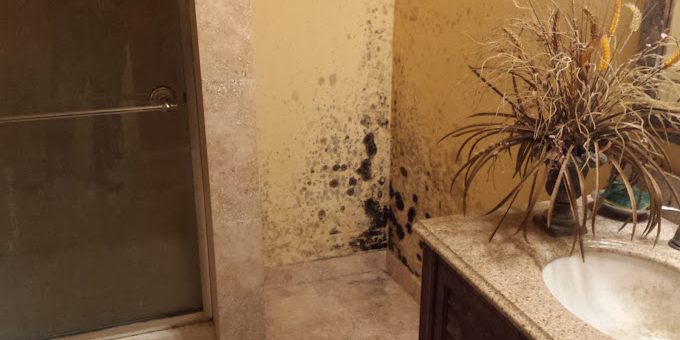
Ceiling tiles, drywall, and paint are often the first places that show visible signs of moisture problems. Yet by the time you see discoloration, the underlying issue has usually been present for weeks or months. In St. Petersburg’s warm, humid climate, that’s more than enough time for mold to colonize hidden surfaces above drop ceilings, inside wall cavities, and along HVAC ductwork.
Common early warning signs include:
- Subtle yellow or brown “shadows” around vents or light fixtures
- Slight warping or sagging in ceiling tiles
- Persistent musty odors, especially after rain or AC cycles
- Increased dust or irritation for occupants with allergies
“Visible mold growth is often the tip of the iceberg. The real story is in the air and behind the surfaces.” — Building Science Consultant
A recent case in downtown St. Pete involved a second-floor professional office where staff reported brain fog and sinus irritation. The ceilings looked mostly clean, aside from a few light stains. An environmental assessment uncovered elevated spore counts from hidden growth above the tiles and around HVAC supply lines. Without a structured Indoor Air Quality Testing plan, the problem might have been dismissed as “seasonal allergies.”
Understanding that ceilings act as both a visual indicator and a containment surface sets the stage for a more thorough, science-based approach to mold detection.
Environmental Mold Inspection: Looking Above and Beyond the Surface
A true environmental mold inspection goes far beyond pointing at visible spots and suggesting bleach. It’s a structured building investigation grounded in building science, moisture dynamics, and health-oriented standards like those from the IICRC and AIHA.
For St. Petersburg commercial properties, a thorough inspection typically includes:
- Visual assessment of ceilings, walls, and flooring
- Moisture mapping of roofing, attic, and ceiling assemblies
- Evaluation of HVAC systems, including HVAC Mold Inspection components
- Temperature and relative humidity measurements over time
- Identification of suspect materials (ceiling tiles, insulation, drywall)
A local multi-tenant medical building near Tyrone Square offers a clear example. Staff noticed intermittent ceiling spots after storms, which maintenance repeatedly painted over. A detailed environmental mold inspection later revealed:
- Roofing penetrations allowing wind-driven rain into insulation
- Condensation forming on cold supply ductwork above ceiling tiles
- Microbial growth on the backside of tiles and on dust-laden duct insulation
Because the inspection was structured as part of broader Mold Inspection Services, each finding was documented with photos, moisture readings, and a risk assessment. That allowed the property manager to prioritize repairs, schedule remediation, and plan future monitoring rather than reacting each time a new stain appeared.
CALLOUT: A comprehensive environmental inspection connects three critical dots: moisture sources, building materials, and occupant exposure. Without that connection, mold “solutions” are often temporary at best.
By anchoring the inspection in environmental conditions, not just visible mold, St. Petersburg businesses gain a clearer roadmap for both immediate fixes and long-term prevention.
Modern Mold Testing: Data That Goes Beyond Color and Odor
Once an inspection identifies areas of concern, the next step is targeted testing. Modern Professional Mold Testing is designed to answer three key questions:
1. Is mold present at levels above normal background for this type of building?
2. What types of mold are present, and do they include toxigenic species?
3. Are occupants likely to be inhaling elevated spores or fragments?
In St. Petersburg, where outdoor mold levels can be naturally high, this comparison is crucial. Simply finding mold spores indoors doesn’t mean there’s a problem; it’s the type, concentration, and pattern that matter.
Common testing methods include:
- Air sampling: Captures spores in occupied spaces and above ceilings
- Surface sampling: Tape lifts or swabs from stained tiles, drywall, or HVAC components
- Bulk sampling: Sections of materials sent for lab analysis when necessary
A local restaurant near Central Avenue faced recurring “ghost stains” on ceiling tiles above the kitchen and seating area. The owner was concerned about black mold but hesitant to shut down operations. Targeted Toxic Mold Testing showed:
- Elevated spore counts above the ceiling, but normal levels in dining areas
- Presence of water-damage indicator molds, but no Stachybotrys (often associated with “black mold”)
- Clear link between cooking humidity, inadequate ventilation, and condensation
This data-driven approach allowed focused remediation above the ceiling while the restaurant remained open, combined with improved ventilation to prevent recurrence.
“Numbers alone don’t solve problems. Interpretation and context turn lab data into decisions.” — Environmental Health Specialist
Modern testing transforms mold from a vague fear into measurable, manageable risk—especially valuable for businesses that need documentation for insurers, tenants, or corporate stakeholders.
Air Quality Monitoring: Protecting People, Not Just Surfaces
St. Petersburg’s business community relies heavily on indoor comfort. From co-working spaces and medical offices to waterfront condos and retail, people expect clean, odor-free air. That makes ongoing Air Quality Monitoring an important layer of protection, especially for buildings with a history of moisture issues.
While one-time mold testing offers a snapshot, indoor air quality monitoring adds a timeline. It can track:
- Particulate levels (including dust and potential spore fragments)
- Temperature and humidity, which influence mold growth potential
- Volatile organic compounds (VOCs) from cleaning products, paints, or materials
- CO₂ levels that can indicate ventilation adequacy
A tech firm leasing space near the St. Petersburg Innovation District noticed employees complaining more on Monday mornings—stuffy air, mild headaches, and fatigue. A single mold test came back inconclusive. However, ongoing indoor environmental monitoring revealed:
- Relative humidity spiking over 65% on weekends when HVAC setbacks were too aggressive
- CO₂ levels rising quickly in conference rooms during meetings
- Dust accumulation in supply vents due to missed filter changes
By adjusting HVAC runtimes, improving filtration, and scheduling routine checks, the company saw complaints drop and productivity rebound. Mold risk decreased not because spores vanished overnight, but because the environment became less hospitable to growth.
CALLOUT: Mold thrives on opportunity—elevated humidity, stagnant air, and condensation. Air quality monitoring helps you see those opportunities before mold does.
For St. Petersburg businesses, especially those with sensitive populations (medical offices, childcare centers, senior living), coupling Indoor Air Quality Testing with periodic follow-up monitoring offers both peace of mind and a defensible record of due diligence.
Residential vs. Commercial Mold Detection: Different Buildings, Same Science
The principles behind Residential Mold Testing and commercial mold evaluations are the same—moisture + organic material + time = risk. But the strategies, logistics, and stakes often differ.
Here’s how a modern approach compares across settings:
| Aspect | Residential Home Mold Detection | Commercial Mold Testing in St. Petersburg |
|---|---|---|
| Primary Concern | Family health, property value | Occupant health, liability, business continuity |
| Typical Triggers | Odors, visible spots, health complaints | Multiple complaints, lease obligations, audits |
| Access Challenges | Attics, crawlspaces, behind furniture | Above ceilings, mechanical rooms, tenant spaces |
| Documentation Needs | Real estate, insurance, personal records | Corporate risk, regulatory, insurer requirements |
| Testing Scope | Focused on living areas and HVAC | Multiple zones, common areas, shared systems |
| Scheduling Constraints | Flexible, homeowner-driven | After-hours/ weekend to avoid disruption |
In one St. Pete neighborhood near Crescent Lake, two very different projects shared a common cause: wind-driven rain entering through poorly sealed roof penetrations.
- A homeowner noticed peeling paint and faint spotting on a bedroom ceiling. Targeted Home Mold Detection and moisture mapping led to a small, localized repair and minor remediation.
- A nearby commercial property with drop ceilings saw similar stains across several tenant spaces. Commercial Mold Testing required coordination with multiple businesses, after-hours access, and more extensive documentation to satisfy a national landlord and their insurer.
“Different buildings, same physics. The key is adapting the process to the people, operations, and risks inside.” — Building Performance Analyst
Whether it’s a single-family home or a multi-story office tower, the goal remains the same: identify the source, measure the impact, and restore a safe, healthy indoor environment.
Traditional “Quick Fixes” vs. Modern Environmental Management
Many St. Petersburg property owners have tried the traditional approach: replace the stained tile, repaint the ceiling, maybe spray a “mold killer,” and hope for the best. While this might buy a little time, it rarely addresses the environmental conditions that allowed mold to grow in the first place.
Here’s how traditional patchwork compares to a modern environmental management strategy:
| Approach Type | Traditional Response | Modern Environmental Management Services |
|---|---|---|
| Primary Focus | Aesthetics (remove stains, odors) | Root causes (moisture, ventilation, materials) |
| Typical Actions | Paint, tile replacement, deodorizers | Inspection, testing, remediation plan, monitoring |
| Data Use | Minimal or none | Lab results, moisture mapping, trend analysis |
| Long-Term Effectiveness | Short-lived; issues often recur | Higher; focuses on prevention and control |
| Risk Documentation | Poor, often verbal only | Written reports, photos, readings, lab interpretation |
| Cost Over 5 Years | Lower upfront, often higher cumulative | Higher upfront, typically lower cumulative |
A waterfront office near Beach Drive illustrates this difference. Over several years, management quietly replaced discolored ceiling tiles and repainted common areas. By year five, they had spent thousands on cosmetic fixes, yet musty odors persisted and tenant complaints increased.
After engaging Environmental Consulting Services, the investigation found:
- Chronic high humidity due to oversizing of HVAC units
- Insufficient insulation above top-floor ceilings causing condensation
- Hidden mold growth on the backside of multiple ceiling tiles and in duct insulation
By investing in a structured plan—environmental inspection, targeted Mold Detection Services, remediation oversight, and follow-up monitoring—the building finally broke the cycle of recurring problems.
CALLOUT: Modern environmental management doesn’t just fix what you see; it changes the conditions that created the problem. That’s the difference between a “clean ceiling” and a healthy building.
What This Means for Businesses in St. Petersburg, FL
St. Petersburg’s coastal charm comes with a challenging climate for buildings. High humidity, frequent storms, and year-round cooling demands create ideal conditions for moisture intrusion and mold growth—especially in ceilings and HVAC systems.
For local businesses, this reality has several implications:
- Brand and customer experience: Musty odors, stained ceilings, or visible mold can undermine trust in clinics, restaurants, retail spaces, and professional offices.
- Employee health and productivity: Poor indoor air quality linked to mold and humidity can contribute to headaches, fatigue, respiratory irritation, and increased sick days.
- Regulatory and liability concerns: Tenants, employees, and customers are increasingly aware of environmental health. Thorough Mold Inspection Services and documentation can be critical in disputes or insurance claims.
- Asset preservation: Moisture and mold damage ceilings, insulation, and HVAC components—costly systems that St. Petersburg’s salt-laden air already stresses.
Forward-thinking property managers and owners in the Tampa Bay area treat environmental mold inspection and Air Quality Monitoring as part of routine facility management, not as emergency-only services. Much like regular roof inspections or HVAC maintenance, proactive environmental assessments:
- Catch small issues before they escalate into closures or major repairs
- Provide a baseline for future comparisons if problems arise
- Demonstrate a documented commitment to occupant health and safety
For businesses competing in a vibrant, growing city like St. Petersburg, a clean, healthy indoor environment is more than compliance—it’s a differentiator. Color-safe ceilings are only the surface expression of a much deeper commitment to indoor environmental quality.
Frequently Asked Questions
Q: My ceilings look clean, but employees complain about musty smells. Do I still need mold testing?
A: Yes, it can be wise to explore further. Mold often grows in concealed spaces—above drop ceilings, within wall cavities, or inside HVAC components—long before it becomes visible. In St. Petersburg’s humid climate, persistent musty odors, especially after AC cycles or rain, can signal hidden moisture issues. A targeted Mold Inspection combined with strategic Mold Testing Near Me can determine whether elevated spore levels are present in occupied areas or above ceilings, and whether the source is active growth or past water damage. The goal is to confirm or rule out a problem before it affects more people or materials.
Q: How do I know if I need an environmental consultant or just a remediation company?
A: Remediation companies are skilled at removing contaminated materials and cleaning affected areas, but they don’t always determine the full scope or cause of the issue. An independent expert offering Environmental Consulting Services focuses on diagnostics: identifying moisture sources, mapping affected areas, and using Air Quality Monitoring and sampling to define the problem accurately. In St. Petersburg, where buildings often share HVAC systems and complex rooflines, this distinction matters. Having a consultant conduct the inspection and testing, then provide a written remediation plan, ensures work is targeted, verifiable, and not driven solely by the contractor performing the cleanup.
Q: Is black mold really more dangerous than other types?
A: “Black mold” is a broad, often misunderstood term. Some dark-colored molds, such as Stachybotrys chartarum, can produce mycotoxins under certain conditions, which is why Black Mold Inspection and Black Mold Detection are frequently requested. However, many molds that impact indoor air quality are not black and can still trigger allergies, asthma, or irritation. In St. Petersburg’s humid environment, a wide variety of molds can grow on ceilings and HVAC components. Professional Toxic Mold Testing identifies the specific genera and species present and assesses whether conditions are likely to support toxigenic growth, giving you a more accurate risk picture than color alone.
Q: Our building had a small leak that was fixed. Do we still need testing if the ceiling was repaired?
A: It depends on the duration of the leak, the materials affected, and how quickly and thoroughly the area was dried. In many St. Petersburg buildings, roof or plumbing leaks dampen insulation and ceiling cavities that are slow to dry, especially in summer humidity. Simply replacing a stained tile or repainting drywall doesn’t confirm whether moisture or mold remains behind the surface. A focused Home Mold Detection or commercial inspection—using moisture meters, infrared imaging, and possibly limited sampling—can verify whether conditions returned to normal or if hidden growth persists. This is especially important in medical, childcare, or multi-tenant buildings where occupant sensitivity and liability are higher.
Q: How often should commercial properties in St. Petersburg schedule mold or air quality assessments?
A: Frequency depends on building age, history, and use. For most well-maintained commercial properties without prior issues, a baseline Indoor Air Quality Testing and environmental inspection every 2–3 years is reasonable. Buildings with past water damage, flat roofs, or complex HVAC systems may benefit from annual checkups or seasonal humidity reviews, especially before and after the rainy season. If you receive recurring complaints about odors or health symptoms, it’s best to schedule Mold Detection Services promptly rather than waiting for a routine cycle. The key is to treat environmental assessments as preventative maintenance, similar to roof or HVAC inspections, rather than emergency-only measures.
Q: Will mold testing disrupt our operations or require us to close?
A: In most cases, no. Environmental mold inspection and testing are designed to be minimally disruptive. Visual inspections, moisture measurements, and air sampling in occupied areas can often occur during normal business hours. Accessing above-ceiling spaces or mechanical rooms may require coordinating around meetings or sensitive operations, but complete closure is rarely necessary for diagnostics alone. For St. Petersburg businesses with customer-facing spaces—restaurants, retail, clinics—sampling can frequently be scheduled during slower periods or before opening. If significant contamination is discovered, your consultant will outline options so that any needed remediation can be planned to minimize downtime.
Q: What should I look for when choosing mold detection companies in the Tampa Bay area?
A: Focus on independence, experience, and clarity. Look for Mold Detection Companies that do not perform remediation, reducing conflicts of interest. Ask about certifications, years of experience with coastal Florida buildings, and familiarity with standards used in environmental management. Review sample reports to ensure they provide clear explanations, photographs, and actionable recommendations—not just raw lab data. In St. Petersburg, it’s helpful to work with a firm that understands local construction practices, flat roofs, and high-humidity HVAC challenges. Finally, confirm that they offer both inspection and Air Quality Monitoring options so you can build a long-term strategy if needed.
Ready to Get Started?
Mold doesn’t wait for a convenient time to show up, and in St. Petersburg’s climate, small moisture issues can escalate quickly—especially above ceilings, inside ductwork, and behind freshly painted surfaces. Waiting until stains reappear or complaints stack up usually means higher costs, more disruption, and greater risk to your reputation and occupants’ health.
Acting now means you can:
- Establish a clear baseline of your building’s indoor environment
- Identify and address hidden issues before they become emergencies
- Document your due diligence for tenants, employees, insurers, and regulators
- Protect both your ceilings’ appearance and the air everyone breathes
The next step is straightforward: schedule a professional environmental Mold Inspection and, if indicated, targeted Professional Mold Testing. From there, you’ll receive a clear, prioritized plan—no guesswork, no generic advice.
Tampa Bay Mold Testing has deep experience with St. Petersburg’s unique building and climate challenges, providing unbiased, data-driven assessments for homes and businesses across the region. If your ceilings, your nose, or your staff are telling you something isn’t right, this is the moment to listen.
About Tampa Bay Mold Testing
Tampa Bay Mold Testing is a locally focused environmental consulting firm serving St. Petersburg and the greater Tampa Bay area. Specializing in inspection-only services, we provide independent Mold Inspection Services, detailed Commercial Mold Testing, and comprehensive Air Quality Monitoring for residential and commercial clients. Our team brings years of experience with Florida’s coastal climate, industry certifications, and a commitment to clear, practical reporting that helps you make confident decisions about your property and the people inside it.