Can a home inspector test for mold? I get this question at least once a week, so here’s the straight answer: in Florida, they can do some limited sampling under specific conditions. But what they’re legally allowed to do, what they’re trained to do, and what you actually need as a buyer are three very different things.
Most of the time, I get calls from homebuyers in the middle of a transaction. They want to know if their home inspector’s mold test is good enough. Or, they wonder if they need to hire a separate specialist like me. It’s a fair question. After 27 years in this industry, I’ve learned that the answer matters more than most people realize.
What Florida Law Actually Says
This is where it gets specific, and where most national articles about “home inspector vs. mold inspector” miss the mark entirely.
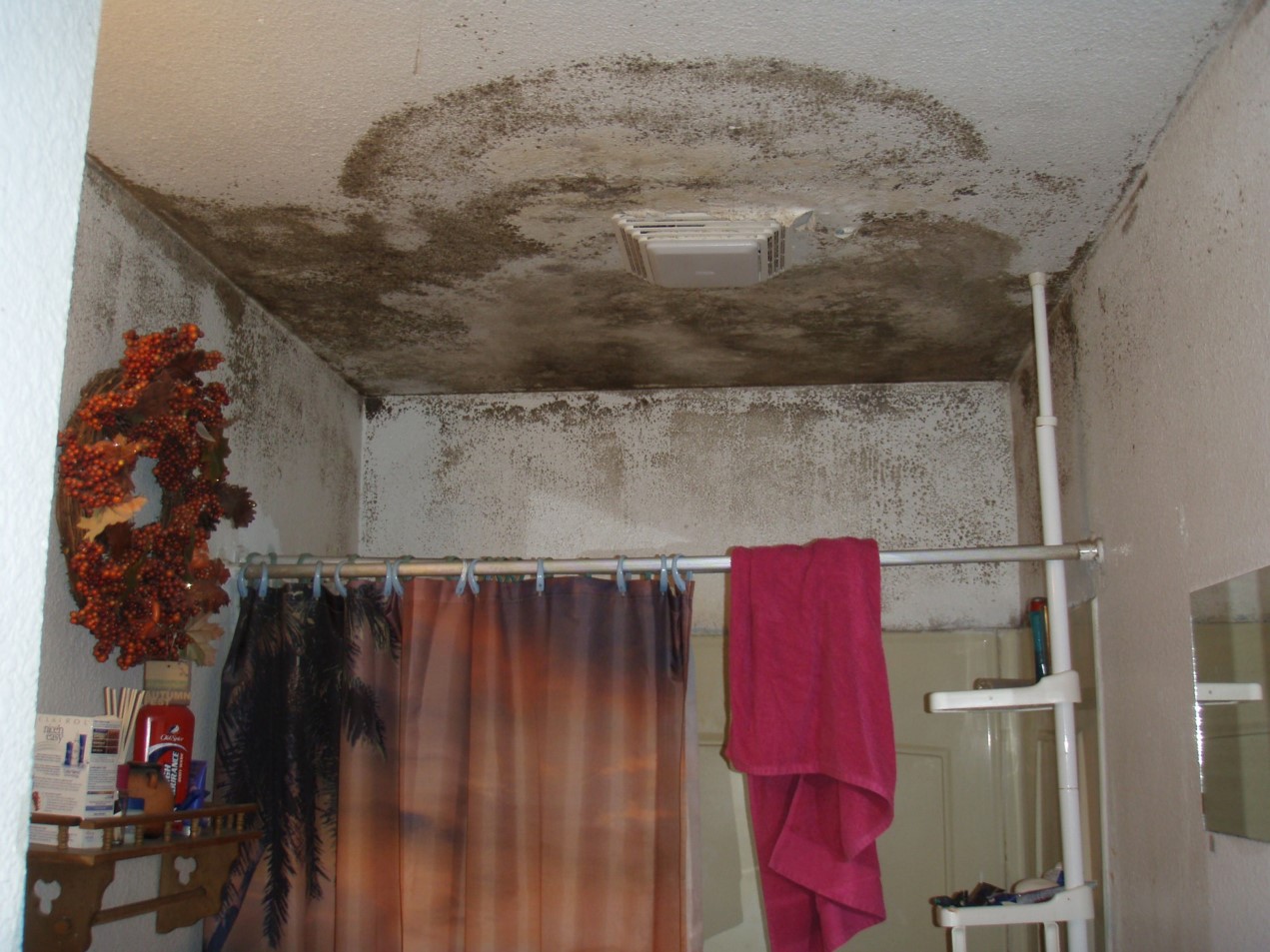
In 2013, the state of Florida clarified what home inspectors can and cannot do regarding mold. Under this ruling, a Florida-licensed home inspector can inspect, sample, and identify visible mold. However, this is only allowed if the visible mold covers less than 10 square feet. They are also permitted to advertise these limited mold testing services.
Here is the critical limitation. A home inspector cannot use titles like “certified mold assessor” or “licensed mold assessor.” That is because mold assessment is a completely separate profession in Florida. It is governed by its own strict laws (Chapter 468, Part XVI). Licensed assessors must pass a specific state exam, meet intense training requirements, and carry specialized insurance.
Here’s the critical limitation: a home inspector cannot use the terms “certified mold assessor,” “licensed mold assessor,” “mold assessor,” or any combination that implies licensure as a mold assessor. That’s because mold assessment is a separately licensed profession in Florida, governed by its own section of the statutes — Chapter 468, Part XVI — with its own examination, training requirements, experience thresholds, and insurance mandates.
In plain language, a home inspector can take a sample of something they can see. But they cannot perform the kind of comprehensive mold assessment that a licensed mold assessor provides.
Where the Training Gap Shows Up
I’ve spent 27 years in this industry, including hands-on experience in mold removal and restoration, before I moved to the assessment side. I’ve also reviewed reports written by home inspectors who offered mold sampling as an add-on service. The difference in quality is significant, and it comes down to training.
Home inspectors are generalists. Their licensing covers roofing, plumbing, electrical, HVAC, structural systems, and more. They learn to identify visible deficiencies across a wide range of categories within a limited time window. That’s valuable — but mold assessment is a specialty that requires a different skill set entirely.
A licensed mold assessor in Florida has passed a state-approved examination focused specifically on mold, moisture dynamics, building science, and health implications. They’ve completed documented training in water intrusion analysis, respiratory protection, and laboratory data interpretation. They maintain at least $1,000,000 in coverage for both general liability and errors and omissions. And they’re required to complete 14 hours of continuing education every two years focused on mold-related topics — not general home inspection content.
That training gap shows up in three critical areas.
Sampling methodology:
Proper air sampling is not intuitive. You must know exactly where to place an air cassette and how long to run the pump. Calibrating the correct flow rate and taking enough samples is crucial for an accurate picture of your home’s air quality. Professionals learn this through specialized training and field experience. Incorrectly collecting a sample can produce misleading results or scientifically indefensible results — and if you’re relying on that data for a real estate negotiation or an insurance claim, that matters.
Interpreting results:
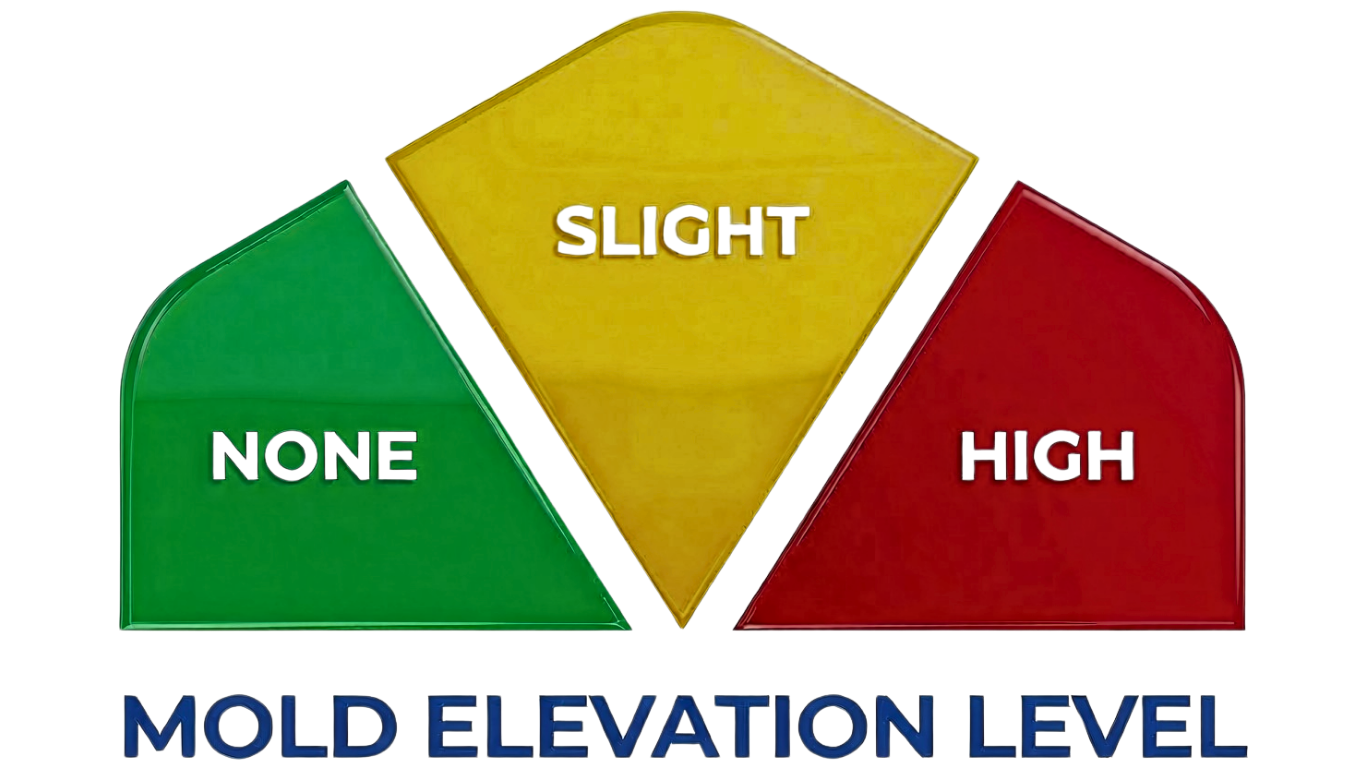
A lab report is only useful if the person reading it understands what the numbers mean. Assessors must evaluate spore counts against outdoor baselines, species identification matters because different molds carry different health risks, and elevated levels in one room can indicate a problem in an entirely different part of the house. Mold assessors are trained in this interpretation. Most home inspectors are not.
Finding what you can’t see:
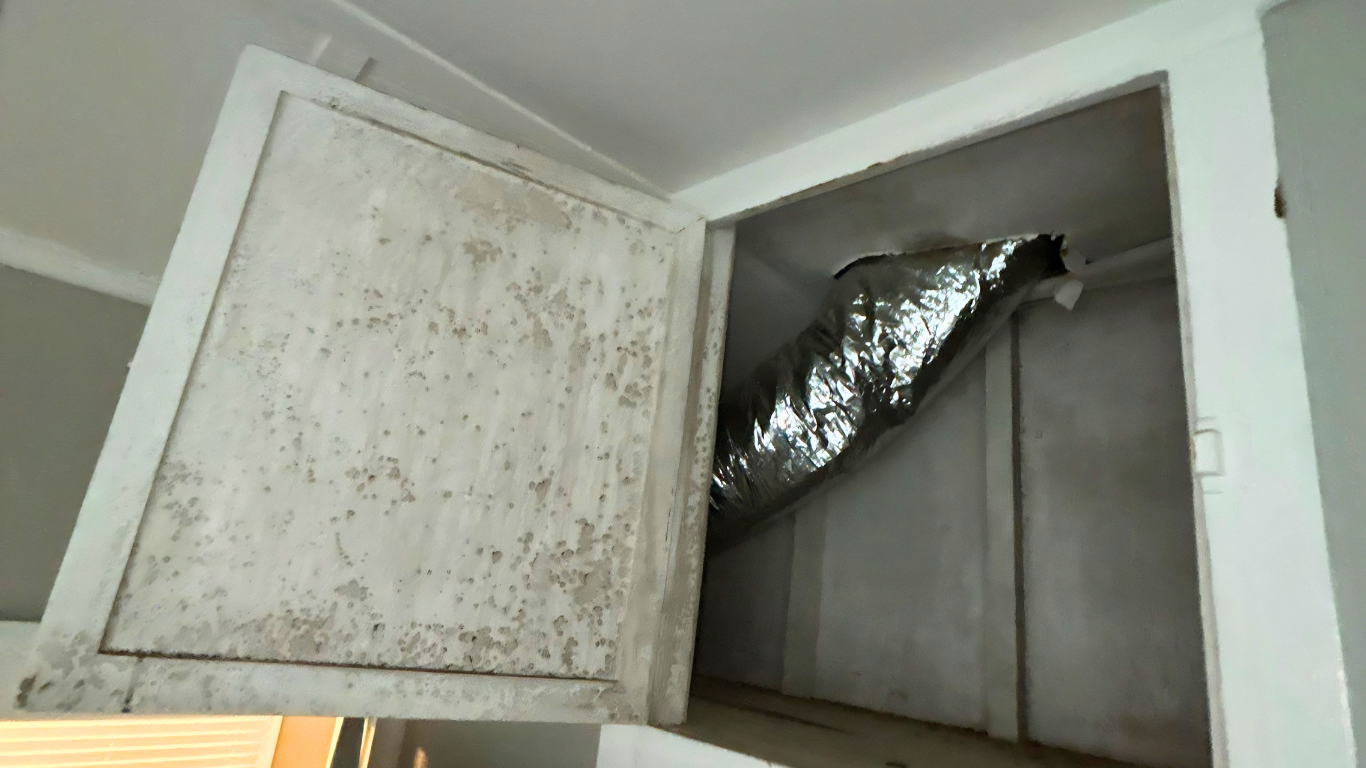
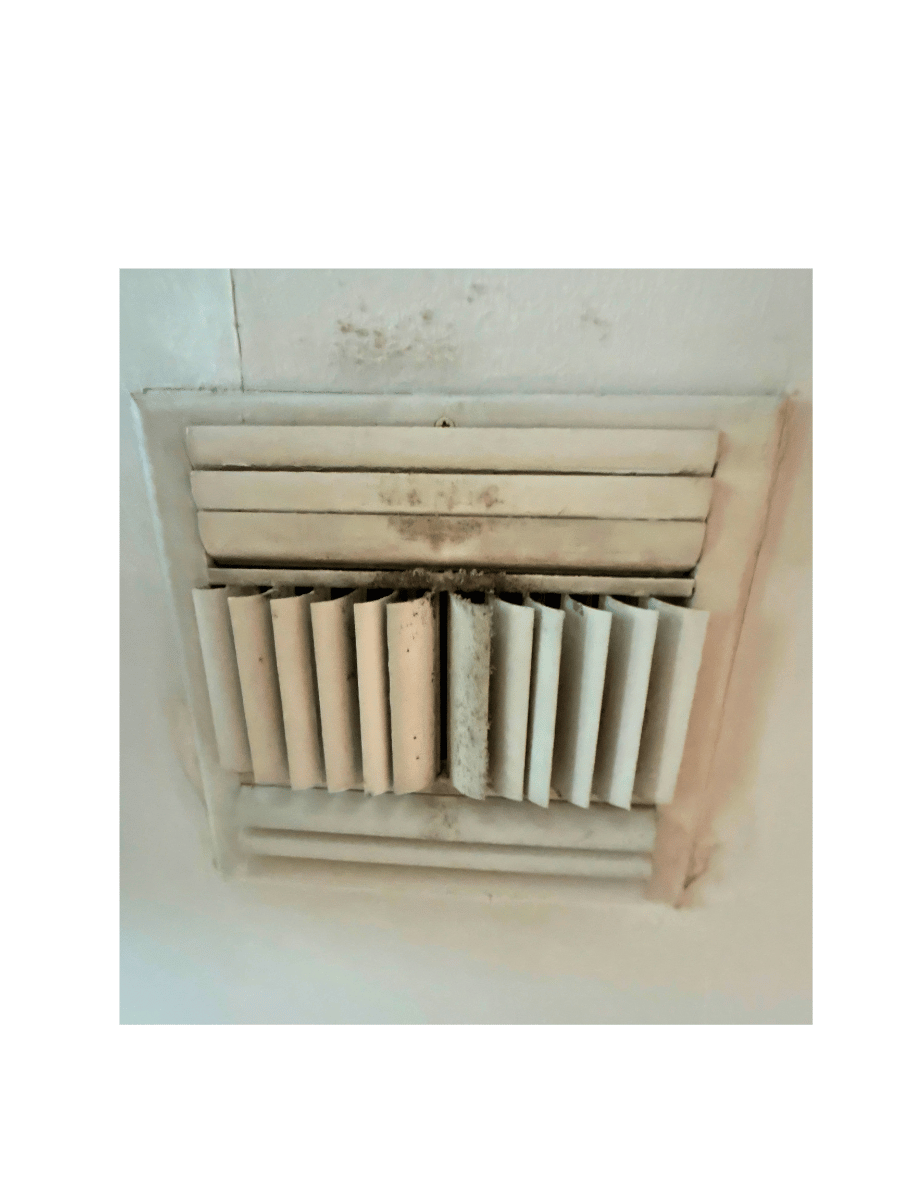
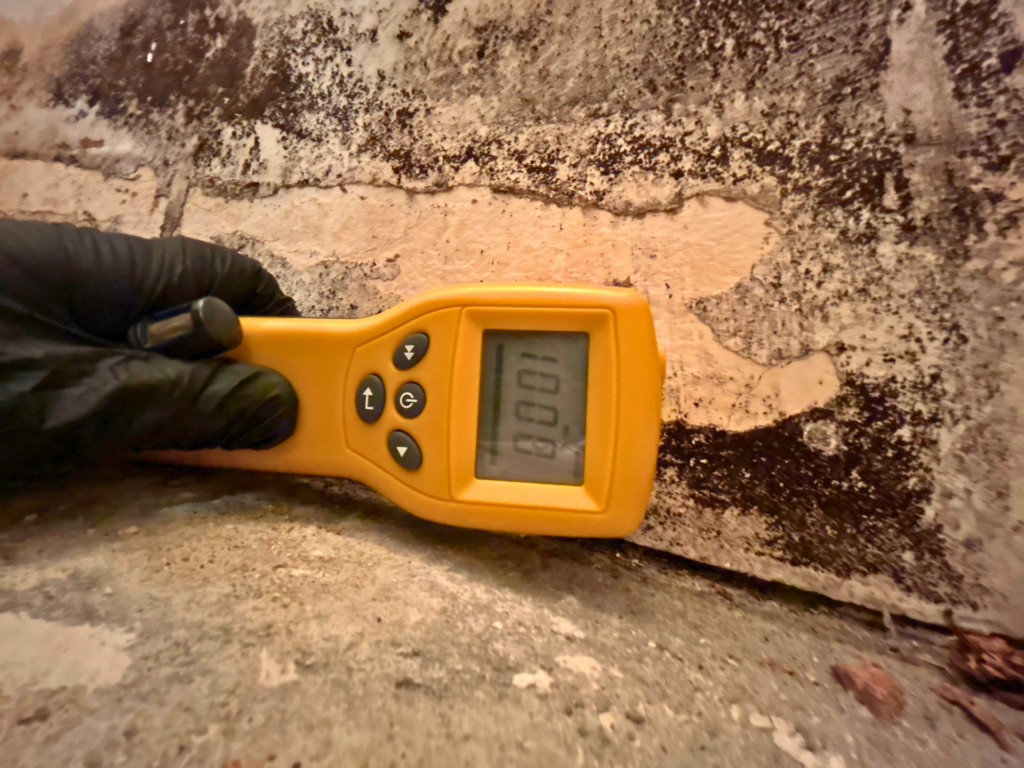
This is the biggest gap. A home inspector’s involvement with mold is limited to visible growth under 10 square feet. But the most dangerous mold problems in Tampa Bay homes are the ones you can’t see — behind drywall, inside HVAC ductwork, beneath flooring, in wall cavities where shared plumbing runs. A licensed mold assessor uses infrared thermal imaging and calibrated moisture meters. These tools locate hidden moisture intrusion that a general walkthrough will never reach. They also determine whether conditions are favorable for unseen mold growth.
What a Home Inspection Report Can’t Do for You:
Let’s say your home inspector collects a mold sample during a pre-purchase inspection, and the results come back showing Aspergillus/Penicillium. What happens next?
If you need to negotiate with the seller, you need a report that carries professional weight — one written by a licensed mold assessor with documented methodology, outdoor control comparisons, and a clear interpretation of what the findings mean for the property. A single sample collected as an add-on to a general inspection rarely meets that standard.
If you need to file an insurance claim, Florida carriers require professional documentation from a licensed mold assessor showing the type, extent, and cause of contamination. A home inspector’s sampling note in a broader inspection report typically won’t satisfy that requirement.
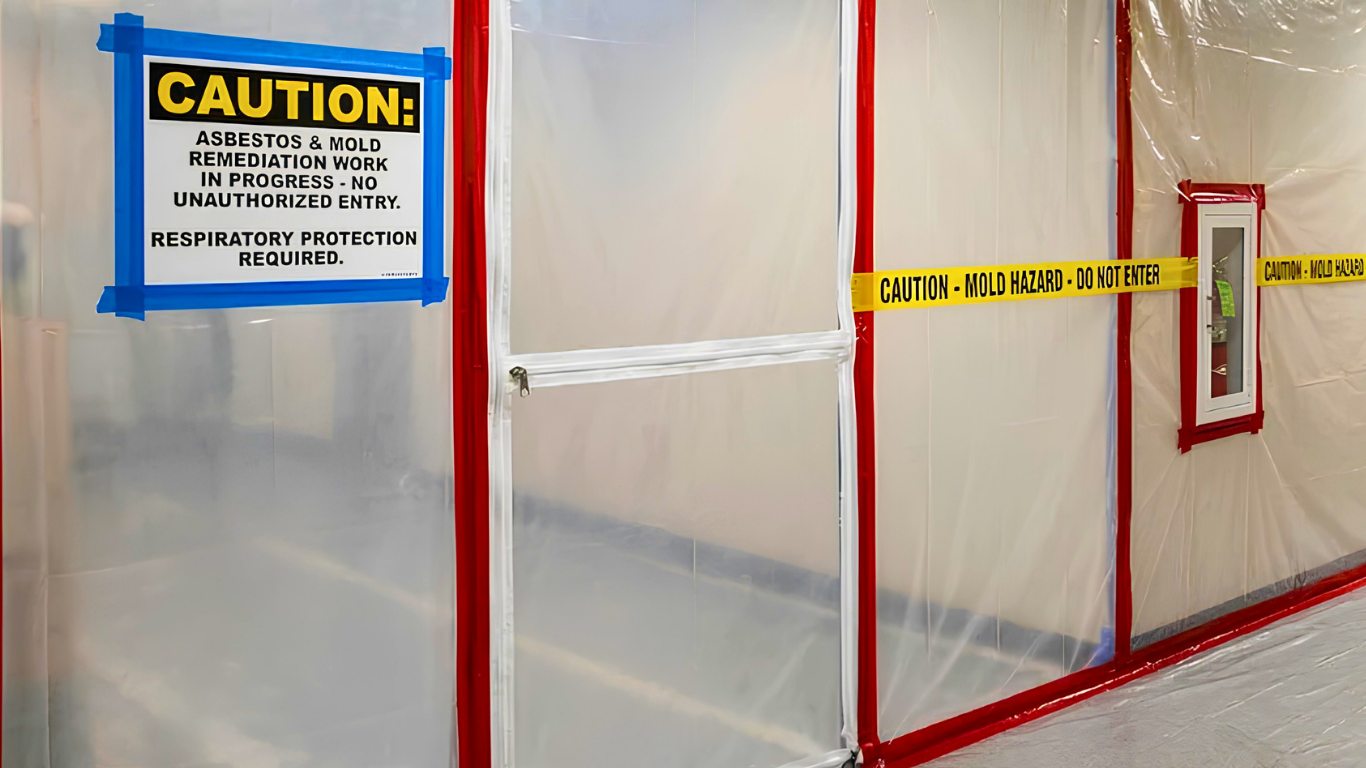
If you need mold remediation, this training gap becomes a serious problem. Florida law requires a licensed mold assessor to write the remediation protocol for anything over 10 square feet. This protocol is a vital document. It tells the cleanup contractor exactly which materials to remove and how to set up containment. It also outlines protective measures and how to verify the job is complete. A home inspector cannot produce this protocol because they do not have the required training or MRSA license. Without a protocol, you know you have mold, but you lack a legally compliant roadmap to remove it.
And if the transaction goes to litigation — the seller failed to disclose, the inspector missed something, the HOA didn’t maintain common elements — a report from a licensed mold assessor with documented chain of custody, accredited lab results, and professional interpretation carries far more weight than an add-on sample from a generalist inspection.
When to Hire a Licensed Mold Assessor Separately
I always tell buyers: your home inspector is an important part of the process. They evaluate the property broadly and flag issues across every major system. Respect what they do — but understand the limits of their scope regarding mold.
Hire a licensed mold assessor separately if:
-
- You notice musty odors during your walkthrough that the home inspector can’t explain.
-
- The home inspector identifies moisture staining, water damage, or suspected mold and recommends further evaluation.
-
- The property has a history of water intrusion events, including roof leaks, plumbing failures, hurricane damage, and flooding.
-
- The home is older, has been vacant, or is a foreclosure or flip with an unknown maintenance history.
-
- Anyone in your household has respiratory sensitivities, and you want baseline air quality data before you move in.
The Bottom Line
-
- Can a home inspector test for mold in Florida? Technically, in limited circumstances, yes. But can they provide the comprehensive assessment, accredited lab analysis, professional interpretation, and legally defensible documentation that a licensed mold assessor delivers? No.
-
- When it comes to the air your family will breathe in your next home, the difference between a sample and an assessment is the difference between a data point and an answer. A licensed mold assessor gives you the answer — and the documentation to back it up.
Key Takeaways
-
- Florida home inspectors can sample visible mold under 10 square feet, but they cannot perform a full mold assessment or call themselves mold assessors.
-
- Mold assessment requires a separate MRSA license with its own state exam, specialized training, field experience requirements, and $1 million in insurance — a completely different licensing track than home inspection.
-
- Home inspector mold samples typically won't satisfy insurance carriers, attorneys, remediation contractors, or real estate negotiation standards.
-
- If mold is found, a home inspector can't write the remediation protocol.** Florida law requires a licensed mold assessor to produce the protocol that tells contractors what to remove, how to contain the area, and how to verify the job is done. Without one, you have a diagnosis and no roadmap.
-
- The training gap matters most in three areas: sampling methodology, lab report interpretation, and finding hidden mold behind walls using infrared imaging and moisture meters.
-
- For Tampa Bay buyers, both professionals serve a purpose — but a licensed mold assessor and a home inspector evaluate different things, require different expertise, and produce different deliverables. One does not replace the other.
If you’re buying a home in Tampa Bay and want independent, lab-verified mold and air quality testing, I’m here to help. I provide inspection and testing only — never remediation — so my findings are objective and built for the scrutiny of adjusters, attorneys, and real estate professionals.

**Joe Margherita**
FL Licensed Mold Assessor MRSA4534
ACAC Certified Indoor Environmentalist
Tampa Bay Mold Testing
You notice musty odors during your walkthrough that the home inspector can’t explain.
The home inspector identifies moisture staining, water damage, or suspected mold and recommends further evaluation.
The property has a history of water intrusion events, including roof leaks, plumbing failures, hurricane damage, and flooding.
The home is older, has been vacant, or is a foreclosure or flip with an unknown maintenance history.