By Joe Margherita, FL Licensed Mold Assessor MRSA4534, ACAC Certified Indoor Environmentalist
After mold remediation is complete, most homeowners want to do one thing: move on. The disruption is over, the remediation company says the job is done, and the last thing anyone wants is more testing.
I understand that. But here’s the question I always ask: how do you actually know it worked?
That’s what Post Remediation Verification — PRV — answers. It’s the independent, laboratory-backed confirmation that your mold problem has been fully resolved, properly documented, and won’t return because the root cause was left unaddressed. In 27 years of mold assessment work across Tampa Bay, PRV is one of the most important services I provide — and one of the most frequently skipped by homeowners who later wish they hadn’t.
What Is Post Remediation Verification (PRV)?
Post Remediation Verification is a formal inspection and sampling process conducted after mold remediation is complete. Its purpose is to confirm, through independent laboratory analysis, that the remediated area has been returned to a normal fungal environment — meaning indoor spore counts are at or below outdoor levels, no visible mold growth remains, moisture levels are within acceptable ranges, and the conditions that caused the original mold growth have been corrected.
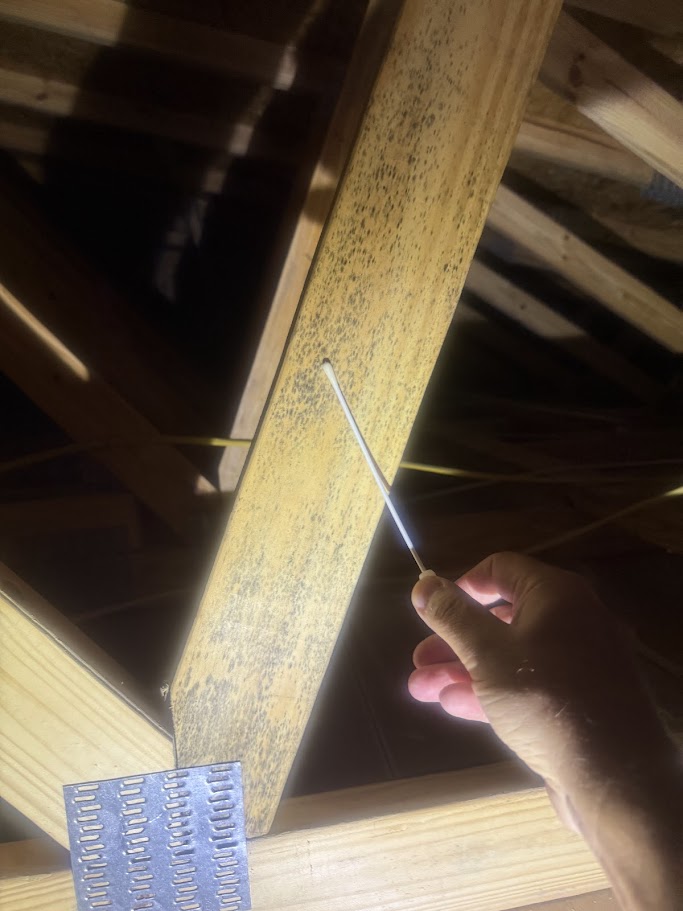
PRV follows established industry protocols outlined in the IICRC S520 — the Standard and Reference Guide for Professional Mold Remediation — as well as Florida Mold Assessor standards. A combination of air sampling, surface swab sampling, and visual inspection determines clearance. All samples are sent to an accredited third-party laboratory for analysis.
If the property passes, you receive a written clearance report and a digital clearance certificate. If it doesn’t pass, the remediation contractor receives a specific protocol outlining the corrective steps required before re-testing.
Why an Independent Assessor Should Always Do PRV
This is the most important point in this post, and I want to be direct about it.
The company that performed your mold remediation should never be the company that verifies its own work. That is a fundamental conflict of interest — a company with a financial stake in passing that test is not in a position to objectively evaluate whether it passed.
Florida law recognizes this. Florida Statute 468.8419 prohibits a licensed mold assessor and a licensed mold remediator from being the same individual or company on the same project. The law exists precisely because of what happens when assessment and remediation aren’t independent: results that serve the business rather than the homeowner.
An independent PRV means the person signing your clearance report has no financial relationship with the remediation company and no incentive to tell you anything other than what the data shows. That independence is what gives your clearance report its value — legally, for insurance purposes, and for your own peace of mind.
What PRV Actually Involves: The Protocol
PRV is not simply a re-test of the original conditions. It’s a structured inspection protocol that verifies the remediated space has been properly prepared, the underlying moisture problems have been resolved, and the environment is ready for accurate clearance sampling. Here is exactly what that process involves.
The Site Must Be Free of Debris and Build-Back Materials
Before any sampling begins, the job site must be cleared of all dust, demolition debris, and construction materials. Particulates from active construction work can mask mold spores or artificially elevate counts — testing in a debris-filled environment produces unreliable results that don’t reflect the true post-remediation condition.
Containment Chambers Must Remain Intact
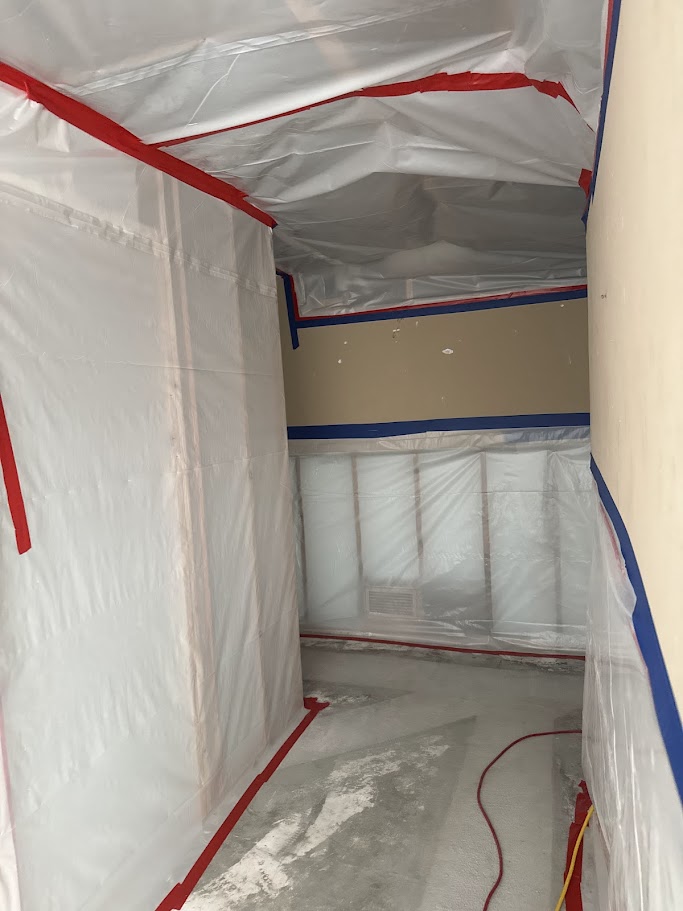
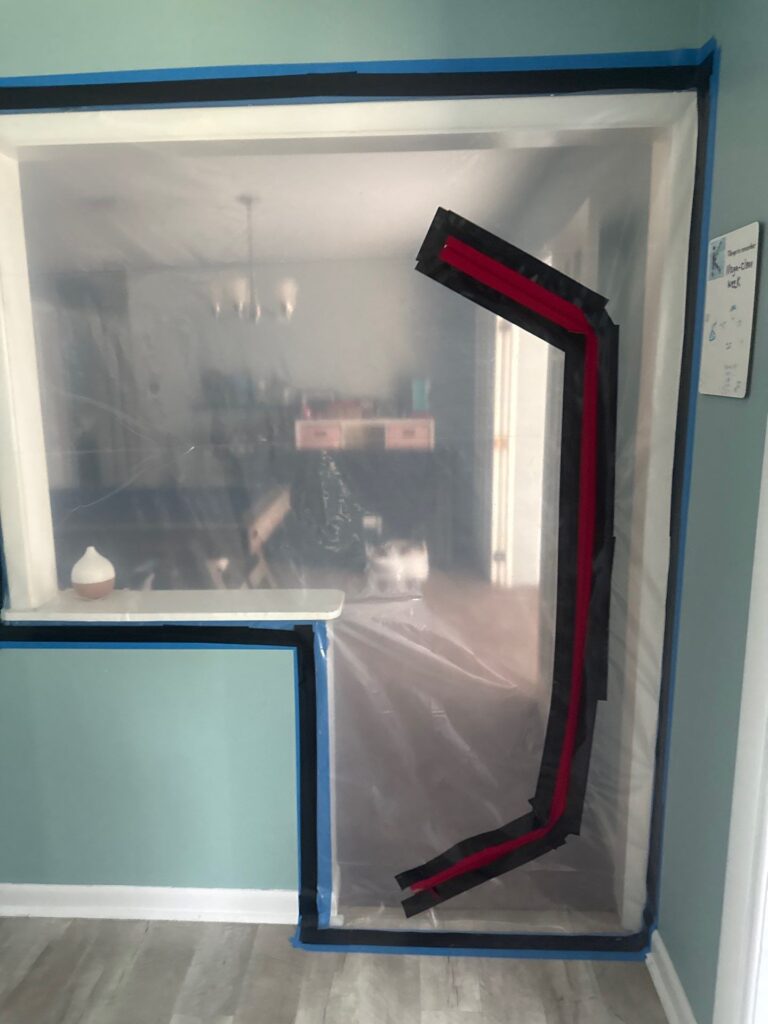
The plastic containment barriers erected during remediation must stay in place until PRV testing is fully complete. Containment isolates the remediated area from the rest of the property. If it’s removed or breached prematurely, cross-contamination becomes possible, and any samples collected no longer reflect a controlled environment.
Air Filtration Equipment Must Be Off for 24 Hours Prior to Testing
This is one of the most commonly misunderstood requirements — and one of the most important. Air scrubbers and HEPA filtration devices actively remove particles from the air during remediation, which is exactly what they’re designed to do. But if those devices are still running when clearance samples are collected, they artificially suppress the spore count in the air. The result is a false pass — the equipment is doing the passing, not the remediation.
All air filtration devices, dehumidifiers, and air movers must be shut down and sealed in place a minimum of 24 hours before PRV inspection. This allows the air inside the containment area to return to its natural settled state, so samples reflect actual conditions.
All Tools and Equipment Must Be Removed
Remediation equipment — sprayers, sanders, tools — can harbor mold spores and reintroduce contamination into a remediated space. A clean site with all equipment removed ensures the sampling environment reflects the post-remediation condition, not the remediation process itself.
HVAC Vents Must Be Sealed Throughout the Testing Area
If the HVAC system is operating during air sampling, it introduces air — and spores — from other areas of the building or from outside into the sampling zone. That external input distorts the results. Sealing HVAC vents ensures that what the samples capture is the actual air quality inside the containment area, nothing more.
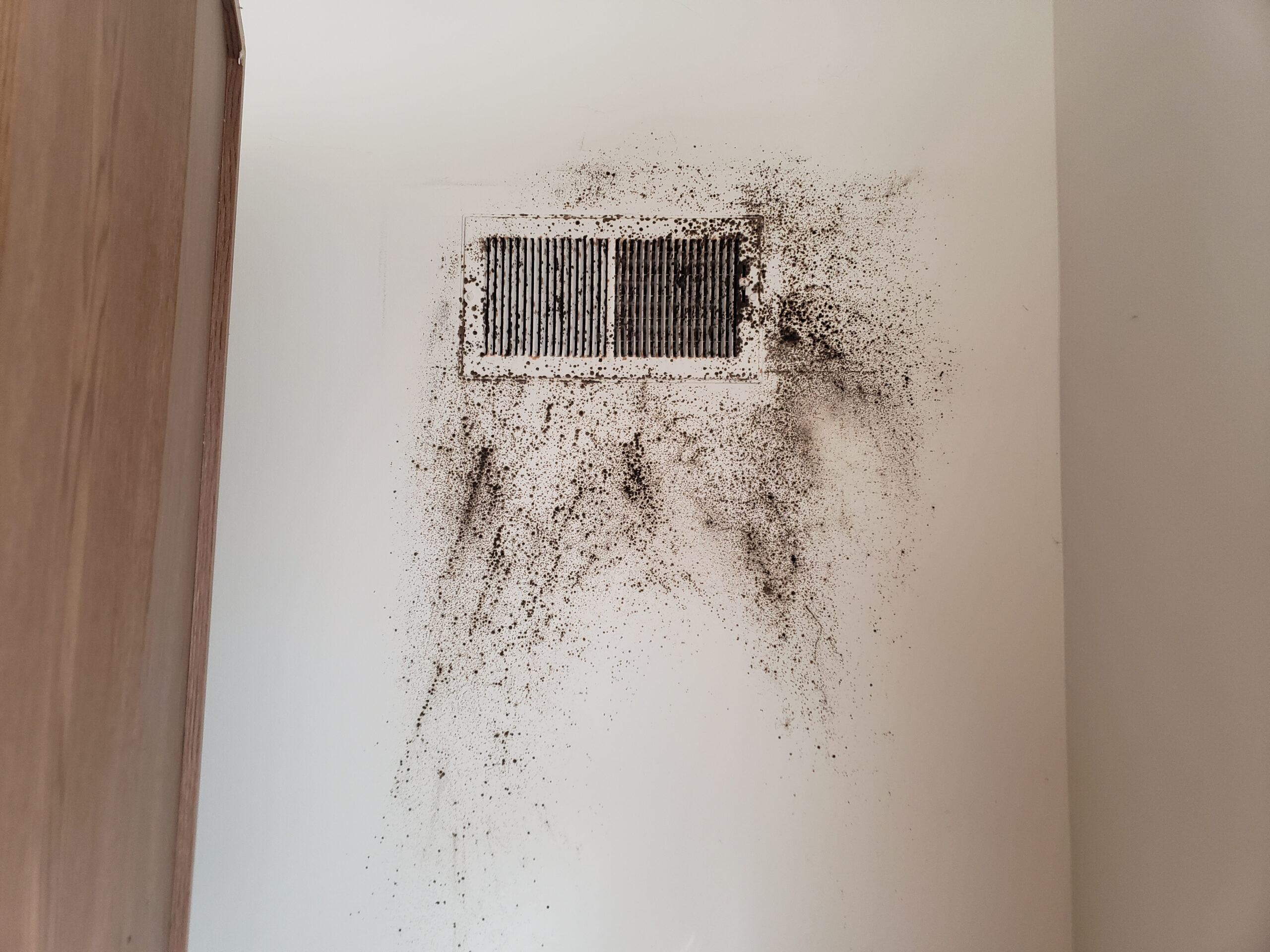
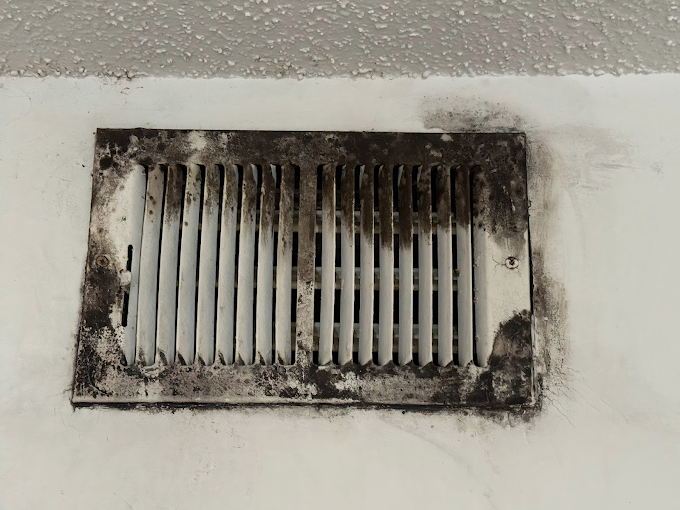
No Visible Mold May Remain on Any Surface
Visual inspection is the first line of clearance. If any visible mold growth remains within the containment area, the remediation is demonstrably incomplete. There is no point collecting air samples if surfaces haven’t been properly cleaned — the visual check comes first.
Moisture Levels Must Be Within Normal Range
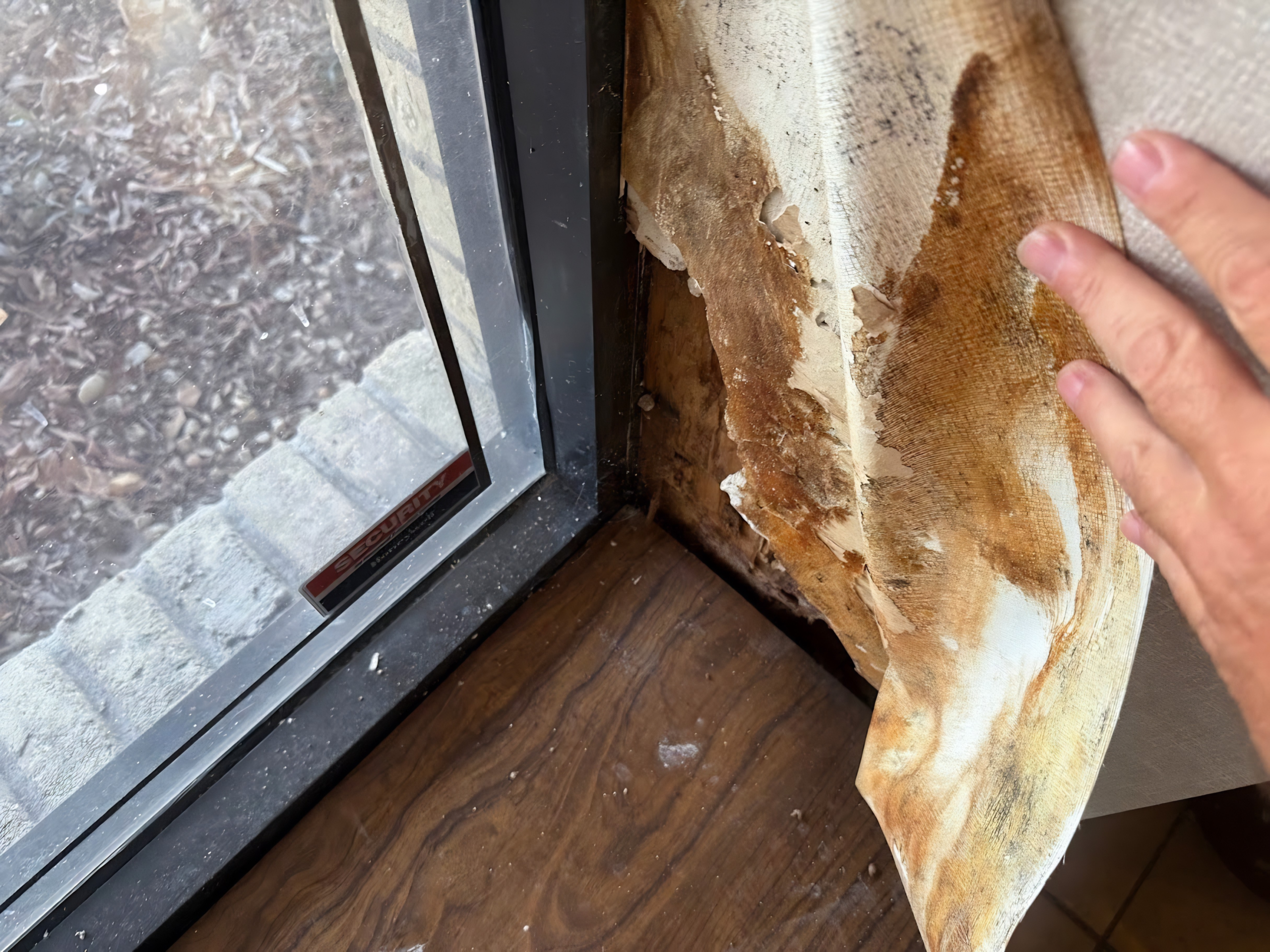
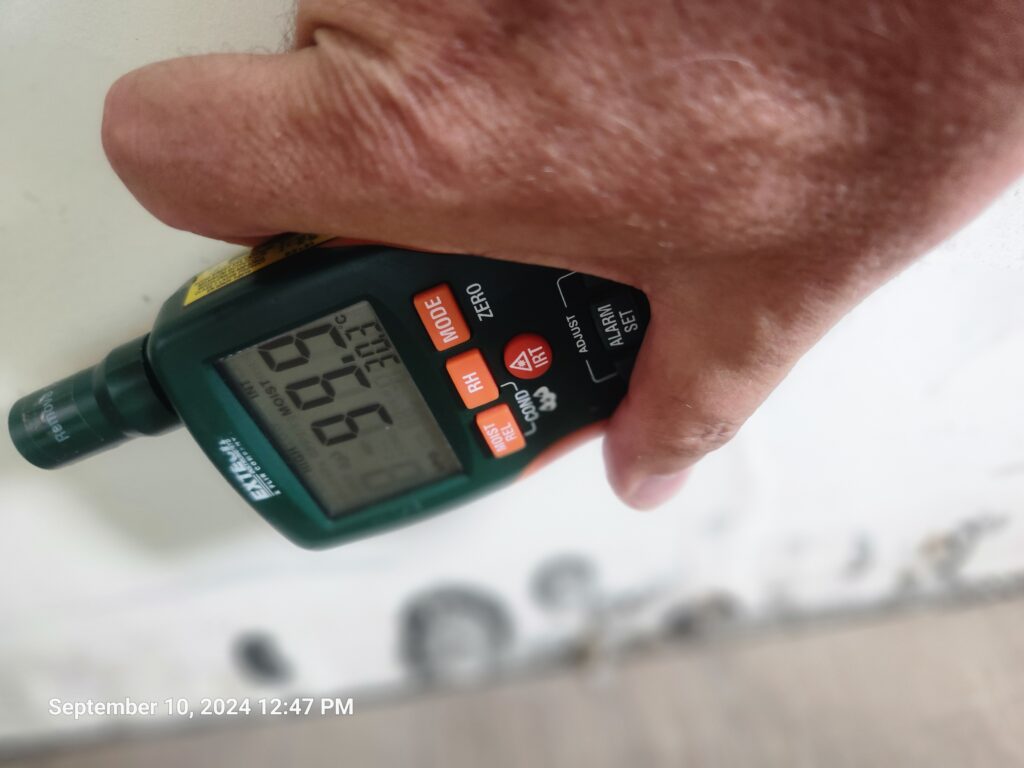
Mold requires moisture to grow. If the building materials that remain — drywall, framing, subfloor — still carry elevated moisture content, the conditions for mold growth still exist, even if visible mold has been removed. I verify moisture levels in all remaining materials using calibrated moisture meters. Readings must be within the normal range before clearance can be issued.
All Leaks and Moisture Sources Must Be Identified and Fixed
This may be the most overlooked requirement, and it’s the one that determines whether mold comes back. Removing mold without eliminating the moisture source that caused it is not remediation — it’s cleaning. The water intrusion, plumbing leak, condensation problem, or drainage issue that created the conditions for mold growth must be identified and corrected, at minimum temporarily, before PRV can be completed. A clearance report on a space with an active moisture problem is meaningless.
The Job Site Must Be Professionally Cleaned Per IICRC S520
The IICRC S520 is the recognized industry standard for professional mold remediation. Cleaning per S520 means contaminated materials have been properly removed, affected surfaces have been treated, and the remediated area has been prepared for clearance. I verify compliance with these standards before proceeding to sampling.
Zero Tolerance: Stachybotrys and Chaetomium
Standard mold clearance involves comparing indoor spore counts to outdoor control counts and evaluating whether levels have returned to an acceptable range. Most mold species are assessed on a comparative basis.
Two species are not.
I maintain a zero tolerance policy for Stachybotrys and Chaetomium in any PRV clearance assessment. Both are water-damage indicator molds associated with chronic moisture exposure and significant health concerns. Their presence in any detectable quantity inside a remediated space is not a borderline result — it indicates incomplete remediation, and I will not issue clearance if either species is detected.
This is a professional position I hold regardless of the count level. Some assessors will pass a space with trace amounts of these species if the overall count is low. I will not. If you are hiring an assessor for PRV and this policy matters to you, ask about it before you book.
What a Passing PRV Means
When a property passes PRV, you receive two documents from Tampa Bay Mold Testing:
A written clearance report — a formal document containing the laboratory findings, spore counts by species, a comparison to the outdoor control sample, moisture readings, and my professional determination that the remediated space has been returned to a normal fungal environment. This report carries my license number and signature.
A digital clearance certificate — a portable, shareable document confirming the PRV passed, suitable for submission to an insurance company, a real estate transaction, a landlord, or any other party requiring evidence of successful remediation.
These documents have standing that a remediation company’s own sign-off does not. They are produced by an independent, state-licensed assessor following laboratory-verified protocols — which is exactly what insurers, attorneys, and real estate professionals expect.
When PRV Is Required vs. When It’s Recommended
PRV is typically required when:
- An insurance claim is involved, and the insurer requires documented clearance before closing the claim
- A real estate transaction requires proof of completed remediation
- A legal dispute involves documented mold damage
- A landlord-tenant situation requires formal evidence of remediation completion
PRV is strongly recommended when:
- You’ve had any significant mold remediation project completed, regardless of insurance involvement
- The remediated area involved the bedroom, living, or HVAC spaces where ongoing air quality matters
- Stachybotrys or other high-concern species were identified in the original testing
- The property is in the Tampa Bay area, where humidity and heat create year-round conditions for mold recurrence
In Florida, I’d go further: PRV should be considered standard practice after any professional remediation, not an optional add-on. The combination of our climate, the prevalence of water damage events, and the significant cost of remediation makes independent clearance verification a straightforward investment in protecting what you just spent.
Frequently Asked Questions About PRV
How soon after mold removal can I schedule Post Remediation Verification?
The remediation contractor must have completed all work, removed all equipment, and shut down all air scrubbers at least 24 hours before your PRV inspection. This allows the air to settle so we get an accurate lab reading. Once those conditions are met, we can usually schedule your clearance test promptly, with lab results typically back in 24–48 hours.
Can my remediation company perform their own clearance testing?
No. Under Florida law, a licensed mold assessor and a licensed mold remediator cannot be the same company on the same project. Having the remediation company grade their own homework is a massive conflict of interest. An independent PRV ensures you get the unvarnished truth about your indoor air quality.
What happens if my property fails the PRV clearance test?
If the space does not pass clearance, you will receive a detailed written report specifying exactly why it failed (e.g., elevated spore counts, remaining moisture, or visible growth). You give this protocol back to your remediation contractor so they know exactly what to fix before we re-test.
Is PRV the same thing as a standard mold inspection?
No. A standard mold inspection finds the mold and identifies the moisture source before any work begins. PRV (clearance testing) is conducted strictly after the cleanup crew is finished to formally verify that the environment has returned to normal fungal ecology. Here’s how initial inspection and testing work.
If your remediation is complete — or nearly complete — the next call should be to an independent licensed assessor, not back to the remediation company.
Tampa Bay Mold Testing serves Hillsborough, Pinellas, Manatee, and Pasco counties. PRV is conducted in accordance with Florida Mold Assessor standards and IICRC S520 clearance protocols, with all samples analyzed by an accredited third-party laboratory.
Joe Margherita is a Florida Licensed Mold Assessor (License #MRSA4534) and ACAC Certified Indoor Environmentalist with 27 years of experience inspecting residential and commercial properties across the Tampa Bay area. Tampa Bay Mold Testing provides independent inspection and testing services only — we do not perform remediation.
Joe Margherita

FL Licensed Mold Assessor MRSA4534
ACAC Certified Indoor Environmentalist
Tampa Bay Mold Testing