
*By Joe Margherita, FL Licensed Mold Assessor MRSA4534, ACAC Certified Indoor Environmentalist*
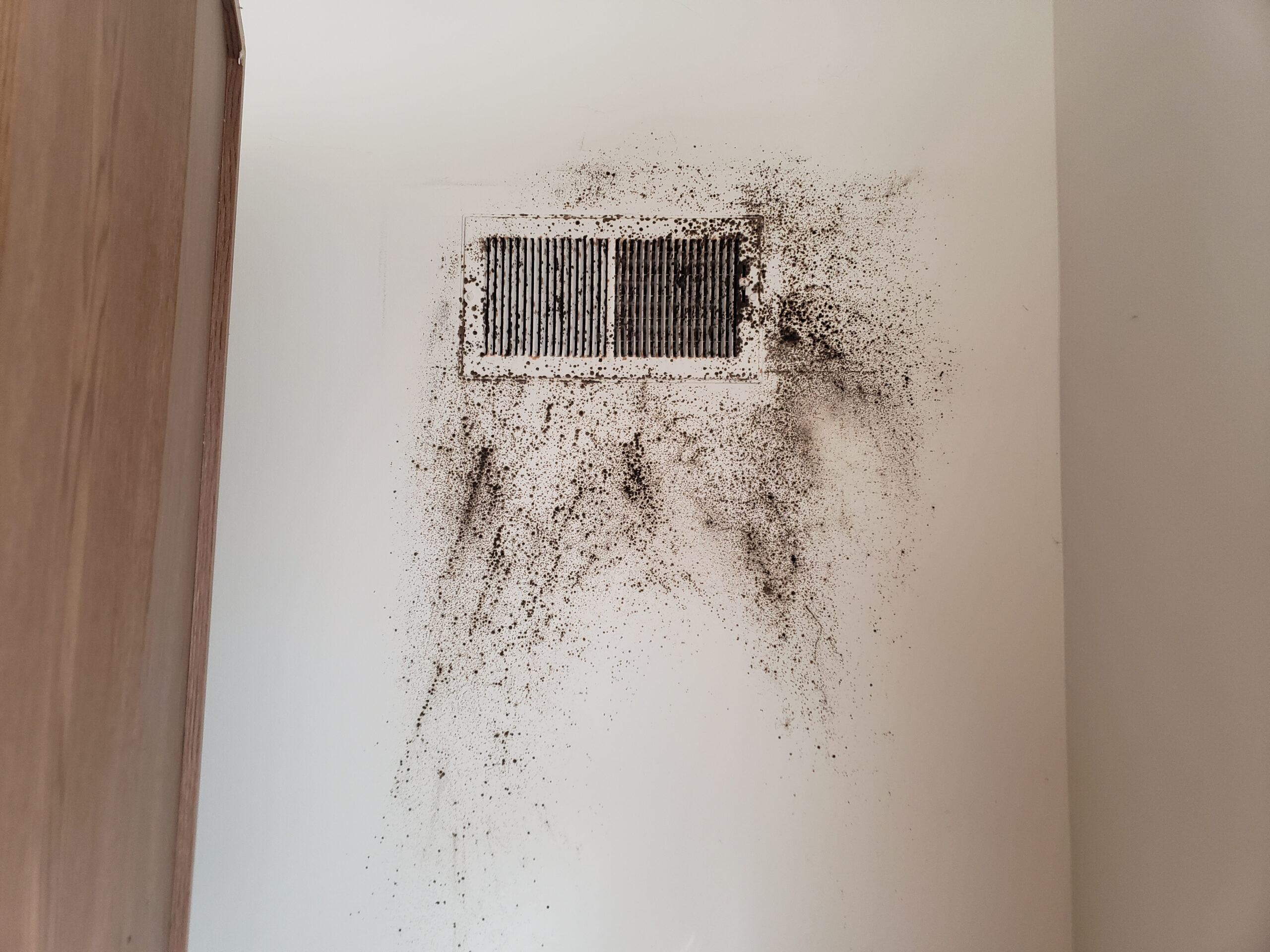
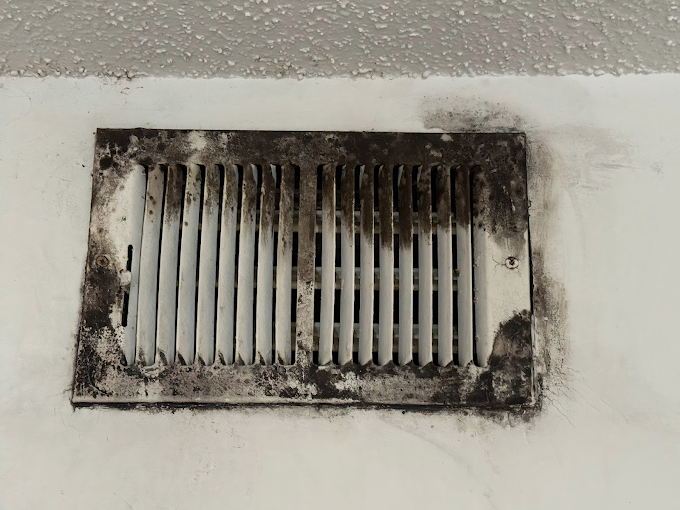
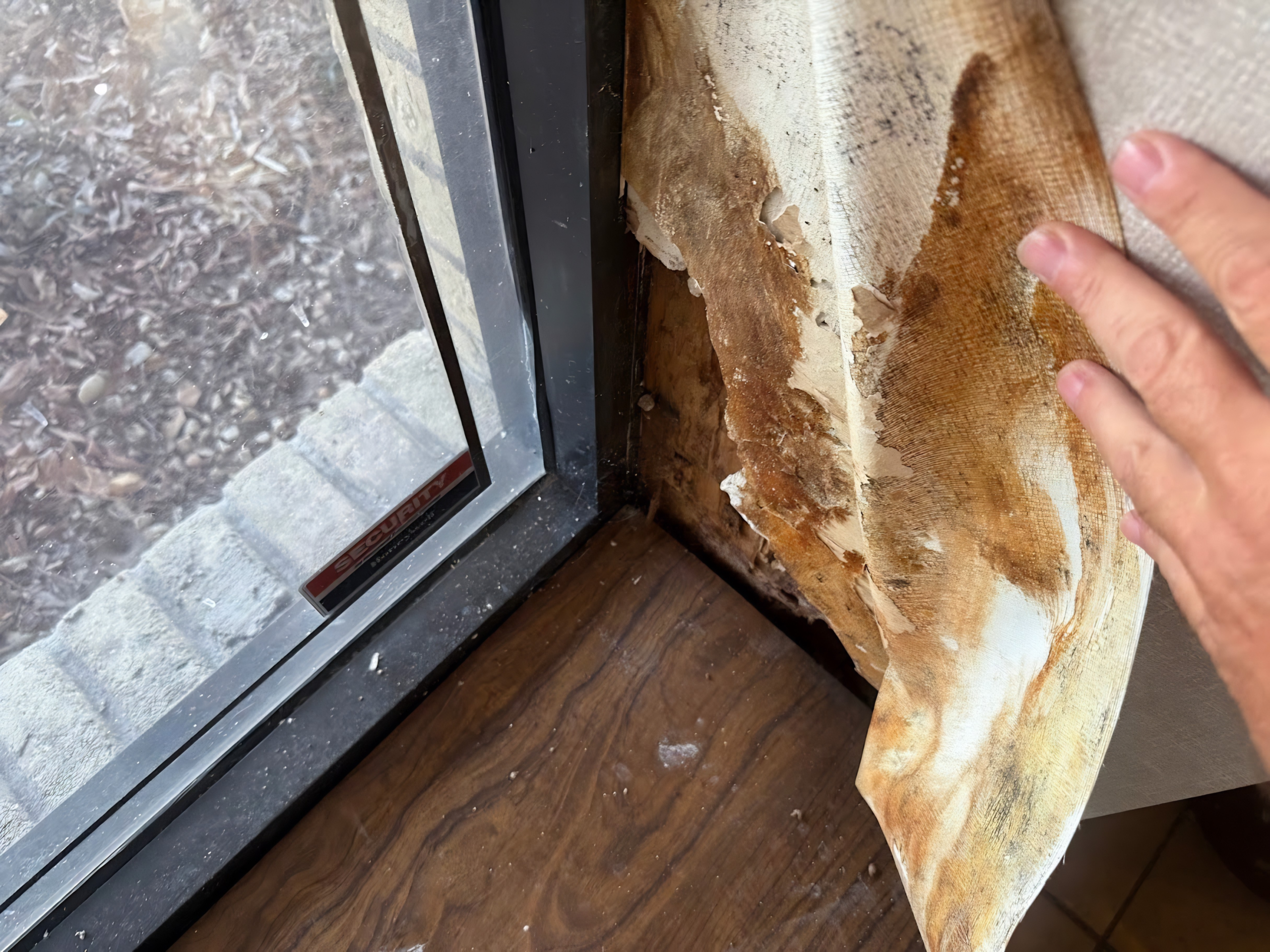
A moisture inspection in Tampa, FL, is one of the most valuable — and most overlooked — services a homeowner can invest in. Most of the people who call me have already found mold or at least suspect it. They’re dealing with a musty smell they can’t track down, dark staining behind a bathroom vanity, or allergy symptoms that won’t quit. By that point, the mold has had weeks or months to establish itself, spread into wall cavities, and push spores into the air their family breathes.
But here’s what 27 years in this industry have taught me: mold is never the first problem. Moisture is. Every mold issue I’ve ever documented started with water going somewhere it shouldn’t and staying there long enough for biology to take over. That’s why a professional moisture inspection matters — it catches conditions that lead to mold before it actually arrives.
Fast Facts: Tampa Moisture Inspections
- Starting Cost: $350-$450 (varies by square footage).
- Turnaround: Immediate on-site findings; 24-hour lab results if mold testing is required.
- Core Technology: Infrared thermal imaging and calibrated moisture mapping.
What a Moisture Inspection Looks For:
A professional moisture inspection is a systematic evaluation of your home’s moisture conditions using tools that see what your eyes can’t. When I inspect a Tampa property, I’m not just looking at surfaces; I’m looking through them.
- Infrared Thermal Imaging: We detect hidden cold signatures (evaporating water) behind your drywall, catching active leaks that visual inspections miss.
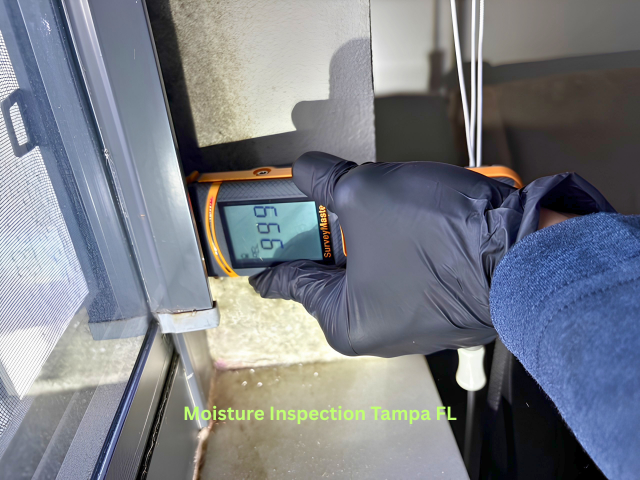
- Calibrated Moisture Meters: Pin and pinless meters measure the exact moisture content inside wood framing and baseboards to map how far water has traveled.
- Hygrometers (Humidity Tracking): We identify rooms where humidity exceeds the 60% threshold, pinpointing failing exhaust fans or struggling AC systems.
Why Tampa Homes Are Especially Vulnerable
I’ve inspected homes all over the Tampa Bay area, and the climate here creates moisture challenges you simply don’t see in drier parts of the country. Outdoor humidity regularly exceeds 70 percent during summer. Afternoon storms dump inches of rain in minutes. And every home runs air conditioning nearly year-round, creating a constant battle between hot, moist outdoor air and cool interior surfaces.
That battle produces condensation on AC ducts in unconditioned attics, on cold-water pipes inside warm wall cavities, and on the back side of drywall where exterior walls meet air-conditioned rooms. Most of this condensation is invisible. It doesn’t drip or stain. Instead, this hidden moisture just sits there, slowly saturating building materials until the conditions are perfect for mold to colonize.
Tampa’s construction styles add another layer of risk. Slab-on-grade foundations can wick moisture up through concrete. Stucco exteriors can trap water behind the cladding if the moisture barrier fails. Flat or low-slope roof sections, common in Florida architecture, are prone to ponding that eventually seeps inside. A moisture inspection is designed to catch all of these scenarios before they become biological problems.
The Gap Between a Home Inspection and a Moisture Inspection
One of the most common things I hear from homeowners is “my home inspector didn’t find any moisture issues.” That’s not surprising, and it’s not necessarily the inspector’s fault. A standard home inspection covers dozens of systems in a few hours. Inspectors are looking at roofing, plumbing, electrical, HVAC, structural components, and more. They’re generalists by design, and their job is to identify visible deficiencies, not to hunt for hidden moisture inside wall assemblies.
A moisture inspection is a specialist’s job. It’s focused entirely on finding water where it doesn’t belong, measuring how much is there, and determining whether conditions are favorable for mold growth. The infrared camera alone reveals problems that no visual walkthrough will ever catch, and in Tampa’s climate, those hidden problems are more common than most people realize.
If you’re buying a home, a moisture inspection alongside your general home inspection gives you the complete picture. If you’ve owned your home for years and have never had one, it’s worth scheduling- especially if you’ve experienced any water events, noticed humidity fluctuations, or have areas of the house that feel damp or smell off.
When a Moisture Inspection Leads to Mold Testing
Not every moisture inspection results in a mold problem. Sometimes I find a minor condensation issue on an AC supply duct that can be fixed with better insulation. Sometimes I find a slow drip under a dishwasher that the homeowner catches in time. In those cases, fixing the moisture source is all that’s needed, and no mold testing is warranted.
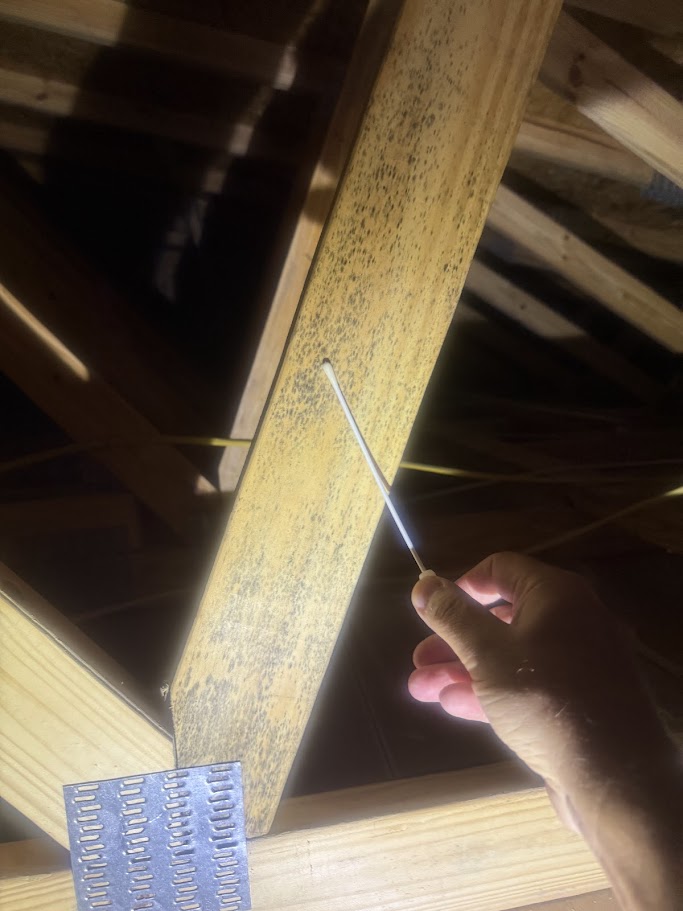
But when moisture readings are significantly elevated, when materials have been wet long enough for colonization to begin, or when the infrared reveals widespread intrusion behind walls, that’s when I recommend targeted mold testing. Air sampling and surface sampling confirm whether spore levels are elevated and identify which species are present. The moisture inspection tells us where to look. The mold test tells us what’s there.
Because I perform both moisture inspection and mold testing on the same visit when needed, homeowners don’t have to schedule two appointments or coordinate between two companies. One visit, one assessment, and if sampling is warranted, lab results come back within 24 hours.
Don’t Wait for Mold to Tell You There’s a Moisture Proble
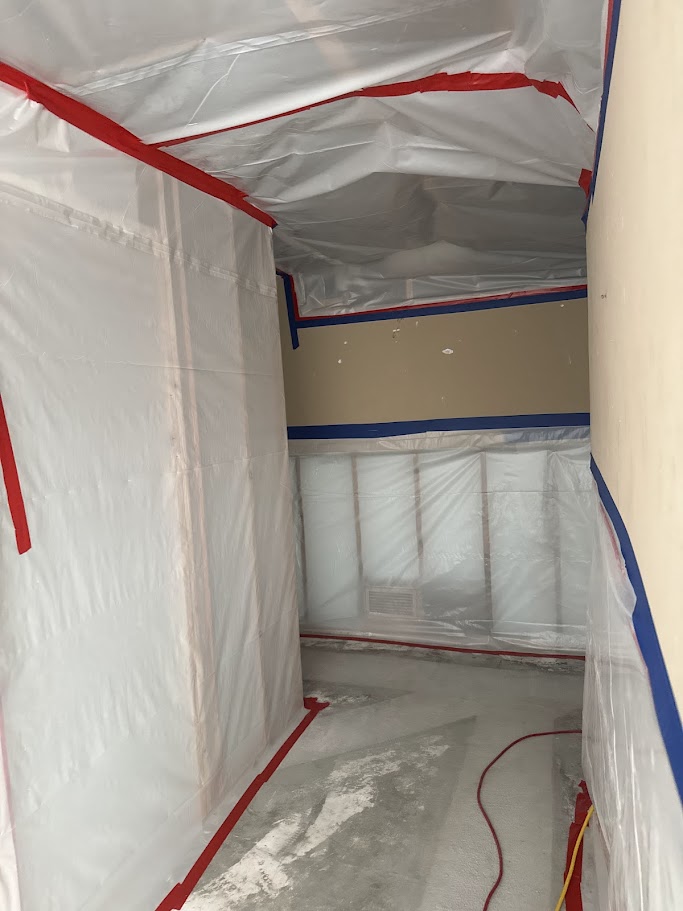
Mold is loud. Once you see it or smell it, you know something’s wrong. Moisture is silent. It hides behind walls, beneath floors, and inside building cavities where it can saturate materials for months without a single visible sign. A moisture inspection identifies the problem at the stage when it’s easiest and cheapest to fix, before mold enters the picture and turns a maintenance issue into a remediation project.
If you’re a Tampa homeowner who’s experienced a water leak, noticed rooms that feel more humid than others, smelled something musty you can’t locate, or simply want a baseline assessment of your home’s moisture conditions, a professional moisture inspection gives you the answers.
Frequently Asked Questions
Does a moisture inspection include mold testing?
A standard moisture inspection focuses on finding hidden water intrusion. If we find saturated materials or conditions highly favorable for mold, we will recommend adding targeted air or surface sampling to confirm if colonization has started.
How long does a moisture inspection take?
A thorough moisture and thermal imaging inspection for a standard Tampa home typically takes 1 to 2 hours, depending on the square footage and accessibility.
Will my home inspector find hidden moisture?
General home inspectors do a fantastic job looking at overall systems, but they are generalists. They typically do not use specialized thermal imaging or deep-probing moisture meters to detect water in wall cavities.
Joe Margherita

FL Licensed Mold Assessor MRSA4534
ACAC Certified Indoor Environmentalist
Tampa Bay Mold Testing