*By Joe Margherita, ACAC Certified Indoor Environmentalist (CIE) & FL Licensed Mold Assessor MRSA4534*
If you are wondering whether you need indoor air quality testing in Tampa, you most likely do when there’s a specific reason for it — symptoms that ease when you leave the house, a musty or chemical smell that won’t go away, water intrusion after a storm, a recent renovation, or someone vulnerable living in the home. And you most likely don’t need it when the problem is small, visible, and easily explained. The honest truth, after 27 years of doing this across Tampa Bay, is that air testing is a tool for answering a real question — not something every home needs on a schedule.
This guide walks through the signs that your air is worth testing, the situations where I’d tell you to save your money, and what testing actually covers, so you can decide whether it’s the right call for your home.
The short answer: do you need it?
– You likely need indoor air quality testing if you have symptoms that improve when you leave home, a persistent musty or chemical odor, or unexplained headaches and fatigue indoors.
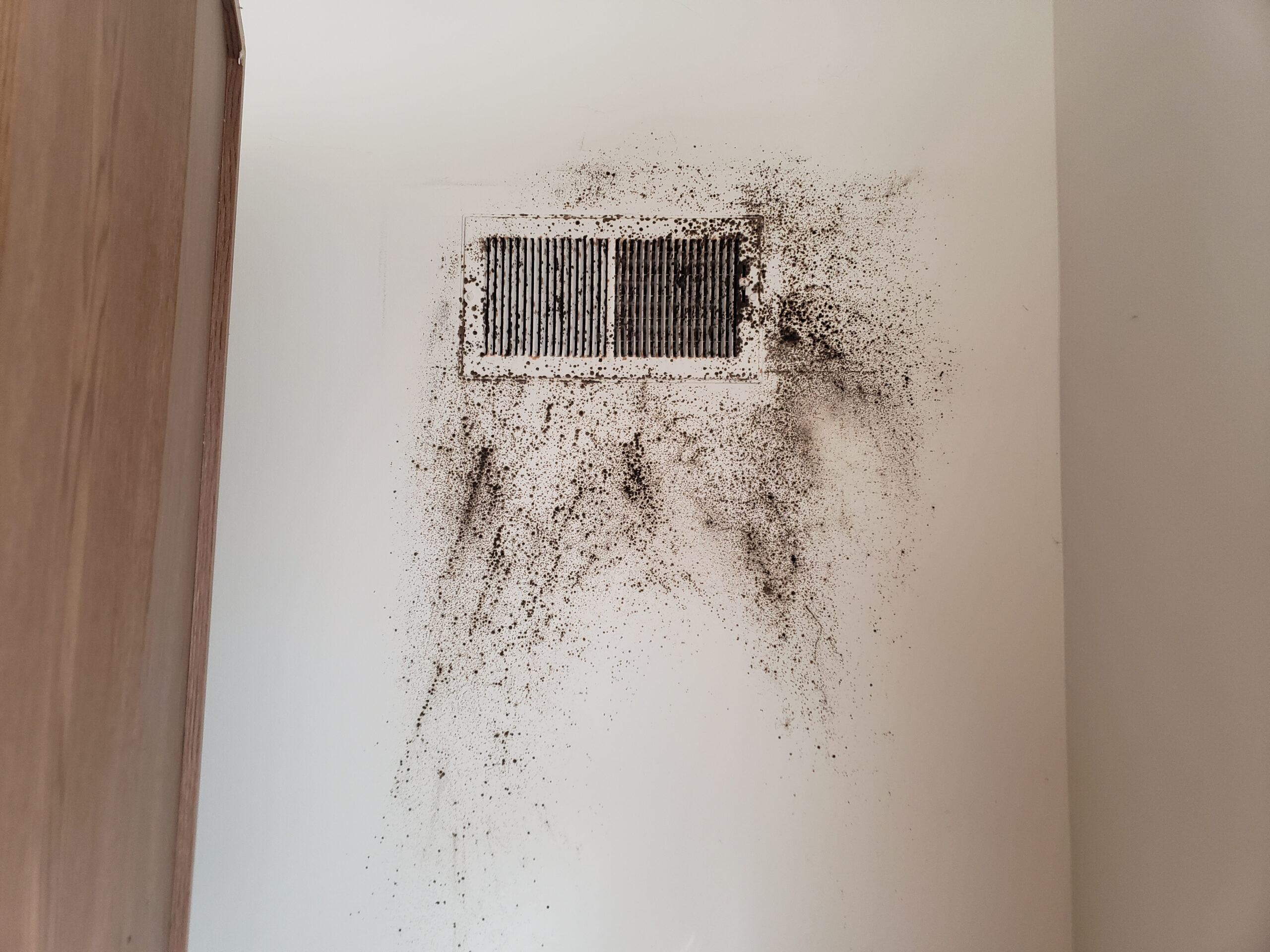
– Water intrusion from a storm, roof, or plumbing leak, and recent renovations or new flooring, are common reasons Tampa Bay homeowners test their air.
– Testing is especially worth it when a baby, older adult, or immunocompromised person lives in the home.
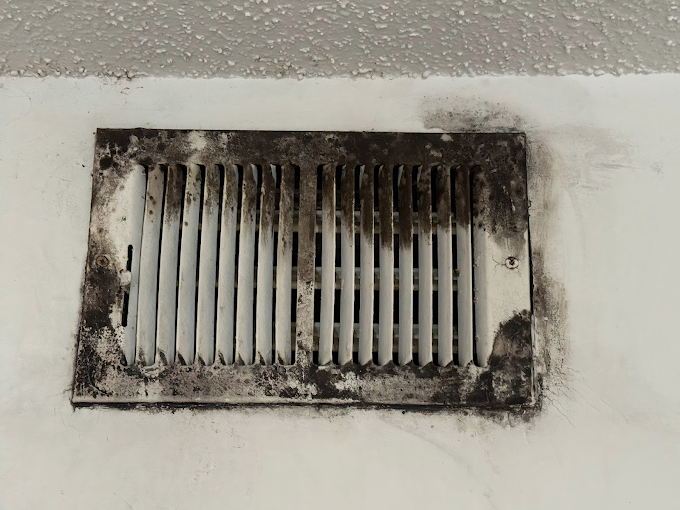
– You probably don’t need testing for a small, visible mold patch with an obvious cause and no symptoms — cleaning and better ventilation is the smarter first step.
– Indoor air quality testing typically covers mold and airborne spores, moisture and humidity, and VOCs (the chemical vapors from paints, flooring, and furnishings).
The signs your home’s air is worth testing
Air testing earns its keep when something is pointing you to it. Here are the signals I tell people to watch for, grouped by what they tend to mean.
Health signs
Smell signs
Event signs
Situation signs
Building signs
When you probably don’t need testing
What indoor air quality testing actually covers
A thorough investigation focuses on three core pillars:
- VOC Testing (Chemical Vapors): We test for volatile organic compounds (VOCs)—the chemical vapors emitted by new flooring, cabinetry, paints, adhesives, and home furnishings. These samples are collected on-site and sent to an accredited laboratory for a detailed chemical analysis.
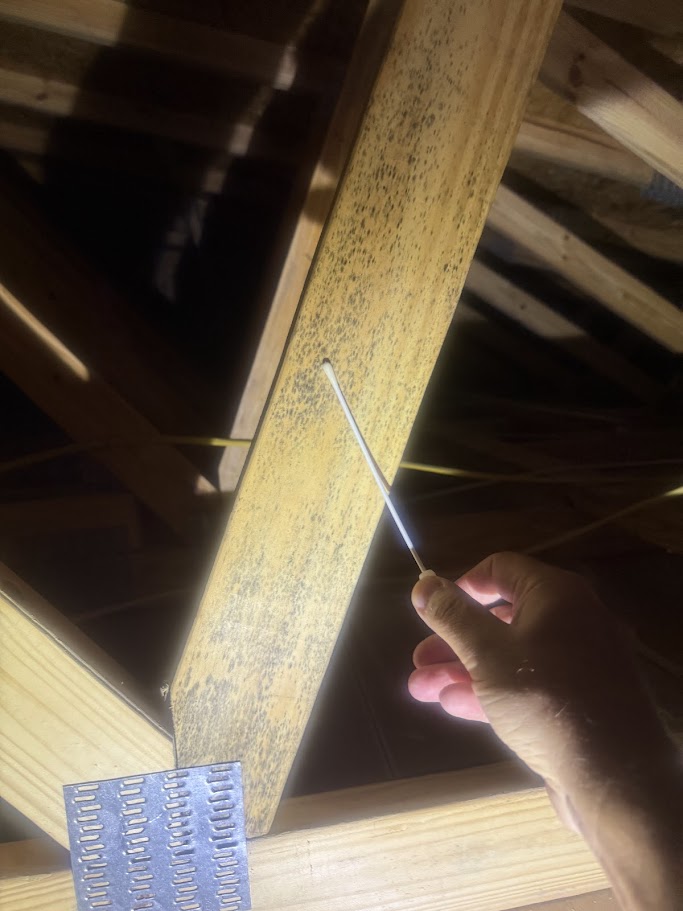
- Mold and Airborne Spores: We capture air samples using a calibrated pump. These are always paired with an outdoor control sample, because indoor spore counts only mean something when measured against the baseline atmosphere outside your specific home. If there is visible growth, a surface sample can also be taken to identify the specific mold species.
- Moisture and Humidity Diagnostics: Because moisture is the root cause of almost all mold problems, we conduct thorough relative humidity readings and moisture mapping. This helps locate exactly where hidden water might be entering or lingering behind walls and floors.
What to expect, and why independent testing matters
What to do if you’re in Tampa Bay
If one of the signs above sounds like your home — symptoms that follow you indoors, a smell that won’t quit, water that got in during a storm, or a renovation that’s still off-gassing — testing will give you a real answer instead of a guess. Tampa Bay Mold Testing provides independent, in-home indoor air quality testing throughout St. Petersburg, Tampa, and the greater Tampa Bay area. We come to you, sample what needs sampling, and hand you a lab-backed report you can actually act on — no upsell attached.
—
Frequently asked questions
How do I know if I need indoor air quality testing?
You likely need it when there’s a specific reason: symptoms like congestion, coughing, headaches, or fatigue that ease when you leave home and return when you’re back; a persistent musty or chemical smell; water intrusion from a storm or leak; a recent renovation; or a baby, older adult, or immunocompromised person in the home. If you have a small, visible mold patch with an obvious cause and no symptoms, you usually don’t need a test — cleaning and better ventilation is the better first step.
What does indoor air quality testing check for?
It typically covers mold and airborne spores, moisture and humidity, and VOCs — the volatile organic compounds that off-gas from new flooring, cabinetry, paints, and furnishings. Mold sampling uses an outdoor control sample for comparison, moisture diagnostics locate where water is getting in, and VOC samples are analyzed by an accredited lab. The point is to answer the specific question your home is raising, whether that’s mold, moisture, or a chemical source.
Can indoor air quality testing detect mold?
Yes. Mold and airborne spore sampling is a core part of it — air samples are captured with a calibrated pump and compared against an outdoor baseline, and any visible growth can be surface-sampled to identify the species. Because much mold grows out of sight, air sampling is often the only way to confirm whether elevated spore levels are present.
How much does indoor air quality testing cost in Tampa Bay?
Cost depends mainly on the size of the property and the number of samples collected. You can see a full breakdown in our guide to [what mold and air quality testing costs in Tampa](https://tampabaymoldtesting.com/mold-testing-cost-in-tampa/). We provide upfront pricing before any testing begins.
Is indoor air quality testing worth it?
It’s worth it when there’s a real question to answer — hidden moisture, unexplained symptoms, a health-sensitive occupant, or documentation you need for a purchase or a dispute. It’s not worth it for a small, visible, explainable problem with no symptoms, where cleaning and fixing the cause is the smarter move. Testing is a diagnostic tool, and it earns its cost when it resolves genuine uncertainty.
—
*Indoor air quality and mold can be sensitive subjects, and every property is different. This article is general information, not a diagnosis of your specific home. If you have health concerns you believe may be related to your indoor environment, speak with a medical professional.
Joe Margherita FL Licensed Mold Assessor MRSA4534, ACAC Certified Indoor Environmentalist