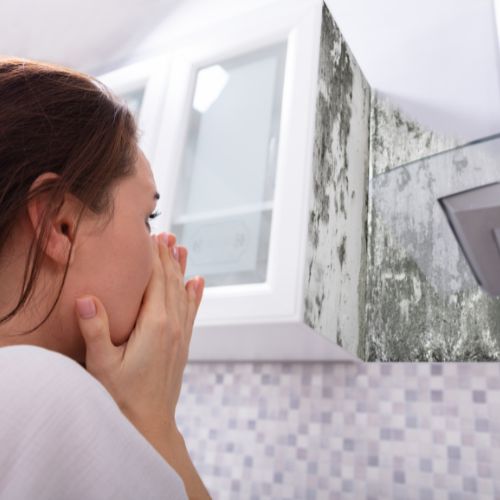
The Role of Mold Testing in Safety
A musty odor in the office. A small dark patch on a ceiling tile. A few employees complaining about headaches or sinus irritation. On their own, these might seem like minor annoyances. But in a warm, humid place like St. Petersburg, FL, they can be the first visible signs of a serious indoor mold problem.
The EPA estimates that Americans spend about 90% of their time indoors, and indoor air can be two to five times more polluted than outdoor air. In Florida’s Gulf Coast climate, moisture and humidity make buildings especially vulnerable. For local businesses, property managers, and homeowners, ignoring mold isn’t just a comfort issue—it’s a safety and liability issue.
This guide explains how professional Mold Inspection and testing protect health, support compliance, and safeguard your investment. You’ll learn what mold testing really measures, how it fits into overall safety planning, where indoor air quality fits in, and how St. Petersburg–area properties can manage risk proactively rather than reactively.
Key Insight: Thoughtful, professional mold testing is not an optional add-on—it’s a core part of keeping your building safe, healthy, and legally protected in a high-humidity environment like Tampa Bay.
Why Mold Testing Matters More in a Place Like St. Petersburg
St. Petersburg’s climate is ideal for waterfront living—and for mold. High humidity, frequent storms, and aging building stock create a perfect storm for hidden moisture and microbial growth.
In older masonry buildings downtown, in newer condos near the water, and in single-story homes throughout Pinellas County, moisture can accumulate behind drywall, under flooring, and in HVAC systems without obvious signs for months.
A few local realities make mold testing especially critical:
- Humidity averages above 70% much of the year, creating conditions where mold can grow in 24–48 hours after a leak.
- Afternoon thunderstorms and tropical systems frequently overwhelm building envelopes and roofing.
- Many commercial buildings in St. Petersburg have flat roofs and older HVAC systems—both common sources of chronic moisture intrusion.
One recent example:
A small professional office near Grand Central District called after staff complained of “stuffy” air and fatigue. Visually, the space looked fine—fresh paint, no visible mold. But a professional Mold Testing assessment revealed elevated mold spores traced back to a slow roof leak above the ceiling tiles. Without testing, the problem could have gone undetected for years.
“Most serious mold problems start as invisible moisture problems.” — Indoor Environmental Consultant
CALLOUT: In a coastal city like St. Petersburg, assuming a building is “fine” because you don’t see mold is one of the biggest safety mistakes property owners make.
What Professional Mold Testing Actually Tells You (and What It Doesn’t)
Many people think mold testing is simply about confirming “yes or no” to mold. In reality, a professional assessment is much more nuanced and valuable than that.
A comprehensive mold evaluation may include:
- Visual Mold Inspection Services of the building envelope, interior, and mechanical systems
- Air sampling to compare indoor vs. outdoor spore levels
- Surface sampling to identify what types of mold are present
- Moisture mapping and thermal imaging to locate hidden leaks
- Targeted HVAC assessments for ductwork and air handlers
These tools, combined with experience, can answer critical safety questions:
- Is there an active mold problem, or just historical staining?
- Are occupants being exposed to elevated levels of mold spores?
- Where is the moisture source that’s feeding mold growth?
- Is “black mold” present, and is it producing toxins?
- How extensive is the contamination—localized or widespread?
For a medical clinic in north St. Petersburg, Indoor Air Quality Testing revealed that a seemingly minor musty odor in one exam room was actually tied to a larger issue inside the wall cavity, caused by a failed window seal. The testing data helped the clinic:
- Document conditions for their risk manager
- Prioritize remediation without disrupting operations
- Communicate transparently with staff and patients
CALLOUT: Mold testing is a diagnostic tool, not a replacement for a thorough visual inspection and moisture investigation.
Mold Testing vs. Mold Inspection vs. Indoor Air Quality: How They Work Together
Property owners often ask whether they need an inspection, testing, or full Air Quality Monitoring program. The answer depends on your goals—but these services are most effective when they’re integrated.
How They Differ
| Service Type | Primary Purpose | Typical Use Case in St. Petersburg | What You Get |
|---|---|---|---|
| Mold Inspection | Find visible and hidden moisture/mold | After water damage or musty odors | Detailed site assessment & report |
| Mold Testing | Measure and identify mold spores | Health complaints, legal disputes | Lab results & interpretation |
| Indoor Air Quality Testing | Evaluate broader air contaminants (mold, VOCs) | Medical offices, schools, offices | Comprehensive indoor air profile |
| Ongoing Air Quality Monitoring | Track changes over time | High-risk or mission-critical sites | Trend data for management decisions |
In a downtown St. Petersburg law firm, for example, the process looked like this:
1. Mold Inspection: A senior inspector evaluated ceiling tiles, exterior walls, and the rooftop HVAC units after a roof leak.
2. Targeted Mold Testing: Air and surface samples documented the extent of contamination in affected suites.
3. Indoor Air Quality Testing: Broader IAQ testing confirmed no additional contaminants (like VOCs) were contributing to staff complaints.
The combination provided a clear roadmap: fix the roof, remediate impacted areas, and re-test to confirm safe conditions.
“Testing without inspection is like reading a lab result without examining the patient.” — Building Science Specialist
CALLOUT: The most reliable safety decisions come from integrating inspection findings, testing data, and building history—not from a single test result in isolation.
The Hidden Risks: Health, Liability, and Operational Disruption
Mold isn’t just an aesthetic problem; it’s a risk multiplier.
Health and Comfort
While reactions vary, mold exposure can contribute to:
- Respiratory irritation and coughing
- Worsened asthma and allergies
- Sinus issues and headaches
- Fatigue and difficulty concentrating
In a St. Pete Beach retail store, employees reported scratchy throats and headaches that seemed worse at work. A targeted Professional Mold Testing assessment found elevated spores near an older HVAC return. Further investigation revealed microbial growth inside the air handler and ductwork—classic signs calling for an HVAC Mold Inspection.
Once the system was cleaned and verified, complaints dropped dramatically.
Legal and Financial Exposure
In commercial and multi-family settings, overlooking mold can lead to:
- Tenant complaints and potential habitability claims
- Workers’ compensation or HR issues tied to indoor air
- Disputes with insurers over water damage and remediation scope
- Delays in property sales and lease-up because of environmental concerns
For a waterfront condo association in St. Petersburg, third-party Toxic Mold Testing provided critical documentation during an insurance claim after a storm-related roof failure. The data helped:
- Establish the timing and extent of damage
- Support remediation scope and costs
- Protect the board by showing due diligence
CALLOUT: Ignoring early signs of mold can turn a manageable repair into a six-figure remediation and legal headache.
Black Mold, HVAC Systems, and Other High-Risk Scenarios
Certain situations call for especially careful evaluation, including targeted Black Mold Detection and mechanical system assessments.
Black Mold Concerns
Stachybotrys chartarum—often called “black mold”—is a particular concern because of its potential to produce mycotoxins under certain conditions. Not every dark mold is Stachybotrys, and not every Stachybotrys situation is a crisis, but suspicion of black mold should always be taken seriously.
A homeowner near Crescent Lake discovered dark staining behind baseboards after a plumbing leak. Rather than guessing, they requested Black Mold Inspection and sampling. Lab analysis confirmed Stachybotrys in a limited area. Because the issue was caught early:
- Remediation was confined to one wall
- The family could remain in the home with containment in place
- Post-remediation testing confirmed the area was properly cleaned
HVAC as a Mold Highway
In humid climates like St. Petersburg, HVAC systems are both critical and vulnerable. Condensate leaks, dirty coils, and poorly insulated ductwork can create mold-friendly conditions that then spread spores throughout a building.
Consider:
- Commercial rooftop units exposed to intense sun and storms
- Older ductwork in mid-century homes and offices
- Undersized or oversized systems that don’t manage humidity properly
In a small medical practice near Tyrone Square, a thorough Mold Inspection identified microbial growth inside supply ducts. Follow-up testing before and after cleaning demonstrated a clear reduction in spores, restoring confidence for both staff and patients.
“Your HVAC system can either be your biggest ally in indoor air quality—or your biggest liability.” — Mechanical Engineer, IAQ Specialist
CALLOUT: Any time you suspect mold in or near your HVAC system, professional testing and inspection are essential to understand the true scope and risk.
Traditional “Smell and See” vs. Modern Mold Testing and Management
Many property owners still rely on a “looks fine, smells fine, must be fine” approach. Modern environmental assessment is much more data-driven—and far more effective at preventing costly surprises.
Old vs. New Approaches
| Approach Type | Traditional “Smell & See” | Modern, Professional Mold Management |
|---|---|---|
| Detection Method | Visual check and odor only | Visual + moisture meters + thermal imaging + lab |
| Decision Basis | Gut feeling, complaints | Documented data and industry standards |
| Cost Focus | Short-term savings | Long-term risk reduction and asset protection |
| Documentation | Minimal or none | Written reports, lab results, photo logs |
| Suitability for Insurance/Legal | Weak | Strong, defensible evidence |
| Typical Outcome in St. Pete Climate | Recurrent issues, hidden damage | Early detection, targeted remediation |
A property manager overseeing several small office buildings in St. Petersburg used to “wait for complaints” before taking action. After one major water event led to extensive hidden mold and tenant disputes, they changed strategy:
- Annual Mold Inspection Services for common areas and mechanical rooms
- Targeted Environmental Assessment when issues arise
- Routine documentation for their risk management files
Within two years, they reported fewer emergency calls, better tenant satisfaction, and more predictable maintenance budgets.
CALLOUT: In a high-humidity region, the “do nothing until it’s obvious” strategy almost always costs more in the long run.
Turning Mold Testing Data into a Safety and Maintenance Strategy
Testing results only create value if they inform decisions. The real power of Residential Mold Testing and Commercial Mold Testing is how they guide practical action.
From Test Results to Action Plan
A well-structured mold and air quality report should help you:
- Understand whether conditions are normal, elevated, or clearly problematic
- Identify likely moisture sources and risk areas
- Prioritize repairs and remediation by urgency
- Plan follow-up testing to verify success
For a mixed-use building near Beach Drive, a single roof leak affected both a ground-floor restaurant and upstairs residential units. Coordinated testing and Environmental Management Services allowed the owner to:
- Prioritize areas with the highest occupant exposure
- Phase remediation to keep the restaurant operating
- Use post-remediation testing to reassure tenants and protect against future claims
Building a Simple Mold Safety Program
Even smaller businesses and associations in St. Petersburg can benefit from a basic mold safety plan:
- Include mold and moisture checks in routine maintenance walks
- Schedule periodic professional Home Mold Detection or building inspections
- Use targeted testing when there are complaints, odors, or water events
- Keep a central file of all reports, photos, and lab results
“Good data, collected at the right time, can turn a potential crisis into a manageable repair.” — Environmental Consultant
CALLOUT: Mold testing is most valuable when you treat it as part of an ongoing building health strategy—not just a one-time emergency measure.
What This Means for Businesses in St. Petersburg, FL
For St. Petersburg businesses, property managers, and associations, mold testing isn’t just a technical service—it’s a practical tool to keep people safe and protect your bottom line.
The combination of coastal storms, intense sun, and persistent humidity means your buildings are constantly challenged. Roofs age faster. Sealants fail sooner. HVAC systems work harder. Every one of those factors increases the risk of hidden moisture and, eventually, mold.
By integrating Mold Inspection, targeted Professional Mold Testing, and broader Indoor Air Quality Testing into your maintenance plans, you can:
- Catch problems early, when they’re easier and less expensive to fix
- Reduce complaints from employees, tenants, and customers
- Strengthen your position with insurers, lenders, and regulators
- Demonstrate due diligence if questions about indoor air arise
Whether you manage a downtown office, a medical facility, a retail space, or a multi-family property, you don’t have to become an expert in mold science. You just need to work with a qualified local team that understands St. Petersburg buildings, climate, and codes—and can translate technical findings into clear, actionable steps.
Frequently Asked Questions
Q: How do I know if my St. Petersburg building really needs mold testing or just an inspection?
A: If you have clear, visible mold and an obvious moisture source (like a recent leak), a thorough Mold Inspection may be the logical first step. Testing becomes especially valuable when there are health complaints, musty odors without visible growth, potential legal or insurance issues, or when you need documentation for a sale or lease. In St. Petersburg’s humid climate, properties with recurring moisture issues, older HVAC systems, or sensitive occupants (such as medical offices or daycare centers) often benefit from combining inspection with selective Mold Testing to fully understand risk and prioritize action.
Q: Is black mold more dangerous than other types of mold?
A: The term “black mold” usually refers to Stachybotrys chartarum, which can produce mycotoxins under certain conditions. Not every dark mold is Stachybotrys, and not every Stachybotrys situation is a severe health crisis, but its presence does warrant careful evaluation. In the Tampa Bay area, where water damage from storms and plumbing leaks is common, professional Black Mold Inspection and lab confirmation help determine what type of mold is present, how extensive it is, and what level of remediation is appropriate. The key is to focus on moisture control, timely cleanup, and using testing to guide decisions, rather than panicking based on color alone.
Q: Can I rely on do-it-yourself mold test kits instead of hiring a professional?
A: DIY kits can be tempting, but they rarely provide the context needed to make sound decisions. In a place like St. Petersburg, where outdoor mold levels are naturally higher, simply knowing that mold is present indoors doesn’t tell you whether levels are normal, where the moisture source is, or what the best corrective action might be. Professional Mold Detection Services compare indoor results to outdoor baselines, interpret lab data, and integrate findings with visual inspection and building history. That combination is what helps you avoid unnecessary remediation—or, conversely, missing a serious problem.
Q: How often should we perform mold or indoor air quality testing in a commercial building?
A: Frequency depends on building type, history, and occupant sensitivity. For many St. Petersburg offices and retail spaces, periodic Mold Inspection Services (annually or biannually) combined with targeted testing after any water event is a solid baseline. Higher-risk environments—such as medical facilities, schools, or buildings with a history of moisture problems—may benefit from more regular Air Quality Monitoring or scheduled Environmental Assessment. Your inspector can help you build a schedule that balances risk, budget, and regulatory expectations.
Q: What does mold testing typically cost in the St. Petersburg area, and is it worth it?
A: Costs vary based on building size, number of samples, and complexity. A straightforward residential Home Mold Detection visit will be less than a multi-story commercial Commercial Mold Testing project with extensive sampling. That said, compared to the potential cost of uncontrolled mold growth—structural repairs, business interruption, or legal disputes—professional testing is often a modest investment in risk reduction. For many local owners, a few hundred to a couple thousand dollars in testing has prevented far larger remediation bills and helped them negotiate effectively with insurance carriers.
Q: Does insurance require professional mold testing after a water loss?
A: Policies and carriers vary, but insurers increasingly expect objective documentation when mold is involved, especially in humid regions like Tampa Bay. Third-party Professional Mold Testing and detailed reports can support your claim by establishing the extent of damage, justifying remediation scope, and confirming when conditions have been returned to normal. Even when not explicitly required, many St. Petersburg property owners find that involving an independent environmental professional early in the process helps avoid disputes and delays with adjusters.
Q: We’ve remediated mold before—do we still need post-remediation testing?
A: Post-remediation verification is a best practice, particularly for larger projects, sensitive environments, or any situation that might involve liability. In St. Petersburg, where humidity can cause issues to recur if moisture isn’t fully controlled, clearance testing provides objective confirmation that cleanup was successful and that indoor air is back to typical background levels. It also creates a clear “before and after” record that can be invaluable for tenants, employees, and insurers. Many responsible remediation contractors welcome independent clearance testing as part of a quality-focused process.
Ready to Get Started?
Mold issues rarely get better on their own—especially in a climate like St. Petersburg’s, where heat and humidity give moisture problems a head start. If you’re noticing musty odors, recurring leaks, employee complaints, or visible spots that worry you, now is the time to get clarity.
A professional assessment from Tampa Bay Mold Testing can help you understand exactly what’s happening in your building, how serious it is, and what to do next. Whether you need a focused Mold Inspection, targeted Toxic Mold Testing, or a broader Indoor Air Quality Testing program, you’ll get clear explanations—not scare tactics—and practical recommendations tailored to your property and budget.
Seasonal storms, summer humidity, and aging infrastructure mean timing matters. Addressing concerns now can prevent more extensive damage during the next heavy rain or heat wave. If you’re responsible for the safety and comfort of others—tenants, staff, customers, or residents—having reliable data in hand is one of the most responsible steps you can take.
Take the first step toward a healthier, safer building today.
About Tampa Bay Mold Testing
Tampa Bay Mold Testing is a locally focused environmental consulting firm serving St. Petersburg and the greater Tampa Bay area. Our team specializes in Mold Inspection Services, Mold Detection Companies work, and comprehensive Environmental Consulting Services for residential, commercial, and institutional clients. With years of experience in Florida’s unique climate and building types, we provide independent, data-driven evaluations you can trust to guide remediation, risk management, and long-term building health.