Comprehensive Guide to Mold Detection Methods
A musty odor in an office near Central Avenue. Employees in a warehouse off 34th Street complaining of headaches. A condo on Beach Drive with mysterious spots on the ceiling after a summer storm. In St. Petersburg, where humidity is a year-round reality and afternoon downpours are part of daily life, mold isn’t just a nuisance—it’s a real business risk.
Studies from the EPA and CDC estimate that indoor pollutants, including mold, can be two to five times higher than outdoor levels. In Florida, insurance data shows water damage and related mold claims are among the most common commercial property losses. That means what you can’t see in your building may be quietly affecting your air, your staff, and your bottom line.
This guide breaks down how mold is actually detected—beyond “I see a spot on the wall.” You’ll learn how visual Mold Inspection, advanced Mold Testing, and modern Indoor Air Quality Testing work, which methods are best for different situations, and how St. Petersburg businesses can choose the right approach and the right partner.
Key Insight: Mold detection isn’t one test or one tool. It’s a layered process that combines inspection, sampling, and analysis to reveal what’s growing, where it’s coming from, and how serious the problem really is.
Seeing Is Only the Start: Visual Mold Inspection That Actually Finds the Source
Most mold problems start with a suspicion: a stain, an odor, a health complaint. A professional visual inspection turns that suspicion into a clear picture of what’s happening in your building.
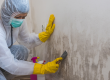
A thorough Mold Inspection goes far beyond a quick walk-through. A qualified inspector:
- Reviews the building’s history (leaks, roof issues, past renovations)
- Talks with staff or tenants about symptoms and problem areas
- Checks moisture-prone areas: bathrooms, kitchens, mechanical rooms, basements, and behind or around HVAC
- Uses moisture meters and sometimes thermal imaging to spot hidden dampness in walls, ceilings, and floors
- Assesses ventilation and building pressure that can draw humid air inside
In St. Petersburg, we often see issues tied to:
- Flat commercial roofs that pond water after storms
- Old window systems on waterfront buildings that allow wind-driven rain
- HVAC systems running nearly nonstop in summer, creating condensation problems
A recent example: a small law firm downtown noticed dark streaks on a ceiling tile and an earthy smell in their conference room. A basic look suggested a minor roof leak. A detailed inspection, including moisture mapping, showed water traveling several feet along a beam from a rooftop HVAC curb. The visible growth was only the tip of a much larger problem hidden above the tiles.
“Mold follows moisture. If you don’t find the water, you haven’t really found the mold problem.” — Building Health Consultant
CALLOUT: A visual inspection alone can’t tell you what type of mold you’re dealing with or how much is in the air, but it’s the critical first step in any effective mold detection strategy.
Air Sampling and Indoor Air Quality Testing: What You Breathe All Day
If you want to understand what employees, customers, or tenants are actually breathing, you need air sampling. This is where Indoor Air Quality Testing and targeted mold air sampling come into play.
With air sampling, a calibrated pump pulls a known volume of air over a collection medium (usually a cassette or culture plate). That sample goes to an accredited lab, where technicians identify and count mold spores and other particulates. Results are compared to outdoor air and to typical background levels.
Professional Air Quality Monitoring for mold can help you:
- Confirm or rule out a suspected mold problem when nothing obvious is visible
- Evaluate whether a known mold issue is affecting adjacent areas
- Document conditions for insurance, landlords, or corporate risk management
- Assess whether remediation work has successfully returned the space to normal
A St. Petersburg restaurant near the waterfront recently experienced repeated complaints from staff about irritated eyes and congestion. The owner had already replaced carpet and cleaned ducts. Targeted indoor and outdoor air samples showed significantly elevated Cladosporium and Aspergillus spores in the dining area compared to outside. Further investigation traced the issue to concealed water damage behind a beverage cooler that had been leaking for months.
“Data without context can mislead. Air test results must be interpreted alongside a physical inspection and building history.” — Indoor Environmental Professional
For complex buildings or recurring issues, engaging an Environmental Consultant Near Me can ensure your Environmental Assessment covers mold, ventilation, humidity, and other pollutants together—not in isolation.
Surface Sampling, Tape Lifts, and Swabs: Identifying What’s Growing
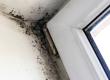
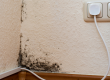
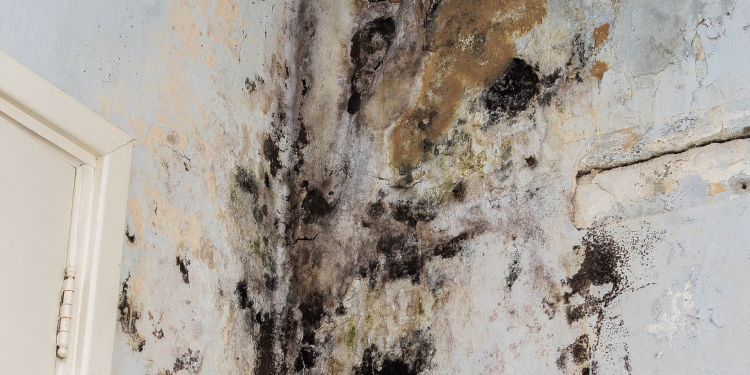
When you see discoloration on a wall, ceiling tile, or piece of furniture, you may wonder: Is that really mold? And if it is, is it one of the more concerning species like Stachybotrys (often called “black mold”) or something more typical?
Surface sampling helps answer those questions. Common methods include:
- Tape lift samples – A piece of clear tape is pressed onto the suspect area, then placed on a slide for microscopic analysis.
- Swab samples – A sterile swab is rubbed across the surface and sent to the lab.
- Bulk samples – A small piece of material (drywall, insulation, etc.) is removed and analyzed.
These methods are especially valuable for:
- Black Mold Inspection when dark growth appears on drywall or around windows
- Confirming whether a cleaned or painted area still has active mold growth
- Assessing materials before demolition or renovation in older St. Petersburg buildings
Recently, a medical office near St. Anthony’s Hospital noticed black staining around a window frame after a tropical storm. A surface sample confirmed Stachybotrys chartarum along with other water-indicator molds. That result changed the scope of remediation, prompting a more controlled removal and better documentation for the landlord and tenants.
CALLOUT: Surface samples tell you what’s on that specific spot—not what’s in the air throughout your building. They’re best used to answer “what is this?” rather than “how bad is the overall problem?”
Surface sampling is a key part of Residential Mold Testing and Commercial Mold Testing, especially when you need clear documentation for real estate transactions, tenant disputes, or corporate compliance.
HVAC and Hidden Spaces: Where Mold Hides in Florida Buildings
In a climate like St. Petersburg’s, your HVAC system runs much of the year. That constant cooling, dehumidifying, and air circulation makes it both your best defense against mold—and one of the most common places for mold-related issues to develop.
A targeted HVAC Mold Inspection looks at:
- Supply and return ducts, especially near air handlers
- Condensate pans and drain lines, which can clog and overflow
- Evaporator coils and insulation inside air handling units
- Duct liners and soundproofing materials
- Fresh air intakes and filters
We often see problems in:
- Older strip centers where rooftop units haven’t been properly maintained
- Coastal properties where salty air and high humidity strain equipment
- Buildings with oversized systems that short-cycle, failing to dehumidify properly
A real-world case: a small tech company renting space off 4th Street North noticed visible mold on supply diffusers and persistent musty odors. A detailed inspection revealed microbial growth inside lined ductwork and a chronically wet condensate pan. Targeted Professional Mold Testing of the HVAC system, combined with building-wide air samples, helped prioritize which components needed cleaning, which needed replacement, and whether staff could remain in place during work.
“Your HVAC system is the lungs of your building. If it’s contaminated, every room can be affected.” — Mechanical Engineer, Indoor Air Specialist
Hidden mold can also lurk:
- Behind vinyl wallpaper common in hotels and medical offices
- Under flooring in ground-level units after flooding
- Inside wall cavities after minor plumbing leaks that were never fully dried
This is where advanced diagnostic tools and a methodical inspection approach make the difference between a quick fix and a recurring problem.
Traditional vs. Modern Mold Detection: What’s Changed and Why It Matters
Mold detection has evolved significantly. Older methods relied heavily on what inspectors could see, smell, or culture in a petri dish. Modern techniques use more precise sampling, better lab analysis, and a building-science approach.
Here’s a comparison:
| Approach Type | Traditional Method | Modern Method | Impact for St. Petersburg Businesses |
|---|---|---|---|
| Initial Assessment | Quick walk-through, minimal tools | Full Mold Inspection Services with moisture mapping and building history | Finds hidden issues from roof leaks, plumbing, humidity |
| Air Testing | Limited culture plates | Calibrated spore traps with lab counting & ID | Faster, more accurate snapshot of indoor conditions |
| Surface Testing | Visual guesswork | Targeted tape, swab, or bulk samples | Confirms species for Toxic Mold Testing when needed |
| HVAC Evaluation | Basic filter check | Detailed HVAC Mold Inspection and performance review | Prevents system-wide contamination |
| Reporting & Documentation | Brief notes, few photos | Detailed narrative, photos, lab results, recommendations | Stronger support for insurance and legal needs |
For local businesses, the benefits of modern methods are real:
- Better documentation for property managers, insurers, and corporate HQ
- More targeted remediation, which can reduce downtime and cost
- Clearer communication with tenants and staff about risks and next steps
One St. Petersburg retail store in a historic building initially received a “quick look” report from a competitor that simply noted “mold present, remediation recommended.” After months of unresolved issues, they sought more comprehensive Environmental Consulting Services. A detailed inspection and modern Mold Detection Services identified specific moisture pathways from an adjacent unit and HVAC imbalances that were driving humid air into the store. With that information, the landlord and tenants finally resolved the issue.
CALLOUT: Modern mold detection isn’t about more tests—it’s about the right tests, interpreted by experts, in the context of how your building actually works.
Choosing the Right Method for Your Building: Practical Scenarios
Not every building needs every test. The right combination depends on your symptoms, your space, and your goals. Here are some common St. Petersburg scenarios and how different methods apply.
Scenario 1: Musty Odor, No Visible Mold
- Best tools: Comprehensive inspection, moisture mapping, strategic air sampling
- Why: Odor often indicates hidden moisture or concealed mold in walls, ceilings, or HVAC
- Local example: A co-working space near the Edge District had recurring odors only in the afternoons. Testing revealed elevated spore counts when the HVAC kicked into high gear, leading to an investigation of ductwork and a wet mechanical chase.
Scenario 2: Visible Suspect Growth After a Leak
- Best tools: Visual inspection, surface sampling, limited air testing
- Why: You need to confirm it’s mold, understand species (for Black Mold Detection concerns), and gauge how far it spread
- Local example: A boutique hotel on Beach Drive discovered staining behind a headboard after a window leak. Targeted Home Mold Detection-style methods in guest rooms helped them address the issue discreetly and document their response.
Scenario 3: Large Office or Commercial Complex with Health Complaints
- Best tools: Full Environmental Assessment, multi-zone air sampling, HVAC evaluation, occupant interviews
- Why: Symptoms may arise from a combination of mold, ventilation issues, and other indoor pollutants
- Local example: A corporate office park off Ulmerton Road needed building-wide Commercial Mold Testing and air quality evaluation after staff in several suites reported headaches and fatigue.
Cost, Risk, and Return: What Smart Mold Detection Saves You
It’s natural to look at mold detection as an expense. But for St. Petersburg businesses, it’s often a risk management investment that can prevent far more costly problems.
Here’s a simplified comparison for a typical small commercial space (costs are approximate and can vary):
| Option | Typical Local Cost Range | Potential Risk if Skipped | Long-Term Benefit |
|---|---|---|---|
| Basic visual inspection | Low | Missed hidden moisture, recurring issues | Early detection, targeted maintenance |
| Inspection + limited air testing | Low–Moderate | Undocumented conditions, disputes with tenants | Clear baseline for future claims or complaints |
| Full inspection + air + surface tests | Moderate | Larger remediation later, operational disruption | Informed decisions, precise remediation scope |
| No professional testing | $0 now | Health complaints, property damage, legal exposure | Short-term savings, high long-term risk |
A St. Petersburg retailer in a Gulf-to-Bay corridor plaza declined early Mold Testing Near Me after a minor roof leak, opting for cosmetic repairs only. Eighteen months later, concealed mold had spread behind walls and into adjacent units. The resulting remediation required temporary closure, lost revenue, and a protracted dispute with the landlord and insurer. The cost far exceeded what early, professional Home Mold Detection-style testing and targeted repairs would have been.
“Mold problems rarely stay the same. They either get better because you fix the moisture—or they get worse.” — Indoor Environmental Assessor
Strategic testing as part of ongoing Environmental Management Services helps you:
- Catch small issues before they become crises
- Provide evidence that you’ve acted responsibly
- Protect brand reputation and occupant trust
What This Means for Businesses in St. Petersburg, FL
St. Petersburg’s mix of historic brick buildings, mid-century strip centers, and modern waterfront developments creates a unique mold risk profile. Add in:
- High humidity much of the year
- Intense afternoon thunderstorms and tropical systems
- Salt-laden coastal air that wears on building envelopes and HVAC
- Older infrastructure in some districts that wasn’t designed for today’s cooling demands
…and you have a recipe for moisture problems that can easily turn into mold issues.
For local property managers, business owners, and facility directors, this means:
- Proactive detection matters. Waiting for visible mold or major complaints can lead to larger remediation projects, tenant turnover, and reputational damage.
- Documentation is your ally. Detailed Mold Inspection Services and testing reports support you in discussions with insurers, corporate risk teams, and tenants.
- Local expertise counts. A provider who understands St. Petersburg’s building stock, climate patterns, and common failure points will spot issues faster and recommend more practical solutions.
Whether you manage a medical office near Bayfront, a restaurant in the Grand Central District, or an industrial space near Gandy, a thoughtful mold detection plan is part of taking care of your people and your property.
Frequently Asked Questions
Q: How do I know if my business needs professional mold testing or just a basic inspection?
A: The decision often comes down to what you’re seeing and why you’re concerned. If you have a clear, one-time leak with limited visible damage, a thorough Mold Inspection may be enough to guide repairs. If you’re dealing with musty odors, health complaints, or a history of moisture issues, adding Mold Testing—especially air and targeted surface samples—can clarify how widespread the problem is and whether it’s affecting indoor air quality. In St. Petersburg’s humid climate, buildings with flat roofs, older windows, or heavy HVAC use often benefit from at least baseline Indoor Air Quality Testing to document conditions and support future decisions.
Q: Are all black spots “black mold,” and do I always need toxic mold testing?
A: Not every dark stain is the infamous “black mold” (Stachybotrys). Many common molds appear dark on surfaces. That’s where Black Mold Inspection and surface sampling are useful. Toxic Mold Testing typically refers to identifying species that have been associated with more serious health concerns. You may want this level of testing if occupants have significant symptoms, if the affected area is large, or if you’re dealing with sensitive environments like medical offices or daycare centers. A professional inspector can help you decide if species-level identification is necessary, or if a more general assessment will meet your needs.
Q: How reliable are DIY mold test kits compared to professional mold testing?
A: DIY kits can show that mold spores are present, but they rarely tell the full story. In a place like St. Petersburg, mold spores are almost always in the air at some level, especially near the coast. Without outdoor comparisons, calibrated pumps, and expert interpretation, it’s easy to misread results and either panic unnecessarily or overlook a real problem. Professional Professional Mold Testing includes proper sampling strategy, chain-of-custody, accredited lab analysis, and a written report explaining what the results actually mean for your building and occupants. For businesses, that level of documentation is often critical for insurance, legal, or corporate compliance purposes.
Q: How often should we test our building’s indoor air quality for mold?
A: Frequency depends on your building type, history, and risk profile. For many St. Petersburg offices and retail spaces with no prior issues, periodic Air Quality Monitoring every few years—or after major roof, plumbing, or HVAC events—may be sufficient. Higher-risk properties, like older waterfront buildings, healthcare facilities, or spaces with past water damage, may benefit from more regular Indoor Air Quality Testing as part of broader Environmental Management Services. The most important times to test are: after known water intrusions, before and after remediation, and when occupants report persistent respiratory or comfort complaints.
Q: What’s the difference between a mold inspector and an environmental consultant?
A: A mold inspector typically focuses specifically on moisture and mold issues: conducting Mold Detection Services, collecting samples, and recommending remediation steps. An Environmental Consultant Near Me or firm offering Environmental Consulting Services looks more broadly at building health, including ventilation, chemical exposures, and regulatory compliance. For straightforward issues—like a single leak in a small office—a qualified mold inspector is often sufficient. For complex buildings, multiple complaints, or potential legal/insurance disputes, involving an environmental consultant can provide a more comprehensive view and stronger documentation.
Q: Is mold testing necessary if we already plan to remove damaged materials?
A: Sometimes, yes. Testing provides a baseline of conditions before work, helps define the scope of remediation, and verifies that the space has been returned to normal afterward. For small, clearly defined issues, you may be able to proceed with repairs based on a detailed Mold Inspection alone. But in multi-tenant buildings, sensitive environments, or larger projects, pre- and post-remediation Mold Testing Near Me can protect owners, managers, and contractors by documenting that reasonable steps were taken and that indoor conditions are acceptable after the work is complete. In the St. Petersburg market, many insurers and corporate risk managers expect this level of documentation.
Q: How long does professional mold testing take, and will it disrupt our operations?
A: Most inspections and on-site sampling for Commercial Mold Testing can be completed in a few hours, depending on building size and complexity. The work is generally non-invasive and can often be done during normal business hours with minimal disruption. Lab results are typically available within 2–5 business days, though rush options may be possible. For St. Petersburg businesses with tight schedules—restaurants, clinics, retail—an experienced provider will coordinate timing to avoid peak periods and clearly communicate any areas that need to be temporarily off-limits during sampling.
Ready to Get Started?
In St. Petersburg’s climate, mold doesn’t wait for a convenient time. Summer storms, aging roofs, and hardworking HVAC systems all create opportunities for moisture to linger where it shouldn’t. The earlier you understand what’s happening inside your walls and air, the more options you have—and the less you’ll spend—on fixing it.
If you’re noticing musty odors, recurring leaks, visible staining, or staff complaints, this is the moment to act. A clear, data-backed assessment can turn guesswork into a plan: where moisture is entering, what kind of growth you’re dealing with, and which combination of inspection, Mold Testing, and Indoor Air Quality Testing makes sense for your building.
Tampa Bay Mold Testing provides local, science-based support to businesses throughout St. Petersburg and the surrounding Tampa Bay area. From small offices to multi-building campuses, you’ll get straightforward findings, practical recommendations, and the documentation you need to move forward confidently.
About Tampa Bay Mold Testing
Tampa Bay Mold Testing is a locally focused inspection and testing firm serving St. Petersburg and the greater Tampa Bay region. Our team specializes in mold assessments, Mold Inspection Services, and Indoor Air Quality Testing for commercial and residential properties. With years of experience in Florida’s unique climate, industry-standard training, and relationships with accredited laboratories, we provide objective, detailed reporting that helps property owners, managers, and businesses make informed decisions about building health. To learn more about our services and approach, visit our homepage.