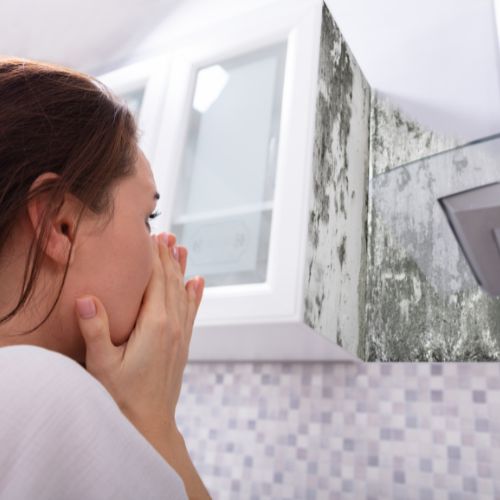
Mold Inspection Guidelines for New Home Buyers
Buying a home in St. Petersburg is exciting—sunshine, sea breezes, and that classic Gulf Coast lifestyle. But our warm, humid climate also creates ideal conditions for mold, especially in older homes, properties with past water damage, or houses that have sat vacant through a rainy season.
According to the EPA, indoor mold is present in most buildings, but elevated levels can trigger allergies, asthma, and serious respiratory issues. In Florida, insurance data shows that water and moisture-related claims are among the most common for homeowners. That means what you can’t see behind walls, under flooring, or in your HVAC system may be just as important as the new countertops or fresh paint.
This guide walks you through practical, no-nonsense mold inspection guidelines tailored for new home buyers in the St. Petersburg and Tampa Bay area. You’ll learn how to spot red flags, when to call in professional help, how Mold Inspection and Mold Testing actually work, what it all might cost locally, and how to protect your investment and your health before you sign on the dotted line.
Key Insight: A thorough mold inspection before you buy can save you thousands in repairs, protect your health, and give you leverage in negotiations—especially in Florida’s humid climate.
Why Mold Matters So Much in St. Petersburg Homes
St. Petersburg’s charm comes with a catch: year-round humidity, frequent storms, and older housing stock in many neighborhoods. From Shore Acres to Old Northeast to Gulfport, homes here are constantly battling moisture intrusion.
Why our local climate is high-risk
- High humidity means moisture can accumulate on cool surfaces, even without a major leak.
- Afternoon thunderstorms and tropical systems can cause roof leaks and window intrusion.
- Many homes have crawlspaces or older foundations that allow ground moisture to seep in.
- Air conditioning systems run heavily much of the year—if not properly maintained, they can harbor mold inside ducts and air handlers.
“Anywhere you have warmth, moisture, and a food source (like drywall or wood), you have the recipe for mold growth.” — Environmental Health Consultant
Real local example
A couple relocating from up north bought a 1960s block home in St. Pete’s Jungle Terrace neighborhood. The house looked spotless—fresh paint, updated kitchen, staged beautifully. They skipped a dedicated Professional Mold Testing service, relying only on a basic home inspection.
Three months after move-in, they noticed a musty odor in the master closet and slight warping in the baseboards. An investigation revealed hidden mold behind the bedroom wall from a long-term, slow roof leak. Remediation and roof repair cost over $12,000—expenses that could have been negotiated with the seller had they been discovered earlier.
CALLOUT: In St. Petersburg, mold isn’t just a cosmetic issue—it’s often a symptom of underlying moisture problems that can be costly to fix.
Step-by-Step: How to Screen a Home for Mold Before You Make an Offer
You don’t need to be a specialist to spot early warning signs. While professional Mold Detection Services are crucial, your own walkthrough can reveal a lot before you even pay for inspections.
Areas you should pay close attention to
During your showings and open houses, focus on:
- Bathrooms: Look for discolored caulk, peeling paint on ceilings, or musty odors.
- Kitchens & Laundry Rooms: Check under sinks and behind appliances for stains or swelling.
- Windows & Doors: Inspect sills and trim for bubbling paint or softness.
- Ceilings: Look for yellow or brown water stains, especially near exterior walls.
- Closets & Low-Use Rooms: Musty smells often show up here first.
- Garage & Attic: Check for visible mold, rusted nails, or damp insulation.
“Trust your nose. A persistent musty odor is one of the most reliable early indicators of a moisture or mold problem.” — Building Inspector, Tampa Bay
What to ask the seller or agent
- Has the home ever had roof leaks, plumbing leaks, or flooding?
- Are there any past mold reports or remediation records?
- How old is the roof and HVAC system?
- Have there been any insurance claims for water damage?
If you see multiple red flags—strong odors, visible growth, past water damage—this is the time to bring in a specialist for Home Mold Detection and an Environmental Assessment before moving forward.
CALLOUT: Your initial walkthrough is your first line of defense. The more observant you are now, the more informed your inspection choices will be later.
What a Professional Mold Inspection Actually Includes
Once you’re under contract, a dedicated mold inspection goes far beyond what a standard home inspection covers. A home inspector might note visible mold or moisture, but a specialized Mold Inspection Services provider is trained to track mold back to its source and determine how widespread the problem is.
Typical components of a professional mold inspection
A thorough inspection from a local firm like Tampa Bay Mold Testing often includes:
- Visual inspection: Detailed room-by-room assessment, including attic, crawlspace (if present), and garage.
- Moisture mapping: Using moisture meters and thermal imaging to locate hidden damp areas behind walls and under flooring.
- HVAC evaluation: Targeted HVAC Mold Inspection of air handlers, ductwork, and returns.
- Air and surface sampling: Indoor Air Quality Testing and swab/tape samples to identify mold types and levels.
- Report & recommendations: Written findings with photos, lab results, and guidance on remediation and prevention.
“Testing without inspection is like reading lab results without examining the patient. You need both to really understand what’s going on.” — Certified Industrial Hygienist
Local case study
A young family buying a home near Crescent Lake hired Tampa Bay Mold Testing after their general inspector noticed staining in the attic. The mold inspector found elevated mold spores in the upstairs bedrooms through Air Quality Monitoring and discovered a disconnected bathroom exhaust vent dumping moist air into the attic.
Because they had a detailed report, they negotiated with the seller to replace damaged insulation, remediate the attic, and fix the venting—saving roughly $6,500 out of pocket.
CALLOUT: A proper mold inspection is part detective work, part science. The goal isn’t just to find mold—it’s to understand why it’s there.
Mold Testing vs. Visual Inspection: When Do You Need Both?
Home buyers often ask whether they really need lab testing if mold is already visible, or whether a visual inspection alone is enough. The answer depends on your situation, your health, and your risk tolerance.
Key differences
| Aspect | Visual Mold Inspection | Lab-Based Mold Testing / IAQ |
|---|---|---|
| What it shows | Visible growth, staining, moisture sources | Types and levels of spores |
| Tools used | Flashlights, cameras, moisture meters | Air pumps, swabs, cassettes |
| Detects hidden mold? | Sometimes (with thermal imaging) | Often, via elevated spore counts |
| Cost (St. Pete typical range) | $250–$450 standalone | $80–$150 per sample, often bundled |
| Best for | Finding problem areas, sources | Quantifying risk & documenting issues |
When testing becomes especially important
- Health concerns: If you or a family member has asthma, allergies, or compromised immunity, Toxic Mold Testing and Black Mold Inspection can be critical.
- No visible mold, but strong odors: Residential Mold Testing via air samples can reveal hidden issues.
- Real estate negotiations: Lab-backed Commercial Mold Testing or residential testing reports carry more weight when asking for credits or repairs.
- Suspected black mold: Black Mold Detection helps determine if Stachybotrys or other toxigenic species are present.
A buyer in Kenwood, for example, was worried about a faint musty smell in a 1920s bungalow, but no visible mold was present. Air sampling identified elevated Aspergillus/Penicillium spores compared to outdoor levels. Further investigation found damp, moldy subflooring from a slow plumbing leak. Without Professional Mold Testing, that hidden damage would have gone unnoticed.
CALLOUT: Visual inspection tells you “where” and “why”; testing tells you “what” and “how much.” Together, they give you a complete picture.
Understanding Results, Remediation, and Negotiation Power
Once you receive your inspection and testing report, the next question is: what now? As a buyer, you’re not just trying to understand the science—you’re trying to decide whether to move forward, walk away, or renegotiate.
Making sense of findings
Your inspector should clearly explain:
- What types of mold were found (if tested)
- How indoor levels compare to outdoor samples
- The likely moisture source (roof, plumbing, humidity, HVAC)
- Whether growth appears localized or widespread
- Recommended remediation steps and ballpark costs
“Good reporting isn’t just numbers—it’s context, risk evaluation, and clear next steps.” — Senior Environmental Consultant
Using results in negotiations
In St. Petersburg’s competitive market, mold findings don’t automatically kill a deal. They often become a tool for renegotiation:
- Seller-paid remediation: The seller hires a licensed remediator before closing.
- Closing credits: You receive funds at closing to handle remediation yourself.
- Price reduction: The purchase price is adjusted to reflect needed work.
A buyer in Snell Isle, for instance, discovered significant mold in the HVAC system through Air Quality Monitoring and Environmental Consulting Services. Rather than walk away, they negotiated a $10,000 credit, which covered duct cleaning, air handler replacement, and dehumidification upgrades.
When to walk away
Some situations are more serious:
- Widespread mold throughout walls and ceilings
- Evidence of chronic, unresolved water intrusion
- Structural damage from long-term moisture
- Sellers unwilling to address documented issues
CALLOUT: Mold problems don’t always mean “don’t buy.” They mean “buy with eyes open—and the right protections in place.”
Preventing Future Mold Problems After You Move In
Your due diligence doesn’t end at closing. The same conditions that caused mold before can cause it again if you don’t manage moisture and indoor air quality going forward.
Practical prevention strategies for St. Pete homeowners
- Control humidity: Aim for 45–55% indoor humidity. Use your AC properly and consider whole-home or room dehumidifiers.
- Maintain your HVAC: Change filters regularly, schedule annual maintenance, and have periodic HVAC Mold Inspection if you notice odors.
- Ventilate correctly: Ensure bathroom and kitchen exhaust fans vent outdoors, not into attics or crawlspaces.
- Address leaks immediately: Even small plumbing drips or roof leaks can lead to mold within 24–48 hours.
- Monitor high-risk areas: Attics, under sinks, around windows, and garage walls in flood-prone zones.
A homeowner in Shore Acres, for example, installed smart humidity sensors in several rooms after a major renovation. When humidity spiked above 60% during a summer storm week, the system alerted them. They discovered a small roof flashing failure early and fixed it before mold had a chance to grow.
“Moisture control is mold control. The goal isn’t a completely mold-free home—that’s impossible—but a home where mold can’t take hold and spread.” — Building Science Specialist
CALLOUT: The best time to prevent mold is before it starts. The second-best time is right after you fix a moisture issue.
Traditional vs. Modern Mold Assessment Approaches
Not all mold assessments are created equal. Modern tools and methods provide far more precise, actionable information than older “sniff test and flashlight” approaches.
How approaches differ
| Feature / Method | Traditional Approach | Modern, Best-Practice Approach |
|---|---|---|
| Inspection tools | Flashlight, basic visual check | Thermal imaging, moisture mapping |
| Air testing | Limited or none | Targeted Indoor Air Quality Testing |
| HVAC evaluation | Often skipped | Dedicated HVAC Mold Inspection |
| Reporting | Brief notes, minimal photos | Detailed reports with photos & lab data |
| Role of environmental consultants | Rarely involved | Environmental Management Services and consulting used on complex cases |
| Typical local cost vs. value (St. Pete) | Lower upfront, higher risk of missed issues | Slightly higher upfront, fewer surprises |
For higher-end properties, historic homes, or buildings with a history of water damage, many buyers now engage an Environmental Consultant Near Me to coordinate Environmental Consulting Services, testing, and long-term moisture management plans.
CALLOUT: Modern mold assessment isn’t just about finding problems—it’s about preventing them and managing your home as a long-term investment.
What This Means for Home Buyers in St. Petersburg
For buyers in St. Petersburg and the broader Tampa Bay area, mold assessment isn’t an optional “extra”—it’s a core part of smart due diligence. Our mix of older housing, coastal weather, and intense humidity means moisture issues are common, even in homes that look flawless on the surface.
By building mold evaluation into your buying process, you:
- Protect your family’s health, especially if anyone has allergies, asthma, or chemical sensitivities.
- Avoid unexpected post-closing expenses from hidden damage.
- Gain leverage in negotiations with clear, documented findings.
- Make informed choices about insurance, renovations, and future maintenance.
Neighborhoods with older homes, like Old Northeast, Kenwood, and Historic Roser Park, benefit especially from careful Home Mold Detection and environmental review. Waterfront and low-lying areas such as Shore Acres or Coquina Key face added risk from storm surge and high groundwater, making thorough Environmental Assessment and moisture evaluation even more critical.
Ultimately, a mold inspection and appropriate Mold Testing give you what every buyer wants in a fast-moving market: clarity. Instead of guessing or hoping, you know exactly what you’re walking into—and you can decide with confidence whether the home, the repairs, and the price all line up with your goals.
Frequently Asked Questions
Q: Do I really need a separate mold inspection if I’m already getting a home inspection?
A: Yes, in many cases you do. A standard home inspection focuses on structural and mechanical systems and may only note obvious mold or moisture issues. A dedicated Mold Inspection uses specialized tools, moisture mapping, and sometimes Mold Testing to uncover hidden problems a generalist might miss. In St. Petersburg, where humidity and past storm damage are common, that extra layer of detail can reveal issues inside walls, attics, or HVAC systems that aren’t visible. Think of the home inspection as your broad overview and the mold inspection as a focused health check for the building’s indoor environment.
Q: When is Indoor Air Quality Testing necessary for a home purchase?
A: Air testing becomes important when there are red flags but not enough visible evidence to understand the full problem. If you notice musty odors, have a history of allergies or asthma, or the home has a record of water damage, targeted Air Quality Monitoring can quantify what’s in the air you’ll be breathing. In St. Pete’s older homes, air tests often help detect hidden mold in wall cavities or ductwork. They’re also useful for documenting conditions for negotiations, or for peace of mind if you’re buying an older or previously flooded property.
Q: How much does a professional mold inspection typically cost in St. Petersburg?
A: Costs vary based on the size of the home, its complexity, and how much Residential Mold Testing is needed. As a general guideline, a quality inspection for an average-sized home in the St. Petersburg area might range from $300 to $600, with additional fees for lab samples (often $80–$150 per sample). While that’s an added upfront cost, it’s small compared to potential remediation bills that can run into the thousands. Many buyers view it as an insurance policy against hidden moisture and mold issues that a quick walkthrough or basic inspection could miss.
Q: Should I be especially worried about “black mold” when buying a home?
A: “Black mold” usually refers to Stachybotrys, a dark mold sometimes associated with water-damaged buildings. Its presence may indicate long-term moisture problems. However, many molds can appear dark, and not all are toxigenic. The real concern is the severity and cause of the moisture problem. Black Mold Inspection and targeted Black Mold Detection can determine whether Stachybotrys or other concerning species are present. More importantly, a thorough inspection will identify where the moisture is coming from and how extensive the damage is so you can assess risk, remediation needs, and negotiation options.
Q: What happens if mold is found during the inspection—will I lose the house?
A: Not necessarily. In fact, mold findings often give you leverage rather than killing the deal. With a clear report from a reputable Mold Detection Companies provider, you can request that the seller remediate the issue, provide credits at closing, or reduce the purchase price. In the St. Petersburg market, it’s common to renegotiate based on documented moisture and mold issues, especially if the work is significant. Only in cases of severe, widespread damage or an uncooperative seller do buyers usually decide to walk away. Your inspector and, if needed, an Environmental Consultant Near Me can help you understand the scope and options.
Q: Is mold more of a problem in older St. Petersburg homes than newer construction?
A: Older homes, especially those built before modern building codes and moisture management practices, often carry higher risk because of aged roofs, older plumbing, and less effective vapor barriers. Many charming bungalows and historic homes in areas like Old Northeast and Kenwood fall into this category. However, newer homes aren’t immune—construction defects, poor ventilation, and tight building envelopes can trap moisture. That’s why a tailored Environmental Assessment and Home Mold Detection are valuable for both old and new homes, with inspectors focusing on different likely problem areas depending on age and design.
Q: Can I rely on DIY mold tests from the hardware store instead of hiring a professional?
A: DIY kits may seem convenient, but they rarely provide meaningful information for a purchase decision. Mold spores are almost always present in the air, so a petri dish growing mold doesn’t tell you if levels are normal or problematic. Store kits also don’t identify moisture sources or show you where mold is hiding. A professional Professional Mold Testing service includes controlled sampling, comparison to outdoor levels, and expert interpretation. For something as significant as a home purchase in a humid climate like St. Petersburg, relying solely on DIY tests can create false reassurance—or unnecessary panic.
Ready to Get Started?
If you’re under contract—or even just seriously considering a property—in St. Petersburg or the surrounding Tampa Bay area, this is the ideal time to schedule a comprehensive mold inspection. Our rainy season, storm events, and year-round humidity mean moisture issues can develop quickly and stay hidden for years. Acting before you close lets you discover problems while you still have leverage to negotiate repairs or credits, or to walk away if the risks are too high.
Tampa Bay Mold Testing provides detailed Mold Inspection Services, targeted Mold Testing Near Me, and in-depth Environmental Management Services tailored to local homes and conditions. You’ll receive clear explanations, photos, and lab-backed data—not just technical jargon—so you can make confident decisions about your purchase.
If you’re ready to protect your investment, your indoor air, and your peace of mind, reach out before your inspection period ends. A few days now can prevent years of headaches later.
About Tampa Bay Mold Testing
Tampa Bay Mold Testing is a locally owned, St. Petersburg-based firm specializing in Home Mold Detection, Indoor Air Quality Testing, and comprehensive Environmental Consulting Services for residential and commercial clients. Our inspectors follow industry best practices and Florida regulations, combining advanced tools with deep knowledge of Gulf Coast building conditions. Whether you’re buying your first bungalow or evaluating a larger property portfolio, we provide clear, unbiased information to help you make smart decisions.