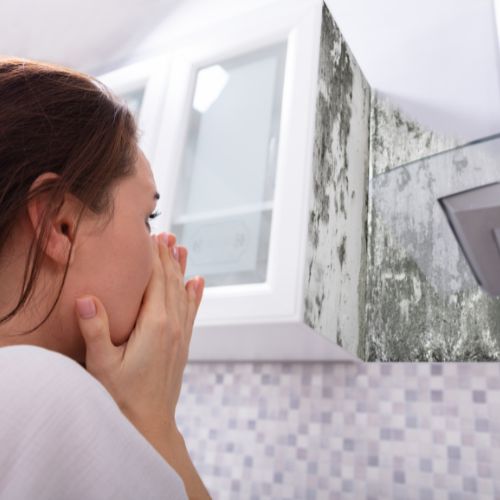
How Mold Detection Protects Your Health
On a humid August morning in St. Petersburg, a small law office near Central Avenue called about a “musty smell” and a few discolored ceiling tiles. No one thought much of it—until three employees developed persistent coughs and headaches. Within a week, testing confirmed elevated mold levels in their air conditioning system. Once addressed, the symptoms faded.
Stories like this are more common in Tampa Bay than most people realize. With year-round humidity, older building stock, and frequent storms, mold growth is a constant risk for homes and businesses. The CDC estimates that 1 in 4 buildings in the U.S. have some level of water damage that can support mold growth, and in Florida’s climate, that risk is even higher.
This isn’t just about stains on walls. It’s about your lungs, your immune system, and the health of everyone who lives or works in your building. In this guide, you’ll learn how mold detection works, why it matters for your health, and how professional testing and Mold Inspection services in St. Petersburg can protect the people you care about.
Key Insight: Hidden mold often affects your health long before you ever see it. Proactive mold detection is one of the most powerful ways to protect your indoor environment—and your long-term wellbeing.
Why Mold Is a Health Problem Long Before You See It
Mold doesn’t wait until it’s visible to start causing trouble. By the time you see black spots on drywall or fuzzy growth on an AC vent, spores may have been circulating in your air for weeks or months.
Mold reproduces through microscopic spores that float in the air. In a humid climate like St. Petersburg, those spores can settle on damp surfaces—from window frames to attic sheathing—and start colonizing quickly.
Health effects can include:
- Chronic coughing or throat irritation
- Nasal congestion, sneezing, or sinus infections
- Eye irritation or watering
- Worsening asthma or breathing difficulties
- Fatigue, brain fog, or headaches
For people with allergies, asthma, or compromised immune systems, these effects can be severe. Certain species, like Stachybotrys chartarum (often called “black mold”), may produce mycotoxins that can be especially concerning in high concentrations.
A recent client in a Shore Acres home thought they just “caught every cold that went around.” Over six months, both parents and their child experienced recurring respiratory issues. A targeted Mold Testing assessment revealed hidden moisture and mold growth behind their living room wall, caused by a slow roof leak after a summer storm. Once the leak was repaired and remediation completed, their symptoms dramatically decreased.
“Mold-related health issues are frequently misdiagnosed as seasonal allergies or chronic colds.” — Indoor Environmental Health Association
CALLOUT: If you’re having recurring respiratory or allergy-like symptoms that improve when you leave your home or office, your indoor air may be the problem—not you.
Mold detection focuses on identifying these hidden problems early, before they lead to chronic health concerns or expensive structural damage.
How Professional Mold Detection Protects Your Indoor Air
You can’t protect what you can’t see—or measure. That’s where professional Indoor Air Quality Testing and mold detection come in.
A thorough evaluation goes far beyond a quick glance at visible surfaces. It typically includes:
- Visual inspection of high-risk areas (attics, crawlspaces, behind HVAC, around windows)
- Moisture mapping of walls, ceilings, and floors
- Air sampling to measure spore counts and species
- Surface sampling of suspicious materials
- Temperature and humidity readings to assess conditions for growth
In St. Petersburg, we often see mold thriving in:
- Older block homes with minimal insulation
- Buildings with flat or low-slope roofs that pond water
- Coastal properties exposed to salt air and driving rain
- Condos with shared HVAC systems and limited ventilation
One downtown St. Pete restaurant owner called after customers complained of a “damp smell” near the bar area. A detailed Professional Mold Testing assessment revealed elevated airborne mold spores near an ice machine and beverage cooler. Surface tests found mold inside wall cavities behind the bar, fed by a slow, hidden plumbing leak. Early detection saved the owner from a full shutdown and costly reconstruction.
“You can’t rely on smell alone. By the time you notice an odor, mold may already be widespread.” — Certified Indoor Environmental Professional
Mold detection doesn’t just tell you if mold is present. It helps pinpoint the source, assess the extent, and guide smart decisions about remediation and prevention—so you can restore healthy air with confidence.
Modern Mold Detection vs. “Sniff Test” Guesswork
Not all approaches to mold are created equal. Some property owners rely on visual checks, air fresheners, or over-the-counter test kits. Others invest in professional assessments and scientific testing. The difference in accuracy and protection is significant.
Here’s how traditional “DIY” approaches compare to modern professional methods:
| Approach | Traditional / DIY | Modern Professional Detection |
|---|---|---|
| Primary method | Visual check & smell | Comprehensive inspection + lab-analyzed samples |
| Tools used | Flashlight, maybe a store-bought kit | Moisture meters, thermal imaging, calibrated pumps, lab analysis |
| Accuracy | Low to moderate; easy to miss hidden mold | High; captures hidden issues in walls, HVAC, and air |
| Health risk assessment | Based on guesswork | Based on spore counts, species ID, and exposure context |
| Documentation | None or minimal | Detailed report with photos, lab results, and recommendations |
| Legal / insurance usefulness | Limited | Strong documentation for claims, disclosures, or tenant communication |
| Cost in St. Petersburg | Low up front, higher risk long-term | Moderate up front, lower risk of major remediation later |
In a Gulfport duplex, a landlord initially used a hardware store test kit after a tenant complained of headaches. The kit suggested “possible mold,” but gave no details. Months later, a professional assessment revealed high levels of Penicillium/Aspergillus spores in the air and significant growth inside an HVAC closet. What could have been a targeted, lower-cost intervention turned into a larger remediation project.
CALLOUT: Over-the-counter kits often create a false sense of security. They can detect spores—but not whether levels are elevated, where they come from, or what they mean for your health.
Professional Air Quality Monitoring and targeted sampling provide:
- Clear baseline data
- Comparison to outdoor levels
- Identification of species associated with water damage
- Evidence-based recommendations
That level of detail is essential for making informed decisions about your property and your health.
The Hidden Role of HVAC Systems in Mold and Health
Your HVAC system is the “lungs” of your building. If those lungs are contaminated, every room can be affected.
In humid climates like St. Petersburg, AC systems run hard most of the year. Condensation, dust buildup, and poorly drained pans can create perfect conditions for mold to grow inside ducts, air handlers, and coils.
Common warning signs that you may need an HVAC Mold Inspection include:
- Musty odors when the AC kicks on
- Visible growth around vents or returns
- Uneven cooling and high humidity indoors
- Increased dust or debris coming from vents
- Worsening allergies when the system is running
A small accounting firm near 4th Street North contacted us after three employees developed sinus issues that improved on weekends. The office looked spotless. However, targeted Mold Testing Near Me focusing on the HVAC system revealed mold growth inside the air handler and on internal insulation. After cleaning, repairs, and improved filtration, employee symptoms decreased significantly.
“In many office buildings, the HVAC system is the primary source of mold exposure, not the visible surfaces.” — Building Science Consultant
Professional Indoor Air Quality Testing can help determine whether elevated spores are related to your HVAC system, building materials, or outdoor sources. That insight is critical for effective, targeted solutions that protect occupants’ health year-round.
Toxic and Black Mold: Separating Hype from Real Health Risks
Few phrases create more anxiety than “black mold.” You might picture dramatic photos from news reports or worst-case scenarios. The reality is more nuanced—but still serious enough to justify proactive testing.
Not every dark-colored mold is the notorious Stachybotrys chartarum, and not every mold exposure leads to severe illness. However, when water-damaged materials remain wet for extended periods, certain species can colonize and produce mycotoxins in high enough concentrations to raise real health concerns.
This is where specialized Toxic Mold Testing and Black Mold Inspection matter. Instead of guessing based on color alone, professional sampling and lab analysis identify:
- The species present
- Whether they’re commonly associated with water damage
- Relative levels compared to normal background conditions
- Whether the pattern suggests an active growth source
A family in a historic Old Northeast home noticed dark staining behind baseboards after a plumbing leak. Online articles had them terrified. A professional inspection and Black Mold Detection confirmed Stachybotrys on localized drywall but not widespread contamination in the air. With controlled removal and proper containment, the problem was resolved without panic or overreach.
CALLOUT: The goal isn’t to eliminate every single mold spore—that’s impossible. The goal is to identify and correct abnormal, unhealthy mold growth and moisture problems.
“Mold becomes a health issue when amplification indoors creates concentrations and species profiles that differ significantly from outdoors.” — Environmental Health Researcher
Professional Residential Mold Testing gives you clarity: Is there a problem? How significant is it? What needs to happen next to protect your health?
Mold Detection as Part of a Broader Environmental Health Strategy
Mold is often a symptom of deeper environmental issues—moisture intrusion, poor ventilation, or building design flaws. Addressing it in isolation can lead to recurring problems.
That’s why many property owners in St. Petersburg now view mold detection as one component of broader Environmental Assessment and Environmental Consulting Services.
A comprehensive approach may include:
- Moisture and mold assessment
- Ventilation and air exchange evaluation
- Humidity control strategies
- Building envelope and roof evaluations
- Material selection guidance for renovations
- Ongoing Air Quality Monitoring
For example, a small medical clinic near St. Anthony’s Hospital struggled with recurring ceiling stains and staff complaints of “stuffy” air. Instead of treating each stain as an isolated incident, they partnered with an Environmental Consultant Near Me to:
- Map roof leak patterns
- Test indoor air and surfaces
- Evaluate HVAC performance
- Recommend envelope improvements and humidity control
The result? Fewer leaks, improved comfort, and reduced staff sick days.
Here’s how a narrow vs. comprehensive approach compares:
| Focus Area | Mold-Only Focus | Integrated Environmental Management |
|---|---|---|
| Primary goal | Remove visible mold | Create a healthy, resilient indoor environment |
| Time horizon | Short-term fix | Long-term prevention |
| Services involved | Inspection and testing only | Assessment, consulting, and follow-up |
| Cost profile in St. Petersburg | Lower initial, higher risk of recurrence | Moderate initial, lower long-term risk |
| Typical users | One-off homeowners, landlords | Healthcare, schools, offices, multi-family |
This integrated view helps protect not only your building, but also the health, productivity, and satisfaction of everyone who spends time inside it.
What This Means for Businesses in St. Petersburg
For businesses in St. Petersburg, mold detection isn’t just a maintenance task—it’s a risk management and employee wellness strategy.
The local climate adds unique challenges:
- High humidity for much of the year
- Intense afternoon thunderstorms and tropical systems
- Salt air affecting building materials near the waterfront
- Older building stock with aging roofs and windows
Ignoring mold risks can lead to:
- Employee illness and higher absenteeism
- Customer complaints and negative reviews
- Liability concerns, especially in healthcare and childcare settings
- Disruption from unexpected remediation projects
A co-working space near the Edge District learned this the hard way. After tenants reported headaches and musty odors, an inspection revealed widespread mold in ceiling tiles and HVAC components caused by a long-term roof leak. The building required partial closure during remediation, and several tenants moved out.
By contrast, a local tech firm in Carillon proactively scheduled annual Indoor Air Quality Testing and Commercial Mold Testing after expanding into a larger office. Early detection of minor issues—like condensation around windows and elevated humidity in a server room—allowed them to correct problems before mold could take hold.
For St. Petersburg businesses, proactive mold detection can:
- Support healthier, more productive employees
- Reduce the risk of costly downtime
- Provide documentation for insurance and compliance
- Enhance your reputation as a responsible, health-focused organization
In a competitive local market, where workers and customers have options, a healthy indoor environment is no longer a “nice to have.” It’s part of your brand—and part of your responsibility.
Frequently Asked Questions
Q: How do I know if I need professional mold testing or just a basic inspection?
A: If you see obvious mold growth in a small, isolated area (like a bit of surface mildew on a bathroom caulk line), a basic cleaning and moisture correction may be enough. However, you should consider professional Mold Inspection Services if you notice musty odors, recurring respiratory symptoms, water damage, or visible mold over a larger area. In St. Petersburg, any history of roof leaks, plumbing leaks, or flooding is a strong reason to schedule Home Mold Detection or Commercial Mold Testing. A professional can determine whether testing is necessary and help you avoid both overreacting and underreacting.
Q: Are store-bought mold test kits reliable enough for my home or business?
A: Over-the-counter kits have significant limitations. They often detect mold spores that are naturally present in almost every indoor environment, without telling you whether levels are elevated or where they come from. They also don’t compare indoor samples to outdoor baselines, which is essential for interpreting results. For meaningful answers, lab-analyzed Professional Mold Testing includes control samples, species identification, and expert interpretation. In a climate like St. Petersburg’s, where outdoor spores are common, that context is critical to avoid false alarms—or missed problems.
Q: How does indoor air quality testing relate to mold detection?
A: Indoor Air Quality Testing looks at the broader picture of what you’re breathing: mold spores, dust, VOCs, and sometimes other contaminants. Mold detection focuses specifically on identifying mold growth and related moisture issues. When used together, they provide a comprehensive understanding of your environment. For example, a St. Petersburg office might have both elevated mold spores and high CO₂ levels due to poor ventilation. Addressing only the mold without improving ventilation could lead to recurring problems and continued health complaints.
Q: Is black mold really more dangerous than other types of mold?
A: The term “black mold” is often used loosely and can be misleading. Some dark molds, like Stachybotrys chartarum, can produce mycotoxins under certain conditions. However, other species that aren’t black can also contribute to health problems, especially for sensitive individuals. The key is not the color, but the species, concentration, and your exposure. Black Mold Inspection and targeted Toxic Mold Testing identify what’s actually present and whether it’s associated with water damage. In St. Petersburg’s damp climate, any significant indoor mold growth—black or otherwise—should be evaluated and addressed.
Q: How often should my business in St. Petersburg test for mold or air quality issues?
A: Frequency depends on your building type, history, and use. For offices, retail spaces, and professional services, periodic Air Quality Monitoring every 1–2 years, or after any water event, is a reasonable guideline. Healthcare facilities, childcare centers, and schools may benefit from more frequent assessments as part of ongoing Environmental Management Services. Any time you have a known leak, flood, or persistent odor, you should schedule Mold Testing promptly rather than waiting for a set interval.
Q: What happens if mold is found during an inspection?
A: If testing confirms an issue, your inspector will provide a written report outlining the findings, including locations, moisture sources, and lab results. They’ll typically recommend specific steps such as drying, controlled removal of affected materials, cleaning of surfaces, and sometimes Indoor Air Quality Testing after remediation to verify success. In St. Petersburg, where humidity is a constant factor, recommendations often include long-term moisture control strategies like dehumidification and ventilation improvements. Importantly, a qualified inspector should remain independent from remediation work to avoid conflicts of interest.
Q: Can mold issues affect property value or insurance in St. Petersburg?
A: Yes. Documented mold problems, especially if unresolved, can impact property value, buyer confidence, and in some cases insurance coverage. On the positive side, having a recent, clean Residential Mold Testing or Commercial Mold Testing report can reassure buyers, tenants, and insurers that you’ve taken indoor environmental health seriously. For coastal or older properties in St. Petersburg, proactive Mold Detection Services and documentation can be a strong selling point and help prevent disputes down the line.
Ready to Get Started?
Mold doesn’t wait for a convenient time, and in St. Petersburg’s humid climate, small issues can escalate quickly. If you’ve noticed musty odors, unexplained health symptoms, or signs of water damage—or if you just want peace of mind about the air you’re breathing—now is the time to act.
Scheduling a professional Mold Inspection or Indoor Air Quality Testing is a straightforward way to protect your health, your property, and your investment. You’ll gain clear answers, expert guidance, and a plan tailored to your home or business—not generic advice.
Tampa Bay Mold Testing is locally based in the St. Petersburg area, familiar with our unique climate, building styles, and common problem spots. Our certified inspectors focus solely on testing and assessment, providing unbiased recommendations you can trust.
Take the next step toward a healthier indoor environment today. Whether you need Mold Testing Near Me for your home, office, or commercial property, we’re here to help you understand what’s happening behind the walls—and in the air you breathe.
About Tampa Bay Mold Testing
Tampa Bay Mold Testing provides independent mold and Indoor Air Quality Testing services throughout St. Petersburg and the greater Tampa Bay area. Our team of certified inspectors specializes in detailed Mold Inspection Services, data-driven reporting, and clear, practical guidance. As a locally focused company, we understand the unique challenges of Florida’s climate and building stock, and we’re committed to helping homeowners, businesses, and property managers create safer, healthier indoor environments. Learn more at Tampa Bay Mold Testing.