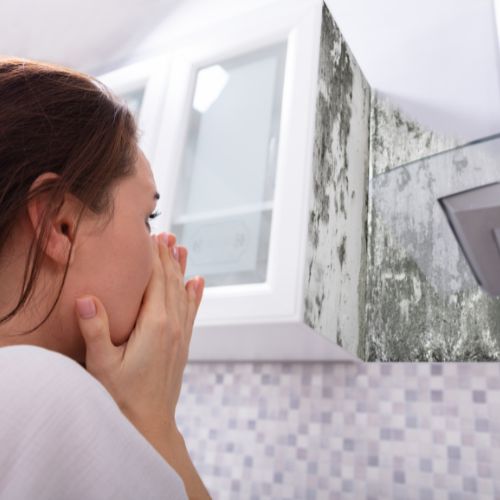
The Science Behind Comprehensive Mold Analysis
On a humid August afternoon in St. Petersburg, a small office near Central Avenue called about a musty odor that kept getting worse after every afternoon storm. No visible mold. No leaks they could see. Yet several employees were suddenly dealing with headaches and persistent coughs. A quick look wasn’t enough. What they needed was a scientific, step‑by‑step mold analysis to uncover what was really happening in the air they were breathing.
In coastal cities like St. Petersburg—where summer humidity often sits above 70% and afternoon thunderstorms are part of life—mold thrives in hidden spaces: behind walls, inside HVAC systems, and under flooring. Studies from the EPA and CDC have linked damp indoor environments to increased respiratory issues and asthma, especially in office and commercial settings.
This is where comprehensive testing and Mold Inspection goes beyond a quick look and a moisture meter. You’ll see how true mold analysis blends building science, microbiology, and air quality diagnostics to give you clear answers—not guesses. You’ll also learn what that means for your health, your building, and your bottom line in St. Petersburg’s unique climate.
Key Insight: Comprehensive mold analysis is less about “finding mold” and more about understanding how your building, your air, and your environment interact—so you can fix the real problem, not just clean what you see.
Why Mold Is a Scientific Problem, Not Just a Cleaning Issue
Mold isn’t just a stain on drywall or a smell in a conference room. It’s a living organism that responds to moisture, temperature, and building conditions. When the environment is right—like in a damp crawlspace under a St. Petersburg bungalow or in an overworked office HVAC system—mold doesn’t just grow, it spreads microscopic spores into the air.
From a scientific standpoint, three key elements drive mold growth:
- Moisture: Leaks, condensation, high humidity, or past water damage
- Food source: Drywall, wood, carpet, dust, insulation, even office furniture
- Time: As little as 24–48 hours after moisture appears
“Visible mold is often the last symptom to appear, not the first.” — Indoor Environmental Consultant
This is why relying only on what you can see is risky, especially in commercial spaces. For example, a local medical office near 4th Street had minor ceiling staining after a roof leak. A basic patch and repaint made it look fine. But a few months later, patients and staff reported musty odors and irritation. Comprehensive Mold Testing revealed elevated spore counts above the ceiling tiles and inside the HVAC ductwork—far beyond the original water spot.
Science-based mold analysis:
- Uses air, surface, and sometimes bulk material samples
- Compares indoor results to outdoor “normal” levels
- Identifies mold types, concentration, and distribution
- Connects findings back to building conditions and moisture sources
CALLOUT: Mold analysis isn’t just about “is there mold?” It’s about “what kind, how much, where is it coming from, and what does that mean for people using this space?”
How Air Sampling and Lab Analysis Reveal the Invisible
You can’t fix what you can’t see—or measure. That’s where Indoor Air Quality Testing and air sampling come in. In a coastal city like St. Petersburg, outdoor mold is always present, especially after summer storms. The real question is: Are indoor levels and types of mold significantly different from what’s outdoors?
The Role of Air Sampling
Professional Professional Mold Testing often includes:
- Non-viable air samples: Capture spores on a slide for microscopic counting and identification
- Viable air samples (culture-based): Grow mold in a lab to see what species are present
- Targeted sampling: Near suspected leaks, HVAC returns, or musty rooms
A real example: A downtown St. Pete law firm had staff complaining of dry throats and sinus issues after moving into a renovated historic building. No visible mold, but the HVAC system was older. Air sampling showed:
- Indoor spore counts 3–4 times higher than outdoors
- Elevated levels of Penicillium/Aspergillus-type spores in certain offices
- Higher counts near specific supply vents
Lab analysis confirmed that spores were being distributed through the ductwork, pointing toward the need for an HVAC Mold Inspection and targeted cleaning and repairs.
“Air sampling is like a blood test for your building—it doesn’t just say something’s wrong, it points to what’s wrong and where to look next.” — Building Science Specialist
Air Quality Monitoring as an Ongoing Strategy
For businesses and multi-unit properties, ongoing Air Quality Monitoring can:
- Track changes after remediation or construction
- Catch issues early when humidity or spores begin to rise
- Provide documentation for tenants, employees, or insurers
Surface, Bulk, and Cavity Sampling: Looking Behind the Walls
Air tests tell you what’s in the breathing zone. Surface and cavity samples tell you what’s in the building materials themselves. For many St. Petersburg properties—especially older homes and commercial buildings near the water—this is where the real story hides.
Types of Surface and Material Sampling
- Tape lifts: Clear tape pressed onto a surface to collect spores or growth
- Swabs: Used in tight or irregular spaces, like HVAC coils or corners
- Bulk samples: Pieces of drywall, insulation, or carpet removed and sent to the lab
- Wall cavity air samples: Small holes drilled to test the air behind walls
In one case in Shore Acres, a residential property had a history of flooding. The walls had been repaired, painted, and looked fine. Yet musty odors persisted in the living room after heavy rains. Surface sampling on the baseboards was clean. But cavity air sampling behind the wall showed heavy growth of Stachybotrys (often called “black mold”) on the backside of the drywall.
That’s where a targeted Black Mold Inspection becomes essential. The science here is about:
- Identifying whether mold is active or historical (old, dried growth)
- Determining whether it’s confined or spreading
- Understanding whether it’s impacting the occupied air
CALLOUT: Not all visible discoloration is mold, and not all mold is toxic. Lab analysis separates staining, dust, and harmless growth from contamination that actually matters.
When Bulk Sampling Matters
Bulk samples are especially useful in:
- Commercial build-outs where materials got wet during construction
- Condo buildings after a plumbing leak affects multiple units
- Older properties with multiple layers of flooring or wall materials
These samples help environmental professionals design safe, cost-effective remediation plans—removing what’s necessary and preserving what can safely stay.
Traditional vs. Modern Mold Investigation: What’s Changed?
Mold investigation has evolved significantly over the last decade. Many businesses in St. Petersburg are surprised to learn how much more precise and informative modern Mold Detection Services can be compared to older “sniff and look” methods.
Comparison: Old-School vs. Comprehensive Mold Analysis
| Approach | Traditional Visual Check | Modern Comprehensive Analysis |
|---|---|---|
| Primary tools | Flashlight, moisture meter | Moisture mapping, air sampling, surface & cavity sampling |
| Data collected | Visible staining, musty odors | Spore counts, species ID, moisture patterns, building envelope |
| Lab involvement | Rare | Standard for most samples |
| Report detail | Basic observations | Quantitative data, risk assessment, remediation recommendations |
| Best for | Very obvious, small issues | Complex, recurring, or health-related concerns |
| Typical use in St. Petersburg | Minor home concerns | Offices, condos, medical, schools, property management |
A local example: A small retail shop on 4th Street North had repeated ceiling stains after summer storms. Traditional checks over several years led to patching, repainting, and dehumidifiers—but the smell always returned. Once the owner brought in Residential Mold Testing with full analysis, the data showed:
- Elevated Cladosporium spores near the rear of the store
- High moisture readings in ceiling framing
- Hidden roof and flashing failures in one specific area
Armed with real data, the owner worked with roofing and remediation contractors to fix the underlying cause instead of chasing symptoms.
Environmental Consulting: Connecting Mold, Moisture, and Building Performance
Mold doesn’t exist in isolation. It’s a symptom of deeper environmental and building performance issues. That’s where Environmental Consulting Services come in—especially valuable for commercial properties, HOAs, and larger facilities in St. Petersburg.
An experienced Environmental Consultant Near Me looks at:
- Building design and ventilation
- HVAC performance and filtration
- Humidity control and dehumidification
- Drainage, roofing, and exterior envelope
- Occupant behavior and cleaning practices
For example, a waterfront condo building in St. Pete Beach struggled with musty odors in hallways and occasional visible mold spots in units. Rather than treat each complaint as a separate incident, the association brought in environmental consulting support.
The assessment and Environmental Assessment identified:
- Undersized HVAC systems in common areas
- Poorly sealed exterior doors letting in moist outdoor air
- Inconsistent use of bathroom exhaust fans in units
By addressing these systemic issues—upgrading HVAC, sealing doors, and improving ventilation policies—the building saw a significant reduction in complaints and mold findings.
“True environmental management is about preventing mold-friendly conditions before spores ever become a problem.” — Environmental Management Professional
This is the essence of Environmental Management Services: using data and building science to create healthier, more resilient properties.
Toxic Mold, Health Concerns, and Risk-Based Decisions
The term “toxic mold” gets used a lot, especially online, and it can create unnecessary panic—or, on the other end of the spectrum, dangerous complacency. Scientifically, certain molds produce mycotoxins under specific conditions, but not every spore or colony is actively producing toxins.
That’s why Toxic Mold Testing and analysis focus on:
- Identifying species associated with mycotoxin production
- Evaluating spore levels compared to normal background
- Placing results in the context of symptoms and building history
A St. Petersburg daycare center, for instance, called after a parent raised concerns about “black mold” in a corner of one classroom. The growth looked concerning, but the daycare needed facts. Comprehensive Black Mold Detection and air sampling showed:
- Localized Stachybotrys growth on a small area of drywall
- Normal spore levels in occupied breathing zones
- A long-term, slow plumbing leak behind the wall as the source
The daycare was able to close just that classroom, remediate the affected area, verify results with post-remediation testing, and reopen with confidence—backed by clear, science-based documentation for parents and regulators.
CALLOUT: Panic isn’t helpful. Data is. Not every mold issue is an emergency, but ignoring elevated levels in a commercial or childcare setting is never a good gamble.
What This Means for Businesses in St. Petersburg, FL
For local businesses, property managers, and building owners in St. Petersburg, mold isn’t just a maintenance issue—it’s a business risk. Between Gulf moisture, aging building stock, and frequent storm events, our area creates ideal conditions for hidden mold growth.
Here’s what comprehensive mold analysis means in practical terms:
- Reduced liability: Documented Commercial Mold Testing and clear reports help show that you’ve taken reasonable steps to protect employees, tenants, and customers.
- Better budgeting: Instead of guessing at remediation scope, you get data-driven recommendations—so you’re not over-remediating or under-addressing the problem.
- Improved tenant and employee retention: People notice musty odors and recurring leaks. Transparent testing and clear communication build trust and confidence.
- Stronger insurance claims: Detailed laboratory reports and professional Mold Inspection Services support water damage and remediation claims, especially after large storm events.
In a competitive market like St. Petersburg—whether you’re operating a boutique downtown, managing a medical office near Bayfront, or overseeing a multi-building complex—healthy indoor environments are part of your reputation.
When you understand the science behind mold analysis, you’re better equipped to:
- Ask the right questions
- Choose the right testing scope
- Interpret results accurately
- Invest in solutions that actually last
Science doesn’t eliminate mold risk entirely, especially in a coastal city. But it does turn mold from an unpredictable, stressful event into a manageable, measurable building condition.
Frequently Asked Questions
Q: How do I know if I need professional mold testing or just a basic inspection?
A: If you have a small, obvious patch of mold—say under a sink with a clear leak—a basic Home Mold Detection and repair may be enough. You likely need professional Mold Testing when you have recurring odors, unexplained health complaints, prior water damage, or multiple areas of concern. In St. Petersburg, properties exposed to storm damage or chronic humidity often benefit from lab-based testing to understand the full extent of the problem. If you’re responsible for a business, daycare, medical office, or multi-unit building, testing provides documentation and clarity you simply can’t get from a visual check alone.
Q: Are all black spots on walls or ceilings “black mold” and dangerous?
A: No. Many types of mold, dirt, and even soot can appear dark or black. True concern arises when a scientific assessment confirms species like Stachybotrys or Chaetomium in significant amounts, especially in damp, enclosed areas. That’s where a focused Black Mold Inspection and lab analysis are important. In several St. Petersburg properties, what looked like “toxic black mold” turned out to be minor, easily cleaned growth or even non-mold staining. Testing prevents unnecessary panic—and also ensures that genuinely problematic growth gets the attention it deserves.
Q: How does indoor air quality testing differ from standard mold testing?
A: Indoor Air Quality Testing is broader. It can include mold spores but also looks at other airborne contaminants, particulates, humidity, and sometimes VOCs (volatile organic compounds). Standard Mold Testing Near Me typically focuses specifically on mold—using air and surface samples to identify types and levels. For many St. Petersburg businesses, especially those with sensitive occupants (healthcare, childcare, or senior living), comprehensive air quality assessments provide a fuller picture of what people are actually breathing, beyond just mold.
Q: Is professional mold testing worth it for a small business or rental property?
A: For many small businesses and landlords in St. Petersburg, the answer is yes—especially when there’s a history of leaks, tenant complaints, or musty odors. Professional Professional Mold Testing helps you avoid guesswork and repeated “band-aid” fixes. It also gives you credible, third-party data if disputes arise with tenants, employees, or insurers. Compared to the potential cost of lost rent, business downtime, or legal issues, testing is typically a relatively small investment that provides clarity and protection.
Q: How often should commercial properties be checked for mold or air quality issues?
A: There’s no one-size-fits-all schedule, but many St. Petersburg commercial properties benefit from annual or biannual Air Quality Monitoring, especially if they’ve had prior moisture problems. After any significant water intrusion—roof leaks, plumbing failures, or storm damage—targeted Mold Inspection Services and follow-up testing are recommended. High-risk environments (healthcare, childcare, food service, or buildings with vulnerable occupants) often adopt routine environmental checks as part of their ongoing risk management and compliance strategy.
Q: Can I just use a hardware store mold test kit instead of hiring a professional?
A: Over-the-counter kits can show you that mold exists—but in a humid city like St. Petersburg, you almost always have some mold spores present. These kits don’t tell you whether levels are normal or elevated, what species are present, where the moisture source is, or how far contamination has spread. Professional Mold Detection Companies combine testing with building diagnostics, moisture mapping, and expert interpretation. Without that context, DIY results can be misleading, causing either unnecessary worry or a false sense of security.
Q: What’s the difference between residential and commercial mold testing?
A: Technically, the sampling methods can be similar, but the scope and objectives often differ. Residential Mold Testing usually focuses on protecting families, identifying hidden issues, and supporting real estate decisions. Commercial Commercial Mold Testing often involves multiple stakeholders—owners, tenants, employees, insurers—and may require more extensive documentation, compliance considerations, and coordination with remediation and facility management teams. In St. Petersburg’s commercial corridors and coastal developments, commercial assessments often integrate broader Environmental Consulting Services to address building-wide or multi-tenant issues.
Ready to Get Started?
Mold problems rarely get better on their own—especially in St. Petersburg’s warm, humid climate. Every storm season, we see the same pattern: a minor leak or musty odor gets brushed aside, only to turn into a larger, more expensive issue months later. Comprehensive testing and Mold Inspection give you a clear, science-backed picture of what’s happening now, so you can act before damage spreads or health complaints escalate.
If you’re noticing persistent odors, recurring stains, or unexplained health concerns in your home or business, this is the right time to schedule a professional assessment. Tampa Bay Mold Testing provides data-driven Mold Detection Services, clear reporting, and practical guidance tailored to St. Petersburg buildings—whether you’re managing a single-family home, a downtown office, or a multi-unit property.
Next steps are simple:
- Schedule an on-site inspection
- Discuss the right testing plan for your property
- Review a clear, understandable report with actionable recommendations
With years of local experience and industry-standard certifications, you get more than numbers on a lab sheet—you get a partner who helps you interpret them and make smart decisions.
About Tampa Bay Mold Testing
Tampa Bay Mold Testing is a locally focused environmental firm serving St. Petersburg and the greater Tampa Bay area. Specializing in Mold Inspection Services, Home Mold Detection, and Indoor Air Quality Testing, our team combines building science expertise with accredited laboratory analysis. We’ve helped homeowners, property managers, medical offices, and businesses across St. Petersburg understand and resolve complex moisture and mold issues with clear, unbiased reporting and practical solutions. Learn more about our services and approach at Tampa Bay Mold Testing.