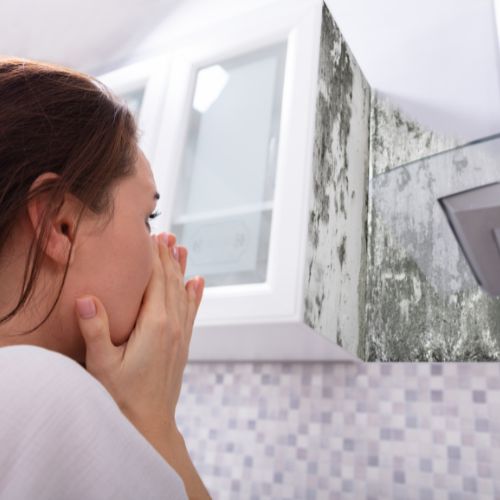
Signs You Need Professional Mold Analysis
If you own or manage property in St. Petersburg, you already know moisture is a constant battle. Between summer thunderstorms, tropical systems, and our year-round humidity, buildings here are under steady pressure from water intrusion. That creates the perfect conditions for mold—often long before you see anything on the surface.
The Florida Department of Health estimates that up to 50% of buildings may have some level of moisture-related issues, and the EPA notes that indoor air can be 2–5 times more polluted than outdoor air. In a coastal, humid city like St. Petersburg, that risk is even higher, especially in older buildings, waterfront properties, and tightly sealed energy-efficient homes.
This is where professional mold analysis becomes critical. You may not see mold, but you might be breathing it. In this guide, you’ll learn the key signs that it’s time to call in experts for Mold Testing, how subtle issues with indoor air can impact health and business operations, and what a thorough inspection and testing process actually looks like for St. Pete homes and commercial properties.
Key Insight: If you’re noticing persistent odors, unexplained health symptoms, or moisture problems in your building, you may already be dealing with hidden mold that only professional analysis can accurately detect and document.
Hidden Clues in Your Indoor Air: Symptoms You Shouldn’t Ignore
Often, the first signs you need professional mold analysis don’t show up on your walls—they show up in how people feel. Employees calling in sick more often. Tenants complaining about “stale” air. Kids waking up congested every morning. These are red flags that your indoor environment deserves closer attention.
Common symptoms that may point to a mold or air quality issue include:
- Ongoing nasal congestion, coughing, or sore throat
- Headaches that improve when you leave the building
- Itchy or watery eyes, especially in certain rooms
- Asthma flare-ups or breathing difficulties
- Fatigue or “brain fog” while indoors
For many St. Petersburg businesses, these issues tend to spike during our rainy season, when humidity rises and buildings stay closed up with the AC running non-stop.
“Any time symptoms improve when you’re away from a building and return when you’re back, that building becomes suspect.” — Indoor Environmental Specialist
Professional Indoor Air Quality Testing can measure mold spores and other contaminants in your air, providing hard data instead of guesswork. This is especially important in:
- Medical and dental offices where patients may be medically sensitive
- Schools and childcare centers with vulnerable populations
- Offices with open floor plans where one issue affects many workers
Real St. Pete example:
A downtown St. Petersburg law office noticed recurring complaints of headaches and sinus irritation. No visible mold, no obvious leaks. After comprehensive Air Quality Monitoring, elevated mold spore counts were discovered in the conference room ceiling plenum. A slow, hidden HVAC condensate leak had been feeding mold growth for months. Once identified and remediated, complaints dropped sharply within weeks.
CALLOUT: Health symptoms that appear “mysterious” but improve when you’re away from the property are one of the strongest signs you need professional mold analysis.
Odors, Stains, and “Old Building Smell”: What Your Building Is Telling You
Not all mold is visible, but your building often gives you sensory clues. That “musty” or “earthy” smell you notice when you walk into a room or open a closet is not just an old building being old—it’s frequently VOCs (volatile organic compounds) produced by active mold growth.
Watch for these signs:
- Persistent musty odors that don’t go away with cleaning
- Dark spotting on baseboards, behind furniture, or around windows
- Peeling paint, bubbling drywall, or warped flooring
- Discoloration on ceilings, especially near HVAC vents or rooflines
In St. Petersburg, we see this often in:
- Beachside condos with poorly ventilated closets
- Historic homes in Old Northeast with original plaster and old plumbing
- Ground-floor units near Tampa Bay or marinas with occasional flood exposure
A thorough Mold Inspection goes beyond what you can see. Inspectors use moisture meters, infrared cameras, and access panels to check inside walls, under flooring, and around structural penetrations where moisture tends to hide.
Real St. Pete example:
A homeowner near Crescent Lake noticed a faint musty smell only after running the AC for several hours. No visible mold. A detailed Mold Inspection Services revealed elevated moisture in the wall behind the air handler. Opening the wall exposed extensive mold growth on the backside of the drywall and on the framing—completely hidden until professional tools were used.
“By the time mold shows clearly on the surface, it’s often been active for weeks or months behind the scenes.” — Building Science Consultant
Water Events, Roof Leaks, and Flooding: Why “Drying Out” Isn’t Enough
In a coastal city like St. Petersburg, water events are almost inevitable—whether it’s a tropical storm, a plumbing leak, or a roof issue during our intense summer rains. Many property owners fix the visible problem (patch the roof, repair the pipe, run fans) and assume the issue is resolved. Unfortunately, moisture often lingers in building materials long after surfaces feel dry.
Any of the following scenarios should trigger professional Professional Mold Testing and assessment:
- Roof leaks that wet ceilings, attic insulation, or wall cavities
- Plumbing leaks inside walls, under cabinets, or in slab foundations
- Flooding from storm surge, heavy rain, or backed-up drains
- Repeated condensation around windows or on ducts
Even a “small” leak that went unnoticed for 48–72 hours can allow mold to start colonizing drywall, wood, and insulation.
Traditional vs. Professional Post-Water-Event Response
| Approach | Typical Actions | Risks in St. Petersburg Climate |
|---|---|---|
| DIY / Traditional | Fans, open windows, surface cleaning | Hidden moisture in walls, insulation, subfloor |
| Professional Mold Analysis & Testing | Moisture mapping, air/surface sampling, documentation | Identifies hidden mold, supports insurance claims, ensures proper remediation |
Because of our high ambient humidity, materials in St. Petersburg dry more slowly than in drier climates. That extended dry time gives mold more opportunity to grow.
Real St. Pete example:
A small retail shop on Central Avenue had a roof leak during a summer thunderstorm. The owner dried the ceiling tiles and repainted. Two months later, employees complained of coughing and a strong odor. Toxic Mold Testing revealed Stachybotrys (often called “black mold”) inside the ceiling cavity. The building required professional remediation and temporary closure—costs that could have been minimized with early testing and documentation.
CALLOUT: Any water event that soaks building materials for more than 24–48 hours should be followed by professional environmental assessment, especially in humid coastal areas like St. Petersburg.
Your HVAC System: The Hidden Highway for Mold Spread
Your HVAC system is designed to move air efficiently throughout your property. If mold takes hold inside that system, it will move spores just as efficiently. That’s why HVAC Mold Inspection is one of the most overlooked but essential components of a thorough evaluation.
Common signs your HVAC system may be involved:
- Musty odor strongest when the AC or heat first turns on
- Visible growth or dark streaks on supply vents
- Excessive dust or debris blowing from vents
- Condensation forming on or around ductwork
In St. Petersburg’s climate, AC systems often run 9–10 months of the year. Condensate pans, drain lines, and coils can stay damp for long periods, creating ideal mold conditions if not properly maintained.
Real St. Pete example:
A small medical clinic off 4th Street noticed patients complaining about “smelly vents” in exam rooms. A targeted Black Mold Inspection of the HVAC system revealed microbial growth on the interior duct liner and in the air handler. By combining cleaning, duct repair, and follow-up Air Quality Monitoring, the clinic restored safe indoor conditions and improved patient comfort.
HVAC Mold Risk: Older vs. Newer Buildings
| Building Type | Typical HVAC Risk Factors | Why Testing Matters |
|---|---|---|
| Older St. Pete Buildings | Aging ductwork, poor insulation, historic retrofits | Hidden leakage, condensation, and mold in old chases |
| New, Tightly Sealed Buildings | Limited fresh air, high recirculation, energy-focused design | Trapped humidity and rapid spread if mold gets inside |
“HVAC systems don’t just move air; they move whatever is in that air—good or bad.” — Mechanical Engineer
When Liability, Compliance, and Reputation Are on the Line
For businesses and property managers in St. Petersburg, mold isn’t just a maintenance issue—it’s a risk management and reputation issue. Tenants, employees, and customers are increasingly aware of indoor environmental quality, and complaints can quickly escalate to legal or regulatory scrutiny.
You should strongly consider professional Commercial Mold Testing if:
- Tenants have filed written complaints about mold or odors
- Employees have reported health concerns linked to the workplace
- You manage multi-family housing, hotels, or healthcare facilities
- You’re in a real estate transaction involving an older or water-exposed property
Independent Mold Detection Services from a third party provide objective data and documentation that can:
- Support or defend against claims
- Guide remediation scope and budgeting
- Demonstrate due diligence to regulators and insurers
- Protect your brand reputation in the community
Real St. Pete example:
A waterfront apartment complex near Snell Isle received multiple complaints about visible mold in bathrooms and around windows. Instead of relying solely on maintenance staff, management hired an Environmental Consultant Near Me to conduct comprehensive testing across several units and common areas. The resulting report allowed them to prioritize units, negotiate with contractors, and communicate transparently with residents, significantly reducing conflict and potential legal exposure.
CALLOUT: Professional mold analysis is as much about clear documentation and risk management as it is about finding spores.
Buying, Selling, or Renovating in St. Petersburg? Why Pre-Testing Protects You
The St. Petersburg real estate market is competitive and fast-moving. Waterfront homes, historic bungalows, and renovated commercial spaces can all look stunning on the surface—and still hide serious moisture and mold issues underneath.
Situations where Home Mold Detection or pre-transaction testing is especially wise:
- Purchasing a home with a history of roof, plumbing, or flood issues
- Buying or leasing older commercial properties for restaurants, retail, or offices
- Renovating historic properties with original plaster, brick, or crawlspaces
- Flipped homes where cosmetic upgrades may hide deeper problems
Professional Mold Inspection adds a layer of detail beyond a standard home inspection. Inspectors focus specifically on moisture pathways, ventilation, HVAC conditions, and building materials at risk.
Real St. Pete example:
A family buying a 1920s bungalow in Historic Kenwood scheduled independent Black Mold Detection after noticing slightly soft flooring near the back door. Testing identified elevated mold spore counts and moisture under the house in the crawlspace. They used the findings to negotiate repairs and a price reduction, saving thousands and preventing an unpleasant surprise after move-in.
The Cost of Testing vs. The Cost of Missing Mold
| Scenario | Approximate Impact in St. Pete Area |
|---|---|
| Professional Mold Testing & Inspection | Relatively low, one-time due diligence cost |
| Undetected Mold in Real Estate Purchase | Potential five-figure remediation + disruption |
| Post-Renovation Mold Discovery | Tear-out of new finishes, project delays, lost rent |
What This Means for Businesses in St. Petersburg
St. Petersburg’s growth has been remarkable—new restaurants, renovated office spaces, boutique hotels, and multi-family developments are reshaping the skyline. With that growth comes increased pressure on building systems, tighter construction, and higher expectations from tenants and customers.
For local businesses, professional mold analysis is not a “nice to have”; it’s part of a smart facilities and risk management strategy.
Key local factors that raise the stakes:
- High humidity and salt air accelerate building wear and moisture intrusion.
- Older building stock in areas like Downtown, Old Northeast, and Kenwood often has legacy issues (old plumbing, aging roofs, crawlspaces).
- Tourism and hospitality depend heavily on reviews and guest experience—musty rooms or visible mold are business killers.
- Healthcare, education, and professional services need to maintain trust and protect vulnerable populations.
By partnering with local experts in Mold Inspection Services and Environmental Management Services, St. Petersburg businesses can:
- Detect problems early, when solutions are simpler and less expensive
- Document conditions for insurance, lenders, and regulators
- Provide safer, healthier environments for employees and customers
- Protect their brand and long-term investment in the property
In a city where moisture is a given, proactive testing and monitoring are simply part of doing business well.
Frequently Asked Questions
Q: How do I know if I need mold testing or just a visual inspection?
A: Visual inspections are a great starting point, but they can only tell you so much. If you already see obvious mold growth in a small, contained area and you know the source of moisture, a visual assessment may be enough to guide cleanup. You should choose professional Mold Testing when there are health complaints, musty odors without visible growth, a history of leaks or flooding, or potential liability (tenants, employees, real estate transactions). Testing provides lab-confirmed data about what types of mold are present, how widespread the issue is, and whether airborne spore levels are elevated—information that’s especially valuable in St. Petersburg’s humid climate.
Q: Is black mold really more dangerous than other types?
A: “Black mold” typically refers to Stachybotrys, which can produce mycotoxins under certain conditions. While it deserves serious attention, it’s not the only mold of concern. Other species can also trigger allergies, asthma, and respiratory issues, particularly in sensitive individuals. The color alone doesn’t determine toxicity; identification through Toxic Mold Testing is essential. In St. Petersburg, we often see a mix of mold types after roof leaks, AC issues, or flooding. A professional Black Mold Inspection will evaluate not just the color, but the species, moisture source, and overall indoor air quality to determine the true level of risk.
Q: Can I rely on DIY mold test kits from the hardware store?
A: DIY kits can be tempting, but they rarely give reliable or meaningful results. Mold spores are everywhere, so most DIY plates will show some growth whether or not you have a problem. They don’t quantify spore levels, identify species accurately, or consider building conditions and moisture sources. More importantly, they don’t provide the professional interpretation you need to make decisions. In a complex, moisture-prone environment like St. Petersburg, you’re better served by certified Professional Mold Testing that includes both sampling and expert analysis of the results in the context of your building.
Q: How often should commercial properties in St. Petersburg test for mold or indoor air quality issues?
A: Frequency depends on the type of property, its history, and occupant sensitivity. For most offices, retail spaces, and small businesses, periodic Indoor Air Quality Testing every 1–3 years, or after any significant water event, is reasonable. Properties with higher risk—such as healthcare facilities, schools, waterfront hotels, or older multi-family buildings—benefit from more frequent assessments or ongoing Air Quality Monitoring. Any time you have a major leak, renovation, or pattern of health complaints, you should schedule testing immediately, regardless of your regular schedule.
Q: What happens if mold is found during testing? Will I be forced to shut down?
A: Finding mold through Mold Detection Services doesn’t automatically mean you must close your business or vacate a home. The response depends on the type of mold, extent of contamination, and who occupies the building. Your environmental consultant will explain the findings and recommend appropriate remediation steps, which may range from localized cleaning and repairs to more extensive work. For many St. Petersburg businesses, remediation can be scheduled in phases or during off-hours to minimize disruption. The key advantage of testing is that it lets you make informed, targeted decisions instead of reacting blindly.
Q: Does my insurance cover mold testing and remediation?
A: Coverage varies widely by policy and insurer. Many policies in Florida have limitations or exclusions for mold, especially after past statewide claim surges. However, some coverage may be available if mold is the result of a covered water loss (like a sudden pipe break). Having professional Environmental Consulting Services and documented test results can strengthen your position when working with insurers. In St. Petersburg, where storms and water events are common, it’s wise to review your policy with your agent and ask specifically about mold-related coverage before problems arise.
Q: How long does professional mold testing take, and when will I get results?
A: The on-site portion of Mold Detection Companies work typically takes a few hours, depending on property size and complexity. This includes visual inspection, moisture measurements, and collecting air and/or surface samples. Samples are then sent to an accredited laboratory, with results often available within 24–72 hours. After the lab analysis, your consultant will prepare a clear, written report explaining the findings and recommendations. For most St. Petersburg homes and small businesses, you can expect to go from initial visit to full report within a few business days.
Ready to Get Started?
Mold problems rarely get better on their own—especially in a warm, humid city like St. Petersburg. Odors intensify, health complaints increase, and minor moisture issues can evolve into major structural problems. The earlier you bring in experts for Mold Inspection, the more options you have and the less it typically costs to resolve.
Now is the ideal time to act if you’ve recently experienced a leak, are planning a renovation or property transaction, or have noticed persistent musty odors or health symptoms. Professional Indoor Air Quality Testing and targeted mold analysis give you clarity: Is there a problem? How serious is it? What should you do next?
Tampa Bay Mold Testing provides independent, data-driven assessments—no scare tactics, no unnecessary upselling. Just clear answers you can trust for your home or business. Take the next step toward a healthier, safer building and greater peace of mind.
About Tampa Bay Mold Testing
Tampa Bay Mold Testing is a locally focused environmental consulting firm serving St. Petersburg and the greater Tampa Bay area. Our team specializes in Professional Mold Testing, detailed Mold Inspection Services, and comprehensive Environmental Assessment for residential and commercial properties. With years of experience in Florida’s unique climate and building styles, we provide objective, laboratory-backed reporting and practical recommendations you can act on. Learn more about our services and approach at Tampa Bay Mold Testing.