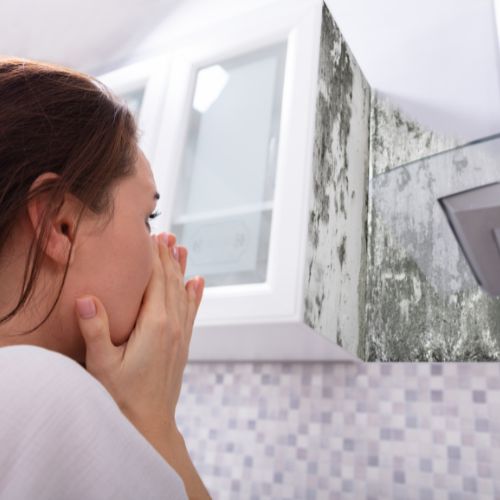
Mold Detection Services for a Healthier Home
On a humid summer afternoon in St. Petersburg, a family on Old Northeast called in a panic. Their child’s asthma had worsened, there was a musty odor they couldn’t track down, and they’d just discovered a dark patch behind a piece of furniture. What looked like a small stain turned out to be a widespread mold issue hiding inside their walls—fed quietly for months by a slow plumbing leak.
Stories like this are common along the Gulf Coast. With our year-round humidity and frequent storms, Pinellas County homes are at a much higher risk for mold growth than many other parts of the country. The Florida Department of Health notes that indoor dampness and mold are strongly associated with respiratory problems, allergies, and asthma flare-ups—especially in children and older adults.
This guide will walk you through how mold detection works, why professional testing matters, and what St. Petersburg homeowners can do to protect their families and properties. You’ll learn how Mold Testing, inspection, and indoor air assessments fit together to create a healthier home.
Key Insight: Early, accurate mold detection is the difference between a simple fix and a costly, health-impacting problem that lingers for years.
Why Mold Is Such a Big Problem in St. Petersburg Homes
St. Petersburg is beautiful—but it’s also a perfect environment for mold. Warm temperatures, high humidity, older housing stock, and storm-related moisture all combine to create ideal conditions for growth inside homes and buildings.
National studies estimate that up to 50% of homes have some level of dampness or mold. In coastal Florida communities, that percentage can be even higher. In St. Pete, we see certain patterns again and again:
- Condensation around older single-pane windows
- Roof leaks after summer thunderstorms or hurricanes
- Plumbing leaks in slab homes that go unnoticed
- Poor ventilation in bathrooms and laundry rooms
- HVAC systems working overtime in humid conditions
Mold doesn’t just look unsightly. Spores and fragments can become airborne and impact Indoor Air Quality Testing results, contributing to:
- Chronic coughing or throat irritation
- Sinus congestion and headaches
- Worsening asthma or allergies
- Fatigue and difficulty concentrating
“Most people don’t realize that by the time they see visible mold, the problem may already be much larger behind walls, under flooring, or inside HVAC systems.” — Certified Indoor Environmental Professional
One recent case involved a bungalow near Crescent Lake. The owners noticed only a faint musty smell in one bedroom. Professional Mold Inspection revealed elevated spore counts in the air and significant growth inside an exterior wall where water had been intruding around a window for years. Without testing, they might have painted over the problem—only for it to return, worse than before.
CALLOUT: In our climate, assuming “it’s just Florida humidity” can be an expensive mistake. Persistent musty odors or recurring respiratory issues are red flags worth investigating.
What Professional Mold Detection Actually Involves
Many homeowners think mold detection is just about seeing a dark spot and calling it mold. In reality, thorough mold detection is a step-by-step process that combines visual assessment, moisture investigation, and targeted sampling.
A professional Mold Inspection typically includes:
- A detailed walkthrough of the property, inside and out
- Moisture mapping with meters and infrared cameras
- Checking around windows, roofs, plumbing, and foundations
- Evaluating ventilation and HVAC systems
- Looking for staining, warping, or other subtle clues
From there, Professional Mold Testing may be recommended:
- Air sampling to measure airborne spore levels and types
- Surface sampling of visible growth or suspect areas
- Wall cavity sampling if hidden mold is suspected
- HVAC Mold Inspection to check inside ductwork or air handlers
Consider a condo in downtown St. Pete with recurring “allergy season” symptoms year-round. The owner blamed pollen, but an inspector noticed rust on AC vents and moisture around the air handler. Targeted air samples revealed elevated levels of certain mold species at the supply vents, pointing to contamination inside the HVAC system itself. Without this level of testing, cleaning only visible areas would have left the primary source untouched.
Professional mold detection follows industry standards such as those from the American Conference of Governmental Industrial Hygienists (ACGIH) and the IICRC S520 guideline for mold remediation. That means the process is systematic, documented, and defensible—especially important if you’re dealing with insurance or a real estate transaction.
CALLOUT: Effective mold detection isn’t a guess; it’s a structured environmental assessment that tells you what’s present, where it is, and how serious it may be.
How Indoor Air Quality Testing Protects Your Family’s Health
You can’t see most of what you breathe. That’s why Indoor Air Quality Testing is such a powerful tool for protecting the health of everyone living in your home.
Air quality monitoring during a mold investigation often looks at:
- Total mold spores and specific species present
- Comparison of indoor vs. outdoor levels
- Distribution of mold in different rooms or floors
- Conditions that promote growth (humidity, temperature)
In some cases, a broader environmental assessment may also check for:
- Particulates from dust or construction
- VOCs (volatile organic compounds) from building materials
- Indicators of poor ventilation
“Think of air testing as a snapshot of what your lungs are experiencing every day inside your home.” — Indoor Air Quality Specialist
A family in Shore Acres called after their teenage daughter’s asthma became harder to control. The home looked spotless, with no visible mold. However, air samples taken in the girl’s bedroom and living room showed elevated mold spores compared to outdoor levels, especially near an exterior wall. Further investigation found a small but persistent roof leak that had soaked insulation in the attic above. The moisture never made it into the living space—but spores did.
With proper repairs and post-remediation Air Quality Monitoring, her symptoms improved dramatically.
Here’s how traditional “smell and see” approaches compare to modern, testing-based methods:
| Approach | Traditional “Look & Smell” | Modern Mold Detection & IAQ Testing |
|---|---|---|
| Relies on visible growth | Yes | No – detects hidden issues |
| Measures airborne spores | No | Yes |
| Identifies mold species | No | Yes |
| Evaluates HVAC contamination | Rarely | Routinely |
| Supports insurance/real estate | Weak documentation | Strong, lab-backed reports |
| Long-term health perspective | Limited | Comprehensive |
The Special Risks of Black Mold and Toxic Mold in Florida Homes
Few phrases worry homeowners more than “black mold.” While not every dark patch is the infamous Stachybotrys, certain molds thrive in damp, cellulose-rich materials (like drywall and wood) and can produce potent mycotoxins under the right conditions.
A targeted Toxic Mold Testing or Black Mold Inspection is especially important when:
- You see dark, slimy growth on drywall, baseboards, or framing
- There has been long-term water damage or flooding
- Occupants report neurological symptoms, severe fatigue, or unusual illnesses
- Young children, elderly adults, or immune-compromised individuals live in the home
In one case off 4th Street North, a homeowner discovered heavy black growth behind a bathroom vanity after a plumbing repair. They had wiped visible mold several times over the years but never addressed the leaking supply line inside the wall. By the time we were called, the wall cavity was heavily colonized.
Comprehensive Residential Mold Testing identified multiple species, including Stachybotrys chartarum. This information allowed the remediation contractor to follow higher-level containment and safety protocols, protecting both the workers and the family.
“Not every black mold is ‘toxic,’ and not every toxic mold is black. Lab analysis is the only way to know what you’re dealing with.” — Environmental Consultant
Black mold detection is about more than fear—it’s about clarity. Knowing which molds are present and where they’re growing helps you:
- Prioritize remediation efforts
- Communicate accurately with doctors, when appropriate
- Decide whether temporary relocation is warranted
- Ensure proper protective measures are used during cleanup
CALLOUT: Color alone can’t tell you whether a mold is dangerous. Professional sampling and lab analysis remove the guesswork.
Mold Detection in HVAC Systems: The Hidden Source You Can’t Ignore
Your air conditioning system is the lungs of your home. In a humid place like St. Petersburg, it can also be a hidden breeding ground for mold if not properly maintained.
An HVAC Mold Inspection focuses on:
- Inside air handlers and evaporator coils
- Condensate pans and drain lines
- Supply and return ductwork
- Filters and insulation inside the system
Common red flags in our area include:
- Musty odor when the AC first turns on
- Visible growth around vents or returns
- Condensation on or around ductwork
- Water stains on ceilings near ducts or air handlers
A small law office in downtown St. Pete experienced recurring complaints from staff about headaches and “stuffy air.” No visible mold was found in the suites themselves. Testing the air at supply vents showed elevated spores that weren’t present in the building’s common areas. An inspection of the tenant’s air handler revealed mold growth on the internal insulation and standing water in the condensate pan.
With that information, the property manager authorized professional cleaning and partial duct replacement. Follow-up testing confirmed normal indoor levels, and employee complaints dropped off.
Here’s a quick comparison of ignoring HVAC issues vs. proactive inspection:
| Factor | Ignoring HVAC Mold | Proactive HVAC Mold Inspection |
|---|---|---|
| Air quality | Gradual decline | Monitored and optimized |
| Energy efficiency | Often reduced | Maintained or improved |
| Repair costs | Sudden, higher expenses | Planned, often lower costs |
| Health complaints | More frequent | Easier to track and address |
| System lifespan | Shortened | Extended |
Residential vs. Commercial Mold Testing: What’s Different?
Mold doesn’t care whether it’s in a bungalow near Gulfport or a multi-tenant office building downtown. But the way you approach Commercial Mold Testing vs. Home Mold Detection can be quite different.
Residential Mold Testing
For homeowners in St. Petersburg, Residential Mold Testing typically focuses on:
- Protecting family health and comfort
- Preserving property value
- Supporting insurance claims after leaks or storms
- Providing peace of mind during home purchases or sales
The process is often more personal. Inspectors may:
- Spend extra time explaining findings in plain language
- Tailor recommendations to a family’s budget and health concerns
- Coordinate timing around children, pets, and daily routines
Commercial Mold Testing
Business owners and property managers face additional pressures:
- Employee health and productivity
- Tenant satisfaction and retention
- Regulatory or legal exposure
- Reputation and operational continuity
For a medical office on Central Avenue, a small water leak in a storage room raised concerns about patient safety. A targeted environmental assessment with Air Quality Monitoring helped the practice:
- Document that patient areas were unaffected
- Identify exactly where remediation was needed
- Time the work to minimize disruption to appointments
“Commercial properties often require more detailed documentation and communication because multiple stakeholders are involved—owners, tenants, employees, and sometimes attorneys or insurers.” — Environmental Consulting Professional
Both residential and commercial clients benefit from working with a firm that offers broader Environmental Consulting Services and Environmental Management Services, especially when:
- Multiple units or buildings are affected
- There is a history of water intrusion
- You need ongoing monitoring rather than a one-time snapshot
CALLOUT: Whether you own a home or manage a commercial property, independent testing gives you objective data to make confident decisions.
Choosing the Right Mold Detection Partner in St. Petersburg
Searching “Mold Testing Near Me” can bring up a long list of options—but not all mold detection companies operate the same way. In a market like St. Petersburg, where storm damage and humidity are constant realities, choosing carefully really matters.
Here are key factors to look for:
- Independence from remediation
The company performing your testing shouldn’t also be selling you cleanup services. This avoids any conflict of interest and ensures your results are unbiased.
- Credentials and certifications
Look for state licensing where applicable, industry certifications (like CIE, CIEC, or similar), and ongoing training. Experience in Florida’s climate is a major plus.
- Clear, understandable reports
Lab data should be accompanied by plain-language explanations, photos, and specific recommendations—not just a stack of numbers.
- Local experience
A firm that works in St. Petersburg regularly will recognize patterns—like chronic moisture issues in certain neighborhoods or building types—and know how to tailor an Environmental Assessment accordingly.
One homeowner in Historic Kenwood had already received two wildly different opinions: one contractor said there was “no real problem,” another proposed a very expensive full-gut remediation. They brought in an independent environmental consultant to perform detailed Mold Detection Services. The testing showed that while there was some localized mold, it was limited to an area around a past leak and could be remediated surgically—not with a full gut. Objective data saved them tens of thousands of dollars.
What This Means for Businesses in St. Petersburg
For local businesses, mold and poor indoor air quality are more than maintenance issues—they’re operational risks.
In a city with a thriving hospitality, healthcare, and professional services sector, how your building “feels” directly affects:
- Staff productivity and absenteeism
- Client comfort and willingness to return
- Tenant satisfaction in multi-tenant buildings
- Liability exposure if complaints escalate
A co-working space near the Edge District, for example, noticed an increase in tenant complaints about musty odors and “stale air.” Rather than wait for tenants to leave or for a minor issue to grow into a crisis, management commissioned a building-wide Indoor Air Quality Testing and mold survey. The assessment identified a few localized moisture issues, minor HVAC contamination, and areas where ventilation was inadequate.
By addressing these proactively, they:
- Reduced complaints and improved tenant satisfaction
- Demonstrated due diligence to owners and insurers
- Used documented improvements as a selling point for new tenants
In a competitive market like downtown St. Pete or the Tyrone area, businesses that can show they take employee and customer health seriously have a real advantage. Partnering with an experienced Environmental Consultant Near Me allows you to:
- Develop an ongoing air quality and moisture management plan
- Set baselines for normal conditions and catch changes early
- Budget for improvements instead of reacting to emergencies
For both homeowners and businesses, the message is the same: mold detection and air quality management are no longer “nice to have” extras. In our climate, they’re part of responsible property ownership.
Frequently Asked Questions
Q: How do I know if I need professional mold testing or if I can just clean it myself?
A: Small, isolated spots of mold on hard, non-porous surfaces (like glazed tile) can sometimes be cleaned by a homeowner, especially if there’s a clear, one-time cause like a minor spill. You should consider professional Mold Inspection Services if the area is larger than a few square feet, if mold keeps returning, if it’s on porous materials like drywall or insulation, or if anyone in the home has asthma, allergies, or other health concerns. In St. Petersburg, persistent humidity and hidden leaks are common, so what looks small on the surface can be part of a larger issue. Testing provides clarity on the extent and type of mold present.
Q: Is black mold always dangerous, and do I have to move out if it’s found?
A: Not all dark-colored mold is the toxigenic “black mold” people worry about, and even when toxigenic species are present, the health risk depends on exposure levels and individual sensitivity. A targeted Black Mold Detection and lab analysis can confirm what species you’re dealing with and where it’s located. In many St. Petersburg homes, localized black mold can be safely remediated with proper containment while occupants remain in unaffected areas. In more extensive cases, temporary relocation during remediation might be recommended. A qualified environmental consultant will explain the findings and help you weigh practical options based on your specific situation.
Q: How much does professional mold testing usually cost in the St. Petersburg area?
A: Costs vary depending on the size of the property, the number of samples needed, and whether you’re combining Mold Inspection with broader Environmental Assessment. A small condo with a clear, localized concern may require fewer samples and less time than a large waterfront home or commercial property. While you might see low “coupon” offers online, be cautious—thorough testing includes on-site investigation, professional sampling, lab fees, and a detailed written report. In our market, investing in quality testing often saves money by preventing unnecessary remediation or catching issues early before they become major repairs.
Q: Can my regular home inspector handle mold testing during a real estate purchase?
A: Many general home inspectors can identify obvious moisture problems or visible growth, but detailed Professional Mold Testing is a specialized service. In St. Petersburg’s older neighborhoods, where past water damage is common, buyers often choose to supplement a standard home inspection with a dedicated mold and Indoor Air Quality Testing assessment. This can reveal hidden issues inside walls, attics, or HVAC systems that a generalist may not fully evaluate. If you’re buying a home where mold is suspected—or where there’s a history of leaks or flooding—bringing in a specialist can provide stronger data for negotiations and peace of mind.
Q: How long does the mold testing process take, and when will I get results?
A: The on-site portion of Mold Detection Services typically takes a few hours, depending on property size and complexity. During that visit, the inspector will perform a visual assessment, collect air and/or surface samples, and document findings. Samples are then sent to an accredited laboratory for analysis. In most cases around St. Petersburg, lab results are available within 2–3 business days, and a full written report follows shortly after. For urgent situations—such as pending real estate closings—expedited lab processing may be available. Your inspector should explain the expected timeline before work begins.
Q: If my air quality test shows elevated mold levels, does that automatically mean I need expensive remediation?
A: Elevated mold levels from Air Quality Monitoring indicate that something in the environment needs attention, but it doesn’t always translate to a large-scale remediation project. Sometimes the solution may involve fixing a small leak, improving ventilation, or addressing an HVAC Mold Inspection finding. A qualified environmental consultant will interpret your results in context—comparing indoor to outdoor levels, looking at species present, and correlating with visible conditions. The goal is to right-size the response: thorough enough to resolve the problem, but not more disruptive or costly than necessary.
Q: Why is it better to use an independent environmental consultant instead of a remediation company for testing?
A: Using an independent firm for Environmental Consulting Services separates the diagnosis from the treatment, which helps avoid conflicts of interest. The consultant’s only job is to assess conditions, perform accurate Mold Testing, and provide unbiased recommendations—not to sell you cleanup services. In the St. Petersburg area, where storm damage claims and insurance questions are common, this independence can be especially valuable. It also means you can take the same report to multiple remediation contractors, compare bids based on the same scope, and then use post-remediation testing to verify that the work was successful.
Ready to Get Started?
Mold problems rarely get better on their own—especially in a climate as warm and humid as St. Petersburg. The longer moisture and mold are allowed to linger, the more they can impact your home’s structure, your indoor air quality, and the health of the people who live or work there.
Right now is an ideal time to schedule a professional assessment, particularly if you’ve recently experienced a leak, noticed musty odors, or are planning to buy or sell a property. A focused mold and Indoor Air Quality Testing evaluation gives you clear answers: what’s present, where it is, and what to do next.
Tampa Bay Mold Testing provides independent, data-driven Mold Detection Services throughout St. Petersburg and the surrounding Tampa Bay area. With extensive local experience, industry certifications, and a strict no-remediation policy, you can trust that our only agenda is your health and safety.
Take the next step toward a healthier home or workplace. Schedule an inspection, ask your questions, and get the clarity you need to move forward with confidence.
About Tampa Bay Mold Testing
Tampa Bay Mold Testing is a locally focused, independent mold and indoor air quality firm serving St. Petersburg and the greater Tampa Bay area. Our team combines years of field experience with industry-recognized certifications to deliver thorough Mold Inspection, Mold Testing, and Indoor Air Quality Testing services. Because we never perform remediation, our assessments and reports remain unbiased and fully centered on your best interests. Learn more about our approach and service areas at Tampa Bay Mold Testing.