By Joe Margherita, FL Licensed Mold Assessor MRSA4534, ACAC Certified Indoor Environmentalist
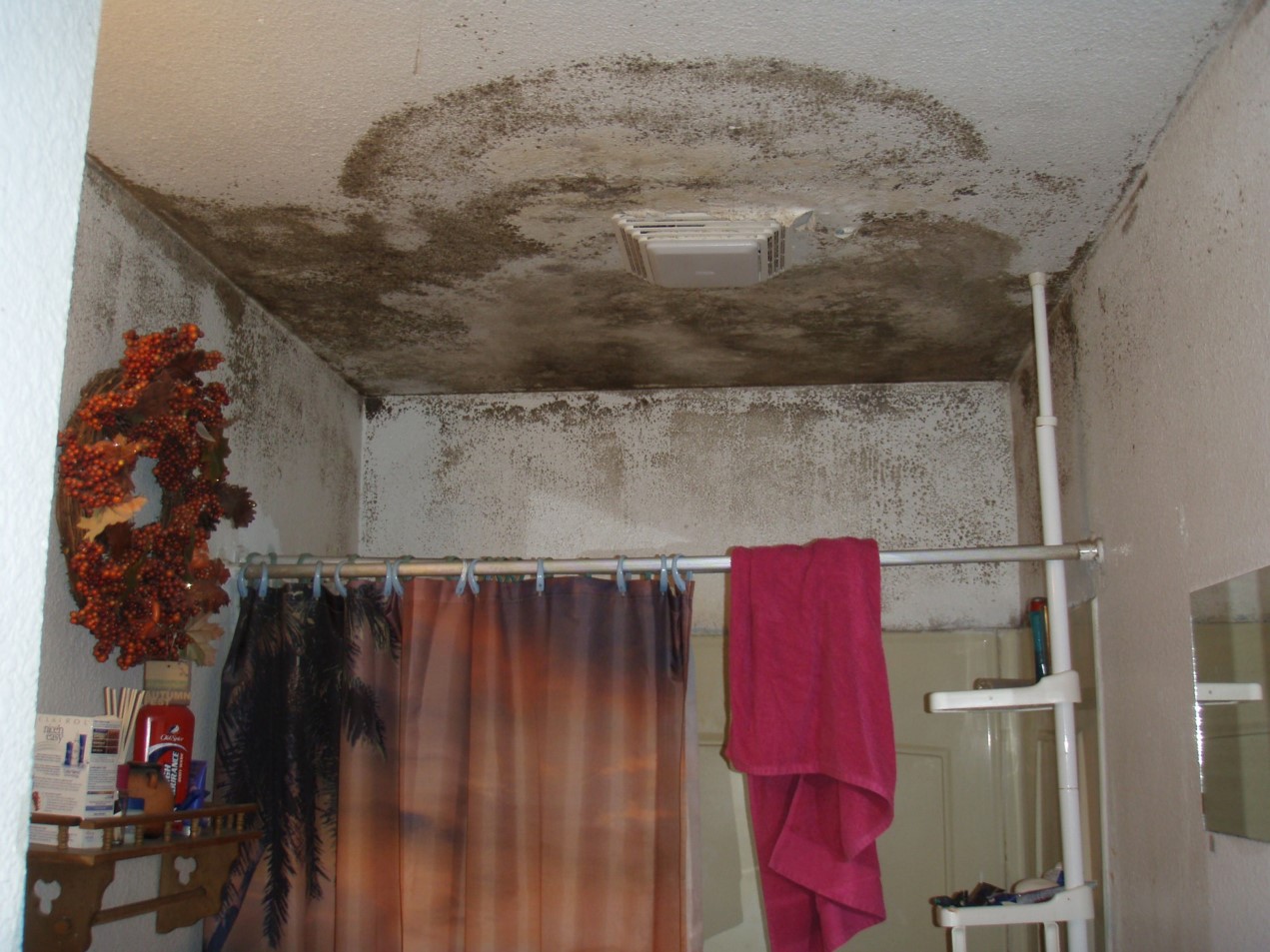
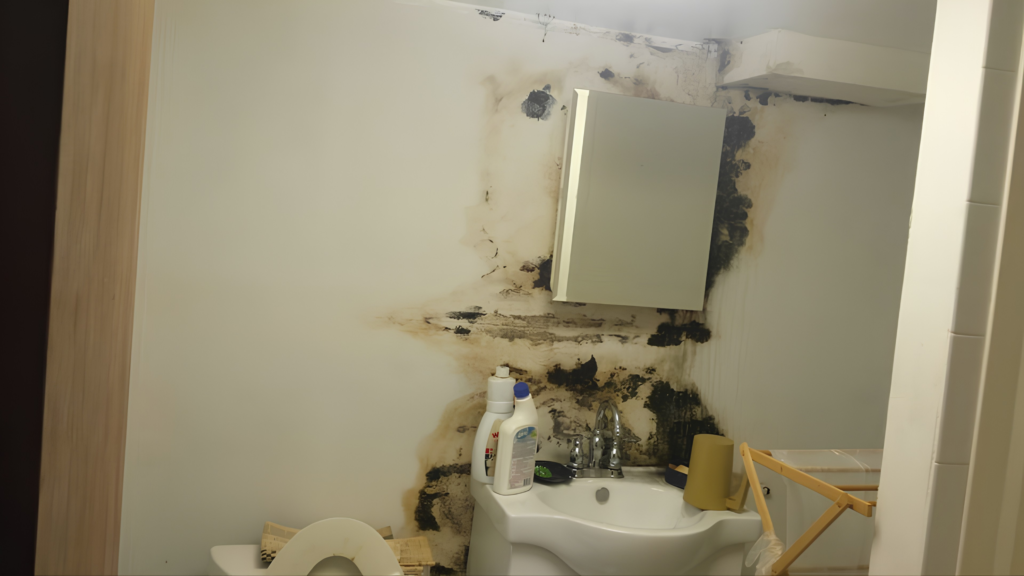
I got a call from a woman living in a Tampa Bay condo who was dealing with all the classic signs of mold exposure — congestion, headaches, fatigue that wouldn’t go away, no matter how much rest she got. She suspected something was off in her unit, but couldn’t see anything obvious. No dark stains on the walls, no visible growth in the bathroom. Just symptoms that kept getting worse.
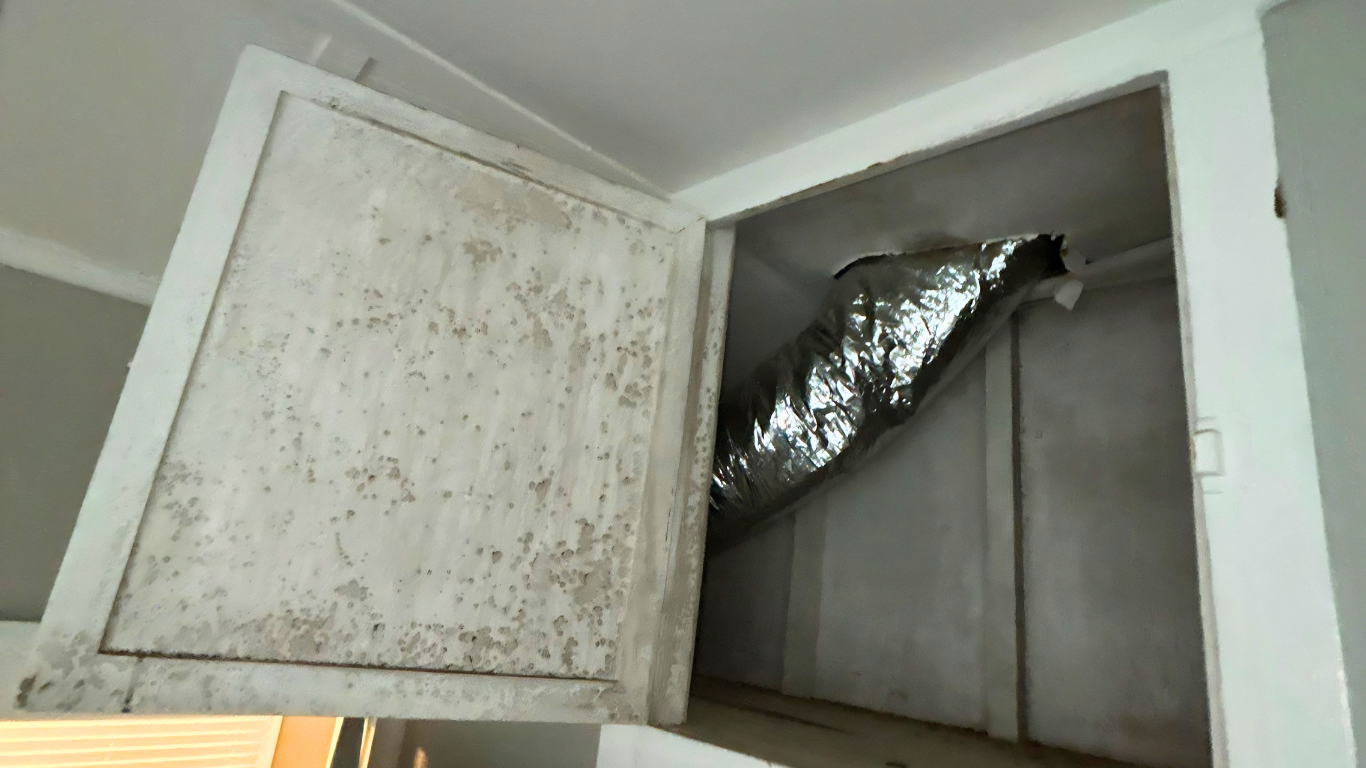
When I arrived, I ran air sampling throughout the unit, and the numbers told a different story than the walls did. Mold levels in her kitchen were significantly elevated above the outdoor baseline. A closer inspection inside her kitchen cabinets revealed active mold growth along the back panels — tucked out of sight where she’d never think to look. My initial assumption was a slow drip from her sink plumbing.
Then came the twist. When the remediation company she hired opened up the wall behind those cabinets, the leaking pipe wasn’t hers. It was the building’s plumbing — running inside the wall cavity that the HOA classified as a common element. And it didn’t stop there. The same leak had been feeding moisture into the adjacent unit, where mold was also discovered.
That one inspection turned into an HOA liability issue, a multi-unit remediation project, and a reminder of something I’ve learned over 27 years in this industry: condo mold is never as simple as it looks.
Your Neighbor’s Problem Can Become Your Mold Problem
That story isn’t unusual. It’s one of the most common scenarios I encounter in Tampa Bay condos, and it catches owners off guard every time. In a single-family home, the moisture source is almost always within your own four walls — a leaking pipe, a failed water heater, a roof intrusion. You find it, you fix it, you move on.
Condos don’t work that way. Plumbing stacks run vertically through multiple floors. Roof membranes protect entire buildings, not individual units. Exterior walls and structural elements are shared. When a pipe leaks inside a wall cavity three floors up, gravity pulls that water down through framing, drywall, and insulation — and the unit where the damage shows up is often not the unit where the problem started.
In Tampa Bay’s humid climate, that hidden moisture doesn’t just sit there. Mold can begin colonizing damp building materials within 24 to 48 hours, and shared wall cavities provide the dark, unventilated environment it thrives in. By the time a condo owner notices a musty smell or starts experiencing symptoms, the contamination may have been developing for weeks — and it may extend well beyond their own unit.
Who’s Responsible — You or the HOA?
This is where things get complicated, and it’s where that kitchen cabinet story becomes a cautionary tale. The homeowner in that situation assumed the problem was hers — her kitchen, her cabinets, her responsibility. If she had just scrubbed the cabinets and called it done, she never would have known the building’s plumbing was the real source. And the HOA would never have been held accountable for a leak that was actively damaging two units.
Florida condo law
law draws a line between what the unit owner maintains and what the association is responsible for. While your specific governing documents (Declaration of Condominium) will have the final say, responsibilities generally break down like this:
| Typically HOA Responsibility (Common Elements) | Typically Owner Responsibility (Interior Unit) |
| Roof leaks and membrane failures | Leaking appliances (dishwashers, refrigerators, washing machines) |
| Exterior walls, stucco, and building envelope | Personal plumbing fixtures (sinks, toilets, showerheads) |
| Shared plumbing stacks running through wall cavities | Interior drywall, paint, and baseboards |
| Foundation and structural components | Flooring (carpet, tile, laminate) |
| Water intrusion from common area irrigation | HVAC units and ductwork (if serving only the individual unit) |
That’s exactly what an independent mold assessment provides. My report documents what species are present, where contamination was found, and what the moisture readings indicate about the likely source. When the remediation contractor opens the wall and confirms the origin, that report becomes the evidence the homeowner needs — for their insurance claim, for their case to the HOA, and for any legal proceedings if the dispute escalates.
I’ve seen disagreements between owners and associations drag on for months because neither side had objective data. An independent assessment from a licensed mold assessor — someone with no financial stake in the remediation work — cuts through the argument and gives everyone a factual starting point.
What Makes a Condo Mold Inspection Different
I approach every condo inspection differently from a single-family home, because the building dynamics demand it. Condos present challenges you simply don’t encounter in a standalone house.
Access is more limited. Most condos have no crawl space, minimal or no attic access, and walls that back directly against another unit’s walls. HVAC systems may be shared or stacked in mechanical closets that serve multiple floors. Plumbing runs through chases and wall cavities that no individual owner can see or access.
That’s where the equipment becomes critical. Infrared thermal imaging lets me see temperature anomalies behind finished walls — revealing moisture that’s traveling from a shared cavity, an adjacent unit, or a common plumbing stack without any demolition. In that kitchen cabinet case, elevated moisture readings along the shared wall were the first indication that the source wasn’t the homeowner’s own plumbing. The infrared confirmed a cold, wet zone extending beyond her unit’s footprint — a pattern that only makes sense when the leak originates inside the wall cavity itself.
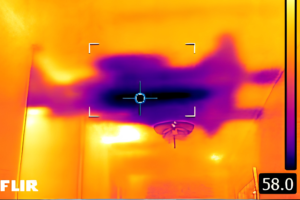
I also pay close attention to walls that back up to a neighbor’s bathroom or kitchen, areas beneath upper-floor units where gravity carries moisture downward, HVAC closets where condensation and drain pan overflows go unnoticed, and any wall, ceiling, or floor where moisture readings don’t match what the visible conditions would suggest.
Air sampling in a condo requires strategic thinking about airflow between units. Spores don’t respect property lines. If the unit next door has active mold growth, elevated spore levels can migrate through shared HVAC ductwork, gaps around plumbing penetrations, and even electrical outlets on shared walls.
For HOA Boards and Property Managers: Why Proactive Testing Protects Everyone
If there’s a lesson in that kitchen cabinet story for associations, it’s this: one unaddressed complaint can become a multi-unit liability issue. The HOA in that situation inherited a much bigger problem than they would have faced if the leak had been investigated when the homeowner first reported symptoms. By the time the mold was discovered in the second unit, the scope of remediation — and the association’s financial exposure — had grown significantly.
I work with property managers across Tampa Bay who’ve learned the value of getting ahead of these situations. When a resident files a mold complaint or reports water intrusion, an independent assessment provides the documentation the board needs to evaluate the situation objectively — before it escalates into a dispute, a legal claim, or a multi-unit remediation project.
Proactive baseline testing is equally valuable for associations managing older buildings. Common areas, hallways, mechanical rooms, and elevator shafts can all harbor moisture conditions that affect multiple units. Identifying those conditions early — through scheduled air quality assessments and moisture surveys — gives the board actionable data to guide maintenance decisions and demonstrate due diligence.
One thing I always recommend to property managers: hire an independent mold assessor, not a company that also performs remediation. When the person identifying the problem has no financial incentive to inflate the findings, the board can trust the report. That independence protects the association from conflict-of-interest claims and ensures every dollar spent on remediation is justified by objective evidence.
When to Schedule a Condo Mold Inspection
For individual condo owners, schedule an inspection if you notice:
- A persistent musty odor that cleaning doesn’t resolve
- Respiratory symptoms or allergies that improve when you leave the unit
- Visible staining or discoloration on walls or inside cabinets
- Any sign of water intrusion — especially from a source you can’t identify
- You’re buying a condo and want independent documentation before closing
For HOA boards and property managers, these situations warrant professional evaluation:
- Resident complaints involving mold, odors, or water damage
- Post-storm assessments of the building envelope
- Aging plumbing or roofing systems with a history of leaks
- High turnover in specific units may signal an unresolved environmental issue
- Recurring maintenance calls involving moisture in the same area of the building
Not sure whether your situation calls for testing? Call me at (813) 365-1994. I’ll ask a few questions and tell you honestly whether an inspection is warranted — and whether your HOA should be involved.
Frequently Asked Questions: Tampa Condo Mold
Does Florida law require HOAs to test for mold? No, Florida statutes do not explicitly mandate that an HOA must test for mold. However, the HOA has a fiduciary duty to maintain common elements. If a leak from a common element is causing property damage or health hazards, they are generally required to investigate and fix the source.
Can I withhold condo fees if there is mold in my unit? In Florida, withholding your HOA dues or condo assessments is highly discouraged. Regardless of the association’s negligence regarding a leak or mold, withholding fees can result in the HOA placing a lien on your property or initiating foreclosure. Always consult a Florida real estate attorney before stopping payments.
Who pays for the mold assessor in a Tampa condo dispute? Initially, the party that hires the assessor pays for the inspection. If you are the unit owner experiencing the issue, you will typically pay for the initial assessment. However, if the report proves the mold was caused by a failure of an HOA-maintained common element, you can often submit those costs as part of your damages claim to the HOA’s insurance.
One Inspection, One Report, One Clear Path Forward
That woman in the Tampa Bay condo got the answers she needed from a single inspection. The lab report documented what was in her air, the visual findings and moisture data showed where it was coming from, and when the remediation team confirmed the building’s plumbing was the source, her report became the evidence she needed — for her insurance claim, for her conversation with the HOA, and for the peace of mind that her unit was properly remediated and cleared.
That’s what an independent mold assessment does. It replaces uncertainty with data, gives every party — owner, association, insurer a factual foundation, and ensures that whoever is responsible for the problem has the documentation to address it properly.
If you’re a condo owner or property manager in Tampa Bay dealing with mold concerns, I’m here to help. I provide independent mold inspection and indoor air quality testing only — never remediation — so every report I deliver is objective, lab-verified, and built to withstand scrutiny from adjusters, attorneys, and remediation contractors.
Joe Margherita
FL Licensed Mold Assessor MRSA4534
ACAC Certified Indoor Environmentalist
Tampa Bay Mold Testing
(813) 365-1994