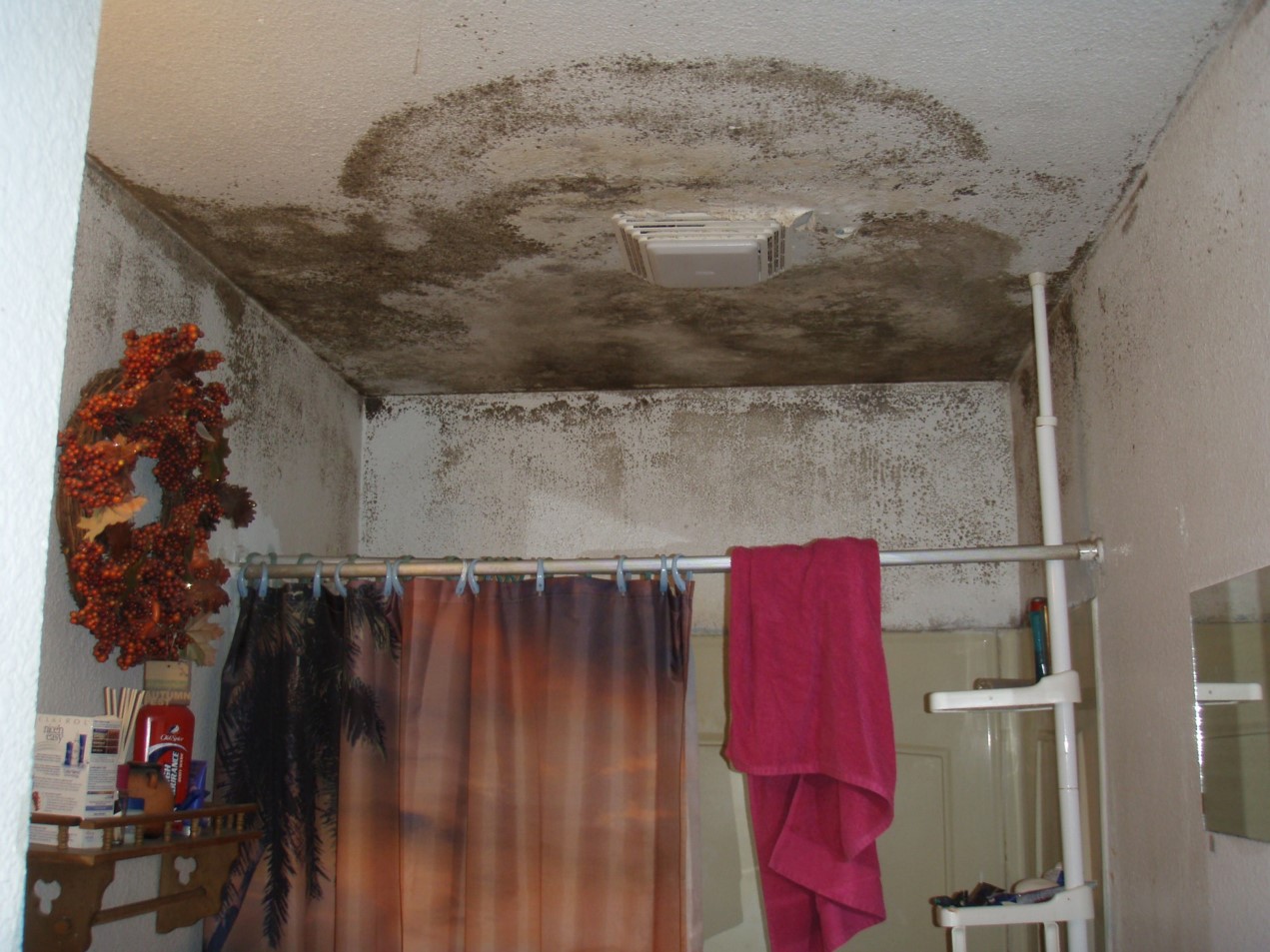

By Joe Margherita, FL Licensed Mold Assessor MRSA4534, ACAC Certified Indoor Environmentalist Short answer: Under Florida Statute 83.51, landlords must keep rental units safe and structurally sound. In most cases, they must fix the underlying moisture problems that cause mold. The tenant’s responsibility is to report problems promptly in writing and to avoid creating the moisture in the first place. When the two sides disagree about who caused the problem or who pays to fix it, an independent mold assessment is usually the document that settles the argument, because it replaces two opinions with one set of facts.
At a Glance
- Under Florida Statute 83.51, the landlord must comply with building, housing, and health codes and keep the structure, roof, and plumbing in working order.
- Florida law does not have a mold-specific statute or a legal spore limit, so a mold dispute usually turns on the underlying moisture source and the law’s habitability language.
- Who caused the moisture generally decides who pays. A roof leak is the landlord’s problem. A tenant who never runs the AC and blocks every vent may own part of it.
- Written notice is what protects a tenant. A text message or a verbal complaint is far weaker than a dated letter you kept a copy of.
- Your lease can shift some responsibility, especially in a single-family home or duplex, so the lease terms matter.
- An independent assessor does testing only. Because they never do remediation, they have no financial stake in the outcome. Landlord handymen and remediation salespeople cannot offer that neutrality.
- This is general information, not legal advice. For a serious dispute, talk to a Florida attorney or a local legal aid office before you withhold rent or break a lease.
What Florida Law Actually Requires
Let me start with the law, because most of the arguments I see between tenants and landlords come from neither side actually knowing what it says.
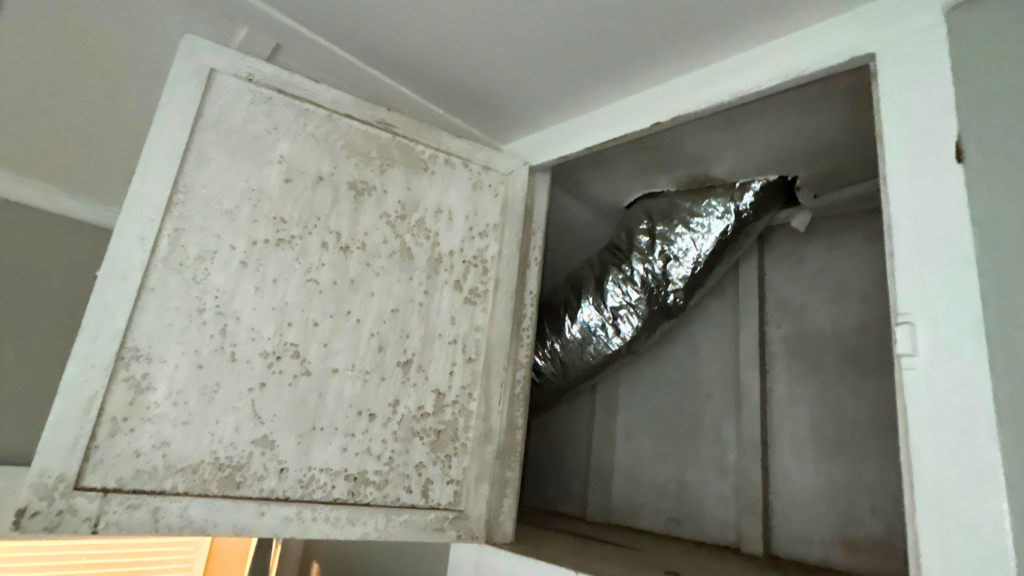
Florida Statute 83.51, the landlord’s obligation to maintain the premises, requires the landlord to comply with applicable building, housing, and health codes. If no local code applies, landlords must maintain structural components in good repair. This includes roofs, windows, exterior walls, foundations, and plumbing.
How Statute 83.51 Applies to Rental Moisture
Here is the honest part that a lot of tenant-rights websites gloss over regarding mold in a Florida rental. Florida does not have a statute that specifically names mold, and there is no legal spore-count threshold that automatically renders a rental uninhabitable. Florida law rarely treats mold as a standalone legal issue. Instead, courts treat it as a moisture or maintenance dispute. Common causes include unrepaired roof leaks, broken plumbing, or leaking windows. The statute is about the cause.
Two more things matter. The law lets a landlord shift some of these obligations in writing for a single-family home or a duplex, so what your specific lease says can change the picture. And the statute is clear that the landlord is not responsible for conditions caused by the tenant’s own negligence. That second point is the whole reason the next section exists.
This is also the same framework that governs condo and HOA disputes, just one tier down. If you own rather than rent, the companion question of owner-versus-association responsibility is covered in my guide on who pays for condo mold, you or the HOA.
Mold in a Florida Rental: Who Caused the Moisture?
In fifteen years of assessing properties across Tampa Bay, I can tell you that the fight is almost never about whether mold in a Florida rental exists.
Then there is the honest middle, where many real cases sit. Sometimes an older unit with a marginal AC and a tenant who keeps it set high combine to create a problem that neither party fully caused alone. That mixed situation is exactly why a neutral assessment beats two people arguing across a kitchen table. Someone has to look at where the moisture is actually coming from, and that answer decides the rest.
What to Do About Mold in a Florida Rental, In Order
If you are renting and you think you have a mold problem, the sequence matters more than the speed. Here is the order I would follow.
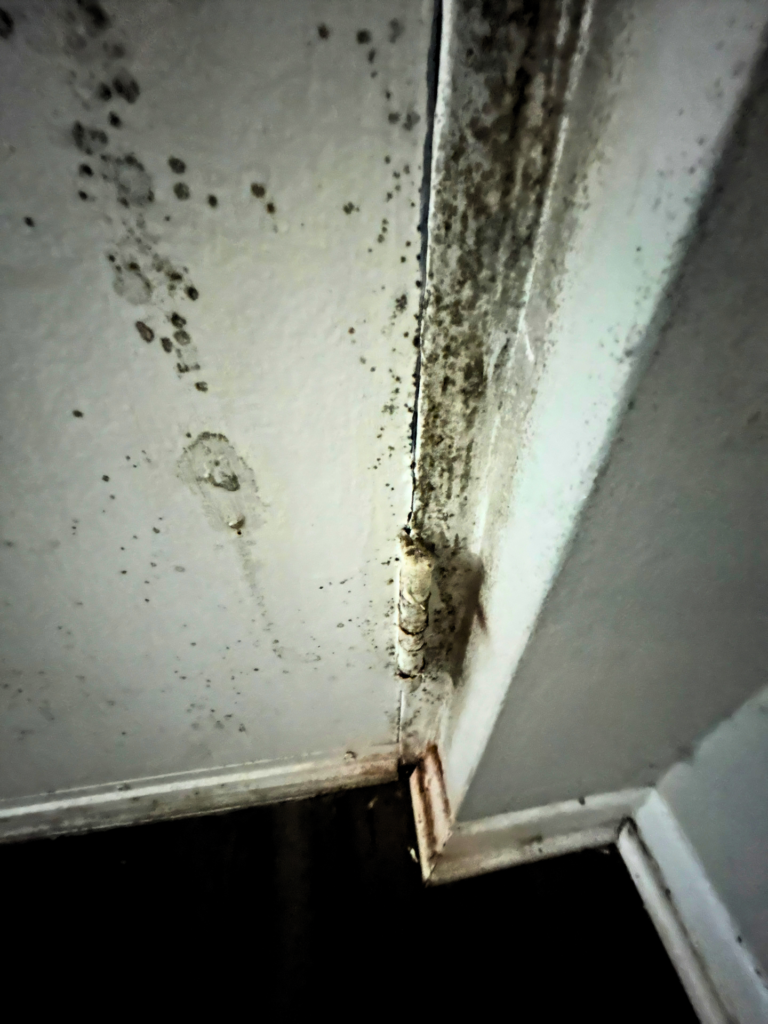
First, document everything. Photograph the growth, the staining, the water source if you can see it, and anything that is being damaged. Date the photos. If there is a smell but nothing visible, write down when you notice it and where.
Second, report it to your landlord in writing. Not a phone call, not a passing comment, and ideally not just a text. Email or letter, dated, describing the problem and requesting it be addressed. Keep a copy. This single step is the one that most changes how a dispute plays out later, because it establishes what you told the landlord and when.
Third, give the landlord a reasonable opportunity to inspect and fix the problem. Most landlords, given clear written notice, will act. The disputes are the exception, not the rule.
Fourth, if the landlord stalls, dismisses it, or sends someone who waves it off without looking at it, get an independent assessment. Now you are holding documented facts instead of a disagreement.
The 7-Day Written Notice Under Statute 83.56
Florida law does give tenants an escalation path, but it is narrow and easy to get wrong. Under Florida Statute 83.56, tenants can issue a written notice for unaddressed repairs. The letter must outline the issue and request fixes within seven days. If the landlord fails to act, the tenant may terminate the lease.
Ending the lease is a real remedy, but notice that it is about terminating your agreement—not about withholding rent. Florida does not have a simple repair-and-deduct statute as some states do, and improperly withholding rent can result in a tenant being evicted rather than protected. That is not a threat; it is just how the statute works, and it is exactly the point where you should get advice from a Florida attorney or a legal aid office before you act.
Why an Independent Assessment Changes the Conversation
Here is the part that matters most, and it is the reason my business is built the way it is.
When money and blame are on the table, everyone who looks at the mold has an incentive. The landlord’s maintenance guy has a reason to say it is nothing. A remediation company has a reason to say it is a catastrophe, because the bigger the problem sounds, the bigger the job they sell. Neither of those people is neutral, even when they are honest.
A licensed mold assessor who performs testing only, and never remediation, is the one party in the room with no stake in the answer. Florida Statute 468.8419 prohibits a single company from performing both testing and remediation on the same property. Florida created this law so the person diagnosing the problem cannot profit from fixing it. My report documents which species are present, where the contamination is located, and what the moisture readings indicate about the likely source. It carries my license number and signature and is built to hold up in front of an adjuster, an attorney, or a judge.
I once assessed a rental for a tenant whose landlord kept insisting the musty smell was nothing, and the tenant was imagining her symptoms. The air sampling and the moisture readings told a very different story, and that documentation is what finally moved the situation and saved her from months of getting nowhere. An honest report is leverage that a complaint is not.
Neutral Reports Protect Landlords and Tenants
And this cuts both ways, which is worth saying plainly. Landlords benefit from independent assessment too. If a tenant is making an unfounded mold claim, a clean report from a neutral assessor protects the landlord just as much as a positive one protects the tenant. Facts are not on anybody’s side. That is the entire value.
If the landlord did have remediation done and you want to be sure it actually worked, that is a separate step called clearance testing, and it should also be independent. I cover what that involves in my post on post remediation verification.
When You Do NOT Need a Test for Mold in a Florida Rental
I would rather tell you the truth than sell you a sample, so here is when testing is probably a waste of your money.
If the landlord already agrees there is a leak, is fixing the source, and nobody in the unit is having health symptoms, you may not need to spend a dime on testing. The problem is acknowledged and being handled, and a lab report would not change anything.
If you have a small patch of obvious surface mold on bathroom caulk or grout that shows up from shower steam, that is usually a cleaning issue, not a testing issue, and not a habitability dispute over mold in a Florida rental.
Save testing for the situations where it actually earns its cost: a genuine dispute where the landlord denies the problem, mold you can smell but cannot find, symptoms that improve when you leave the unit, hidden growth you suspect but cannot see, or a move-out fight where a landlord is trying to charge your security deposit for mold you do not believe you caused. In those cases, documentation is the difference between winning and being stuck.
The Bottom Line on Mold in a Florida Rental
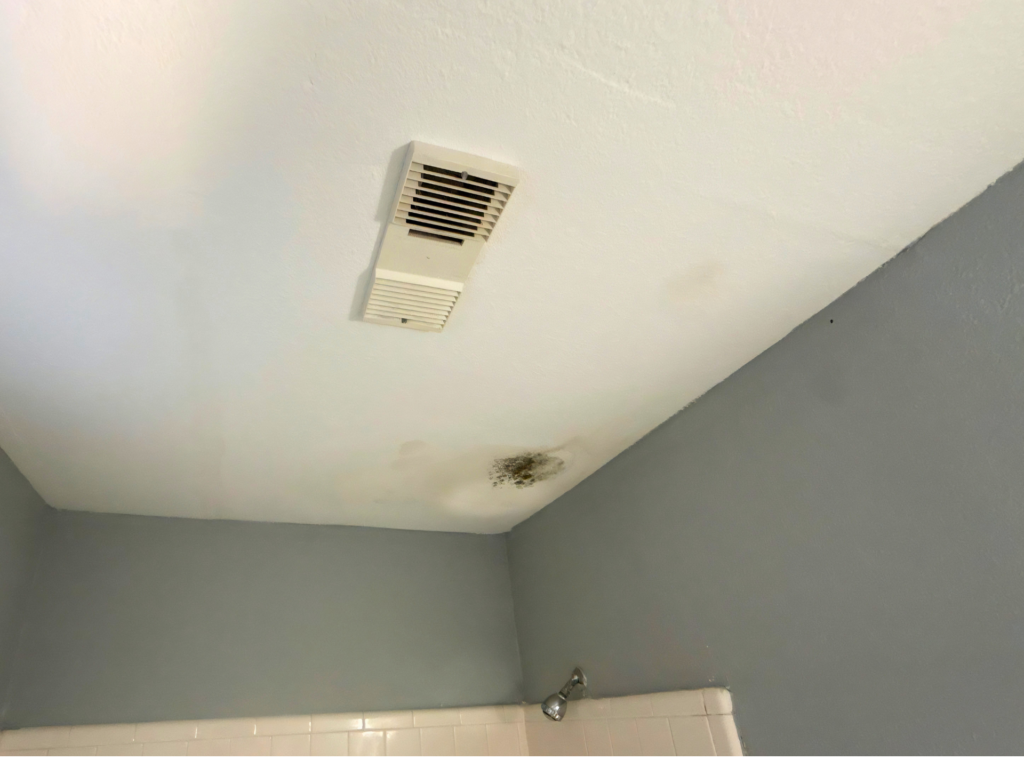
We have the conditions that make this a constant issue. High humidity nine months a year, a lot of older rental stock in Tampa and St. Petersburg with aging air conditioning, plenty of absentee and out-of-state landlords, and a large population of renters who have never heard of Statute 83.51 and do not know what it entitles them to when facing mold in a Florida rental.
If you are renting in Hillsborough, Pinellas, Pasco, or Manatee County, the sequence that protects you is simple. Document it, report it in writing, give the landlord a fair chance to fix it, and if they do not, get an independent assessment so you are holding facts rather than a frustrating argument.
Renting in Tampa Bay and Dealing With Mold?
If you’re in Hillsborough, Pinellas, Pasco, or Manatee County and your landlord is not taking a mold problem seriously, call (813) 365-1994.
Tampa Bay Mold Testing does assessment and testing only, never remediation. You will always get an unbiased, conflict-free report of what is actually in your home, documentation you can put in front of a landlord, an adjuster, or a court.
Frequently Asked Questions
Is my landlord responsible for mold in Florida? In most cases, yes. Landlords are responsible when mold stems from structural or maintenance failures under Statute 83.51. Common examples include roof leaks, broken plumbing, or failing air conditioners. The landlord is generally not responsible for mold caused by the tenant’s own negligence, such as never running the AC or failing to report a spill. Florida has no mold-specific statute, so these disputes usually turn on the source of moisture.
Can I withhold rent for mold in Florida? Florida does not have a simple repair-and-deduct law, and withholding rent incorrectly can lead to eviction rather than protection. There is a narrow process under Florida Statute 83.56 involving written notice, but it is aimed at terminating the lease, not skipping rent. Talk to a Florida attorney or a legal aid office before withholding anything.
How long does my landlord have to fix mold in Florida? The landlord is entitled to a reasonable opportunity to inspect and repair after receiving written notice. Under Florida Statute 83.56, a tenant’s notice of intent to terminate for a material failure gives the landlord 7 days to address the issue before the tenant may end the lease. What counts as reasonable can depend on the severity and the specific circumstances.
Can I break my lease because of mold in Florida? Possibly, if the landlord materially fails to meet the maintenance obligations in Statute 83.51 and does not cure the problem after proper written notice under Statute 83.56. This is a legal step with real consequences if done incorrectly, so get legal guidance before relying on it.
Costs, Remediation & Legal Rights FAQs
Who pays for mold testing in a rental dispute? Usually whoever orders the test pays for it up front. If an independent assessment shows the mold was caused by something the landlord was responsible for maintaining, a tenant can often seek those costs as part of a damages or repair claim. An independent, licensed assessor’s report carries far more weight in that claim than a DIY kit.
Does the landlord or the tenant pay for mold remediation? It depends on the cause. If the moisture came from a structural or maintenance failure the landlord is obligated to fix, remediation is generally the landlord’s cost. If the tenant caused the moisture through negligence, the tenant may be responsible. This is exactly why establishing the source with a neutral assessment matters so much.
Can I be evicted for reporting mold to my landlord? Florida law prohibits retaliatory eviction against a tenant for exercising legal rights, including making a good-faith complaint about conditions. Retaliation claims are fact-specific, so if you believe you are being retaliated against, document everything and speak with a Florida attorney or legal aid.
Joe Margherita

FL Licensed Mold Assessor MRSA4534
ACAC Certified Indoor Environmentalist