By Joe Margherita, FL Licensed Mold Assessor MRSA4534, ACAC Certified Indoor Environmentalist
Finding mold or stormwater damage is stressful. Your first instinct might be to panic-Google “mold removal Tampa” and call the first company that answers. That instinct is understandable – and it’s the wrong first move. Before anyone starts tearing out drywall or running air scrubbers, you need to understand the strict laws regarding mold testing vs removal Florida properties are subject to. To protect your home and your wallet, your first call should be to an independent, unbiased mold assessor – not a remediation crew. Here’s why that order matters, what state law actually says about it, and how to make sure the company standing in your kitchen doesn’t have a financial reason to find more mold than is actually there.
What is Mold Testing vs Removal Florida: The Short Answer
- – Mold assessment (testing) diagnoses the problem: air and surface sampling, finding the moisture source, and writing a scientific protocol for how it should be fixed.
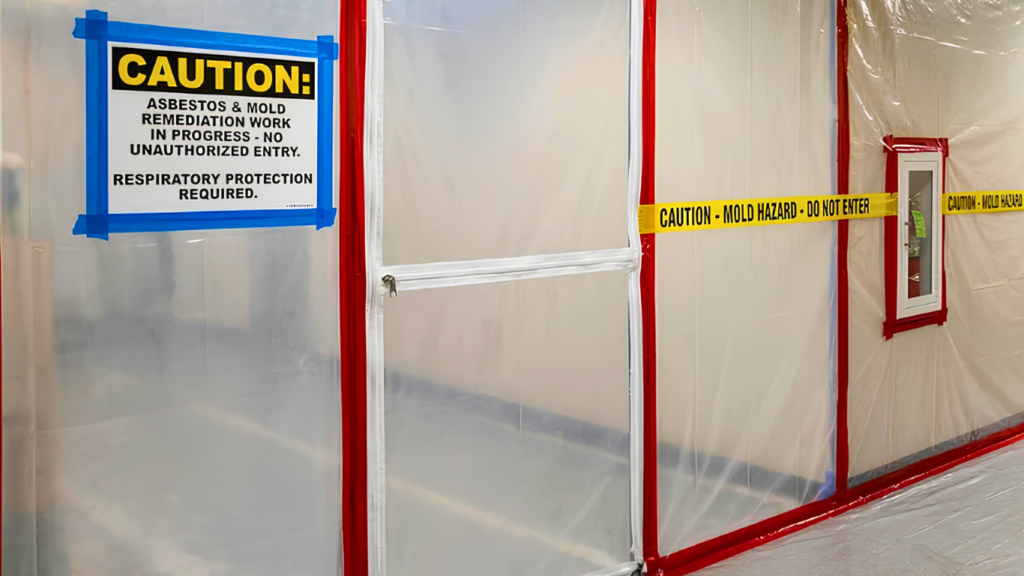
- – Mold remediation is the physical work: containment, demolition, air scrubbing, and removal, based on that protocol.
- – Florida law prohibits the same company from performing both the assessment and the remediation on the same property within 12 months (Florida Statute §468.8419).
- – The same statute also bars mold assessors from accepting referral fees or kickbacks from remediation companies, and vice versa – a detail most homeowners never hear about.
- – Hiring a company that does both, or that’s quietly connected to a remediation partner, creates a financial incentive to find (and bill for) more of a problem than may actually exist.
- – An independent assessor with no remediation arm has nothing to gain from exaggerating your results – their only product is an accurate answer.
Mold testing vs. mold remediation: what’s the difference?
Mold assessment (testing)is the diagnostic step.A licensed assessor inspects the property and collects air and surface samples. They use thermal imaging and moisture meters to pinpoint the exact moisture source. Finally, all samples go to an independent lab for analysis. The end product is a report and a written protocol based on EPA mold cleanup guidelines
. This protocol defines the exact scope of work needed to fix the problem. It details containment requirements, air exchange rates, and strict clearance standards.
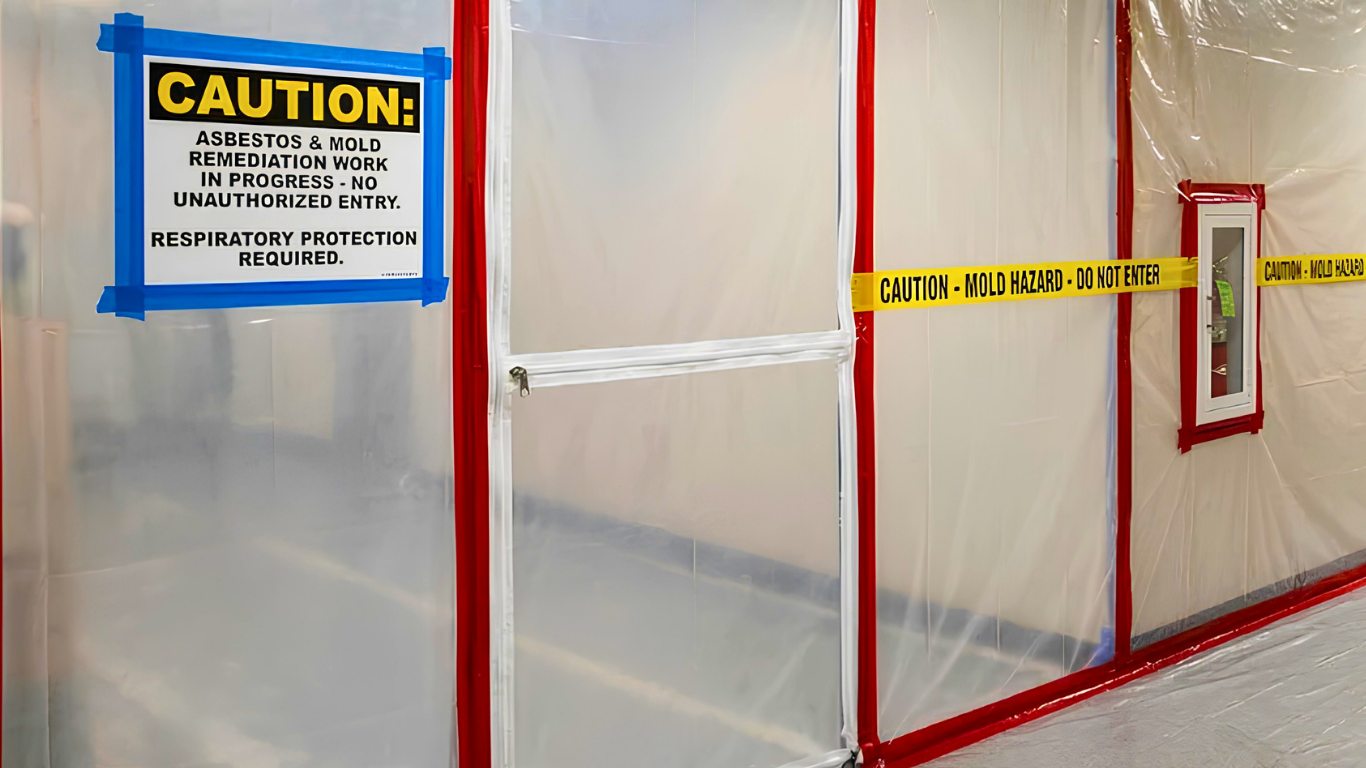
Mold remediation is the act of setting up containment, removing contaminated materials, and cleaning the space following the assessor’s protocol. It’s a construction and cleanup job, not a diagnostic one. These are two different skill sets and two different jobs — and Florida law treats them that way on purpose.
Mold Testing vs Removal Florida: The “All-In-One” Trap
Here is the conflict of interest in plain terms. If the testing company also does the remediation, they have a financial incentive to exaggerate the problem. You wouldn’t let a mechanic paid by the repair diagnose your car. The same logic applies to your home. This conflict of interest is exactly why the strict laws governing mold testing vs removal Florida relies on were written.
Florida recognized this exact problem and wrote it into law. Under [Florida Statute §468.8419], a licensed mold assessor is prohibited from:
- Performing or offering mold remediation on any property they assessed within the past 12 months.
- Inspecting, for a fee, any property in which they or their company have a financial interest.
- Accepting compensation, inducements, or rewards from a mold remediation company in exchange for referring business to them – and remediators are equally barred from paying assessors for referrals in the other direction.
- Accepting an assessment engagement where the fee or outcome is contingent on what the assessment finds.
That middle point is the one most homeowners never hear about, and it’s arguably the more important one. Even technically separate businesses can have referral kickbacks. This creates the exact conflict the law prevents. The assessor still profits by finding a bigger problem.
The takeaway:
If a company offers both testing and remediation, or refers a partner, ask how that complies with §468.8419. A straight answer should be easy to get. Hesitation, vagueness, or pressure to skip the question is itself useful information.
Florida licenses all assessors and remediators through the [DBPR’s Mold-Related Services Licensing Program]. Always use their public lookup to verify an active license before hiring anyone.
The Tampa Bay Mold Testing difference
Our company operates strictly as an inspection and testing business. We do not perform remediation, use referral partners, or accept kickbacks. This means there is no financial incentive for us to exaggerate your problem. Our only product is an accurate answer backed by lab data. Worried about price? See [what mold testing actually costs in the Tampa Bay area]. It is usually much less than remediation.
A few specifics on what that looks like in practice:
Scientific protocols, not guesswork.
When testing confirms a problem, you get a written protocol specifying exactly what needs to happen – containment, air exchange rates, clearance criteria – so any remediation company you hire is working from an objective standard, not their own estimate of how much demolition is “necessary.”
Documentation for insurance and disaster claims.
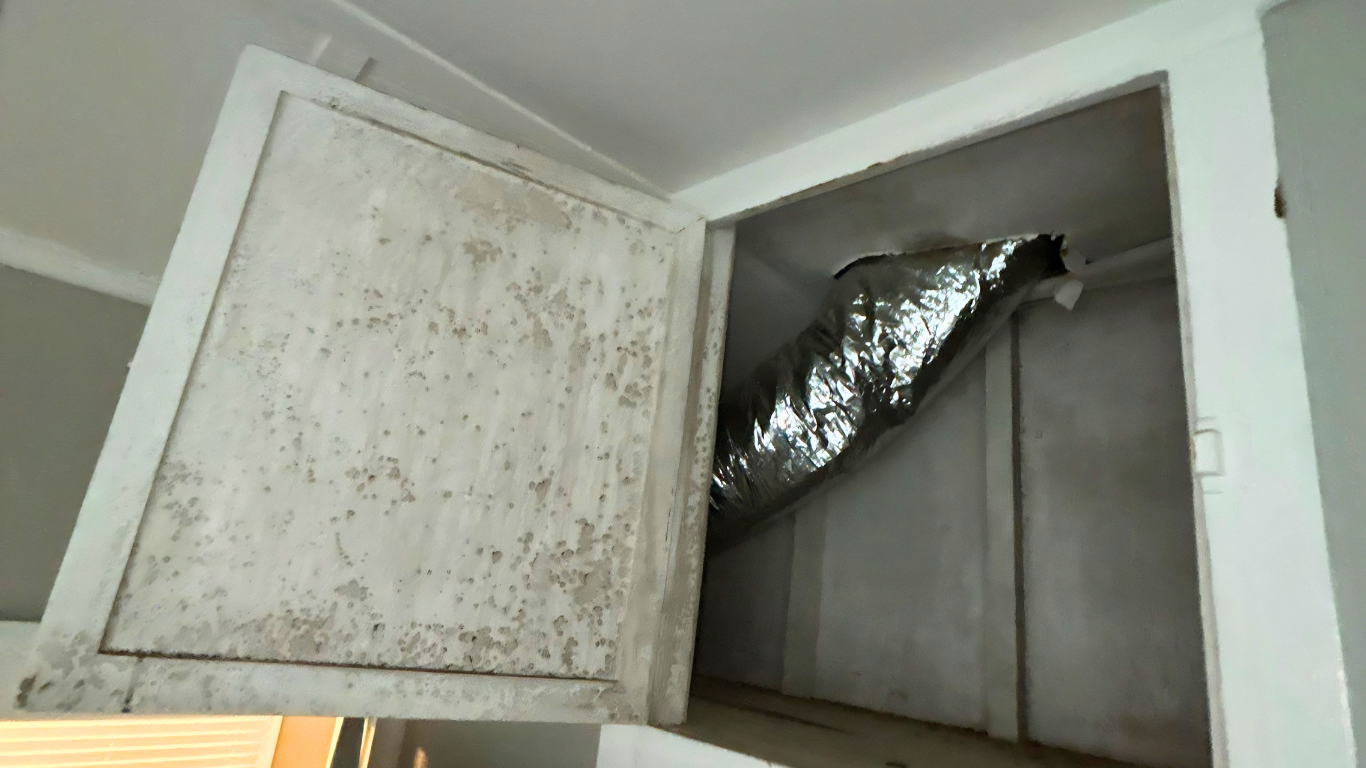
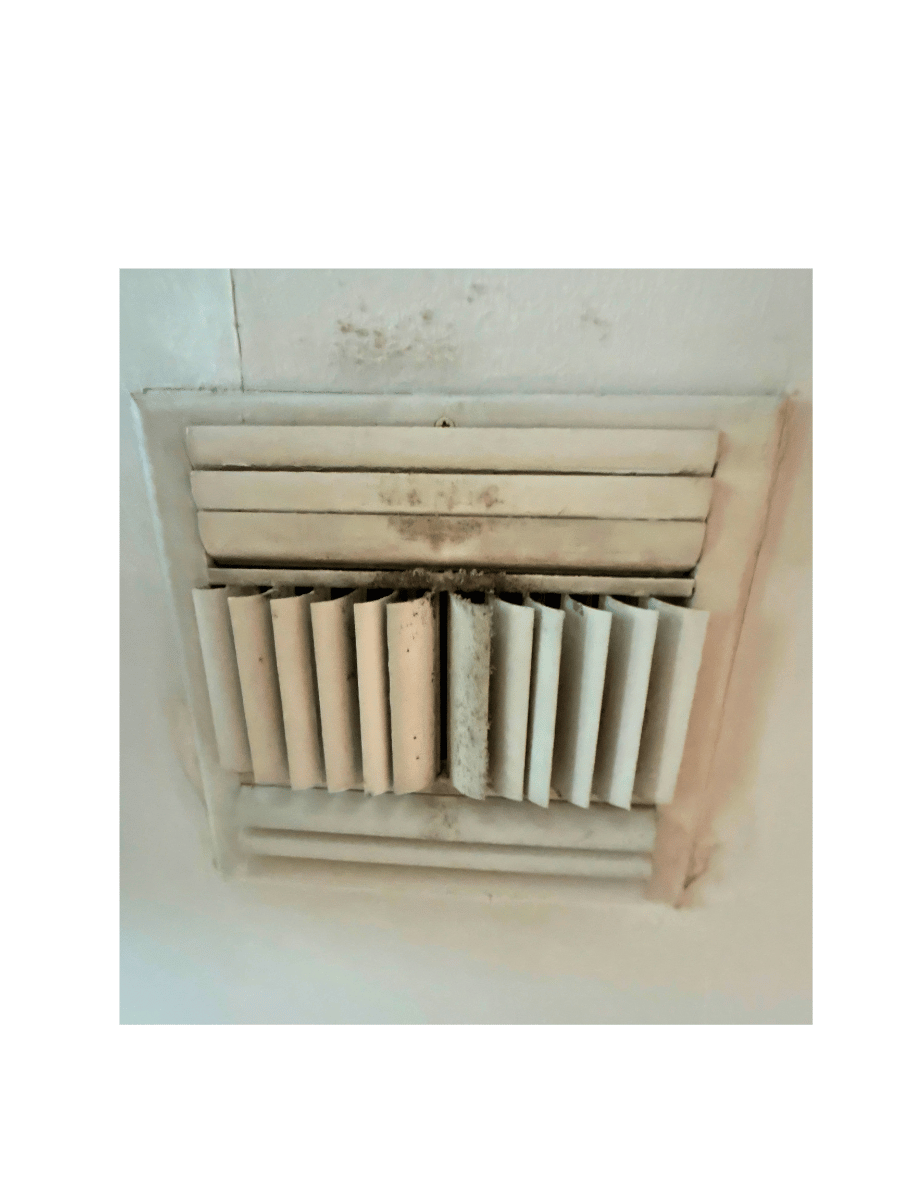
After storm damage, having lab-verified, professionally documented conditions before any remediation crew starts tearing out materials can matter significantly for an insurance claim. Once the evidence is gone, it’s gone – testing first preserves your documentation. (This often overlaps with broader indoor air quality testing after a storm, since moisture events frequently affect more than just visible mold – including mold in air ducts and HVAC systems, which can go unnoticed for months after a leak.)
Fast turnaround. Results typically come back within 1-2 business days, so you’re not left waiting around in an uncertain environment any longer than necessary.
Frequently asked questions
Mold Testing vs Removal Florida: Can the same company do both?
No. Florida Statute §468.8419 prohibits a mold assessor from performing remediation on a property they assessed within the previous 12 months, and separately bars assessors and remediators from paying each other referral fees.
Why shouldn’t I just use a company that offers “free” mold testing?
A “free” test is often bundled with an expectation – or outright intention – to sell you remediation services. Since the test itself isn’t generating revenue on its own, the incentive shifts toward finding (or exaggerating) a problem that justifies the paid work that follows.
What does a mold assessor actually give me if they don’t do the removal?
A written report and a scientific protocol: what was found, where the moisture source is, and the specific scope of work – containment, air exchange rates, clearance standards – that a remediation company should follow. This gives you an objective standard to hold any remediation contractor to.
Do I need mold testing after a hurricane or storm damage, even if there’s no visible mold?
If there’s been water intrusion, testing can identify problems before they become visible and creates documentation that may be valuable for an insurance claim. The Florida Department of Health notes that moisture control is the key to preventing mold growth. Waiting until mold is visibly obvious often means the problem – and the remediation cost – has already grown.
How long does mold testing take?
Results are typically available within 1-2 business days of sampling, so you’re not left without answers for long.
*Mold and indoor air quality can be sensitive subjects, and every property is different. This article is general information, not a diagnosis of your specific home or legal advice. If you have questions about your specific situation, consult a licensed professional.*
Navigating mold testing vs removal Florida regulations doesn’t have to be confusing. Before you search for mold removal in Tampa Bay, get the facts. Contact Tampa Bay Mold Testing today for an unbiased, scientific assessment of your home.
Joe Margherita FL Licensed Mold Assessor MRSA4534 ACAC Certified Indoor Environmentalist