
By Joe Margherita, FL Licensed Mold Assessor MRSA4534, ACAC Certified Indoor Environmentalist
Yes — and in Tampa Bay, Florida, it’s one of the smartest moves you can make before closing. A mold inspection is not legally required in a Florida real estate transaction, but given our state’s year-round humidity, frequent storms, and tightly sealed construction, skipping one is a gamble that can cost you thousands of dollars in unexpected remediation after you’ve already signed.
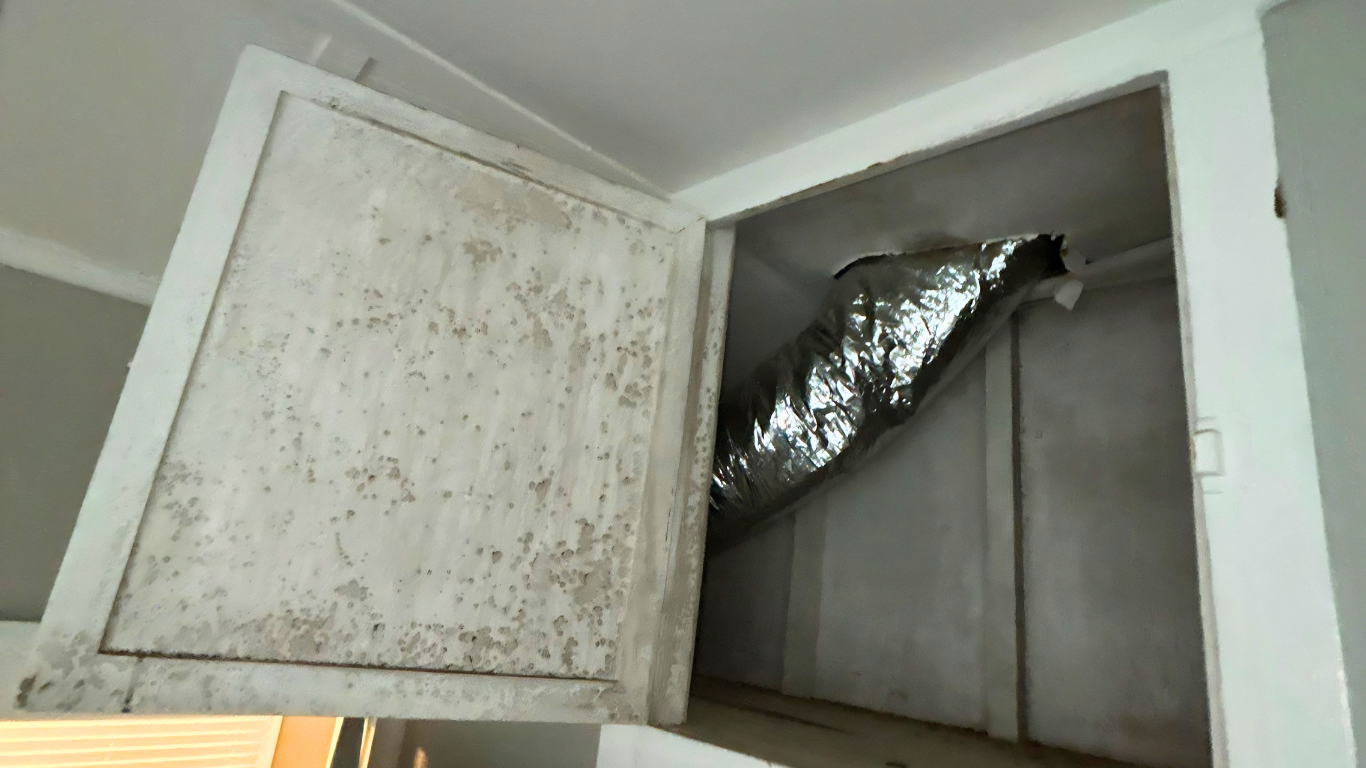
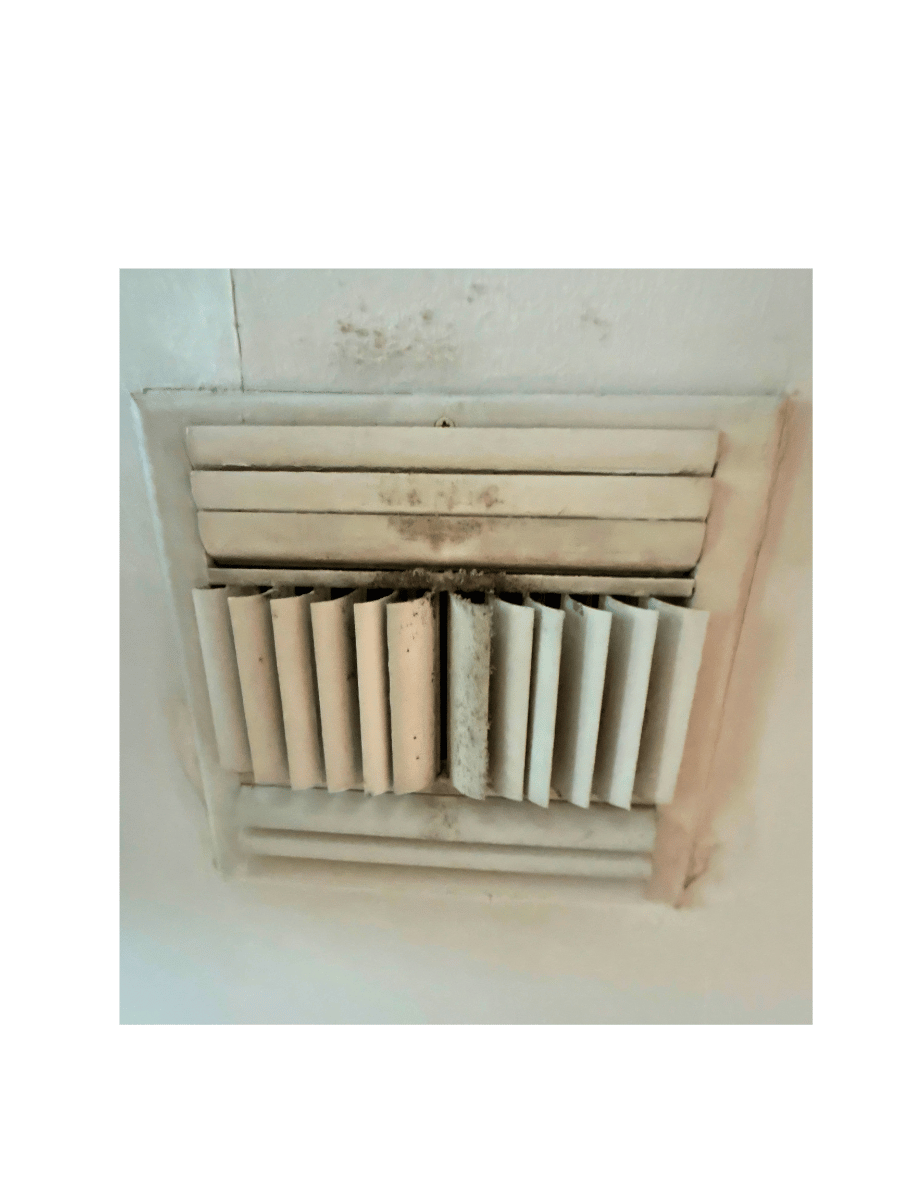
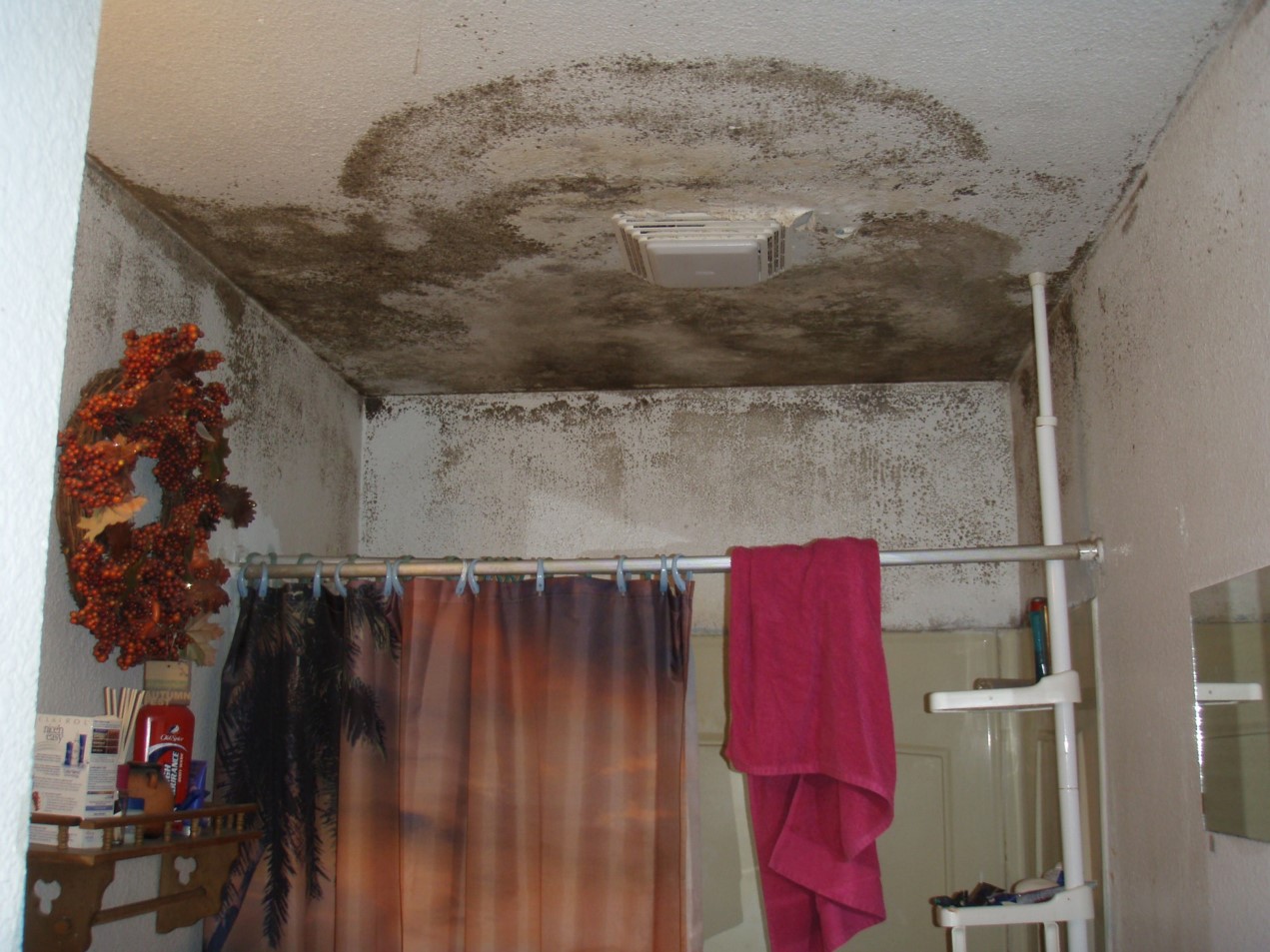
I’ve inspected homes for buyers across Tampa Bay for 27 years, and I can tell you from experience: the properties that look move-in ready on the surface are often the ones hiding moisture problems behind freshly painted walls, inside HVAC closets, and beneath updated flooring. A general home inspection won’t catch most of these issues. A mold inspection will.
The Bottom Line for Florida Homebuyers:
- Standard inspections miss it: General home inspectors are not licensed to pull lab samples or diagnose hidden mold.
- Cosmetics hide it: Fresh paint and new floors in flipped homes often conceal severe moisture problems.
- The law protects you: Florida law forbids the same company from testing and remediating your mold, ensuring you get an honest assessment.
What a General Home Inspection Misses
Most buyers assume their home inspection covers mold. It doesn’t — at least not in any meaningful way. A standard home inspection evaluates roofing, plumbing, electrical, HVAC, and structural systems across dozens of categories in a few hours. If the inspector sees visible mold, they’ll note it. But they’re not equipped or licensed to collect air samples, run laboratory analysis, identify mold species, or measure whether airborne spore levels are elevated.
In Florida, mold assessment requires a separate MRSA license from the Department of Business and Professional Regulation — a completely different credential from a home inspector’s license, with its own exam, training requirements, and insurance mandates. A home inspector who offers mold sampling as an add-on is operating at the edges of their scope. A licensed mold assessor is a professional specifically trained and licensed to evaluate your home’s mold conditions and produce documentation that meets the standards of insurers, attorneys, and remediation contractors.
I’ve written a full breakdown of these differences in my blog Can a Home Inspector Test for Mold in Florida? if you want the details.
Why Tampa Bay, Florida Homes Are at Higher Risk
Florida’s climate doesn’t give homeowners a break. Outdoor humidity routinely exceeds 70 percent during the summer months. Afternoon storms can dump inches of rain in minutes. Tropical systems and hurricanes introduce massive volumes of water into structures that may take weeks to fully dry. And every home runs air conditioning nearly year-round, which keeps interiors cool but creates condensation wherever warm, moist air meets cold surfaces — inside wall cavities, on AC ducts running through hot attics, and around improperly sealed windows and doors.
These conditions mean mold can develop in any Florida home, regardless of age, price point, or how well it shows. New construction homes can have mold from moisture left behind during construction that wasn’t properly dried before closing. Renovated flips can have mold hidden behind cosmetic updates that covered water damage rather than fixing it. And older homes may have decades of slow leaks that introduced moisture into framing and insulation that was never addressed.
A pre-purchase mold inspection cuts through the cosmetics and tells you what’s actually happening behind the walls.
What a Pre-Purchase Mold Inspection in Tampa Bay Includes
When a buyer hires me to inspect a property before closing, the assessment is thorough and designed to give you the complete picture — not just a surface-level walkthrough.
What a pre-purchase mold inspection includes:
- A Detailed Written Report: Lab results, species identification, and a clear professional interpretation of what the findings mean for your closing.
- Thorough Visual Inspection: Deep checks of moisture-prone areas like HVAC closets, attics, and beneath updated kitchen or bathroom fixtures.
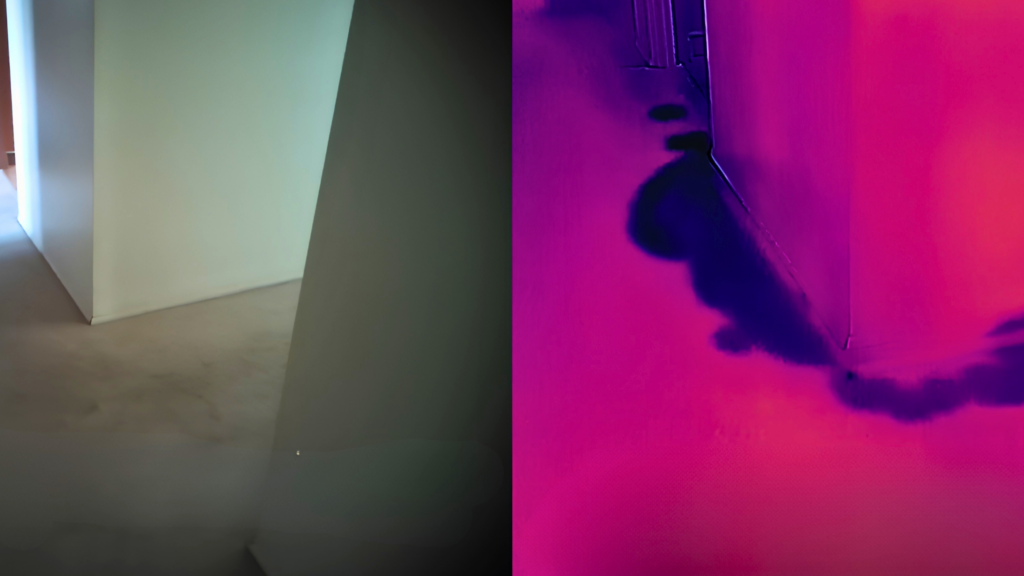
- Infrared Thermal Imaging: Revealing temperature anomalies (cold, wet zones) behind finished walls that are invisible during an open house.
- Moisture Mapping: Calibrated meter readings across drywall and framing to find where water is actively hiding.
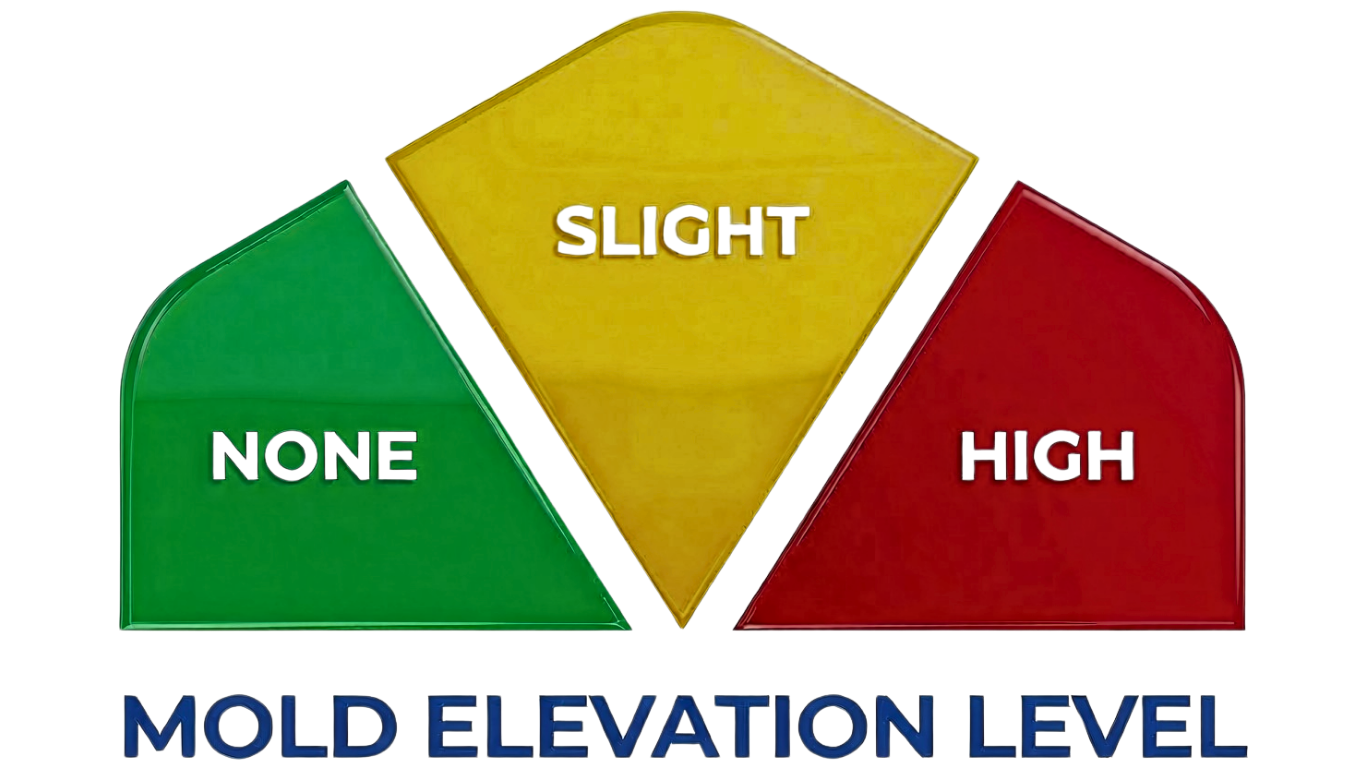
- Calibrated Air Sampling: Strategic indoor sampling compared against an outdoor baseline to quantify airborne spore concentrations.
- Fast Lab Turnaround: Accredited third-party laboratory analysis returned within 24 hours—crucial for tight real estate inspection windows.
What Happens If Mold Is Found
Discovering mold during the inspection period doesn’t necessarily mean the deal is dead. What it does mean is that you now have objective, lab-verified data to make an informed decision rather than a blind one.
With a professional mold assessment in hand, you have several options. With a professional mold assessment in hand, you have options. You can negotiate for the seller to fund remediation before closing — verified through independent post-remediation clearance testing. If the seller won’t remediate, a price reduction or credit gives you the funds to handle it after move-in on your own terms. Or you can simply proceed with full knowledge of the conditions and factor in cleanup costs from the start. Or, if the contamination is severe enough, you can walk away — particularly if your contract includes a mold inspection contingency.
Florida does not have a standalone mold disclosure law, but sellers are legally obligated to disclose known material defects under Florida’s general real estate disclosure requirements. If the seller knew about mold or water damage and failed to disclose it, your independent mold assessment becomes the documentation that supports your legal position.
What It Costs — And What It Saves
A pre-purchase mold inspection provides lab-verified proof of what is in the air and behind the walls. No other part of the buying process gives you this peace of mind before making the biggest investment of your life.
Spending $450 before closing to identify a $10,000 problem is not an expense. It’s the best return on investment in the entire transaction.
I’ve seen buyers close on homes that needed $15,000 in remediation they didn’t know about — remediation that would have been the seller’s responsibility if it had been documented before the contract was finalized. And I’ve seen buyers use my report to negotiate $8,000 in seller credits that more than covered the cost of cleanup. In both cases, the mold inspection determined the outcome.
Why Your Mold Inspector Should Be Independent
This is a point I make to every buyer I work with: your mold inspector should never be the same company that performs remediation. In Florida, this separation is codified in law — Florida Statutes Section 468.8419 prohibits the same entity from assessing and remediating the same property.
The reason is straightforward. Companies that identify the problem and profit from the cleanup have a financial incentive to find mold. My only job is to tell you exactly what’s there, accurately and objectively.
That independence is what makes the report trustworthy — to you, to the seller, to the lender, and to any attorney or insurer who reviews it.
The Bottom Line
Do you need a mold inspection before buying a house in Florida? It is not legally required. However, Florida’s humidity, storms, and hidden moisture create ideal conditions for mold in almost every property. Because of this, it is an essential step before closing.
If you’re buying a home anywhere in Tampa Bay — Hillsborough, Pinellas, Pasco, or Manatee County — I’m here to help. I provide independent mold inspection and indoor air quality testing only, never remediation, so every report I deliver is objective and built to protect the buyer.
Frequently Asked Questions
Who pays for the mold inspection before buying a house?
Typically, the buyer pays for the initial mold inspection during their due diligence period. However, if the inspection uncovers a major, undisclosed mold issue, the buyer can often use the lab-verified report to negotiate seller credits or require the seller to pay for the remediation before closing.
Can a buyer back out if mold is found?
Yes, if your real estate contract includes a standard inspection contingency. Finding mold gives you the leverage to ask the seller to fix the issue, drop the purchase price, or allow you to walk away entirely with your earnest money deposit intact.
Joe Margherita
FL Licensed Mold Assessor MRSA4534
ACAC Certified Indoor Environmentalist
Tampa Bay Mold Testing