Essential Steps After Mold Inspection Findings
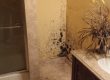
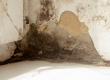
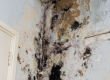
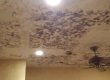
A property manager in downtown St Petersburg recently called in a panic. Their tenants on the third floor were complaining of musty odors and headaches. A Mold Inspection revealed extensive hidden growth inside wall cavities after a long-ignored window leak. The report landed on their desk…and then the real question started: “Now what?”
That moment—right after you receive your mold report—is where many business owners and homeowners get stuck. The inspection answers what’s there and often why it’s there, but it doesn’t always spell out the safest, smartest next steps.
In humid Pinellas County, where average relative humidity often sits above 70% for much of the year and heavy summer storms are the norm, mold isn’t a rare event. Studies show that up to 50% of homes in humid climates have some level of moisture-related issues. For St Petersburg businesses, that can mean employee complaints, potential liability, and even interruptions to operations.
This guide walks you through the essential steps after your inspection findings—how to interpret the results, what to prioritize, how to choose the right partners, and how to protect your building and everyone inside it for the long term.
Key Insight: The value of a mold inspection is only realized when you act on it strategically—focusing on moisture control, proper remediation, and long-term prevention guided by solid data and professional support.
Step 1: Really Understand Your Mold Inspection Report
The first step after receiving your report is to slow down and understand exactly what it’s telling you. A good Mold Inspection Services report doesn’t just say “you have mold”; it explains where, how much, what type, and often why it’s there.
Most professional reports in the St Petersburg area will include:
- Visual findings (stains, discoloration, water damage)
- Moisture readings from walls, ceilings, and floors
- Results from Mold Testing (air and/or surface)
- Lab analysis of species present (including potential toxigenic molds)
- Photos and diagrams of problem areas
- Recommendations or next steps
For example, you might see elevated spore counts of Aspergillus/Penicillium in a conference room facing Tampa Bay, while outdoor levels are much lower. That’s a red flag that indoor conditions are supporting mold growth—possibly from a window leak or poorly sealed building envelope.
“Numbers alone don’t tell the full story. You have to compare indoor levels to outdoor levels and tie them back to actual moisture sources.” — Certified Indoor Environmental Professional
If your report identifies Stachybotrys (often associated with “black mold”), Chaetomium, or other water-damage indicators, that typically signals longer-term or more severe moisture problems. That doesn’t mean instant panic—but it does mean you should move more quickly and carefully.
CALLOUT: Don’t skip this step. Misreading your report can lead to either overreacting (unnecessary expenses) or underreacting (ongoing exposure and damage).
Once you understand the findings, you’re ready to set priorities and create an action plan based on risk, not just fear.
Step 2: Prioritize Immediate Health and Safety Concerns
After clarity comes triage. Not every mold finding is an emergency, but some situations demand quick action—especially in busy commercial spaces in St Petersburg where dozens or hundreds of people could be affected daily.
Key questions to ask:
- Are there occupants reporting symptoms (headaches, respiratory irritation, worsening asthma)?
- Did the report flag any areas with extensive visible growth or active leaks?
- Are sensitive groups present (children, elderly, immunocompromised, or employees with asthma or allergies)?
- Did Toxic Mold Testing identify toxigenic species in elevated levels?
For example, we worked with a small law office near Central Avenue where employees in one suite were experiencing persistent sinus issues. The inspection and Indoor Air Quality Testing showed elevated levels of Aspergillus in their HVAC supply vents. The building owner immediately arranged temporary relocation of that team while the HVAC system was professionally cleaned and the source leak identified and repaired.
Situations that often warrant faster action:
- Widespread visible mold (over 10 square feet in a single area)
- Positive findings in an HVAC Mold Inspection
- Water damage that’s still wet or was recently flooded
- Strong musty odors in regularly occupied areas
- Lab results showing significantly higher indoor mold levels than outdoors
OSHA and industry guidelines don’t set hard exposure limits for mold, but they do emphasize prompt response to moisture and contamination, especially in workplaces.
“If you wouldn’t feel comfortable sitting in that room for eight hours a day, don’t ask your employees to.” — Industrial Hygienist, Tampa Bay Area
By tackling the highest-risk areas first, you protect health, reduce liability, and often limit how far the problem can spread.
Step 3: Fix Moisture Problems Before Anything Else
Mold is a symptom. Moisture is the disease.
No matter how thorough the cleanup, if the underlying water problem isn’t fixed, mold will almost certainly return—especially in a humid coastal climate like St Petersburg’s. The Gulf air, afternoon storms, and older building stock make moisture control a constant battle.
Common moisture sources we see locally:
- Leaking flat roofs on commercial buildings
- Window and door leaks during heavy wind-driven rain
- Condensation on cold supply lines and ductwork
- Poorly ventilated bathrooms and kitchens
- HVAC systems oversized or improperly balanced
- Groundwater intrusion in older foundations
Your inspection and Environmental Assessment should highlight likely sources. Step one is always to stop active leaks or intrusion. That might mean:
- Roof repairs or replacement
- Re-sealing windows and doors
- Fixing plumbing leaks in walls or ceilings
- Adjusting HVAC settings or repairing drain pans
- Improving ventilation or installing dehumidifiers
Here’s a local example: A restaurant off 4th Street kept finding mold in a back storage room. Multiple cleanings didn’t solve it. A detailed inspection and Air Quality Monitoring showed high humidity and condensation along an exterior wall. The real fix? Sealing exterior cracks, installing a dedicated dehumidifier, and re-routing a downspout that was dumping water near the foundation.
Moisture Fix vs. “Clean Only” Approaches
| Approach | Pros | Cons | Typical Outcome in St Petersburg Climate |
|---|---|---|---|
| Clean mold, ignore moisture | Lower upfront cost | Mold often returns; ongoing complaints | Short-term relief, long-term problems |
| Fix moisture, minimal cleaning | Prevents new growth | Existing contamination may still affect IAQ | Better long-term, but incomplete |
| Fix moisture and remediate | Addresses cause and contamination | Higher initial investment | Best health, legal, and financial outcome |
By solving water issues first, you ensure that any money you spend on remediation actually sticks—and your building becomes more resilient to Florida’s challenging climate.
Step 4: Plan Professional Remediation the Right Way
Once moisture is under control or at least stabilized, it’s time to remove the mold safely. This is where many property owners in St Petersburg struggle: Who should they hire, and what should the process look like?
A quality remediation plan is usually based on the inspection findings and may involve collaboration between your inspector and a remediation contractor. For larger or more complex projects, an Environmental Consultant Near Me can help design and oversee the process.
A solid remediation scope typically includes:
- Containment: Isolating affected areas with plastic barriers and negative air machines
- Protection: Proper PPE for workers and protection for unaffected areas
- Removal: Physically removing contaminated porous materials (drywall, insulation, carpet)
- Cleaning: HEPA vacuuming, damp wiping, and cleaning of semi-porous and non-porous surfaces
- HVAC: Cleaning ductwork and components if contamination was found there
- Clearance: Post-remediation verification, often including Residential Mold Testing or Commercial Mold Testing
“Bleach and paint are not a remediation plan. If you’re only changing what you can see, you’re not solving the problem.” — Remediation Contractor, Pinellas County
We’ve seen two similar office buildings in St Petersburg take very different paths:
- Building A chose a low-bid contractor who painted over stained drywall and ran a few air scrubbers for a couple of days. Six months later, musty odors returned, and another inspection showed hidden growth behind the same walls.
- Building B followed a plan developed from detailed Mold Detection Services: full containment, selective demolition of wet materials, thorough cleaning, and post-remediation Home Mold Detection for their smaller residential units on the upper floors. Their follow-up testing showed normal levels, and complaints stopped.
CALLOUT: For anything beyond very small, isolated areas, professional remediation guided by a clear plan is almost always more cost-effective than repeated “quick fixes.”
When remediation is done right, it doesn’t just remove mold—it restores confidence for everyone who lives or works in the building.
Step 5: Use Post-Remediation Testing and Monitoring for Peace of Mind
After remediation, you shouldn’t have to guess whether it worked. This is where follow-up testing and ongoing monitoring become valuable tools—not just for health, but for documentation and peace of mind.
Post-remediation verification often includes:
- Visual inspection of cleaned and repaired areas
- Moisture readings showing materials are dry
- Air and/or surface sampling via Professional Mold Testing
- Comparison of indoor and outdoor spore levels
In St Petersburg, where humidity can quickly trigger regrowth, many property owners also opt for periodic Indoor Air Quality Testing or Air Quality Monitoring, especially in:
- Medical or dental offices
- Schools and daycare centers
- Senior living communities
- High-end residential properties and condos
Here’s a real-world scenario: A waterfront condo association on Snell Isle had multiple units with recurring mold issues. After a building-wide remediation and building envelope upgrades, they set up annual Mold Detection Companies to test common areas and a rotating sample of units. Over three years, results remained stable, and unit owners gained confidence that the building was finally under control.
Traditional vs. Modern Follow-Up Approaches
| Approach | Description | Pros | Cons |
|---|---|---|---|
| “Smell test” only | Relying on odor and occupant complaints | No direct costs | Misses hidden issues; reactive, not proactive |
| One-time post-remediation test | Single clearance test after cleanup | Provides baseline proof | No early warning of future problems |
| Scheduled testing and monitoring | Regular IAQ checks and moisture monitoring | Early detection, better risk management | Requires planning and modest ongoing cost |
“Data is your ally. Good records turn a scary situation into a managed risk.” — Environmental Consultant, Gulf Coast
By confirming that remediation worked—and catching new issues early—you turn a one-time crisis into a long-term management strategy.
Step 6: Build a Long-Term Moisture and Mold Management Plan
Mold control isn’t a one-time project; it’s an ongoing part of maintaining any building in coastal Florida. The most successful property owners in St Petersburg treat it like preventive maintenance rather than emergency response.
A practical mold and moisture management plan typically includes:
- Routine building inspections focused on leaks and water damage
- Regular HVAC maintenance and filter changes
- Target indoor humidity between 40–50% when possible
- Staff training to spot and report early signs of moisture
- Periodic Environmental Management Services or assessments for higher-risk facilities
For a local example, a mid-size medical practice near Bayfront implemented a simple but effective program:
- Quarterly walk-throughs with a checklist for ceiling stains, condensation, and musty odors
- Annual Black Mold Inspection for mechanical rooms and behind exam room sinks
- Preventive HVAC service twice a year
- Scheduled Commercial Mold Testing every two years or after any significant water event
Since adopting this plan, they’ve dramatically reduced urgent calls and patient complaints related to indoor air.
CALLOUT: Prevention is almost always cheaper than remediation. Catching a small leak before it turns into a widespread mold problem can save tens of thousands of dollars.
“Think of mold control as part of asset protection. You’re not just protecting walls—you’re protecting your reputation, tenants, and staff.” — Property Manager, Downtown St Pete
By turning lessons from your inspection findings into a proactive plan, you move from reacting to mold to managing it with confidence.
What This Means for Businesses in St Petersburg, FL
For St Petersburg businesses, mold isn’t just a maintenance issue—it’s a business continuity and reputation issue. High humidity, tropical storms, and older building stock create a perfect storm for moisture problems. Add in the expectations of employees and customers who are more aware than ever of indoor air quality, and it’s clear this is not something to push to the bottom of your to-do list.
Local businesses along Beach Drive, in the Edge District, or near the waterfront often face unique challenges: salt air corrosion, wind-driven rain, and HVAC systems working overtime. That combination can quietly undermine building materials and create perfect conditions for mold.
Responding thoughtfully to your mold inspection findings means:
- Protecting employee health and reducing sick days
- Lowering the risk of tenant disputes or legal claims
- Avoiding last-minute closures and lost revenue
- Preserving property value in a competitive real estate market
- Demonstrating due diligence to insurers and regulators
St Petersburg’s vibrant business community—from restaurants and galleries to medical offices and tech startups—relies on comfortable, safe indoor spaces. Addressing mold the right way sends a clear signal: you take your people and your property seriously.
By using your inspection results as a roadmap—rather than a scare report—you turn a potential crisis into an opportunity to improve your building, your systems, and your resilience in a challenging climate.
Frequently Asked Questions
Q: How urgent is it to act after I receive mold inspection findings?
A: The urgency depends on the severity and location of the findings, but you shouldn’t sit on the report for months. If your Mold Inspection shows elevated indoor spore counts, visible growth in occupied areas, or contamination in the HVAC system, it’s wise to start addressing moisture and planning remediation within days to weeks, not months. In St Petersburg’s humid climate, ongoing moisture can allow mold to spread quickly behind walls or into insulation. Acting promptly also shows good faith to employees, tenants, or customers who may be concerned about indoor air quality and helps you avoid turning a manageable issue into a major project.
Q: Can I clean up mold myself, or do I need professional help?
A: Small, isolated spots—like a bit of mildew on bathroom caulk—can often be handled with routine cleaning. But if your report from Mold Detection Services shows widespread growth, hidden moisture, or affects more than about 10 square feet, professional remediation is strongly recommended. Larger projects require containment, negative air, and proper disposal procedures to avoid spreading spores. In commercial spaces or multi-unit buildings in St Petersburg, using professionals also provides documentation that you followed industry standards, which can be important for liability and insurance. A good rule of thumb: if it affects structural materials, multiple rooms, or the HVAC system, bring in the pros.
Q: How do I know if mold is affecting my indoor air quality?
A: Musty odors, visible growth, or recurring respiratory complaints are all warning signs, but they don’t tell the whole story. That’s where Indoor Air Quality Testing and Air Quality Monitoring come in. By collecting air samples and comparing indoor and outdoor spore levels, a professional can determine whether your building has an abnormal mold burden. In St Petersburg, we often see spikes after heavy rains or HVAC issues. Testing can be especially helpful for businesses where sensitive populations are present, like clinics, schools, or senior living communities. Combined with a thorough inspection, IAQ testing gives you a clearer picture of whether mold is just on surfaces or impacting the breathing zone.
Q: What’s the difference between a general contractor and an environmental consultant for mold issues?
A: A general contractor typically focuses on repairs—replacing drywall, fixing roofs, or updating HVAC systems. An Environmental Consultant Near Me or firm offering Environmental Consulting Services focuses on assessment, testing, and developing a remediation and prevention strategy based on science and industry standards. For complex projects in St Petersburg—such as large offices, medical facilities, or buildings with repeated mold problems—an environmental consultant can coordinate with your contractor and remediation company, helping ensure the work truly solves the problem. Think of the consultant as the “architect” of your mold response and the contractor as the “builder” implementing that plan.
Q: How much does professional mold remediation typically cost in St Petersburg?
A: Costs vary widely based on the size of the affected area, the complexity of the building, and whether systems like HVAC are involved. A small residential project might be in the low thousands, while large commercial jobs can run significantly higher. Investing in thorough Home Mold Detection or Commercial Mold Testing up front can actually save money by clearly defining the scope—so you’re not over-remediating or missing hidden areas that lead to repeat work. Local factors like access issues in older downtown buildings or high-rise condos can also affect pricing. The most expensive projects we see usually stem from delays in addressing leaks or repeated “cosmetic” fixes instead of proper remediation.
Q: Do I need ongoing testing after remediation is complete?
A: At minimum, you should have some form of post-remediation verification—often through Professional Mold Testing—to confirm the work was successful. For many St Petersburg businesses, especially those with complex HVAC systems or sensitive occupants, periodic follow-up testing or Environmental Management Services is a smart investment. It helps catch new moisture or mold issues early, before they become disruptive and expensive. High-risk facilities, like medical offices or schools, often establish a regular schedule (annually or every 2–3 years) or test after any significant water intrusion. Ongoing data gives you a track record that can be helpful for compliance, insurance, and peace of mind.
Q: Is “black mold” always more dangerous than other types?
A: Not necessarily. The term “black mold” is often used to describe Stachybotrys chartarum, a species that can produce mycotoxins under certain conditions. However, many molds—regardless of color—can trigger allergies, asthma, and irritation. That’s why Black Mold Detection is only part of the picture. A complete assessment through Mold Testing looks at the full range of species and their levels relative to outdoors. In practical terms, what matters most is the extent of growth, the presence of moisture, and how people in your building are responding. Any significant mold problem in a St Petersburg property deserves attention, whether it’s “black” or not.
Ready to Get Started?
If you’ve already received mold inspection findings, you’re halfway there—you’ve identified the problem. The key now is to respond thoughtfully and promptly. In a climate like St Petersburg’s, time and moisture are not on your side. Addressing issues now can prevent much larger repairs, protect the health of everyone in your building, and reduce the risk of disruptions during our stormy season.
Start by reviewing your report carefully, asking questions, and prioritizing moisture control. From there, partner with qualified professionals for remediation, post-remediation testing, and, if needed, ongoing monitoring. Whether you manage a busy office downtown, own a small storefront in the Grand Central District, or oversee a condo building along the water, a clear plan will turn uncertainty into action.
Tampa Bay Mold Testing has helped property owners across the region move from “We have mold—now what?” to “We have a strategy, and it’s working.” If you’re ready to take the next step, reach out for guidance tailored to your building, your people, and your peace of mind.
About Tampa Bay Mold Testing
Tampa Bay Mold Testing is a locally focused inspection and testing firm serving St Petersburg and the greater Tampa Bay area. Our team specializes in detailed Mold Inspection, Mold Testing, and Indoor Air Quality Testing for residential, commercial, and institutional properties. With years of experience in Florida’s challenging climate, industry certifications, and a commitment to unbiased, data-driven reporting, we help property owners understand their mold and moisture issues clearly—and chart a practical path forward. Learn more about our services and approach at Tampa Bay Mold Testing.