Mold is one of the most common — and most misunderstood — problems homeowners face. It can grow silently behind walls, beneath floors, and inside HVAC systems for months before anyone notices. By the time visible signs appear, the problem is often already significant. Whether you’ve spotted something suspicious in your home or simply want peace of mind, this Mold Inspection Guide walks you through everything you need to know about mold inspection: what it is, how it works, when you need one, and what to do with the results.
What Is Mold and Why Is It a Problem?
Mold is a naturally occurring fungus that plays an important role in breaking down organic matter outdoors. Inside your home, however, it’s an entirely different story. Mold reproduces by releasing microscopic spores into the air — spores that, when inhaled over time, can trigger a wide range of health issues including allergic reactions, respiratory irritation, chronic coughing, headaches, fatigue, and in serious cases, more significant respiratory illness.
Beyond health concerns, mold causes structural damage. It feeds on organic building materials like wood, drywall, and insulation, weakening them over time. Left unchecked, a mold problem that starts as a small patch behind a bathroom wall can eventually compromise the structural integrity of your home and lead to expensive remediation and repairs.
Common Signs You May Have a Mold Problem
Mold doesn’t always announce itself with a dark stain on the ceiling. In many cases, the warning signs are subtle and easy to ignore.
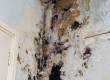
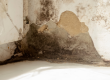
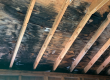
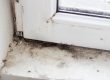
**Visible mold growth** is the most obvious sign. It can appear as black, green, white, or gray patches on walls, ceilings, grout lines, window sills, or around vents. However, visible mold is often just a fraction of what’s actually present.
**A persistent musty odor** is frequently the first clue. If a room — particularly a basement, bathroom, laundry room, or area near the HVAC system — has a damp, earthy smell that doesn’t go away with cleaning or ventilation, mold is likely present somewhere nearby.
A history of water damage is a major red flag. Any past flooding, roof leak, burst pipe, or prolonged moisture intrusion creates conditions where mold almost certainly developed, even if it’s not visible.
**Unexplained health symptoms** that improve when you leave home and return when you come back are a strong indicator that something in your indoor environment — often mold — may be affecting your health.
What Is a Professional Mold Inspection?
A professional mold inspection is a thorough assessment of your property conducted by a trained inspector to identify the presence, location, extent, and type of mold growth. It goes well beyond a visual check.
A comprehensive mold inspection typically includes a detailed visual examination of the entire property, including hard-to-reach areas like attics, crawl spaces, and inside HVAC systems. Inspectors use moisture meters and thermal imaging cameras to detect hidden moisture behind walls and under floors — the conditions that support mold growth even when no mold is yet visible. Air sampling collects airborne spore counts from both inside and outside the property to compare levels and identify elevated concentrations. Surface sampling involves swabbing or tape-lifting samples from suspicious areas to confirm the presence and species of mold.
All samples are sent to a certified laboratory for analysis, and results are compiled into a detailed report outlining findings, risk levels, and recommended next steps.
DIY vs. Professional Mold Inspection
Walk into any hardware store and you’ll find over-the-counter mold test kits. While these can confirm the presence of mold spores, they have significant limitations. They cannot tell you where the mold is growing, how extensive the problem is, or what species of mold is present. They also can’t identify hidden moisture sources — which means the underlying cause goes unaddressed.
,
A professional mold inspection provides a complete picture. Certified inspectors have the training, equipment, and laboratory resources to accurately assess your situation and give you actionable information. For any serious concern — a real estate transaction, a health issue, past water damage, or a suspected major infestation — professional inspection is always the right call.
When Should You Schedule a Mold Inspection?
Some situations make a mold inspection not just advisable but essential. You should schedule one when buying or selling a home, after any water damage or flooding event, if you or a family member is experiencing persistent unexplained respiratory symptoms, if there is a musty odor you cannot locate or eliminate, if your home has experienced recurring humidity or condensation issues, or if visible mold has been found and you want to confirm it has been fully remediated.
In Florida’s humid climate, routine mold inspections every few years are a smart preventive measure for any homeowner — even without obvious symptoms.
Understanding Your Mold Inspection Report
After the inspection and laboratory analysis, your inspector will provide a written report. This document will typically outline the areas inspected, moisture readings, air and surface sample results compared to outdoor baseline levels, identification of mold species found, and recommended remediation steps.
Pay close attention to whether elevated spore counts are found in areas beyond the visible growth — this indicates the problem has spread and will require more extensive remediation. Your inspector should be able to walk you through the findings and help you understand the urgency and scope of any recommended work.
What Comes After a Mold Inspection?
If mold is confirmed, remediation should be performed by a qualified professional — not simply painted over or masked with cleaning products. Proper mold remediation involves containment of the affected area, physical removal of mold-contaminated materials, treatment of surfaces, correction of the underlying moisture source, and post-remediation testing to verify the problem has been resolved.
Skipping any of these steps, particularly addressing the moisture source, will result in mold returning regardless of how thoroughly the visible growth is removed.
The Bottom Line
Mold inspection is not something to put off. Whether you’re protecting your family’s health, safeguarding your property investment, or simply getting answers about symptoms that have puzzled you for months, a professional mold inspection gives you the clarity and direction you need.
When it comes to mold, what you don’t know absolutely can hurt you. The best time to get an inspection was before the problem started. The second best time is right now.
*This guide is intended for informational purposes only. If you suspect a mold problem in your home, consult a certified mold inspection professional for a proper assessment.*