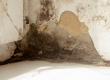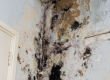
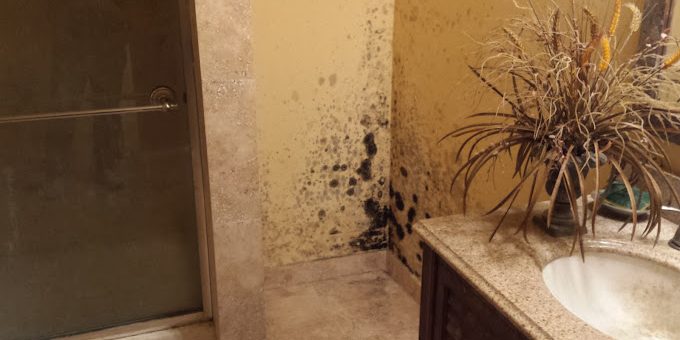
The first sign that something was wrong wasn’t a visible patch of mold. It was the headaches. Then the nagging cough. Then the strange musty odor that seemed strongest in the morning when everyone in the house had been breathing the same air all night. The family cleaned, opened windows, sprayed air fresheners, and blamed allergies. Only after a professional mold analysis was performed did the real problem come into focus: hidden mold growing behind a wall where a slow plumbing leak had gone unnoticed for months.
Stories like this are common in humid regions, and Tampa Bay is no exception. With our warm temperatures and frequent rain, mold doesn’t need much encouragement to thrive. The challenge is that mold is often invisible or underestimated. Many homeowners and business owners assume that if they don’t see fuzzy black spots, they don’t have a mold problem. In reality, mold spores can be present in the air long before any obvious growth appears on surfaces. That is where mold analysis becomes a powerful tool for preventing health risks: it lets you understand what is in your air and building materials before symptoms escalate.
Preventing health issues from mold exposure is not just about wiping away what you can see. It is about gathering accurate information, interpreting it correctly, and taking targeted action. Professional mold analysis, like the services provided by Tampa Bay Mold Testing, moves you beyond guesswork. It helps you identify the specific types of mold present, determine the severity of contamination, and understand whether those conditions pose a potential health risk for your household, employees, or customers. With that insight, you can address mold at its source and protect the health of the people who spend time in your building every day.
Why Mold Is A Health Concern
Many people think of mold as a simple cleanliness issue, but from a health perspective, it is much more serious. Mold releases microscopic spores into the air, and when those spores are inhaled, they can trigger a range of reactions depending on a person’s sensitivity and the type of mold involved. For someone with allergies, asthma, or a weakened immune system, even relatively low levels of certain molds can create persistent symptoms such as congestion, wheezing, or fatigue. For others, the impact might be more subtle at first, like recurring sinus infections or irritated eyes that never seem to clear up.
Different molds can affect people in different ways. Common indoor species like Cladosporium, Penicillium, Aspergillus, and Stachybotrys (often referred to as “black mold”) each have their own characteristics and potential health implications. Some produce allergens that inflame the respiratory system, while others can generate mycotoxins that may be more harmful with prolonged exposure. Without proper mold analysis, these organisms remain anonymous invaders. You might know that the air feels “stale” or that you feel worse at home than you do outside, but you don’t know why.
In a climate like Tampa Bay’s, the risk is amplified because moisture is constantly trying to find its way into buildings—through roof leaks, poorly sealed windows, plumbing issues, or elevated indoor humidity. Once moisture is present, mold can begin to grow within 24–48 hours on many building materials. Over time, chronic exposure to mold-contaminated air can contribute to long-term respiratory problems, aggravate existing conditions like asthma, and in some cases lead to more complex health complaints that are difficult to diagnose. This is why early detection through mold analysis is such a critical part of protecting your health and the health of those around you.
The Role Of Professional Mold Analysis
Mold analysis is more than just taking a quick air sample and checking a box. It is a process that combines inspection, sampling, laboratory testing, and interpretation. A professional mold assessment begins with a thorough visual and moisture inspection of the property. Tampa Bay Mold Testing, for example, looks for visible signs of mold growth, water stains, condensation, and construction details that could trap moisture. They may use specialized tools like moisture meters or thermal imaging cameras to locate damp areas hidden behind walls, ceilings, or flooring.
Once potential problem areas are identified, the next step is sampling. This can include air samples, surface samples, and sometimes bulk samples of materials. Air samples help determine the concentration and types of mold spores circulating indoors compared to outdoor levels. Surface samples, such as tape lifts or swabs, identify the species growing on walls, ceilings, furniture, or HVAC components. These samples are then sent to a certified laboratory, where technicians analyze them under microscopes and use established methods to identify mold types and quantify their presence.
The real value of professional mold analysis lies in how those results are interpreted. Simply knowing that mold spores exist does not automatically mean your environment is unsafe; mold spores are present in virtually all air. What matters is the type of mold, the quantity of spores, where they are located, and whether the indoor levels are significantly higher than typical outdoor levels. A qualified mold testing company in Tampa Bay can explain what the lab findings mean in practical terms: whether the situation is minor and easily addressed, or whether it indicates a more serious moisture problem that needs remediation to prevent ongoing health risks.
Connecting Mold Findings To Health Symptoms
Many people suspect their home or workplace is affecting their health but struggle to pinpoint the cause. They might notice that they feel congested, tired, or short of breath when indoors, but feel better after spending a weekend away. Mold analysis bridges that gap between subjective symptoms and objective data. When lab results show elevated levels of specific mold species, those findings can be compared against the symptoms you or your family members are experiencing.
For example, someone with asthma may experience more frequent attacks in a home with elevated levels of Aspergillus or Penicillium, two common indoor molds known to irritate airways. A child with chronic sinus issues may be reacting to molds growing in a damp bedroom or near an air conditioning unit. When Tampa Bay Mold Testing performs an analysis, they can help you understand whether the patterns of your symptoms align with the types and levels of mold found in your environment.
It is important to note that mold analysis is not a medical diagnosis; instead, it is a powerful piece of evidence you can share with your healthcare provider. Doctors who understand environmental health can use mold test results to guide their evaluation, recommend additional medical testing if necessary, and suggest steps to reduce exposure. In this way, professional mold analysis becomes part of a broader strategy to protect and improve health, especially for vulnerable individuals such as children, the elderly, and those with chronic respiratory or immune conditions.
Preventive Strategies In Tampa Bay Homes
Preventing health risks from mold is not only about reacting when a problem is discovered. It is also about creating conditions that make it harder for mold to grow in the first place. In Tampa Bay, where humidity is a constant challenge, that starts with moisture control. Keeping indoor humidity levels below about 50% can significantly reduce the likelihood of mold growth. This often requires using dehumidifiers, maintaining your air conditioning system properly, and ensuring adequate ventilation in areas like bathrooms, kitchens, and laundry rooms.
Another key preventive measure is regular inspection of areas prone to leaks or condensation. Roofs, plumbing lines, water heaters, window frames, and HVAC systems are all common sources of moisture intrusion. Small leaks can go unnoticed for months but still provide enough moisture for mold to flourish behind walls or under flooring. Scheduling periodic professional inspections and mold analysis with a local expert like Tampa Bay Mold Testing allows you to catch these issues early. Even if no visible mold is present, air and surface sampling can detect elevated spore levels that indicate hidden growth.
Building and maintenance practices also play a role in prevention. Using mold-resistant building materials in areas that tend to get damp, such as bathrooms or basements, can limit growth. Promptly drying out any area that becomes wet from spills, flooding, or plumbing incidents is critical. A common rule of thumb is that anything wet should be completely dried within 24–48 hours to minimize mold risk. When you combine these practical steps with periodic mold analysis, you build a layered defense that helps protect your home and your health over the long term.
Mold Analysis For Businesses And Workplaces
While homeowners often think about mold in terms of family health, business owners in Tampa Bay have additional responsibilities. Employees and customers spend significant time inside offices, retail spaces, restaurants, and industrial facilities. If mold is present and not addressed, it can lead not only to health complaints but also to productivity losses, increased absenteeism, and potential liability issues. Mold analysis is therefore an important part of maintaining a safe and compliant workplace.
In commercial environments, sources of moisture can be more complex. Large HVAC systems, flat roofs, high-occupancy areas, and specialized equipment can all contribute to condensation or leaks. Even a small issue, such as a clogged drain pan in an air handler, can lead to mold growth that spreads spores throughout the building via ductwork. Regular mold testing and analysis help facility managers identify these issues early, prioritize repairs, and verify that remediation efforts are successful.
For businesses, documentation is also crucial. A professional mold analysis report from a reputable company like Tampa Bay Mold Testing provides written evidence of the building’s indoor air quality status at a specific point in time. This can be valuable when addressing employee concerns, working with property managers or insurers, or planning renovations. By integrating mold analysis into routine building maintenance, businesses demonstrate a proactive commitment to health and safety, which can improve morale and trust among staff and clients alike.
From Test Results To Action Plan
Once mold analysis has been completed and the lab results are in, the next step is turning information into action. A quality report will outline which mold species were detected, their relative levels, and whether they are more abundant indoors than outdoors. It will also note the locations of any visible or suspected growth and the moisture conditions that may be supporting it. Interpreting this data correctly is vital for preventing ongoing health risks.
If the analysis indicates minor or localized mold growth, remediation may involve targeted cleaning, removal of affected materials, and correcting the underlying moisture problem. In more severe cases, especially where mold has spread within wall cavities or HVAC systems, a comprehensive remediation plan may be necessary. This can include containment measures to prevent spore spread, use of HEPA filtration, and post-remediation verification testing to ensure the problem has truly been resolved.
Tampa Bay Mold Testing and similar professionals can guide you through this process, explaining which steps are essential and which are optional. They can also recommend when to involve specialized mold remediation contractors. The goal is not simply to “pass a test” but to create a healthier environment with sustained improvements in air quality. Follow-up mold analysis after remediation is an important final step, confirming that spore levels have returned to normal and that the corrective measures are effectively protecting occupants’ health.
Frequently Asked Questions
How do I know if I need mold analysis? You should consider mold analysis if you notice persistent musty odors, unexplained health symptoms that improve when you leave your home or workplace, visible water damage, or past leaks and flooding. Even if you do not see obvious mold growth, elevated humidity or condensation on windows and walls in Tampa Bay’s climate can justify testing. A professional assessment from a company like Tampa Bay Mold Testing can help determine whether mold is present and whether it may be affecting your indoor air quality.
Is mold testing necessary if I can already see mold? Visible mold indicates a problem, but testing can still be very useful. Mold analysis identifies the specific types of mold present and their levels in the air, which helps gauge the potential health risk and the extent of the issue. It also helps determine whether there is hidden mold beyond what you can see. In addition, pre- and post-remediation testing provides documentation that the problem was properly addressed and that indoor conditions have returned to normal.
Can I perform mold testing myself with a store-bought kit? Over-the-counter mold test kits may seem convenient, but they often provide limited and misleading information. Most simply confirm that mold spores exist, which is true of virtually any environment, without accurately quantifying levels or comparing them to outdoor baselines. They also lack a thorough inspection for moisture sources. Professional mold analysis from trained inspectors in Tampa Bay includes a comprehensive evaluation, proper sampling techniques, and certified lab interpretation, giving you much more reliable guidance for protecting your health.
How often should I have mold analysis done? There is no one-size-fits-all schedule, but certain situations call for testing. You should strongly consider mold analysis after any significant water event (such as flooding, roof leaks, or plumbing failures), if you are planning renovations in an older or previously water-damaged building, or if occupants develop recurring respiratory issues with no clear cause. In high-humidity areas like Tampa Bay, periodic testing as part of routine property maintenance can be a smart preventive measure, especially for businesses or multi-unit properties.
What should I do if my mold analysis shows elevated levels? If your results indicate elevated mold levels, the first priority is identifying and correcting the source of moisture feeding the growth. Without solving the moisture problem, mold will likely return. Next, consult with your mold testing professional about appropriate remediation steps, which may range from targeted cleaning to larger-scale removal of affected materials. After remediation, follow-up testing should be performed to confirm that mold levels have normalized. For personalized guidance or to schedule a professional assessment, you can contact Tampa Bay Mold Testing through null and take a proactive step toward a healthier indoor environment.