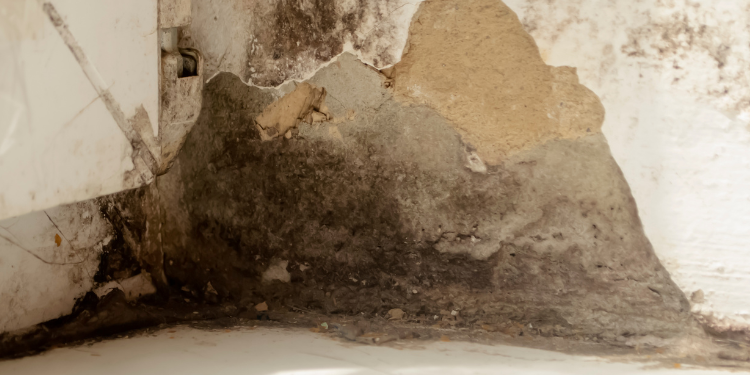
Studies have found that up to 50% of homes in humid regions like Florida have some level of hidden mold growth, even when everything looks perfectly normal on the surface. That means every second house on your street could be harboring a silent threat behind walls, under flooring, or inside air conditioning systems. The unsettling part? Many homeowners have no idea until health symptoms or serious structural damage finally forces the issue.
Mold detection is not just about spotting a dark patch on the ceiling or a musty smell in the closet. In reality, the most dangerous mold problems are often the ones you never see. Microscopic spores can thrive in wall cavities, ductwork, attics, and crawl spaces, quietly affecting indoor air quality and gradually damaging building materials. For families in the Tampa Bay area, where heat and humidity are part of everyday life, understanding how to detect mold early is one of the smartest forms of home protection you can invest in.
When people think of home safety, they usually focus on burglar alarms, smoke detectors, and storm shutters. Mold rarely makes the list, yet it can affect your health, your property value, and your peace of mind in ways that are both long-term and expensive. That is why professional services like Tampa Bay Mold Testing have become so essential: they help uncover what your eyes and nose alone can’t reliably detect and give you the information you need to take action before a small, hidden issue becomes a major crisis.
Why Mold Loves Tampa Bay
The Tampa Bay region offers mold almost everything it needs to thrive: warmth, moisture, and plenty of organic material. Our subtropical climate means high humidity is present for much of the year, and frequent rainstorms, tropical systems, and lingering moisture create ideal conditions for mold growth indoors. Even well-maintained homes can experience high indoor humidity, small leaks, or condensation, all of which can feed mold colonies out of sight.
Many homes in the area also rely heavily on air conditioning. While AC systems help reduce humidity, they can also become mold hot spots if not properly maintained. Condensate lines can clog, drip pans can overflow, and damp dust inside ductwork can become a breeding ground for spores. Once mold develops in an HVAC system, it can circulate throughout the home, spreading microscopic spores into every room without leaving obvious visible signs.
Construction styles and materials in Florida also play a role. Drywall, insulation, wood framing, carpeting, and even some types of wallpaper provide organic material mold can feed on when moisture is present. Leaky windows during a storm, a minor roof seepage, or a past plumbing leak that was never fully dried can all create pockets of perfect habitat behind walls or under floors. This is why Tampa Bay Mold Testing often finds mold in homes that appear clean, updated, and structurally sound at first glance.
Because of these environmental and structural factors, homeowners in Tampa Bay cannot rely on a quick visual check to rule out mold problems. Understanding how mold behaves in this climate and where it tends to hide is crucial for early detection. A home can look spotless yet still have mold growing silently in the attic above, the crawlspace below, or the wall behind a bathroom shower.
Health Signs You Shouldn’t Ignore
Mold detection often starts with the body before it starts with the eyes. People living in a mold-affected home may experience a range of symptoms that resemble allergies, colds, or general fatigue. These can include sneezing, runny nose, coughing, sore throat, headaches, and itchy or watery eyes. Because these symptoms are common and easily blamed on pollen or seasonal changes, many families don’t realize that their home environment may be contributing to how they feel.
For individuals with asthma, chronic respiratory issues, or weakened immune systems, mold exposure can be more serious. They may experience increased asthma attacks, difficulty breathing, chest tightness, or lingering respiratory infections. Children, the elderly, and those with pre-existing health conditions tend to be more sensitive, and their symptoms may flare up or improve depending on how much time they spend at home. If people notice they feel worse at home and better when away, that pattern is a strong clue that something in the indoor environment needs attention.
Some molds produce compounds known as microbial volatile organic compounds (MVOCs), which can cause headaches, dizziness, or a sense of mental fog. While not every mold is toxic in the dramatic way people sometimes imagine, long-term exposure to mold-contaminated air is rarely harmless. Over time, it can contribute to chronic inflammation and stress on the respiratory system. This is why Tampa Bay Mold Testing emphasizes that mold detection is as much a health issue as it is a structural one.
It is important to remember that the severity of health symptoms does not always match the visible extent of mold. A small, hidden colony in an HVAC system can affect air quality throughout the home, while a large patch of visible mold in a garage may have minimal impact if the space is rarely used. Professional testing helps clarify whether mold levels indoors are elevated compared to normal background levels, and whether the types of mold present are associated with higher health risks.
Hidden Places Mold Likes To Hide
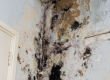
One of the biggest misconceptions about mold is that you will always see it. In reality, many serious mold problems are completely hidden from view. Wall cavities, especially in bathrooms, kitchens, and around windows, are common sites for mold growth. A slow plumbing leak inside a wall can go unnoticed for months, providing steady moisture to drywall and insulation. By the time discoloration appears on the surface, colonies may already be extensive on the backside of the wall.
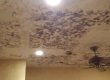
Attics are another frequent trouble spot in the Tampa Bay area. Inadequate ventilation, roof leaks, and poorly sealed ductwork can lead to moisture buildup in the attic space. Mold can grow on roof decking, rafters, and insulation long before any stains appear on interior ceilings. Homeowners rarely spend much time in their attic, so these issues can progress quietly for years. During a professional inspection, Tampa Bay Mold Testing often checks attic areas carefully, especially after significant storms or roof repairs.
Crawl spaces and under-floor areas can also harbor mold, particularly in older homes or those with moisture control issues. Standing water, high ground moisture, or poor drainage can raise humidity in these spaces, allowing mold to grow on joists, subflooring, and insulation. This mold may not be visible inside the living space, but spores can migrate upward through gaps and penetrations, affecting indoor air quality.
Even everyday features like carpeting and furniture can conceal mold. A past spill that was never fully dried, a pet accident, or a window leak soaking carpet padding can all create localized mold growth beneath the surface. Similarly, mold can develop behind large pieces of furniture placed against exterior walls where condensation occurs. Because these locations are rarely checked, they illustrate why relying solely on visual inspection is risky in a humid climate.
How Professional Mold Testing Works
Professional mold detection goes far beyond simply looking for stains or sniffing for musty odors. A thorough assessment typically starts with a detailed visual inspection of the home, focusing on moisture-prone areas such as bathrooms, kitchens, basements, attics, and areas with a history of leaks or water damage. Inspectors look for subtle signs: warped materials, bubbling paint, minor discoloration, rust on metal components, and condensation patterns that might indicate hidden moisture.
Next, specialized tools come into play. Moisture meters can detect elevated moisture in walls, ceilings, and floors without opening them up, helping to pinpoint hidden problem areas. Infrared (thermal) cameras may be used to identify temperature variations that suggest dampness or water intrusion. These tools allow professionals like Tampa Bay Mold Testing to target specific locations for further investigation rather than guessing or causing unnecessary damage to building materials.
Air sampling is a key part of many mold inspections. Small pumps draw air through collection cassettes, capturing spores that are then analyzed by a laboratory. By comparing indoor samples to outdoor baseline levels, inspectors can determine whether mold concentrations inside the home are elevated and identify the types of mold present. Surface sampling, such as tape lifts or swabs, may also be taken from visible growth or suspect areas to confirm what species are involved.
Once the data is collected, the results are compiled into a report that explains what was found, where it was found, and what it means for the homeowner. This report can outline recommended next steps, which might include moisture control, targeted cleaning, or full-scale professional remediation depending on the severity of the problem. Importantly, independent testing by a company like Tampa Bay Mold Testing provides objective information, helping homeowners make informed decisions and avoid unnecessary or ineffective treatments.
Preventing Mold Before It Starts
While detection is crucial, preventing mold growth in the first place is even better. In Tampa Bay’s climate, controlling moisture is the foundation of any prevention strategy. Maintaining indoor humidity below about 50–55% is ideal; this can often be achieved through proper use of air conditioning, dehumidifiers in problem areas, and ensuring adequate ventilation in bathrooms and kitchens. Exhaust fans that vent to the outside, not just into the attic, are especially important.
Fixing water issues quickly makes a huge difference. Even small leaks under sinks, around toilets, or near water heaters should be repaired promptly, and affected areas thoroughly dried within 24–48 hours whenever possible. After storms or plumbing incidents, homeowners should check around windows, doors, baseboards, and ceilings for any signs of moisture. If materials feel damp or show early signs of staining, addressing the problem right away can prevent mold from taking hold.
Regular home maintenance also plays a preventative role. Cleaning gutters, ensuring downspouts direct water away from the foundation, and maintaining proper grading around the home help keep moisture from seeping inside. In the attic, verifying that vents are unobstructed and insulation is properly installed can reduce condensation issues. Periodic HVAC maintenance, including cleaning or replacing filters and checking condensate lines, helps prevent mold growth within the system and keeps indoor air quality healthier.
For added peace of mind, many homeowners choose periodic mold inspections, especially after major weather events or when buying or selling a property. Tampa Bay Mold Testing can help identify early warning signs that might otherwise go unnoticed. Think of it as a health check-up for your home: catching small issues early is easier, less costly, and far less stressful than dealing with a serious mold problem that has been silently growing for years.
When To Call A Professional
Not every moisture issue or small spot of mold requires a full professional response, but there are clear situations where expert help is the safest and smartest option. If you see widespread discoloration on walls, ceilings, or in the attic, or if a musty odor persists despite cleaning and ventilation, it is time to consider an inspection. The same applies if you have had a significant water event, such as a burst pipe, roof leak, or flooding, especially if drying was delayed or incomplete.
Health changes can also be a strong signal. If you or your family members experience ongoing respiratory symptoms, frequent headaches, or worsening asthma that seems related to time spent at home, professional mold testing can help determine whether the indoor environment is a factor. This is particularly important in households with young children, elderly individuals, or anyone with weakened immunity or chronic respiratory conditions.
Real estate transactions are another common trigger for mold inspections. Buyers want to know the true condition of a property before committing, and sellers benefit from addressing issues proactively. A detailed report from a company like Tampa Bay Mold Testing provides documented evidence of a home’s mold status, which can be valuable during negotiations and help avoid surprises after closing.
Ultimately, if you suspect a problem but are unsure of its extent or source, that uncertainty alone is a good reason to seek a professional assessment. Guessing or attempting DIY solutions without a clear understanding of the situation can sometimes spread spores, mask symptoms temporarily, or leave the root moisture problem unresolved. A qualified inspection provides clarity, direction, and a path forward that protects both your health and your investment. To learn more about professional mold testing services, you can visit null.
Frequently Asked Questions
How can I tell if I have a mold problem if I don’t see any? Many mold problems are hidden behind walls, in attics, or inside HVAC systems, so lack of visible growth does not guarantee your home is mold-free. Pay attention to persistent musty odors, unexplained health symptoms that improve when you leave home, or areas that always seem damp or discolored. Professional testing, such as air and surface sampling performed by Tampa Bay Mold Testing, can detect elevated mold levels and pinpoint issues even when everything looks normal on the surface.
Is all mold dangerous, or only “black mold”? The term “black mold” is often used in a general, sometimes misleading way. In reality, many different mold species can appear dark, and not all are equally hazardous. However, any significant mold growth indoors is undesirable because it indicates a moisture problem and can contribute to poor air quality and health symptoms. Testing helps identify which types of mold are present and whether levels are elevated, so you can address the problem appropriately rather than focusing only on color or appearance.
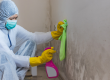
Can I clean mold myself, or do I need a professional? Small areas of surface mold, such as on bathroom caulk or a small patch on painted drywall, can often be cleaned by homeowners using proper precautions and protective gear. However, if the affected area is larger than about 10 square feet, if mold returns repeatedly, or if it is associated with a significant water event, professional help is recommended. A company like Tampa Bay Mold Testing can first evaluate the extent of the problem, and then you can work with qualified remediation contractors to ensure mold is removed safely and the underlying moisture issue is fixed.
How long does mold testing take, and when will I get results? Most residential mold inspections can be completed in a few hours, depending on the size and complexity of the property. During that time, the inspector will perform a visual assessment, take moisture readings, and collect any necessary air or surface samples. Laboratory analysis typically takes a short period, and results are usually available within a few business days. Tampa Bay Mold Testing then provides a detailed report explaining the findings, so you understand what was detected and what steps, if any, are recommended.
Will mold testing tell me exactly how to fix the problem? Mold testing itself focuses on identifying whether mold is present, what types are involved, and whether levels are elevated indoors compared to outdoors. The inspection process often reveals likely moisture sources and affected areas, which can guide remediation efforts. While testing does not replace the work of a remediation contractor, it provides the critical information needed to develop an effective plan, avoid guesswork, and verify that cleanup efforts were successful if post-remediation testing is performed.