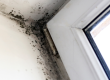
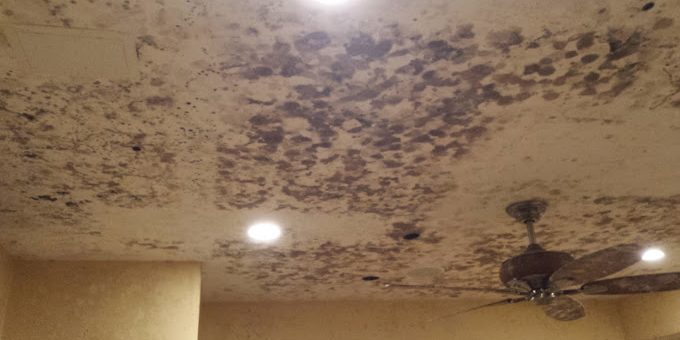
Hidden mold problems rarely start with something dramatic. More often, they begin with a faint musty odor after a summer storm, a small patch of discoloration near a window, or an allergy flare-up that just will not go away. In a warm, humid region like the Tampa Bay area, those small warning signs can quickly become a serious indoor air quality issue if they are ignored. That is why understanding the essential steps in environmental mold testing matters so much right now: it allows homeowners, property managers, and business owners to move from guessing and worrying to measuring and acting.
Environmental mold testing is not just about collecting a few air samples and sending them to a lab. Done correctly, it is a structured process that starts with understanding the building, its history, and its moisture patterns, and ends with clear, actionable data that can guide remediation and prevention. Each step has a purpose: to pinpoint where mold is thriving, to identify what types of mold are present, and to determine how serious the contamination is. Tampa Bay Mold Testing focuses on this process-driven approach because the climate here is especially favorable to mold growth, making shortcuts risky and often expensive in the long run.
When you break mold testing into its essential steps, it becomes easier to see what a thorough investigation should look like and what may be missing from a quick, superficial check. From the initial conversation and visual survey to moisture mapping, air and surface sampling, laboratory interpretation, and final reporting, each element builds on the last. Understanding these stages empowers you to ask smarter questions, recognize quality work, and ensure that any remediation you invest in is based on solid evidence rather than assumptions or fear.
Understanding Mold And Moisture
Before any testing equipment comes out of the case, it is important to understand what mold actually is and why it is so persistent in places like Tampa Bay. Mold is a type of fungus that reproduces by releasing tiny spores into the air. These spores are everywhere outdoors, and to some extent they are always present indoors as well. The problem arises when moisture allows those spores to settle on surfaces and multiply, forming colonies that can damage materials and impact health. Environmental mold testing focuses on determining when those normal background levels have shifted into an unhealthy or damaging condition.
Moisture is the real driver of mold growth. In the Tampa Bay region, high humidity, frequent rain, tropical storms, and occasional plumbing or roof leaks provide abundant opportunities for moisture to accumulate. Mold can grow on drywall, insulation, wood framing, carpet, and even on dust if the relative humidity stays high enough for long enough. That means any serious mold testing strategy has to be tied directly to understanding where moisture is coming from, how long it has been present, and how it is moving through the building.
Environmental mold testing, therefore, is never isolated from moisture assessment. When Tampa Bay Mold Testing evaluates a property, the team is not only looking for visible mold; they are also looking for signs of water intrusion, condensation patterns on windows and HVAC ducts, discolored baseboards, warped flooring, or staining on ceilings. Recognizing the relationship between mold and moisture shapes every subsequent step in the testing process and ensures that results are not taken out of context.
Initial Consultation And History
A thorough mold investigation starts long before the inspector steps through your door. The initial consultation is where critical information is gathered: when symptoms began, what changes have been made to the property, and what previous water events have occurred. This conversation can reveal patterns that even the property owner may not have connected, such as recurring musty smells after the air conditioning turns on, or seasonal issues that seem to align with heavy rainfalls in the Tampa Bay area.
During this stage, a professional will ask about health complaints among occupants, such as increased coughing, sinus problems, headaches, or asthma flare-ups that seem to get worse indoors. While an environmental professional does not diagnose medical conditions, these reports help prioritize areas for testing. For example, if symptoms spike when someone is in a particular room, that space may be examined more closely during the inspection and sampling process.
The building’s history is equally important. A water heater failure five years ago, a roof replacement after a storm, or a history of flooding in a particular part of the neighborhood can all leave lingering moisture problems behind walls or under flooring. Tampa Bay Mold Testing often uses this historical information to identify hidden risk zones that may not show obvious visible mold but are still likely candidates for concealed contamination. This step ensures that the testing plan is tailored rather than generic.
Comprehensive Visual Inspection
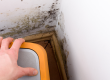
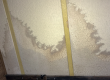
Once the background information is gathered, the next essential step in environmental mold testing is a methodical visual inspection. This is not just a quick walk-through. A trained inspector systematically examines each room, looking at ceilings, walls, baseboards, windows, closets, HVAC vents, and any areas with known or suspected moisture issues. The goal is to locate visible mold growth, water stains, material deterioration, or conditions that encourage moisture buildup, such as poor ventilation or blocked drainage.
In the Tampa Bay climate, special attention is often given to areas where humid outdoor air meets cool indoor surfaces. For example, around air conditioning supply vents, behind large pieces of furniture placed against exterior walls, and near sliding glass doors that frequently fog up. Condensation in these spots can feed mold growth without an obvious leak, so the visual inspection includes scanning for subtle signs like faint staining, peeling paint, or a slight buckling of drywall or trim.
The attic, crawl spaces (if present), and mechanical rooms are also key parts of the visual inspection. Poorly vented attics, improperly sealed roof penetrations, and uninsulated ductwork can all contribute to hidden mold problems. Tampa Bay Mold Testing uses this step to map out potential problem areas so that sampling, if needed, targets the locations most likely to yield useful information rather than wasting resources on random or unnecessary tests.
Moisture Mapping And Diagnostic Tools
Visual clues tell only part of the story. The next essential step is to verify what the eyes suspect by using diagnostic tools to map moisture. Moisture meters are commonly used to measure the moisture content of building materials such as drywall, wood, and flooring. Elevated readings in a localized area can indicate hidden leaks or saturation behind the surface, even if the material looks normal. In a humid region like Tampa Bay, distinguishing between normal surface humidity and true moisture intrusion is crucial, and proper use of these meters is a key part of that process.
Infrared (thermal) cameras are another powerful tool in environmental mold testing. These devices detect temperature differences on surfaces, which can indicate areas of wet insulation, moisture-laden drywall, or air leaks that are driving condensation problems. For example, a cold patch on a ceiling near an AC duct might suggest condensation or a slow leak that has not yet created visible staining. By combining thermal imaging with moisture meter readings, an inspector can more accurately pinpoint where to open walls or where to focus sampling.
In some cases, hygrometers are used to measure relative humidity and temperature in different rooms and in the HVAC system. This helps determine whether the indoor environment is being controlled effectively or if high humidity is contributing to mold growth. Tampa Bay Mold Testing integrates these diagnostic tools into the inspection so that sampling is not done blindly. The goal is to build a detailed moisture map of the property, which is the foundation for meaningful mold testing and effective remediation planning.
Air And Surface Sampling Strategies
After the conditions in the building are understood, the next step is to decide whether sampling is needed and, if so, what type. Air sampling is one of the most common methods, used to measure the concentration and types of mold spores in the indoor air. Typically, samples are collected in several indoor locations and at least one outdoor location to provide a baseline for comparison. This comparison is critical, because some level of mold spores is normal; the question is whether indoor levels are significantly higher or show problematic species that indicate active growth.
Surface sampling, such as tape lifts or swab samples, is used when there is visible growth or when specific surfaces are suspected to be contaminated. These samples help differentiate between staining and actual mold growth, and they can identify the species present on that surface. In some situations, especially in Tampa Bay’s older buildings or those that have experienced repeated water events, both air and surface sampling are combined to get a more complete picture of the contamination pattern.
Sampling must be carefully planned to avoid misleading results. For example, taking a single air sample in a large building or sampling only one visible patch of mold may not capture the full extent of the problem. Tampa Bay Mold Testing designs sampling strategies based on building layout, HVAC configuration, occupancy patterns, and the findings from the visual and moisture assessments. This ensures that the data collected is representative and can support sound decisions about remediation, rather than leading to overreaction or false reassurance.
Laboratory Analysis And Interpretation
Once samples are collected, they are sent to an accredited laboratory for analysis. The lab identifies the types of mold present and quantifies the number of spores or structures in each sample. However, raw lab data alone does not tell the whole story. The essential step is interpretation: understanding what those counts and species mean in the context of the specific building, its history, and the outdoor environment. Not every mold spore count is cause for alarm, and not every species carries the same implications.
For example, if indoor air samples show spore types and levels similar to those found outdoors, this might indicate that there is no significant indoor source problem. On the other hand, if certain water-damage-associated molds are present indoors at much higher levels than outdoors, that strongly suggests active growth inside the building. Interpreting this correctly requires both technical knowledge and familiarity with local conditions, such as the typical outdoor mold profile in the Tampa Bay region.
Tampa Bay Mold Testing focuses on providing clear explanations of lab findings, translating technical terms into plain language. Instead of simply handing over a report full of numbers and Latin names, a quality inspection service will explain which results are within normal expectations, which are borderline, and which are clearly elevated. This interpretive step is where the data becomes truly useful, guiding decisions about whether remediation is necessary, how urgent it is, and what areas require the most attention.
Actionable Reporting And Next Steps
The final essential step in environmental mold testing is delivering a report that is both detailed and actionable. A good report does more than list findings; it tells a story of what is happening in the building and why. It should include a summary of the property history, visual observations, moisture readings, sampling locations, lab results, and a clear interpretation of what those results mean. This comprehensive picture allows homeowners and property managers to understand not just where mold is, but how it got there and what must change to prevent it from returning.
In many cases, the report will recommend specific remediation actions, such as removal of contaminated drywall, cleaning or replacement of HVAC components, or improvements to drainage, ventilation, or humidity control. For Tampa Bay properties, recommendations often include addressing chronic humidity issues, sealing building envelope leaks that allow moist outdoor air to infiltrate, and adjusting HVAC settings or equipment to maintain proper indoor relative humidity. These suggestions are not generic; they are tied directly to the data collected during the inspection and testing.
Finally, a robust reporting process includes guidance on post-remediation verification. This may involve follow-up inspections and, in some cases, additional testing to confirm that mold levels have returned to normal and that moisture sources have been effectively controlled. Tampa Bay Mold Testing emphasizes this full-cycle approach because stopping at the testing stage without verifying the success of remediation leaves too much to chance. A thorough process gives property owners confidence that the problem has been truly resolved, not just temporarily hidden.
Frequently Asked Questions
Do I always need mold testing if I can already see mold? Not always, but it is often beneficial. If there is a small, isolated patch of mold that clearly resulted from a one-time event, such as a minor spill that has already been dried, testing may not be necessary. However, in many Tampa Bay homes and businesses, visible mold can be just the tip of the iceberg. Testing can help determine how far the problem extends, whether the air quality is affected, and what types of mold are present. This information is especially important if occupants are experiencing health symptoms or if there is a history of repeated moisture issues.
How long does a professional environmental mold inspection usually take? The time required depends on the size and complexity of the property and the extent of the issues. A small residential inspection might take a couple of hours, including the visual examination, moisture mapping, and sample collection if needed. Larger homes, commercial buildings, or properties with extensive visible damage can take significantly longer. Tampa Bay Mold Testing allocates enough time to move systematically through each area, rather than rushing, because missing a hidden moisture source can undermine the entire effort.
Are DIY mold test kits from the store reliable? Over-the-counter test kits can detect the presence of mold spores, but they often provide limited or misleading information. Mold spores are almost always present in the air, so a positive result does not necessarily indicate a problem. These kits typically lack an outdoor baseline for comparison and do not include a professional inspection to identify moisture sources or interpret the results in context. For meaningful, defensible information that can guide remediation and protect your investment, a professional environmental mold testing service is usually the better choice.
How often should I consider mold testing in a humid climate like Tampa Bay? There is no fixed schedule that fits every property, but there are certain triggers that should prompt testing or at least a professional inspection. These include any significant water event (such as flooding, roof leaks, or plumbing failures), persistent musty odors, unexplained health symptoms that worsen indoors, visible staining or growth, and major renovations that disturb building materials. In high-risk buildings or those with a history of moisture problems, periodic assessments may be advisable as part of ongoing maintenance.
What should I look for when choosing a mold testing company? Look for a company that emphasizes process, not just sampling. They should conduct a detailed visual inspection, use moisture meters and other diagnostic tools, and explain why they are choosing specific sampling locations and methods. Ask about their experience with properties in the Tampa Bay area and their familiarity with local climate-related issues. A reliable provider like Tampa Bay Mold Testing will also provide clear, written reports with practical recommendations, and they will be willing to answer questions and explain findings in plain language. For more information, you can visit null to explore services and request assistance.