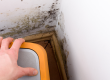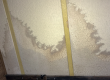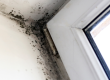
Studies have found that indoor air can be up to five times more polluted than outdoor air, and mold growth is a major contributor to that hidden contamination. Yet most homeowners only think about mold after they see fuzzy spots on a wall or smell a damp, musty odor. By the time mold is visible, the colony has often been growing for weeks or months, quietly affecting air quality and potentially impacting your family’s health and your home’s structure.
Mold inspection is not just about finding ugly stains; it is about understanding how safe your living environment really is. In a climate like Tampa Bay’s, where humidity is high for much of the year, mold has the perfect conditions to thrive in walls, attics, crawlspaces, and HVAC systems. A professional inspection from a company like Tampa Bay Mold Testing helps you discover what is happening behind the paint, under the flooring, and inside the air you breathe every day. It turns guesswork into clear information and gives you the knowledge to protect your home and the people who live in it.
When you view mold inspection as an essential part of your home’s safety plan—similar to smoke detectors or regular roof checks—you start to see your property differently. You’re not just reacting to problems; you are actively looking for early warning signs that something is off: a small leak, a slight odor, a family member with unexplained allergy symptoms. Understanding mold, how inspections work, and what the results mean empowers you to make smart decisions about your home’s health long before a small moisture issue becomes a major and costly problem.
Why Mold Inspection Matters
Mold is a natural part of our environment, but it becomes a problem when it grows indoors in concentrated areas. Mold spores are microscopic and float easily through the air, so you can have a significant mold issue long before you see anything on surfaces. This is why a detailed mold inspection is so important: it goes beyond what the naked eye can see and evaluates the full picture of your home’s conditions. For homeowners in Tampa Bay, where storms, heavy rains, and high humidity are common, mold inspection is less of a luxury and more of a necessity.
Health is one of the primary reasons mold inspection matters. Mold exposure can trigger symptoms like coughing, sneezing, headaches, congestion, and skin irritation. For people with asthma, allergies, or weakened immune systems, the effects can be more serious, sometimes leading to frequent respiratory infections or worsening chronic conditions. A thorough inspection by Tampa Bay Mold Testing can help identify hidden mold reservoirs that may be contributing to these symptoms, even if your home looks clean and well-maintained.
Property damage is another critical factor. Mold does not simply sit on the surface; it can slowly break down drywall, wood, insulation, and other building materials. Over time, this weakens the structure and can lead to warped walls, sagging ceilings, or rotting framing. By detecting moisture sources and mold growth early, a professional inspection helps you address small problems before they require major repairs. In many cases, catching mold early can mean the difference between localized cleanup and extensive demolition.
Finally, mold inspection has a financial dimension that many homeowners overlook. Undiscovered mold can lower your property’s value and complicate real estate transactions. Buyers are increasingly aware of indoor air quality issues and often request mold inspections before closing. Having a recent, professional inspection report from a trusted local company shows that you have taken your home’s safety seriously and can provide reassurance to potential buyers or tenants.
How Professional Mold Inspection Works
A comprehensive mold inspection is a systematic process, not a quick walk-through with a flashlight. When Tampa Bay Mold Testing inspects a property, the first step is always information gathering. The inspector will ask detailed questions about any musty odors, past or present leaks, roof or plumbing issues, recent storms, and health symptoms that family members may be experiencing. This conversation helps focus attention on high-risk areas and gives context to what the inspector might find.
Next comes the visual assessment, which goes far beyond a casual glance at walls and ceilings. Inspectors carefully examine bathrooms, kitchens, laundry rooms, basements or crawlspaces, attics, and around windows and doors. They look for discoloration, staining, bubbling paint, warped materials, and signs of previous water damage. In a humid region like Tampa Bay, they also pay close attention to air conditioning systems, ductwork, and areas around vents, because condensation can create prime conditions for mold growth inside mechanical systems.
Professional mold inspection often includes the use of specialized tools. Moisture meters help identify damp building materials that may not look wet but are holding enough moisture to support mold. Infrared cameras can detect temperature differences that hint at hidden leaks behind walls or ceilings. In some cases, inspectors take air samples to measure mold spore levels in different rooms, or surface samples from suspicious areas to identify the types of mold present. These tools allow Tampa Bay Mold Testing to move from assumptions to measurable data.
After the inspection and sampling are complete, the final step is interpretation and reporting. The inspector compiles the findings into a clear report that explains where moisture and mold were found, what conditions are contributing to the problem, and what actions are recommended. This is where a professional’s experience is crucial: understanding whether a mold level is typical or elevated, and whether a small patch is superficial or a sign of a larger hidden issue, requires both technical knowledge and local familiarity with Tampa Bay’s building styles and climate.
Signs Your Home May Need Inspection
Many homeowners wait until they see visible mold before calling for help, but there are more subtle warning signs that suggest an inspection is smart. One of the most common early indicators is a persistent musty or earthy odor, especially in specific rooms or after the air conditioner starts running. This smell often means mold is growing behind walls, under flooring, or inside HVAC components, even if surfaces look clean.
Health changes can be another important clue. If you or a family member notices increased sneezing, coughing, congestion, headaches, or eye irritation that seems to improve when you leave the house, indoor mold could be playing a role. People with asthma or allergies may find their symptoms flare up more often at home than elsewhere. While these symptoms can have many causes, a mold inspection can help rule out or confirm whether your indoor environment is contributing to the problem.
Any history of water intrusion is a strong reason to schedule a mold inspection. This includes roof leaks, plumbing leaks, overflowing tubs or toilets, storm damage, flooding, or even long-term condensation around windows or on cold surfaces. In Tampa Bay, heavy rains and tropical storms can force water into places you might not notice immediately, such as wall cavities, attics, and under flooring. Even if the surface looks dry now, past moisture can leave behind hidden mold growth that slowly spreads over time.
Visible signs should never be ignored, even if they seem minor. Spots or streaks on walls, ceilings, baseboards, or around vents; peeling or bubbling paint; warped laminate or wood flooring; and repeated mildew growth in bathrooms can all indicate underlying moisture and mold problems. If you keep cleaning the same area and the discoloration returns, that is a strong signal that a deeper issue exists and a professional inspection from Tampa Bay Mold Testing is warranted.
Understanding Your Inspection Report
Once your mold inspection is complete, you will receive a report that may include photos, moisture readings, lab results, and recommendations. At first glance, the technical language can feel overwhelming, but understanding a few key elements makes it much more approachable. The report will typically identify areas where moisture was detected, where visible mold growth was found, and where conditions are favorable for future mold problems.
If air or surface samples were taken, the report will list mold types and concentrations. It is important to remember that mold spores are always present in outdoor and indoor air; what matters is whether levels inside your home are significantly higher than typical outdoor levels or whether certain problematic species are present in elevated amounts. A professional from Tampa Bay Mold Testing can explain how your results compare to normal background levels and what that means for your home’s safety.
The recommendations section is where the report becomes a practical tool. This part outlines what needs to be done: repairing leaks, improving ventilation, addressing drainage issues, cleaning or replacing affected materials, or arranging for professional mold remediation. It may also suggest preventive steps, such as using dehumidifiers, adjusting how you run your air conditioning, or sealing specific areas to reduce moisture entry. Treat this section as a roadmap to restoring and maintaining a healthy indoor environment.
Finally, the report provides a baseline for future comparison. If you complete repairs and, later on, have concerns again, a follow-up inspection can be measured against the original findings. This before-and-after perspective helps confirm that remediation efforts were successful and that moisture problems have truly been resolved, not just temporarily covered up.
Prevention, Maintenance, and Tampa’s Climate
In the Tampa Bay area, mold prevention is an ongoing process rather than a one-time fix. Our warm, humid climate means that moisture control must be built into your daily habits and home maintenance routines. Running your air conditioner appropriately, using exhaust fans in bathrooms and kitchens, and keeping indoor humidity ideally between 40% and 50% are practical steps that reduce mold-friendly conditions. A simple hygrometer, which measures humidity, can help you monitor levels and adjust as needed.
Regular home maintenance is another powerful defense. Inspect your roof, gutters, and downspouts to ensure water is directed away from your home. Check around windows and doors for gaps where humid air or rain can enter. Look under sinks, around water heaters, and behind appliances like refrigerators and washing machines for signs of slow leaks. In Tampa Bay, where sudden storms are common, it is wise to do a quick check of your home after heavy rain to catch any new moisture issues early.
Ventilation also plays a major role in preventing mold growth. Stale, trapped air allows humidity to linger and condensation to form on cooler surfaces. Make sure your dryer vents to the outside, not into an attic or crawlspace. Confirm that bathroom and kitchen exhaust fans are working properly and are used consistently during and after showers or cooking. In some homes, especially older ones, additional ventilation or dehumidification may be needed in attics, crawlspaces, or enclosed porches.
Partnering with a local specialist like Tampa Bay Mold Testing means you have guidance that is tailored to our specific weather patterns and building styles. They understand which areas of homes in this region are most vulnerable, from block construction and stucco exteriors to tile roofs and slab foundations. Their insights can help you create a realistic prevention plan that fits both your home and your lifestyle. For more information, you can visit null.
Frequently Asked Questions
How often should I have a mold inspection? For most Tampa Bay homeowners, a mold inspection every few years is reasonable, especially if the home is older or has a history of leaks. However, you should schedule an inspection immediately after any significant water event, such as flooding, roof damage, or major plumbing leaks. If you notice persistent musty odors, unexplained health symptoms at home, or visible signs of moisture, it is wise not to wait for a routine schedule and instead call for an inspection right away.
Can I test for mold myself with a DIY kit? Store-bought mold test kits may seem convenient, but they often provide limited and sometimes misleading information. Most kits simply show that mold spores are present, which is almost always true because mold exists naturally in the air. They do not tell you where the problem is coming from, how extensive it is, or what building conditions are causing it. A professional inspection from Tampa Bay Mold Testing includes a full visual assessment, moisture measurements, and, when needed, targeted sampling interpreted by an expert who understands local environmental factors.
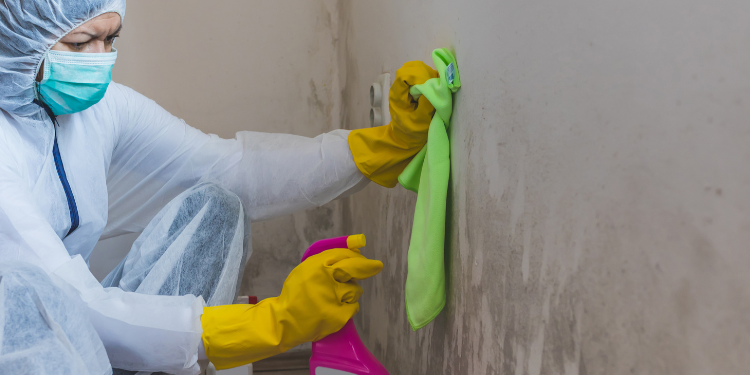
If I clean visible mold, do I still need an inspection? Cleaning small areas of surface mold with appropriate products can help temporarily, but if mold keeps coming back or covers more than a small patch, it is a sign of a deeper moisture issue. Simply wiping away what you see does not address hidden growth behind walls, under flooring, or inside HVAC systems. An inspection helps identify the root cause of the problem, such as leaks, high humidity, or poor ventilation, and ensures that any remediation efforts are targeted and effective, rather than just cosmetic.
Is all mold dangerous to my health? Not all mold affects people in the same way, and some individuals are more sensitive than others. While certain mold species are known to be more problematic, even common molds can trigger allergies, asthma, and respiratory irritation in susceptible people. The key issues are the amount of mold, where it is growing, and how easily spores and fragments are entering the air you breathe. A professional inspector can help you understand whether the mold present in your home is likely to be contributing to health concerns and what steps to take to reduce exposure.
What happens after a mold inspection finds a problem? If your inspection reveals mold growth or conditions that strongly support mold, the next step is to create a remediation and repair plan. This may involve hiring a mold remediation contractor to remove contaminated materials, thoroughly clean affected areas, and use air filtration to capture spores. At the same time, underlying moisture sources must be corrected—fixing leaks, improving drainage, sealing openings, or adjusting ventilation and humidity control. After remediation, a follow-up inspection or clearance testing may be recommended to confirm that the issue has been properly resolved and that your home’s environment is safer.