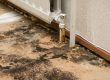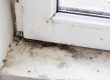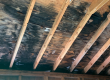
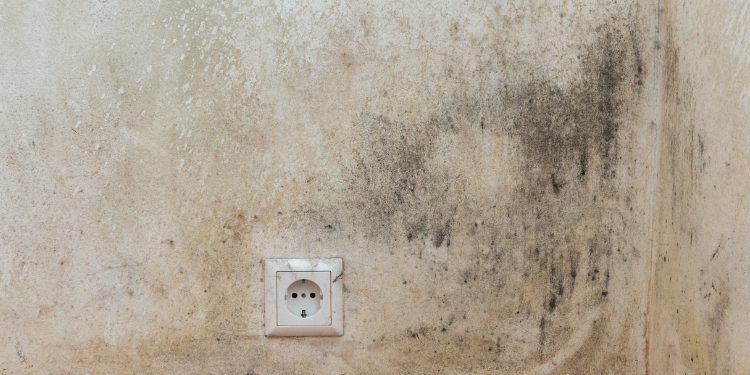
Most people think mold is only a problem when they can see it crawling up a wall or smell that unmistakable musty odor. The truth is, by the time mold becomes obvious, the situation is often far more advanced than it appears on the surface. Invisible spores can be circulating through your air, hiding behind drywall, under flooring, or inside your HVAC system long before any visible growth shows up. Relying on sight and smell alone is one of the biggest mistakes homeowners and property managers make when it comes to protecting their indoor environment.
Another misconception is that a quick DIY test or a single air sample is all it takes to “check the box” on mold. Environmental mold testing, when done properly, is a systematic investigation of your property’s air, surfaces, moisture sources, and building materials. It’s not just about confirming that mold is present; it’s about understanding what type of mold you’re dealing with, how extensive the problem is, where it’s coming from, and what it will take to fix it safely. This is where a dedicated local specialist like Tampa Bay Mold Testing becomes so important, especially in a region where humidity, storms, and aging buildings create perfect conditions for hidden contamination.
In the Tampa Bay area, many residents have become accustomed to dampness as a “normal” part of living in a coastal climate. But what feels like a minor humidity issue can quietly evolve into a serious mold problem affecting your health, property value, and long-term repair costs. Environmental mold testing is not a luxury or a scare tactic; it is a practical, evidence-based tool for understanding what is happening in your indoor environment so you can make informed decisions. When done thoroughly and interpreted correctly, mold testing replaces guesswork with data and turns vague concerns into clear action steps.
Why Mold Testing Really Matters
Mold is part of the natural environment, and in outdoor settings, it plays a vital role in breaking down organic matter. Indoors, however, mold growth becomes a problem when moisture and poor ventilation allow spores to colonize building materials. The challenge is that indoor mold problems rarely stay confined to one visible patch. Spores become airborne and spread, settling in new areas, contaminating HVAC systems, and potentially exposing occupants every time the air circulates. Environmental mold testing helps determine not only whether mold is present, but whether the indoor air quality has been compromised.
Health is one of the primary reasons mold testing is so important. Some individuals experience mild symptoms like sneezing, coughing, or eye irritation, while others may suffer more serious reactions such as asthma attacks, chronic sinus infections, or persistent fatigue. Children, the elderly, and people with compromised immune systems can be especially vulnerable. Without testing, it is easy to overlook mold as a contributing factor, especially when symptoms seem like seasonal allergies or a lingering cold. A professional testing protocol provides objective evidence that can be shared with doctors, property managers, or insurance companies.
There is also a significant financial angle. Unchecked mold growth can weaken drywall, damage wood framing, corrode metal components, and degrade insulation. What might start as a small moisture issue behind a wall can evolve into a large-scale remediation project if it goes unnoticed. Environmental mold testing allows you to catch problems earlier, when remediation is less invasive and less expensive. In real estate transactions, a thorough mold assessment can prevent surprises during inspections and negotiations, helping both buyers and sellers understand the true condition of the property.
Common Mold Risks In Tampa Bay
The Tampa Bay region has a unique set of environmental conditions that make mold growth more likely than in many other parts of the country. High humidity, frequent thunderstorms, tropical storms, and occasional flooding combine to create repeated moisture challenges for homes and businesses. Even when there is no visible water damage, elevated humidity levels inside a building can be enough to support mold growth on walls, ceilings, and inside ductwork. Tampa Bay Mold Testing sees this pattern repeatedly: homes that look pristine on the surface but reveal hidden mold once testing begins.
Another regional risk factor is the age and construction style of many local buildings. Older homes may have less effective vapor barriers, outdated roofing materials, and aging plumbing systems, all of which increase the chances of slow leaks or condensation issues. Newer construction, while often better insulated, can trap moisture if ventilation is not properly balanced. In both cases, moisture that is not properly managed becomes an invitation for mold. Environmental mold testing helps identify which areas of a structure are most vulnerable, even when there is no obvious sign of a problem.
Storm events also play a major role. After heavy rain, tropical storms, or hurricanes, moisture can infiltrate through roof leaks, window seams, and foundation cracks. Not all water damage is dramatic or easily noticed; sometimes it is a small seep that dries on the surface while leaving damp materials inside walls or under flooring. Mold does not need standing water to thrive; persistent dampness is enough. Post-storm environmental mold testing in Tampa Bay is crucial for detecting hidden contamination before it spreads and before reconstruction or cosmetic repairs lock moisture inside the building envelope.
What Professional Environmental Mold Testing Involves
Many people imagine mold testing as a single technician taking an air sample in the middle of a room and sending it to a lab. In reality, a comprehensive environmental mold assessment is a step-by-step process designed to answer specific questions about your property. It typically begins with a detailed visual inspection, where a trained professional looks for signs of water damage, staining, discoloration, or material deterioration. This inspection also includes questions about the history of leaks, past flooding, or any recent renovation work that might have disturbed building materials.
From there, targeted sampling is performed. This might include air samples taken in different rooms, surface samples from visible growth, and sometimes samples from inside wall cavities or HVAC components. The goal is not to collect as many samples as possible, but to collect the right samples in the right locations to create a meaningful picture of the indoor environment. A company like Tampa Bay Mold Testing uses industry standards and local experience to determine how many samples are appropriate for the size and complexity of the property.
Once samples are collected, they are sent to an accredited laboratory for analysis. The lab identifies the types of mold present and quantifies the spore levels. This information is then interpreted in context: how do indoor levels compare to outdoor levels, which species are dominant, and are any of them associated with higher health risks or unusual moisture conditions? The final report should not just be a list of lab results; it should explain what those results mean for your specific property, whether further investigation is needed, and what remediation steps, if any, are recommended.
How Testing Guides Safe Remediation
One of the biggest advantages of environmental mold testing is that it transforms remediation from guesswork into a controlled, targeted process. Without testing, a contractor might simply remove visible mold and clean the immediate area, leaving hidden contamination untouched. Testing helps define the boundaries of the problem: which rooms are affected, whether mold has entered the HVAC system, and whether structural materials like framing or subflooring have been impacted. This allows remediation professionals to set up containment correctly and avoid spreading spores to clean areas.
Testing also provides a baseline. Before remediation begins, the initial test results document the extent of contamination. After remediation, follow-up testing (often called clearance testing) is used to confirm that the work was successful and that spore levels have been reduced to acceptable levels. This is important for peace of mind, but it is also valuable documentation for property records, tenants, or potential buyers. Tampa Bay Mold Testing frequently works with homeowners, property managers, and remediation companies to coordinate this before-and-after testing process.
Another critical aspect is that test results can reveal underlying moisture problems that must be corrected to prevent mold from returning. It’s not enough to remove mold; you must remove the conditions that allowed it to grow. Elevated humidity, condensation on ducts, roof leaks, or plumbing issues often show up in the testing data and inspection notes. A thorough report will point to these root causes and recommend specific actions, such as improving ventilation, repairing leaks, or upgrading dehumidification systems. Without this guidance, even a well-executed cleanup can be short-lived.
When You Should Consider Mold Testing
There are certain situations where environmental mold testing moves from “nice to have” to “strongly recommended.” Persistent musty odors, unexplained health symptoms that improve when you leave the building, or visible signs of water damage are clear signals that an assessment is warranted. Even if you cannot see mold, a history of leaks, flooding, or roof problems should prompt you to consider testing, especially if repairs were done quickly without a thorough dry-out or if moisture meters and infrared inspections were never used at the time.
Real estate transactions are another key moment for mold testing. Buyers want to know if they are inheriting a hidden problem, and sellers want to avoid last-minute surprises that could delay or derail a sale. A detailed mold assessment provides both parties with objective information and can even help guide negotiations about repairs or price adjustments. In rental properties, testing can help resolve disputes between landlords and tenants by providing third-party data about the condition of the unit.
In the Tampa Bay area, post-storm inspections are particularly important. After major weather events, it is common for moisture to find its way into buildings in subtle ways. Even if there is no visible standing water, roof penetrations, damaged siding, or wind-driven rain can introduce moisture into walls and attics. Environmental mold testing, combined with a careful visual inspection, can catch these issues early. Working with a local specialist like Tampa Bay Mold Testing means you are dealing with professionals who understand the specific weather patterns and building vulnerabilities common in this region.
Choosing A Qualified Testing Partner
Not all mold testing services are created equal. The quality of your results depends heavily on the training and experience of the inspector, the sampling strategy, and the laboratory used for analysis. When selecting a company, look for clear explanations of their process, certifications or industry training, and a commitment to using accredited labs. Ask how they decide where to take samples, how many samples are typically needed for a property like yours, and what kind of report you will receive.
You also want a company that is focused on testing and assessment rather than selling remediation services. This helps ensure that the recommendations you receive are objective and based on data rather than on a desire to sell an expensive cleanup. Tampa Bay Mold Testing, for example, emphasizes thorough investigation, clear communication, and unbiased reporting so you can make informed decisions about any next steps. A good testing partner should welcome your questions and be willing to walk you through the findings in detail.
Finally, consider the value of local expertise. Environmental conditions, building codes, and common construction practices vary by region. A testing company that works daily in the Tampa Bay area will be familiar with the types of buildings, typical moisture problems, and seasonal challenges specific to this coastal climate. This local insight allows them to interpret lab results in context and to suggest practical, region-appropriate solutions. If you are ready to explore professional mold testing further, you can learn more here: null.
Frequently Asked Questions
Is mold testing really necessary if I can already see mold? Visible mold is a clear sign that you have a moisture problem, but it does not tell you how far the contamination has spread or whether spores have affected other areas of the building. Environmental mold testing helps determine the full scope of the issue, including hidden growth behind walls or in HVAC systems. It also identifies the specific types of mold present and compares indoor spore levels to outdoor levels. This information is essential for planning effective remediation and confirming that cleanup was successful.
Can I use a store-bought mold test kit instead of hiring a professional? Over-the-counter kits may seem convenient, but they often provide limited and misleading information. Many kits simply show that mold spores are present, which is almost always true because mold exists naturally in the environment. They do not offer a comprehensive assessment of air quality, moisture sources, or the relative levels of different mold species. A professional service like Tampa Bay Mold Testing combines visual inspection, strategic sampling, and expert interpretation, giving you actionable information instead of vague results.
How long does environmental mold testing take, and when will I get results? The on-site inspection and sampling portion typically takes a few hours, depending on the size and complexity of the property. After samples are collected, they are sent to a laboratory for analysis, which usually takes a few business days. Once the lab results are ready, your testing company will compile a detailed report explaining the findings and their implications. In most cases, you can expect to have a full, written assessment within a week of the initial visit, though timelines may vary slightly based on lab workload and the number of samples.
What happens if the test shows high levels of mold? If testing reveals elevated spore counts or problematic mold species, the next step is to address both the contamination and the underlying moisture source. Your report will outline which areas are affected and suggest appropriate remediation measures, such as removal of contaminated materials, specialized cleaning, and air filtration. It will also highlight any necessary repairs, like fixing leaks or improving ventilation, to prevent recurrence. After remediation, follow-up testing is recommended to verify that mold levels have been reduced to normal background levels.
Is mold testing covered by insurance? Coverage varies widely depending on your insurance policy and the cause of the mold growth. In some cases, if mold is a result of a sudden and accidental water event, portions of testing and remediation may be covered. However, if mold is linked to long-term maintenance issues or gradual leaks, coverage may be limited or excluded. Environmental mold testing provides documentation that can be useful when discussing your situation with your insurance provider. It is always a good idea to review your policy carefully and ask your insurer specific questions about mold-related coverage.