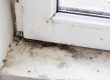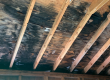
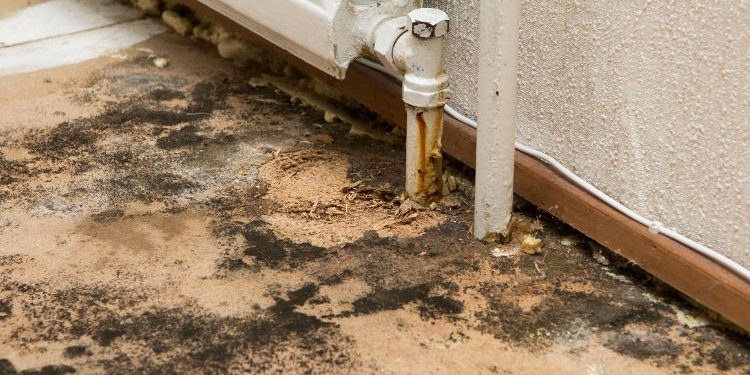
Most people in the Tampa Bay area think mold detection is as simple as spotting a dark patch on the wall or catching a musty odor in the air. In reality, by the time you see obvious mold growth, the problem has often been active for weeks or months, quietly spreading behind walls, under flooring, or inside your HVAC system. Relying on what you can see or smell is one of the biggest mistakes homeowners and property managers make, because the most harmful mold issues are frequently the ones you cannot easily detect without professional tools and training.
Another misconception is that every mold situation is the same and can be handled with a quick spray, a dehumidifier, or a DIY test kit from the hardware store. The truth is that the Tampa Bay climate, with its high humidity, sudden storms, and frequent roof and plumbing leaks, creates a complex environment where different types of mold thrive in different ways. Professional mold detection in the Tampa Bay area focuses on understanding how local weather patterns, building materials, and construction styles interact to create hidden moisture pockets. Companies like Tampa Bay Mold Testing build their process around these regional realities so that mold problems are discovered early and accurately, before they turn into serious structural or health issues.
Professional mold detection is not just about confirming what you already suspect; it is about uncovering what you have no idea is there. A thorough inspection looks beyond the visible symptoms to trace moisture sources, assess air quality, and evaluate the overall risk of ongoing contamination. For Tampa Bay homeowners, landlords, and business owners, this kind of detailed detection is the difference between a one-time fix and an ongoing cycle of recurring mold that damages property, affects tenants or family members, and drives up long-term maintenance costs.
Why Tampa Bay Is High-Risk
The Tampa Bay area is uniquely prone to mold for reasons that go far beyond simply “it’s humid here.” Our region experiences frequent temperature swings, afternoon thunderstorms, and long stretches of coastal humidity that keep building materials damp for extended periods. Even when surfaces feel dry to the touch, moisture can remain trapped inside drywall, insulation, or wood framing. This invisible dampness is exactly what mold spores need to colonize and spread. Professional mold detection in Tampa Bay must therefore be built around finding moisture, not just mold stains.
Local construction practices also play a role. Many homes and commercial buildings in Tampa Bay use materials and designs that can unintentionally trap moisture. For instance, tightly sealed energy-efficient windows combined with powerful air conditioning can create condensation issues around window frames and inside walls. Flat or low-slope roofs common on some properties are more vulnerable to slow leaks that go unnoticed until mold has already spread extensively. Experienced inspectors from services such as Tampa Bay Mold Testing understand these patterns and know where mold is likely to hide in our local building stock.
Storms and flooding are another crucial factor. Heavy rains, tropical storms, and hurricanes can push water into attics, crawlspaces, and wall cavities. Even if a property appears to dry out after a storm, moisture can remain trapped in hidden pockets. Without professional detection, these areas can become long-term mold sources that gradually release spores into the indoor air. This is why many mold issues in Tampa Bay show up months after a major weather event, long after the visible water damage has disappeared but the hidden growth has continued unchecked.
What Professional Mold Detection Really Involves
Professional mold detection is a structured, step-by-step process designed to answer three critical questions: Is mold present? How extensive is it? And what is causing it? A reputable company does not just walk through, take a quick look, and declare everything fine. Instead, they combine visual inspection, moisture detection, and air or surface sampling when needed to build a complete picture of the situation. This approach is especially important in Tampa Bay, where hidden condensation and micro-leaks can cause serious problems long before they are obvious to the eye.
The visual inspection is more detailed than most people expect. Inspectors look for subtle signs such as paint bubbling, slight warping in baseboards, small cracks in caulk, or faint discoloration that might indicate moisture movement. They examine common trouble spots like behind kitchen appliances, under sinks, around AC closets, near water heaters, and along exterior walls that face prevailing winds and rain. In multi-story homes, they pay close attention to the areas beneath bathrooms and laundry rooms, where plumbing leaks often start.
Beyond what can be seen, professional mold detection in Tampa Bay relies heavily on moisture meters, hygrometers, and sometimes infrared cameras. Moisture meters can read the moisture content inside building materials without tearing them open, revealing damp areas behind what appears to be a perfectly normal wall. Infrared cameras can detect temperature variations that often correspond with wet insulation or water intrusion. Hygrometers measure indoor humidity levels, helping inspectors determine whether the overall indoor environment is conducive to mold growth, even if active mold is not yet visible.
Air And Surface Testing Explained
Air and surface testing are often misunderstood and sometimes misused, but when done correctly, they are powerful tools in professional mold detection. Air sampling involves drawing a measured volume of indoor air through a collection device that traps mold spores. These samples are then analyzed by a laboratory to identify the types and quantities of spores present. In Tampa Bay, where windows are frequently closed and air conditioning runs heavily, indoor air can concentrate mold spores from hidden growth, making air testing a useful way to detect problems that are not visible.
Surface sampling, on the other hand, is used when there is visible staining or suspected mold growth. Inspectors may use swabs or tape lifts to collect samples from questionable areas. The lab can then determine whether the material is actually mold, what type it is, and whether it suggests a localized issue or a broader contamination pattern. This can be important for legal or insurance documentation and for designing an appropriate remediation plan.
However, professional companies like Tampa Bay Mold Testing do not rely solely on lab results. They interpret test data in the context of the inspection findings, the building’s history, and the known behavior of different mold species. For example, elevated spore counts in the air might mean something very different in a recently flooded property compared to a home with no history of water intrusion. Proper interpretation ensures that testing leads to practical solutions rather than unnecessary panic or, conversely, false reassurance.
Health, Safety, And Legal Considerations
Mold is not just a cosmetic or structural issue; it can be a health concern, especially for sensitive individuals. In the Tampa Bay area, where people spend a large portion of the year indoors with the AC running, poor indoor air quality caused by mold can contribute to chronic symptoms like coughing, congestion, headaches, and fatigue. Those with asthma, allergies, or compromised immune systems can be particularly affected. Professional mold detection helps clarify whether mold is likely contributing to these issues by identifying active growth areas and measuring the spore levels in the breathing zone.
From a safety standpoint, proper detection also prevents unnecessary disturbance of contaminated materials. Tearing out drywall or flooring without first understanding the scope of mold growth can release a large number of spores into the air, spreading the problem throughout the property. Professional inspectors outline where mold is located so that remediation can be performed in a controlled way, with containment and air filtration when appropriate. This is especially important in multi-unit buildings, where work in one unit can impact neighbors if not handled correctly.
There are also legal and disclosure aspects to consider. Landlords, property managers, and sellers in the Tampa Bay area can face disputes if tenants or buyers later claim undisclosed mold problems. Professional mold detection reports from companies like Tampa Bay Mold Testing provide documented evidence of the property’s condition at a specific point in time. These reports can support responsible decision-making, guide remediation, and serve as records that issues were investigated and addressed appropriately.
Choosing A Qualified Mold Detection Service
Not every mold inspector or testing company operates with the same level of rigor. When choosing a professional mold detection service in the Tampa Bay area, it is important to look beyond price and ask specific questions about their process, training, and independence. A reputable company will explain how they inspect, what tools they use, when and why they recommend testing, and how they interpret results. They should be willing to walk you through their findings in plain language, not just hand over a technical lab report.
Experience with local conditions is critical. Inspectors who regularly work in the Tampa Bay region understand the patterns created by our climate and building styles. They know the common AC-related moisture problems, recognize signs of wind-driven rain intrusion, and are familiar with issues in both older homes and newer construction. Tampa Bay Mold Testing, for example, builds its protocols around this local knowledge, allowing for more accurate detection and more targeted recommendations.
It is also wise to consider how the inspection company relates to remediation services. Some property owners prefer using an independent testing firm that does not perform remediation, to avoid any perception of a conflict of interest. Others choose companies that can coordinate both detection and cleanup for convenience, as long as they are transparent about their methods and provide clear documentation. Whichever route you choose, the key is to ensure that detection is thorough, evidence-based, and focused on solving the problem rather than just selling a service.
Preventing Future Mold Problems
Professional mold detection is not only about identifying current problems; it should also give you a roadmap for prevention. After an inspection, a good company will highlight the conditions that allowed mold to develop in the first place, such as chronic high humidity, poor ventilation, unsealed penetrations, or aging plumbing. In Tampa Bay’s climate, prevention efforts need to be ongoing rather than one-time fixes, because the environmental pressures that cause mold are always present.
Typical recommendations may include improving bathroom and kitchen ventilation, adjusting thermostat and humidity settings on your AC system, sealing gaps around windows and doors, or addressing grading issues that cause water to pool near the foundation. In some cases, installing dehumidifiers in problem areas like garages, crawlspaces, or rarely used rooms can dramatically reduce the risk of mold return. Tampa Bay Mold Testing and similar services can prioritize these suggestions so you know which changes will have the biggest impact.
Regular check-ups can also be valuable, especially for properties that have had past mold issues or water damage. Periodic moisture inspections or targeted air testing in high-risk areas can catch small problems before they escalate. This proactive mindset is particularly important for landlords, condo associations, and commercial property owners, who have a responsibility to provide safe, healthy environments for occupants and want to avoid costly emergency repairs.
Frequently Asked Questions
How do I know if I really need professional mold detection? You should consider professional mold detection if you notice persistent musty odors, unexplained health symptoms that improve when you leave the building, recent water damage, or visible staining that might be mold. In Tampa Bay, even small leaks or condensation issues can lead to significant hidden growth. If you are unsure of the extent of a problem, or if you are buying, selling, or renting a property, a professional inspection provides clarity and helps you avoid guesswork or unnecessary repairs.
Are DIY mold test kits accurate enough in Tampa Bay’s climate? DIY test kits often give misleading or incomplete results, especially in humid regions like Tampa Bay. These kits typically show that mold spores are present, which is almost always true because mold exists naturally in the environment. What they do not reliably tell you is where the mold is coming from, how much is present compared to normal background levels, or whether there is hidden growth inside walls or HVAC systems. Professional detection combines testing with inspection and moisture analysis, giving you actionable information rather than just a positive or negative result.
What happens during a typical mold inspection from a company like Tampa Bay Mold Testing? A typical inspection begins with a detailed conversation about your concerns, the property’s history, and any known water events. The inspector then performs a thorough visual examination, checks moisture levels in walls, floors, and ceilings, and evaluates humidity and ventilation. If warranted, they may collect air or surface samples for laboratory analysis. Afterward, you receive a report that explains the findings, identifies problem areas, and outlines recommended next steps for remediation or prevention. The goal is to give you a clear understanding of what is happening and how to address it.
Is mold detection covered by insurance? Coverage varies widely depending on your policy and the cause of the mold. Some insurance policies may cover mold that results from a sudden and accidental water event, such as a burst pipe, while excluding mold related to long-term maintenance issues or gradual leaks. Professional mold detection can help document when and how the problem was discovered, which can be useful if you file a claim. It is best to review your policy and speak with your insurer directly, and consider sharing your inspection report to support your case. For more context, you can also review resources like null that discuss property and environmental risk factors.
How often should Tampa Bay properties be checked for mold? There is no one-size-fits-all schedule, but properties with a history of water damage, older plumbing, or chronic humidity problems should be checked more frequently. After any significant leak, flood, or storm damage, a targeted mold and moisture assessment is wise, even if everything appears dry. For rental properties, condos, or commercial spaces, periodic inspections every couple of years, or whenever tenants report suspicious odors or symptoms, can prevent small issues from turning into widespread contamination. The key is to act quickly whenever there is a potential moisture incident, rather than waiting for visible mold to appear.