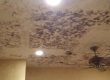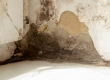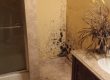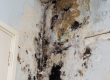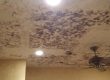
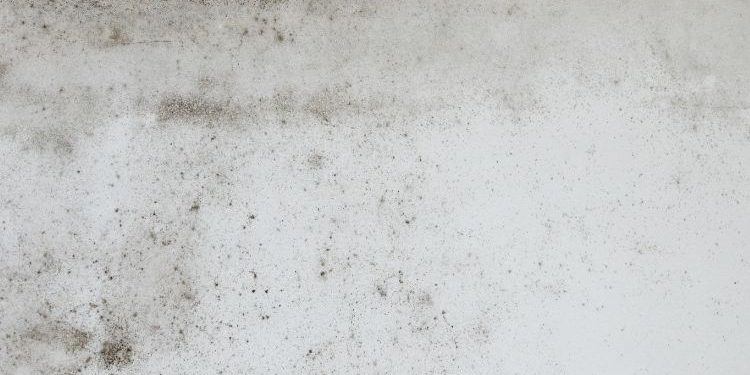
Mold is not just an eyesore on a bathroom ceiling or a musty smell in a closed room. It is a living organism that releases microscopic spores into the air you breathe, often without any obvious visual clues. In a warm, humid region like Tampa Bay, where air conditioning, frequent rain, and occasional water intrusions are part of everyday life, mold can grow quietly behind walls, under flooring, or in ductwork. This is why mold testing is essential for health right now: it reveals what you cannot see, quantifies what you cannot measure with your senses, and helps prevent long-term exposure that can seriously affect your well-being.
Many families only think about mold when they see a dark patch or smell a damp odor. But by the time visible mold appears, the problem has often been growing for weeks or months. During that time, spores and, in some cases, mycotoxins may have been circulating through your indoor air, potentially aggravating asthma, triggering allergies, worsening chronic conditions, or causing unexplained symptoms like fatigue and headaches. Professional mold testing by a company like Tampa Bay Mold Testing is not a luxury service; it is a health protection step that helps you understand the quality of the air in your home or workplace and guides you toward effective solutions.
In an era where we spend more time indoors than ever before—working from home, caring for family members, or simply escaping the Florida heat—the quality of our indoor environment has a direct effect on our respiratory, immune, and mental health. Mold testing allows you to move from guesswork to data. Instead of wondering whether that cough is just seasonal or that brain fog is just stress, you can uncover whether hidden mold contamination is part of the picture. When you know what is present, where it is coming from, and how severe it is, you can take action that truly protects the people who rely on that space every day.
How Mold Affects Health
Mold affects people differently, but there are common patterns that health professionals and environmental specialists see again and again. Mold spores are tiny particles that become airborne easily and are inhaled deep into the lungs. For individuals with asthma, allergies, COPD, or other respiratory conditions, this can mean more frequent flare-ups, difficulty breathing, or a general worsening of their baseline symptoms. Children, older adults, and anyone with a compromised immune system are especially vulnerable, making mold testing essential when these groups live or spend time in a building.
Even people who consider themselves healthy can react to mold exposure. Some experience chronic sinus congestion, itchy or watery eyes, skin rashes, or a persistent dry cough. Others notice non-specific complaints such as fatigue, trouble concentrating, headaches, or sleep disturbances. These symptoms often get dismissed as stress, aging, or seasonal issues, but in many Tampa Bay homes and offices, mold is a hidden contributor. When Tampa Bay Mold Testing evaluates a property, the goal is to connect these potential health complaints with objective evidence from air and surface samples.
Certain molds can also produce substances known as mycotoxins. While not all mold is toxic, and not all exposure leads to severe illness, long-term exposure to mycotoxins in poorly ventilated or heavily contaminated environments has been associated in some studies with more serious health effects. This does not mean every mold issue is an emergency, but it does mean that ignoring possible contamination is risky. Mold testing helps distinguish between minor, localized growth and a more significant, widespread problem that calls for prompt remediation and medical follow-up for those affected.
Why Testing Matters More Than Guessing
Many property owners rely on their senses to decide whether they have a mold problem: they look for discoloration, sniff for musty odors, or feel for dampness. While these clues are helpful, they are far from complete. Mold can thrive behind wallpaper, inside wall cavities, beneath carpets, or in HVAC systems without giving off a strong smell or showing obvious stains. By the time a visual patch appears, the contamination may have already spread. Professional mold testing goes beyond guesswork by using specialized equipment and protocols to identify what types of mold are present and at what levels.
Air sampling, surface swabs, and sometimes cavity or bulk samples allow a company like Tampa Bay Mold Testing to compare indoor mold levels to outdoor baselines and interpret whether the indoor environment is typical or elevated. This is crucial because mold is naturally present in the outdoor environment in Florida; the question is not whether mold exists, but whether your indoor space has an abnormal concentration or problematic species. Testing provides a clear, data-driven answer that you cannot get from a simple visual inspection alone.
Another reason testing is essential is that it guides decision-making. Without lab-confirmed results, homeowners may either overreact—spending money on unnecessary extensive remediation—or underreact, doing minimal cleaning that fails to address a serious issue. With a detailed mold report, you can prioritize the right areas, choose the appropriate level of remediation, and verify afterward that the work was successful. This data-based approach protects your health and your budget at the same time.
The Special Risks In Tampa Bay Homes
The Tampa Bay region has a combination of factors that make mold more likely: high humidity, frequent storms, aging housing stock in some neighborhoods, and heavy reliance on air conditioning. Even a small roof leak or a poorly sealed window can allow moisture to penetrate building materials. If that moisture is not fully dried within 24 to 48 hours, mold can begin to grow. Because many of these issues occur in attics, crawl spaces, or behind walls, property owners may have no idea that mold is developing until someone becomes symptomatic.
Air conditioning systems, while essential for comfort in Florida’s climate, can also contribute to mold issues if not properly maintained. Condensation in ductwork, clogged drain lines, or dirty coils can create damp environments where mold thrives. Once mold colonizes part of an HVAC system, spores can be distributed throughout the entire home or building. Mold testing that includes strategic air samples and, when needed, inspection of HVAC components can reveal whether the system is contributing to poor indoor air quality.
Flooding and storm damage are another reality for Tampa Bay residents. After a heavy rain event or tropical storm, even minor water intrusion can set the stage for hidden mold growth. Drywall, insulation, and wood framing can absorb moisture and support mold colonies behind the scenes. A quick cleaning of visible surfaces is not enough to know whether the structure is truly dry and safe. Post-water-damage mold testing is an essential step to ensure that your property has not become a long-term health hazard after the immediate crisis has passed.
What Professional Mold Testing Involves
Professional mold testing is a structured process designed to answer three key questions: Is there a mold problem? How severe is it? Where is it coming from? When Tampa Bay Mold Testing evaluates a property, the process typically begins with a detailed conversation about your concerns, any health symptoms people have noticed, and the history of leaks, flooding, or humidity issues. This background information helps target the inspection and testing strategy so that it addresses the real conditions in your home or building.
The inspector then performs a visual assessment, looking for signs of water staining, condensation, visible mold growth, and construction details that might trap moisture. Moisture meters and thermal imaging cameras may be used to identify hidden damp areas in walls, ceilings, or floors. Based on these findings, the inspector selects locations for air samples and surface samples. Air samples are often collected both indoors and outdoors to provide a comparison, while surface swabs or tape lifts are taken from suspicious spots to confirm the presence and type of mold growth.
Samples are sent to an accredited laboratory, where they are analyzed for mold types and concentrations. The lab report, combined with the inspector’s observations, is compiled into a clear, written document that explains what was found and what it means for your indoor environment. This report should not be just a list of Latin names; it should interpret whether the levels are typical, elevated, or concerning, and recommend appropriate next steps. With this information, you can proceed confidently with remediation, repairs, or ongoing monitoring, knowing that your decisions are grounded in scientific data.
Health Benefits Of Early Detection
Early detection of mold through testing can have a profound impact on health outcomes, especially for vulnerable individuals. When mold problems are identified in their early stages, exposure time is reduced. Children with developing lungs, elderly family members, and anyone with asthma, allergies, or immune challenges are less likely to experience prolonged irritation and inflammation. This can translate into fewer doctor visits, less reliance on medications, and a better overall quality of life within the home.
For people who already struggle with chronic conditions, reducing mold exposure can be a turning point. Some individuals discover that their persistent sinus infections, migraines, or respiratory flare-ups improve noticeably after mold contamination is identified and properly remediated. While mold is not the only factor in complex health issues, it is one environmental variable that you can control. Mold testing helps you identify this variable and take concrete steps to remove or reduce it.
There is also a mental and emotional benefit to early detection. Living in a home where you suspect something is wrong, but you cannot prove it, can be stressful and unsettling. Parents may worry about their children’s health, employees may feel anxious about their workspace, and everyone may feel powerless to change the situation. Objective results from a professional mold test bring clarity. Knowing what you are dealing with, even if it requires remediation, is far less stressful than uncertainty. Clarity enables action, and action is what protects health.
Choosing A Qualified Mold Testing Partner
Not all mold testing services are the same. It is important to choose a company that focuses on accurate assessment rather than selling remediation at any cost. A qualified testing partner should use standardized sampling methods, work with reputable laboratories, and provide reports that are understandable to non-experts. Tampa Bay Mold Testing emphasizes thorough inspections, strategic sampling, and clear communication so property owners can make informed decisions without pressure.
Look for professionals who understand the specific challenges of the Tampa Bay climate and building styles. Local experience matters because it helps the inspector recognize common moisture pathways, construction quirks, and HVAC issues that contribute to mold growth in this region. A good testing company will also be willing to answer your questions, explain the limitations of testing, and outline realistic expectations about what the results can and cannot tell you.
If you are ready to explore mold testing further, you can learn more at null. Taking the step to test is not an admission of failure as a homeowner or property manager; it is a proactive measure that demonstrates your commitment to a safe, healthy environment. With accurate information in hand, you can address problems efficiently and protect the people who depend on your space each day.
Frequently Asked Questions
How do I know if I need mold testing? You should consider mold testing if you notice persistent musty odors, have a history of leaks or water damage, see discoloration on walls or ceilings, or if people in the building experience unexplained respiratory or allergy-like symptoms that improve when they are away. In Tampa Bay, where humidity and storms are common, testing is also wise after any significant water intrusion, even if everything appears dry on the surface. Testing is especially important when vulnerable individuals such as infants, elderly adults, or those with asthma or weakened immune systems live or work in the space.
Can I test for mold myself with store-bought kits? Over-the-counter mold test kits may seem convenient, but they have significant limitations. Many simply show that mold spores exist, which is almost always true because mold is present in normal outdoor air. They typically do not provide meaningful comparisons between indoor and outdoor levels, nor do they offer professional interpretation of what the results mean for your health. Professional testing by a company like Tampa Bay Mold Testing uses controlled sampling methods, calibrated equipment, and accredited laboratories, providing reliable data and expert analysis that DIY kits cannot match.
Is all mold dangerous to my health? Not all mold is equally harmful, and not every exposure leads to serious illness. However, any mold growth indoors indicates a moisture problem and an imbalance in your indoor environment. Some species are more strongly associated with allergic reactions or respiratory irritation, while others can produce mycotoxins under certain conditions. Even molds considered less hazardous can still worsen asthma, allergies, or other conditions when present in high concentrations. Mold testing helps distinguish between minor, isolated growth and more significant contamination that may pose greater health risks.
What happens after mold testing if the results are positive? If testing reveals elevated mold levels or problematic species, the next step is to identify and correct the source of moisture. Without resolving the water or humidity issue, mold will simply return. Depending on the severity and location of the contamination, remediation may involve cleaning and disinfecting surfaces, removing and replacing porous materials like drywall or carpeting, and improving ventilation or dehumidification. After remediation, follow-up testing is often recommended to confirm that mold levels have returned to normal and that the indoor environment is once again healthy.
How often should I have my home or business tested for mold? There is no one-size-fits-all schedule, but certain situations call for testing. You should strongly consider mold testing after any significant water event, when buying or selling a property, if renovations reveal hidden damage, or when occupants experience ongoing symptoms without a clear medical explanation. In humid climates like Tampa Bay, some property owners choose periodic testing as part of their overall indoor air quality strategy, especially in buildings with a history of leaks or HVAC issues. The goal is not constant testing, but strategic testing when there is a reasonable concern or change in conditions.