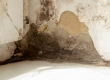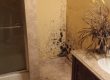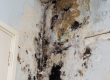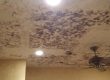
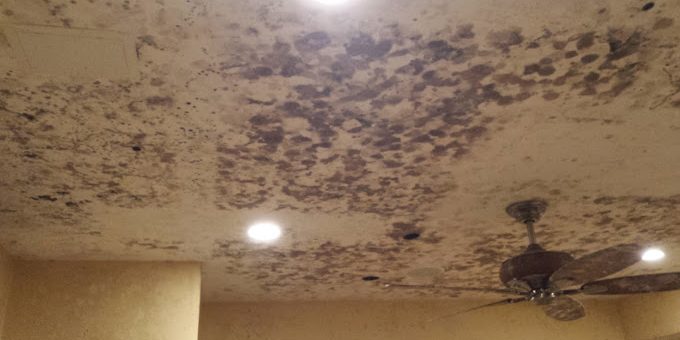
The first sign is usually something small: a faint musty odor in the hallway, a patch of discoloration on the ceiling, or a family member who keeps getting “mystery” sinus infections. Days turn into weeks, and that strange smell near the air vent doesn’t go away. You might clean, spray, and repaint, only to have the stain bleed back through. At that point, most homeowners realize they’re not dealing with a simple housekeeping issue – they’re dealing with a potential mold problem. And when that happens, a quick glance with a flashlight isn’t enough. Comprehensive mold analysis becomes the tool that separates guesswork from real answers.
For homeowners today, especially in warm, humid regions like the Tampa Bay area, mold is no longer a rare or surprising discovery. It is a predictable risk that comes with moisture, air conditioning systems, storm events, and older building materials. Comprehensive mold analysis is about understanding exactly what is growing, where it is, how far it has spread, and what it means for your home and health. Instead of relying on vague assumptions – “it’s probably just surface mildew” – a detailed analysis gives you measurable data and a clear roadmap for what to do next.
Tampa Bay Mold Testing focuses on this deeper, more methodical approach. Rather than stopping at a quick visual inspection, comprehensive mold analysis involves multiple testing methods, building science knowledge, and clear interpretation of lab results. For homeowners, that means fewer surprises during remediation, better protection for your family, and a stronger position if you ever need documentation for insurance, a real estate transaction, or a landlord-tenant issue. Modern mold analysis is not about scaring you; it is about replacing uncertainty with clarity.
Why Mold Analysis Matters
Mold is part of the natural environment, and small amounts of airborne spores exist almost everywhere. The real issue is when indoor mold growth becomes amplified compared to normal outdoor levels, especially in hidden spaces like wall cavities, attics, and HVAC systems. Without comprehensive analysis, you might only see the tip of the iceberg. That visible patch behind the washing machine may be connected to a much larger hidden colony inside the wall, slowly deteriorating materials and releasing spores into the air you breathe.
Health concerns are another major driver for thorough testing. Different people react differently to mold. One person might have mild congestion, while another experiences severe asthma flare-ups, fatigue, or chronic sinus infections. Some mold species are more strongly associated with allergic reactions and respiratory irritation. A comprehensive mold analysis, such as those performed by Tampa Bay Mold Testing, can identify types and concentrations of spores present. This knowledge allows your healthcare provider and remediation professionals to connect the dots between symptoms and environmental conditions, and to prioritize the most concerning areas.
There is also a financial dimension. Mold can affect property values, insurance claims, and renovation costs. If you are buying or selling a home, a detailed mold report can either provide peace of mind or reveal issues that must be addressed before closing. If you are filing a claim after a leak or flood, documented analysis results can help prove that water damage led to mold growth. By investing in comprehensive mold analysis early, homeowners often avoid more expensive structural repairs and disputes later.
What “Comprehensive” Really Includes
Many people think mold testing is just collecting an air sample and sending it to a lab. While air sampling is useful, true comprehensive analysis goes much further. It starts with a detailed interview and inspection: understanding the home’s history of leaks or flooding, recent renovations, occupant health complaints, and patterns of moisture or odors. Tampa Bay Mold Testing, for example, looks at how the building is put together, where moisture could be trapped, and how air is moving between rooms and building cavities.
Next comes the combination of visual inspection and specialized tools. Moisture meters, infrared cameras, and hygrometers help locate damp materials and humidity pockets that might not be obvious to the naked eye. An area of drywall that looks normal could be wet behind the paint, and an infrared camera can show a cooler, damp region that suggests a plumbing leak or roof penetration. This step is crucial because mold usually follows moisture; if you don’t find the water source, any remediation will be temporary.
Then there are the actual samples. Comprehensive mold analysis might include air samples, surface swabs or tape lifts, bulk material samples, and sometimes cavity air samples taken from inside walls or ceilings. Each method answers a different question. Air samples show what occupants are breathing, surface samples confirm if visible growth is mold and what type, while bulk samples reveal how deeply mold has penetrated materials. Together, these different tools form a complete picture rather than a single snapshot.
Types of Mold Testing Methods
Air sampling is one of the most commonly used methods in comprehensive analysis. A calibrated pump draws a measured volume of air through a cassette or onto a slide, capturing spores and particulate matter. The sample then goes to a laboratory where a specialist identifies and counts the spores under a microscope. By comparing indoor and outdoor samples, Tampa Bay Mold Testing can determine whether the indoor environment has elevated mold levels or unusual species that suggest active growth indoors rather than normal outdoor infiltration.
Surface sampling is used when there is visible discoloration or suspected mold on materials such as drywall, baseboards, furniture, or HVAC components. Swab or tape lift samples collect a small amount of material from the surface. The lab then identifies what is present: actual mold, dust, staining, or something else entirely. This is important because not every dark spot is mold, and not all mold species behave the same. Knowing what you are dealing with helps shape the remediation plan and may influence whether materials can be cleaned or need to be removed.
Bulk sampling involves removing a piece of contaminated material, such as a section of drywall, insulation, or carpet padding, and sending it to the lab. This can reveal how deeply mold has penetrated and whether the contamination is superficial or structural. In some situations, cavity air sampling is also used, where a small hole is drilled into a wall or ceiling and air is drawn out for testing. This method helps identify hidden growth behind surfaces that appear clean. A comprehensive approach combines these tools selectively, based on the home’s layout, moisture sources, and the homeowner’s concerns.
Interpreting Lab Results and Next Steps
Lab reports can look intimidating, full of Latin names and spore counts. The real value comes from professional interpretation. A comprehensive mold analysis does not just hand you a stack of numbers; it explains what those numbers mean in practical terms. For example, finding a few common outdoor mold spores inside is usually normal, while high levels of certain water-damage indicators indoors might suggest an ongoing moisture problem hidden behind walls or under flooring.
When Tampa Bay Mold Testing reviews lab results with homeowners, the goal is to connect findings to real-world decisions. You should walk away understanding which areas of the home are most affected, what type of mold is present, and whether the situation is minor, moderate, or severe. This clarity helps you decide whether you can manage some issues with targeted cleaning and dehumidification, or whether you need a licensed remediation company to perform containment, removal, and post-remediation verification.
Next steps often include recommendations for moisture control. Even the most thorough removal will fail if the underlying water source remains. That might mean repairing roof leaks, improving bathroom ventilation, sealing around windows, adjusting HVAC settings, or adding a dehumidifier in problem areas. Comprehensive analysis provides the data; long-term success depends on addressing both mold and moisture together. A good report becomes a roadmap that you, your contractor, and any remediation professionals can follow.
When Homeowners Should Consider Testing
Not every home needs mold testing all the time, but there are specific situations when comprehensive analysis is strongly recommended. Persistent musty odors, unexplained water stains, warped flooring, or recurring respiratory symptoms are clear warning signs. If you have had a recent leak, plumbing failure, roof problem, or flood, testing can confirm the extent of any mold growth and help verify that cleanup was successful. In the Tampa Bay climate, where humidity and storm events are common, these scenarios appear more often than many homeowners expect.
Real estate transactions are another key moment for mold analysis. Buyers want to know what they are walking into, especially with older homes or properties that have been vacant. Sellers may choose to test proactively to avoid surprises during inspection and to provide documentation that the home’s indoor air quality has been evaluated. Tampa Bay Mold Testing often works with both buyers and sellers to provide clear, unbiased reports that can be shared with agents, inspectors, and attorneys if needed.
Homeowners with vulnerable occupants – such as infants, elderly family members, or those with asthma, allergies, or compromised immune systems – may also prioritize testing even when visible signs are minimal. For these households, peace of mind about indoor air quality has real value. Comprehensive analysis offers a way to confirm that the home environment is supporting, not undermining, their health. If issues are found, early detection allows for more targeted and less disruptive interventions.
Choosing a Qualified Mold Testing Partner
Because mold testing has become more common, homeowners are often flooded with options: DIY kits, unlicensed operators, or companies that both test and remediate. A truly comprehensive and unbiased analysis comes from professionals who are trained, experienced, and focused on accurate assessment rather than selling remediation work. Tampa Bay Mold Testing specializes in the testing and analysis side, providing clear data and recommendations that you can take to any remediation contractor you choose.
When evaluating a mold testing provider, ask about their experience in your type of property, the tools and sampling methods they use, and how they interpret and explain results. A good partner will not rush the inspection, will take time to understand your concerns, and will tailor their testing plan to your home’s specific conditions. They should also be willing to walk you through the report, answer questions, and provide practical guidance rather than just dumping technical data in your lap.
Finally, look for professionalism and transparency. Clear pricing, documented procedures, and written reports are essential. So is communication: you should feel comfortable asking questions and confident that the answers are grounded in both science and real-world field experience. Comprehensive mold analysis is an investment in your home and health, and the right testing partner makes that investment worthwhile. To learn more or schedule an assessment, you can visit null for additional information.
Frequently Asked Questions
How do I know if I need comprehensive mold analysis instead of just cleaning visible mold? If you see a small, isolated patch of surface mold in a clearly identified damp area, simple cleaning and moisture control might be enough. However, if mold keeps returning, the area is larger than a few square feet, there are musty odors with no obvious source, or people in the home have ongoing respiratory or allergy symptoms, comprehensive analysis is recommended. It helps determine whether there is hidden growth, elevated airborne spores, or underlying moisture issues that basic cleaning will not resolve.
Are DIY mold test kits as reliable as professional testing? DIY kits can sometimes indicate that mold is present, but they rarely provide the level of detail or context needed for informed decisions. They often lack proper control samples, calibrated pumps, and professional interpretation. In humid areas like Tampa Bay, almost any DIY plate left open will grow something, which can be misleading. Professional comprehensive testing from a company like Tampa Bay Mold Testing uses standardized methods, accredited laboratories, and expert analysis to distinguish normal background spores from problematic indoor contamination.
Will mold testing tell me if my family’s health issues are caused by mold? Mold testing cannot diagnose medical conditions or prove that mold is the sole cause of symptoms. What it can do is document the types and levels of mold present in your home and identify moisture-related problems. This information can be shared with your healthcare provider, who can consider it alongside medical evaluations and other environmental factors. When high levels of certain mold types are found indoors, especially in homes where people have respiratory or allergic symptoms, it often supports the case for remediation and improved moisture control.
How long does a comprehensive mold inspection and testing process take? The on-site inspection typically takes anywhere from 1 to 3 hours, depending on the size and complexity of the property and the number of areas of concern. During that time, the inspector will visually assess the home, measure moisture and humidity, and collect air and surface samples as needed. Lab analysis usually takes a few business days. Once results are in, Tampa Bay Mold Testing reviews the findings and provides a written report, often followed by a phone or virtual consultation to explain the results and recommended next steps.
What happens after mold testing if a problem is found? If comprehensive analysis confirms a mold problem, the next step is to address both the mold and the moisture source. The report will typically outline affected areas, likely causes, and general remediation recommendations. You can then consult with a qualified mold remediation company to create a detailed plan that may include containment, removal of contaminated materials, cleaning, and post-remediation verification testing. By starting with accurate, unbiased analysis, you ensure that any remediation is targeted, effective, and based on real data rather than assumptions.