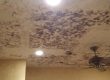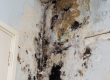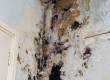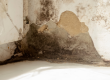
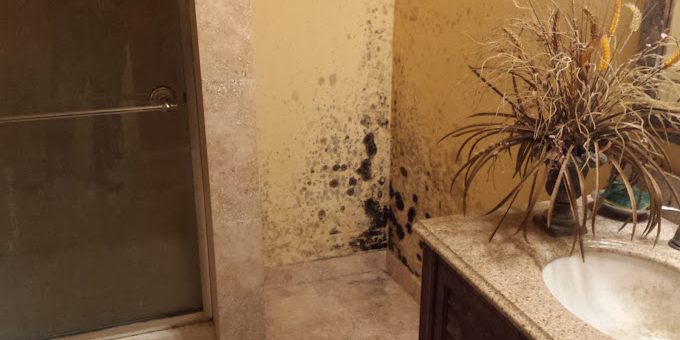
Most people do not realize there is a mold problem in their home until they smell something musty, see a dark stain creeping across a wall, or notice that their allergies are suddenly worse indoors than outside. By the time those signs show up, mold has usually been growing quietly for weeks or months in places that are hard to see: behind baseboards, inside air conditioning systems, beneath flooring, or within wall cavities. A comprehensive mold inspection is designed to catch those hidden issues, reveal the full extent of the contamination, and give homeowners a clear plan to protect both their property and their health.
In a humid coastal climate like Tampa Bay, FL, mold does not need much encouragement. A small roof leak, a poorly ventilated bathroom, or a dripping air handler can create perfect conditions for mold growth. Tampa Bay Mold Testing focuses on comprehensive mold inspection because quick visual checks or DIY test kits rarely tell the whole story. Instead, a thorough inspection looks at the home as a system: how moisture enters, how air moves, where condensation forms, and how all of that might fuel mold colonies that are not yet visible.
Comprehensive mold inspection for healthier homes is not just about finding mold spots and taking samples. It is about understanding why mold is there in the first place and how to stop it from coming back. That means combining professional tools, building science knowledge, and local experience with Tampa Bay’s moisture and weather patterns. The outcome is a detailed picture of your indoor environment and practical steps you can take to make your home cleaner, safer, and more comfortable to live in.
Why Mold Is A Hidden Health Risk
Mold is a natural part of the outdoor environment, but when it gains a foothold indoors, it can create an unhealthy living space. Many families in Tampa Bay notice recurring respiratory issues, headaches, sinus congestion, or fatigue without immediately connecting those symptoms to mold. Because these symptoms can be vague and similar to seasonal allergies or colds, mold-related health problems often go undiagnosed for long periods. A comprehensive mold inspection can help uncover whether the home itself is contributing to these persistent health concerns.
Different types of mold affect people in different ways. Some species produce allergens that irritate the nose, throat, and lungs, while others may release mycotoxins that can be more serious for sensitive individuals. Children, older adults, and people with asthma or compromised immune systems are often the first to feel the impact of poor indoor air quality. When Tampa Bay Mold Testing conducts a comprehensive inspection, the goal is not just to confirm whether mold is present but to understand how widespread it is, what types may be involved, and how it might be affecting the air you breathe every day.
Another health-related concern is that mold often develops alongside bacteria and other microorganisms in damp building materials. A minor plumbing leak inside a wall, for example, may result in mold growth, bacterial contamination, and dust mite activity all at once. This combination can intensify allergic reactions and make indoor air quality significantly worse. By identifying moisture sources and mapping out all affected areas, a detailed mold inspection gives homeowners in Tampa Bay, FL, a way to address the root causes of these health risks rather than just masking the symptoms with air fresheners or over-the-counter allergy medications.
What A Comprehensive Mold Inspection Includes
A truly comprehensive mold inspection is much more than a quick walk-through. It begins with a conversation. An experienced inspector from Tampa Bay Mold Testing will ask about any recent water events, such as roof leaks, plumbing issues, flooding, or past remediation efforts. They will also ask about health complaints, musty odors, and any patterns you have noticed, like symptoms that improve when you leave the home. This background information shapes the inspection strategy and ensures that subtle clues are not overlooked.
Next comes a methodical visual inspection of both obvious and hidden areas. Inspectors will look at ceilings, walls, windows, and baseboards for discoloration, bubbling paint, or warping that might suggest moisture behind the surface. They will check under sinks, around toilets, inside closets, behind furniture, and near air conditioning equipment. In Tampa Bay’s climate, special attention is given to areas where warm, humid air can meet cooler surfaces, such as around vents, in attics, and near exterior walls, because condensation in these zones is a common trigger for mold growth.
In addition to visual inspection, a comprehensive approach often includes tools that reveal what the naked eye cannot see. Moisture meters can detect elevated moisture levels inside walls or under flooring without causing damage. Thermal imaging cameras can show temperature differences that suggest hidden moisture, such as a damp area in insulation or a cold spot from a concealed leak. Air and surface sampling may be used to measure mold spore levels and identify specific species when appropriate. These combined techniques allow Tampa Bay Mold Testing to build a detailed understanding of where mold is, how active it is, and what environmental conditions are supporting it.
Why Tampa Bay Homes Need Extra Attention
Homes in Tampa Bay, FL face unique challenges that make comprehensive mold inspection especially important. The region’s high humidity, frequent storms, and intense heat create a nearly year-round opportunity for mold to thrive. Even well-built homes can struggle if their air conditioning systems are not properly sized, maintained, or balanced, leading to too much moisture in the air or condensation on ducts and vents. These conditions can foster hidden mold growth inside attics, crawlspaces, and HVAC systems.
Many homes in Tampa Bay also rely heavily on air conditioning, with windows and doors closed for much of the year. While this can keep the home cool, it can also trap indoor pollutants, including mold spores, if the ventilation and filtration are not adequate. When mold grows inside air handlers or ductwork, it can spread spores throughout the entire home every time the system runs. A thorough mold inspection that includes HVAC components helps identify whether the system is contributing to poor indoor air quality.
The local pattern of sudden heavy rains and occasional tropical storms adds another layer of risk. Roof leaks, wind-driven rain intrusion, and minor flooding can occur even in homes that have never experienced major water damage. Sometimes the water dries at the surface, but moisture remains inside walls or under flooring where mold can quietly grow. Tampa Bay Mold Testing understands these local conditions and tailors inspections to look for the subtle signs that might be missed by a generic or cursory check.
From Inspection To Actionable Plan
Finding mold is only part of the process; understanding what to do next is just as critical. After a comprehensive inspection, Tampa Bay Mold Testing provides a clear explanation of the findings. This typically includes where mold was found, how extensive the affected areas appear to be, what moisture sources are involved, and whether additional testing or specialized remediation is recommended. Rather than leaving homeowners with technical jargon, the goal is to translate the data into straightforward information you can act on.
For some homes, the results may show minor, localized mold that can be addressed with targeted cleaning and simple moisture control steps, such as fixing a small leak or improving bathroom ventilation. For others, the inspection may reveal more extensive contamination that requires professional mold remediation. In those cases, a detailed inspection report becomes a roadmap for remediators, outlining which areas need containment, what materials may need to be removed, and what underlying moisture issues must be corrected to prevent the problem from returning.
Equally important is the prevention strategy that comes out of a comprehensive inspection. Recommendations may include adjustments to HVAC settings, use of dehumidifiers in specific rooms, improvements to attic or crawlspace ventilation, or changes in daily habits such as how often kitchen and bathroom exhaust fans are used. By connecting inspection findings with practical prevention tips tailored to Tampa Bay’s climate, homeowners gain long-term value instead of just a one-time snapshot of current conditions.
DIY Testing Versus Professional Inspection
With the availability of inexpensive home mold test kits, many people wonder whether a professional inspection is really necessary. While DIY kits can sometimes detect the presence of mold spores, they rarely provide context. Mold spores are present in virtually all indoor and outdoor air, so a positive result from a petri dish does not tell you whether you have a significant indoor contamination or just normal background levels. Without proper sampling techniques and interpretation, these kits can create more confusion than clarity.
A professional inspection by Tampa Bay Mold Testing does more than confirm that mold exists; it focuses on where it is coming from and how serious the situation is. Trained inspectors understand building construction, local climate influences, and air movement patterns that affect mold distribution. They can distinguish between minor, surface-level growth from everyday humidity and deeper structural issues caused by leaks or chronic moisture intrusion. This level of analysis simply is not possible with a basic DIY test.
Another limitation of DIY approaches is that they do not identify moisture sources or hidden problem areas. Even if a homeowner suspects mold in one room and tests that area, they may miss a more significant issue in another part of the house. Professional inspections take a whole-home perspective, using tools like moisture meters and thermal imaging to uncover problems behind walls, under floors, and in attics. When your goal is a healthier home, understanding the full picture is far more valuable than a single, isolated test result. For more information on professional services, you can visit null.
Long-Term Benefits For Your Home
Investing in a comprehensive mold inspection provides benefits that go beyond immediate health concerns. Early detection of moisture and mold problems can prevent more extensive damage to building materials, saving on costly repairs down the line. For example, identifying a slow plumbing leak before it rots out subflooring or framing can significantly reduce structural repair costs. In a region like Tampa Bay, where homes are constantly challenged by moisture, proactive inspections can be an important part of maintaining property value.
Another long-term benefit is improved comfort. When mold and excess humidity are under control, homes tend to smell fresher and feel less stuffy. Air conditioning systems often operate more efficiently when they are not battling high indoor humidity levels or clogged with dust and microbial growth. This can lead to lower energy bills and fewer HVAC service issues. A comprehensive mold inspection helps identify where humidity control may be lacking and what adjustments can make your indoor environment more pleasant year-round.
Finally, there is peace of mind. Many homeowners in Tampa Bay worry about hidden problems they cannot see, especially after storms, roof repairs, or plumbing incidents. Knowing that a trained professional has thoroughly evaluated your home provides reassurance that you are not overlooking a silent issue that could worsen over time. Whether you are staying in your home long-term, preparing to sell, or evaluating a property before purchase, a comprehensive mold inspection by Tampa Bay Mold Testing offers clarity and confidence about the health of the building.
Frequently Asked Questions
How do I know if I need a comprehensive mold inspection? You should consider a comprehensive inspection if you notice persistent musty odors, unexplained health symptoms that improve when you leave the house, visible mold growth, water stains, or have had any leaks, flooding, or HVAC problems. In Tampa Bay, FL, even minor water events can lead to mold because of the high humidity, so if you are unsure, an inspection can provide a clear answer instead of guessing.
What is the difference between a basic check and a comprehensive inspection? A basic check might involve a quick visual look and perhaps a single air sample, which can easily miss hidden problems. A comprehensive inspection, like those performed by Tampa Bay Mold Testing, includes a detailed visual survey, moisture measurements, thermal imaging where appropriate, and strategic sampling when needed. It focuses on locating moisture sources, mapping affected areas, and evaluating the overall indoor environment, not just taking a few samples.
Will a mold inspection tell me exactly how to fix the problem? A thorough inspection will identify where mold is present, what conditions are causing it, and how extensive the problem appears to be. While inspectors typically do not perform remediation themselves, they provide detailed findings and recommendations that remediation professionals can follow. You will receive guidance on moisture control, ventilation improvements, and other steps you can take to help prevent mold from coming back after cleanup.
Is mold testing always necessary, or can you rely on visual inspection alone? In some cases, visible mold and clear moisture sources make laboratory testing less critical for deciding on remediation. However, testing can be very helpful when mold is suspected but not visible, when occupants have health concerns, or when there is a need to document conditions for real estate transactions or insurance. Tampa Bay Mold Testing uses testing strategically, combining it with visual and moisture assessments to give a more complete and accurate picture.
How often should Tampa Bay homeowners schedule mold inspections? There is no universal schedule, but in a climate as humid and storm-prone as Tampa Bay, it is wise to consider an inspection after any significant water event, such as roof leaks, plumbing failures, or flooding. For homeowners with a history of moisture issues or sensitive health conditions in the household, periodic inspections every few years, or when changes are made to the home or HVAC system, can be a smart preventative measure to maintain a healthier indoor environment.