Mold Detection: Techniques and Tools Explained
On a humid August afternoon in St. Petersburg, a local boutique owner called us in a panic. Her staff kept complaining of headaches and musty odors, but there was no visible mold anywhere. Within 48 hours, professional mold testing revealed elevated spore counts in the air and hidden growth behind a wall shared with an aging alley drain. The store reopened safely a week later—but only because the problem was found early.
Stories like this are increasingly common around Tampa Bay. Our warm, damp climate, older building stock, and frequent storms create ideal conditions for mold growth in homes and businesses. According to EPA estimates, up to 50% of buildings in humid regions have a moisture problem at some point—and St. Petersburg is no exception.
This guide walks you through how mold detection really works: the techniques, tools, and strategies professionals use, what they can and can’t tell you, and how to decide when you need a simple check vs. a full Mold Inspection or Mold Testing. You’ll see real examples from right here in St. Petersburg so you can make informed decisions about your property and health.
Key Insight: Effective mold detection is less about “seeing mold” and more about understanding moisture, air movement, and building science—then using the right tools to confirm what’s really happening.
Why Mold Detection Is Different in Humid Coastal Areas Like St. Petersburg
Mold exists everywhere, but coastal cities like St. Petersburg face a perfect storm of risk factors: high humidity, frequent rain, and salt air that can accelerate building wear. That means mold can grow in hidden spaces long before you see a dark spot on a wall.
In our area, we regularly see:
- Condensation issues from poorly balanced HVAC systems
- Wind-driven rain intrusion around windows and stucco cracks
- Hurricane or tropical storm damage that was never fully dried
- Crawlspaces and attics with chronic moisture problems
A property manager in downtown St. Pete recently called about recurring musty odors in a renovated office building. The space looked pristine, but staff complained of sinus irritation. A detailed Indoor Air Quality Testing assessment found elevated Penicillium/Aspergillus spores originating from a damp mechanical room where chilled water lines were sweating onto drywall.
“Most mold problems we see in St. Petersburg start as a moisture management issue, not a cleaning issue.” — Certified Indoor Environmental Professional
Because of our climate, mold detection here must consider:
- Seasonal humidity swings (especially May–October)
- How often windows and doors stay open
- The age and design of HVAC systems
- Past storm or flood history
CALLOUT: In coastal Florida, if you’re only looking for visible mold, you’re already behind. Odors, symptoms, and moisture patterns often tell the story long before stains appear.
Visual Inspection: The Foundation of Any Mold Detection Strategy
Despite all the high-tech tools available today, a thorough visual inspection remains the starting point for any quality Mold Inspection Services. It’s not just “looking around”—it’s a structured process based on industry standards like IICRC S520 and ASTM D7338.
A professional inspector will:
- Walk the entire property, inside and out
- Look for staining, bubbling paint, warped materials, or rusted fasteners
- Check around windows, roofs, plumbing, and foundation areas
- Note any musty odors and where they’re strongest
- Ask about past leaks, renovations, or health complaints
For example, at a 1950s bungalow near Crescent Lake, the homeowner noticed a faint smell only when the AC ran. No visible mold, no recent leaks. During the inspection, we found:
- Slight discoloration at the baseboards in one bedroom
- A subtle “softness” when pressing on the wall
- An older HVAC system with a history of drain line clogs
That was enough to justify more targeted tools—and later testing confirmed hidden mold in the wall cavity behind an improperly insulated AC line.
“A trained eye can spot patterns that most people would overlook—like how a small paint blister lines up with an exterior stucco crack.” — Senior Inspector, Tampa Bay Mold Testing
CALLOUT: Visual inspections don’t just find mold; they identify conditions that lead to mold—giving you a chance to fix problems before they become serious.
Moisture Meters, Thermal Imaging, and Other Non-Invasive Tools
Once an inspector has a working theory based on what they see and smell, they turn to diagnostic tools. These devices help confirm where moisture is present and how far it has spread—without immediately opening walls or ceilings.
Common Non-Invasive Tools
- Moisture meters
Used to measure how much moisture is in building materials like drywall, wood, and tile backer. Pin-type meters penetrate the surface; pinless meters scan more broadly.
- Thermal imaging cameras
Detect temperature differences on surfaces. Cooler areas can indicate moisture, missing insulation, or air leaks.
- Hygrometers and thermo-hygrometers
Measure temperature and relative humidity in the air and inside materials or cavities.
At a condo on Beach Drive with recurring “mildew” on closet shoes, a thermal camera revealed a cooler strip along an exterior wall. A moisture meter then confirmed elevated moisture in the baseboard and drywall. The source? A minor but persistent leak in the building’s exterior envelope, funneled down behind the wall.
Here’s how traditional inspection compares with modern non-invasive tools:
| Approach | What It Does Well | Limitations | Typical Use in St. Petersburg |
|---|---|---|---|
| Visual Inspection Only | Finds obvious damage, visible mold, leaks | Misses hidden moisture and early-stage issues | Very small issues, quick checks |
| Visual + Moisture Meter | Confirms wet materials, tracks spread | Still limited to accessible surfaces | Most residential concerns |
| Visual + Moisture + Thermal | Maps hidden moisture, minimal damage | Requires trained interpretation | Complex or recurring issues |
| Full Suite + Air/Surface Tests | Identifies moisture + mold types/concentration | More time and cost | Health complaints, legal cases |
CALLOUT: Thermal imaging doesn’t “see mold”—it sees temperature differences. It’s a powerful guide, but it must be combined with moisture readings and building knowledge.
In our humid climate, these tools are especially useful for:
- Detecting condensation patterns on chilled water lines and ducts
- Finding roof leaks that only show during heavy storms
- Evaluating balconies, stucco, and flat roofs common in St. Pete construction
Air and Surface Sampling: When and Why Testing Matters
Not every project needs lab analysis, but when it does, accurate Professional Mold Testing can answer questions visual tools can’t—especially about indoor air quality and potential health concerns.
Types of Mold Testing Commonly Used
- Air sampling
Collects airborne spores onto a cassette, later analyzed by a lab. Useful for comparing indoor vs. outdoor levels and identifying hidden issues.
- Surface sampling (tape lifts, swabs)
Identifies what type of mold is present on a specific surface and whether it’s actively growing.
- Bulk sampling
Involves sending pieces of building materials to the lab, often in more serious or complex cases.
A law office near Central Avenue contacted us after several staff members reported respiratory irritation. The building had been flooded during a past storm, but “everything was dried and repainted.” Our Air Quality Monitoring and surface tests showed:
- Elevated Stachybotrys (often called “black mold”) in dust samples behind baseboards
- Indoor spore counts 4–5 times higher than outdoor levels
- Patterns indicating past water damage that hadn’t been fully remediated
“Lab testing doesn’t just give you a mold name; it helps you understand whether the environment is typical, slightly elevated, or clearly problematic.” — Certified Microbial Consultant
CALLOUT: Mold tests should be targeted, not random. The best results come from combining a thorough inspection with strategic sampling in areas most likely to reveal what’s really going on.
Special Situations: HVAC Mold, “Black Mold,” and Commercial Properties
Some mold issues are more complex than a spot on a wall. In St. Petersburg, two situations come up frequently: concerns about “black mold” and contamination in HVAC systems.
HVAC Mold Inspection
Your HVAC system moves air—and potentially spores—throughout your property. A focused HVAC Mold Inspection looks at:
- Air handlers and coils
- Condensate pans and drain lines
- Duct interiors (especially flex duct)
- Filter condition and fit
- Supply and return plenums
A small medical office near 4th Street North struggled with musty odors that got worse when the AC kicked on. Visual inspection found little, but an HVAC-focused evaluation revealed:
- Biofilm growth on the evaporator coil
- A chronically wet drain pan
- Poor filtration allowing dust and spores to accumulate
Targeted cleaning and system adjustments dramatically improved both odor and measured air quality.
“Black Mold” Concerns
Many people use “black mold” to describe any dark growth, but not all dark mold is Stachybotrys, and color alone doesn’t indicate toxicity. What matters is:
- The species present
- How much is there
- Where it’s located (e.g., in living spaces vs. sealed cavities)
- Whether people are experiencing symptoms
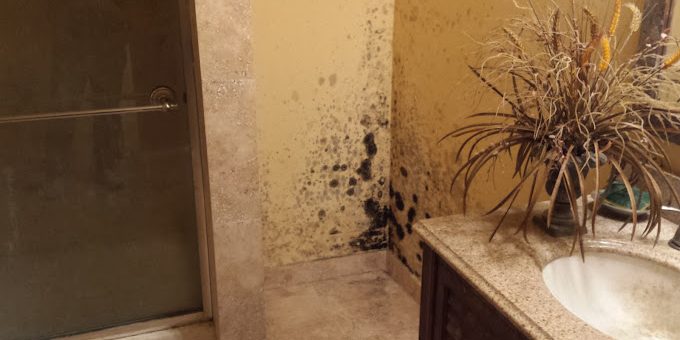
That’s where focused Toxic Mold Testing and Black Mold Inspection come in. In a Kenwood-area rental, a tenant reported black spots on a bathroom ceiling. Surface sampling showed Cladosporium—a common indoor/outdoor mold—linked to poor ventilation, not a major toxic exposure. The owner still needed to remediate and improve exhaust, but the panic level came down once the facts were clear.
Commercial properties—restaurants, offices, retail—add another layer of complexity due to occupancy levels, regulations, and potential liability. Many rely on ongoing Environmental Management Services and periodic Commercial Mold Testing to document safe conditions and respond quickly when issues arise.
Traditional vs. Modern Mold Detection: Cost, Accuracy, and Peace of Mind
Over the past decade, mold detection has shifted from “look and guess” to a more scientific, data-driven process. That doesn’t mean every project needs every tool—but understanding your options helps you choose the right level of assessment.
Here’s a simplified comparison:
| Method / Package | What You Get | Typical Use Case in St. Pete | Relative Cost |
|---|---|---|---|
| Basic Visual Walkthrough | Quick look, verbal feedback, no testing | Pre-purchase walk-throughs, minor concerns | $ |
| Full Mold Inspection | Detailed visual, moisture mapping, report | Suspected leaks, odors, minor symptoms | $$ |
| Inspection + Targeted Air/Surface Tests | Inspection + lab results for key areas | Health complaints, landlord/tenant issues | $$$ |
| Comprehensive IAQ & Mold Assessment | Mold + Environmental Assessment (particles, VOCs, etc.) | Medical sensitivity, legal documentation | $$$$ |
\Relative only; actual pricing varies by property size and complexity.
A homeowner in Shore Acres recently faced this decision. After a minor flood, his contractor said, “It’s dry now, you’re fine.” But with young kids in the house, he wanted more certainty. We explained:
- A basic inspection could confirm materials were dry and visually intact.
- Adding air sampling would provide data on airborne spores in main living areas.
- A more comprehensive Residential Mold Testing package would be appropriate only if anyone had ongoing health issues.
He chose inspection plus a couple of strategic air samples—a middle-ground option that gave his family peace of mind without overspending.
“Modern mold detection is about matching the level of assessment to the level of risk—not selling every tool on the truck.” — Environmental Consultant, Tampa Bay Mold Testing
CALLOUT: Ask for options. A reputable firm will explain what each level of assessment includes, what questions it answers, and what might be unnecessary for your situation.
What This Means for Businesses in St. Petersburg
For businesses around St. Petersburg—from Central Avenue restaurants to warehouse operations near the Gandy corridor—mold isn’t just a maintenance issue. It’s a risk factor for health, operations, and reputation.
Here’s why mold detection deserves a place in your risk management plan:
- Employee health and productivity
Poor indoor air quality can lead to headaches, fatigue, and respiratory issues. Even if symptoms are mild, they impact morale and productivity. Proactive Indoor Air Quality Testing can help you spot issues before they become HR problems.
- Customer experience and brand perception
Musty odors in a boutique, gym, or restaurant are noticed immediately—even if customers never say a word. Addressing subtle signs early avoids negative reviews and lost repeat business.
- Regulatory and liability considerations
While there’s no single “mold law” for Florida businesses, OSHA and general duty clauses require employers to provide a safe workplace. Documented Environmental Consulting Services and Mold Detection Services demonstrate due diligence if concerns arise.
- Storm and flood resilience
In a coastal city, storm-related water intrusion is a “when,” not “if.” Having a relationship with an Environmental Consultant Near Me means you can get quick, informed assessments after events—minimizing downtime and secondary damage.
For one St. Pete Beach hotel, annual Environmental Management Services that include periodic moisture checks and spot Home Mold Detection (for condo-style units) helped them catch a slow roof leak in a top-floor corridor. Early detection turned what could have been a multi-floor remediation into a localized repair between guest stays.
In a business climate where staffing is tight and customer expectations are high, keeping your indoor environment healthy is no longer optional. It’s part of being competitive—and responsible—in St. Petersburg’s growing economy.
Frequently Asked Questions
Q: How do I know if I need mold testing or just an inspection?
A: The decision usually comes down to your goals. A thorough Mold Inspection without lab testing can often identify moisture sources, visible growth, and risk areas—enough to guide repairs and remediation. Testing becomes more important when there are health complaints, disputes between tenants and landlords, real estate transactions, or concerns about specific types like “black mold.” In St. Petersburg, where humidity and past storm events are common, many property owners start with an inspection and then add targeted Mold Testing only if the findings or health history justify it. A reputable inspector will explain whether testing will truly add value in your situation.
Q: Are home mold test kits from the hardware store reliable?
A: Home kits can tell you that mold exists, but they rarely answer the questions you actually care about: Is this level typical? Where is it coming from? Is it related to moisture damage? In a humid city like St. Petersburg, those kits almost always grow something because spores are everywhere—even in clean homes. Professional Mold Detection Companies combine on-site inspection, building science, and accredited lab work to interpret results in context. That context is what turns “yes, there’s mold” into a clear plan of action, rather than unnecessary panic or false reassurance.
Q: How much does professional mold detection typically cost in St. Pete?
A: Costs depend on property size, complexity, and whether lab testing is included. A basic inspection for a small condo will be less than a comprehensive Commercial Mold Testing project for a multi-story office. In general, a quality inspection (with moisture mapping and a written report) is often a few hundred dollars, while adding multiple air and surface samples increases the price due to lab fees. For St. Petersburg businesses and homeowners, it’s helpful to think in terms of risk: properties with past water damage, health complaints, or complex HVAC systems benefit most from more detailed assessments and Air Quality Monitoring.
Q: I see black spots on my wall. Does that mean I have toxic black mold?
A: Not necessarily. Many molds can appear dark or black, and color alone doesn’t determine toxicity. Some harmless or common species look similar to the more notorious Stachybotrys chartarum. The key questions are: What species are present, how extensive is the growth, and what moisture problem is feeding it? A focused Black Mold Inspection with surface sampling can identify the mold type, while a full inspection will find and document the moisture source. In St. Petersburg’s climate, even non-toxic molds can cause damage and indoor air issues, so visible growth is always worth addressing promptly.
Q: How often should businesses check for mold or indoor air quality issues?
A: For most St. Petersburg businesses, an annual review of moisture-prone areas and HVAC performance is a good baseline, especially in older buildings or those with flat roofs. High-occupancy spaces—like healthcare facilities, schools, or hospitality venues—often benefit from scheduled Indoor Air Quality Testing every 12–24 months or after any significant water event. Many clients integrate mold and IAQ checks into broader Environmental Management Services, so they’re not reacting to problems but proactively monitoring trends over time.
Q: Can I just clean visible mold myself and skip inspection?
A: For very small areas (think less than 10 square feet) on non-porous surfaces, careful cleaning and improving ventilation may be reasonable as a first step. But recurring growth, musty odors, or any history of leaks suggest a deeper problem. In St. Petersburg, we frequently see DIY cleanups that address the surface but not the underlying moisture source—leading to bigger and more expensive issues later. A professional Home Mold Detection or inspection helps ensure you’re not just “wiping away the symptom” while the cause continues behind the scenes.
Q: What’s the difference between a general contractor and an environmental consultant for mold issues?
A: Contractors are essential for repairs and remediation, but they’re not always trained in building science, sampling protocols, or interpreting lab data. An Environmental Consultant Near Me focuses on assessment: identifying sources, designing testing plans, interpreting results, and recommending appropriate scopes of work. In many St. Petersburg projects, especially where liability or health concerns exist, we act as an independent third party—providing Environmental Consulting Services that help owners choose the right remediation approach and verify that work was successful.
Ready to Get Started?
Mold problems rarely get better on their own—especially in a warm, humid city like St. Petersburg. The longer moisture and hidden growth linger, the more they can affect your building materials, indoor air quality, and the people who live or work in your space.
Right now is an ideal time to act. Our drier months are perfect for baseline Mold Detection Services and Indoor Air Quality Testing, while wetter seasons demand fast, informed responses to leaks and storm events. Whether you’re dealing with a specific concern—like a musty office, suspicious staining, or tenant complaints—or you simply want a clear picture of your building’s health, a professional assessment can give you answers, not guesswork.
Tampa Bay Mold Testing has deep experience with St. Petersburg’s unique building styles and climate challenges. From bungalows and high-rise condos to retail spaces and medical offices, we know where problems like to hide—and how to find them efficiently.
If you’re ready for clarity and a practical plan, reach out today to schedule an inspection or discuss the right level of Mold Testing Near Me for your situation.
About Tampa Bay Mold Testing
Tampa Bay Mold Testing is a locally focused inspection and testing firm serving St. Petersburg and the greater Tampa Bay area. Our team includes certified mold assessors and indoor environmental professionals with years of experience in residential and commercial properties. We specialize in unbiased Mold Detection Services, Mold Testing, and Indoor Air Quality Testing, following industry standards and best practices. As an independent assessment company, we don’t perform remediation—so our only job is to give you clear, honest information about your environment.