
We spend a lot of time thinking about what we eat, how much we exercise, and the products we put on our bodies. But there’s one health factor most people rarely consider — the air they breathe inside their own homes. Indoor air quality (IAQ) is one of the most overlooked aspects of personal wellness, yet it quietly influences how we feel every single day.
The Hidden Problem You Can’t See
Unlike a leaky faucet or a cracked window, poor indoor air quality is invisible. There’s no obvious sign to alert you, no alarm that goes off. Contaminants like mold spores, dust mite particles, VOCs, carbon monoxide, and fine particulate matter circulate silently through your living spaces, inhaled with every breath you take.
The EPA consistently ranks indoor air pollution among the top five environmental health risks facing Americans. Yet awareness remains surprisingly low. Many people living with chronic headaches, persistent fatigue, unexplained allergy symptoms, or recurring respiratory issues never connect those problems to the air inside their homes — even when their home environment is the direct cause.
Common Sources of Indoor Air Pollution
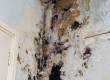
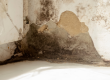
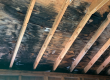
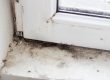
Indoor air pollution doesn’t come from one single source — it accumulates from many. Household cleaning products, air fresheners, and scented candles release VOCs that linger long after use. Carpets, upholstered furniture, and pressed wood products can off-gas formaldehyde for years. Cooking without proper ventilation sends fine particles and combustion byproducts into the air. Bathrooms and kitchens, if poorly ventilated, become breeding grounds for mold and mildew.
In humid climates like Florida, moisture is the accelerant that makes all of these problems worse. High indoor humidity doesn’t just make your home feel uncomfortable — it feeds mold growth, increases dust mite populations, and causes contaminants to concentrate in the air at higher levels.
Who Is Most at Risk?
While poor indoor air quality affects everyone, certain groups face greater health consequences. Children’s developing respiratory systems are particularly vulnerable to airborne pollutants, and early exposure has been linked to the development of asthma and allergies. The elderly, who may spend even more time indoors, face heightened risks from prolonged exposure. Anyone with a pre-existing respiratory condition — asthma, COPD, or chronic bronchitis — will find that poor IAQ worsens their symptoms significantly.
Small Changes, Big Impact
The good news is that improving your indoor air quality is achievable. Ventilate your home daily when outdoor air quality permits. Use exhaust fans in kitchens and bathrooms consistently. Choose low-VOC paints and cleaning products. Keep indoor humidity in the 30–50% range with a dehumidifier or well-maintained air conditioning system. Replace HVAC filters on a regular schedule and have your system professionally serviced each year.
For peace of mind — and a clear picture of what’s actually in your air — professional indoor air quality testing is the most reliable first step.
Your home should be your sanctuary. Make sure the air inside it supports your health, not undermines it.