
Tampa Bay air quality, mold vs. pollen symptoms, and when to consider IAQ testing in Tampa
Spring in Tampa is gorgeous, with warm breezes, blooming landscapes, and golden sunshine. But for millions of residents across the Bay Area, spring also means sneezing, itchy eyes, congestion, and that relentless feeling that something in the air just isn’t right. The question most Tampa allergy sufferers ask themselves every year is the same: Is this pollen, or is it mold?
The answer matters more than you might think. Pollen and mold allergies share many symptoms, but they have different triggers, different peak seasons, and different solutions. And in a city like Tampa, where the subtropical climate creates ideal conditions for *both*, getting to the bottom of your symptoms could make all the difference in how you feel this spring.
Why Tampa Is a Hotbed for Spring Allergens
Tampa’s climate is a double-edged sword. The warm temperatures, high humidity, and extended growing season that make this city so appealing to residents also create a near-perfect environment for airborne allergens.
**Pollen season in Tampa** starts earlier than most of the country — sometimes as early as January — and can stretch well into summer. Oak trees are among the most significant offenders, releasing massive clouds of yellowish pollen each spring. Add to that pine, cedar, grass, and weed pollens, and you have an extended allergy gauntlet that’s hard to escape outdoors.
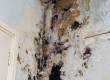
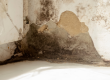
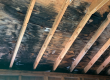
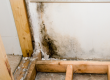
**Mold, on the other hand**, thrives year-round in Tampa’s humidity. After rainfall — and Tampa gets plenty of it — mold spores spike dramatically both outdoors and indoors. Mold grows on fallen leaves, damp soil, mulch, and decaying organic material. It also colonizes indoors wherever moisture accumulates: in bathrooms, around HVAC systems, inside walls, and beneath flooring. Florida’s average indoor relative humidity regularly exceeds the 50–60% threshold where mold begins to flourish.
The result? Many Tampa residents are dealing with *both* pollen and mold simultaneously — and often don’t realize it.
Mold vs. Pollen: How to Tell the Difference
While mold and pollen allergies can look nearly identical on the surface, there are some important clues that can help you distinguish between the two.
Pollen Allergy Symptoms
Pollen allergies typically cause classic “hay fever” symptoms: sneezing fits, a runny or stuffy nose, itchy and watery eyes, and an itchy throat or roof of the mouth. Symptoms tend to be worse outdoors, especially on dry, windy days when pollen counts are high. You’ll often feel better indoors with the windows closed and the AC running, and symptoms tend to follow a seasonal pattern peaking during Tampa’s spring oak and grass pollen seasons (roughly February through May).
Mold Allergy Symptoms
Mold allergy symptoms can be sneakier. They often mirror pollen symptoms but may also include a persistent cough, wheezing, or shortness of breath, especially in people with asthma. Crucially, mold symptoms don’t always improve when you come indoors. If you’re experiencing allergy-like symptoms inside your home, particularly in damp rooms, near air vents, or in older buildings, †mold may be the culprit. Symptoms that seem worse at home than outside, or that persist long after pollen season ends, are a significant red flag.
Other signs that mold exposure may be involved include fatigue and brain fog, headaches, skin irritation, and symptoms that worsen in humid or rainy weather, regardless of the season.
Tampa Air Quality and Pollen Counts
Tampa air quality varies significantly by season and weather conditions. The American Lung Association has historically given Hillsborough County mixed grades for air quality, with particle pollution being a notable concern during certain times of year.
For real-time pollen tracking, resources like the American Academy of Allergy, Asthma & Immunology’s (AAAAI) National Allergy Bureau and Weather.com’s allergy tracker can give you daily pollen counts for the Tampa area. On high-count days, limiting time outdoors during peak pollen hours (typically mid-morning to early afternoon), keeping windows closed, showering after being outside, and running a HEPA air purifier indoors can all help reduce exposure.
Tampa’s air quality is also affected by its geography. Sea breezes from Tampa Bay can help disperse pollutants, but stagnant, humid conditions, particularly in spring and summer, can trap both pollen and mold spores at ground level.
—
## The Indoor Air Quality Factor
Here’s what many Tampa residents don’t fully appreciate: the air *inside* your home may be significantly more polluted than the air outside. The EPA has noted that indoor air can be two to five times more contaminated than outdoor air, and in some cases, even more so
In Tampa’s climate, indoor air quality concerns often include mold and mildew from humidity, dust mites (which thrive in warm, humid environments), volatile organic compounds (VOCs) from building materials and household products, and pet dander. If your HVAC system is not properly maintained, it can circulate all of these contaminants throughout your home.
If you’re struggling with allergy symptoms that don’t respond to typical pollen treatments, or if symptoms seem worse at home, IAQ testing in Tampa is worth serious consideration.
What Is IAQ Testing and When Should You Consider It?
IAQ testing (Indoor Air Quality testing) involves a professional assessment of the air inside your home or workplace. In Tampa, a qualified IAQ specialist can test for mold spore counts, VOCs, particulate matter, carbon dioxide levels, humidity, and other potential contaminants.
**Consider IAQ testing in Tampa if:**
– Your allergy symptoms are persistent and don’t improve with standard treatment
– Symptoms are consistently worse at home than outside
– You’ve recently experienced water damage, flooding, or a roof leak
– Your home has visible mold or a persistent musty odor
– You’ve moved into an older Tampa home or a property that sat vacant
– Family members, especially children, elderly adults, or those with asthma, are experiencing recurring respiratory issues
– Your HVAC system hasn’t been serviced or the ductwork inspected in several years
A professional IAQ test takes the guesswork out of the equation. Rather than assuming your symptoms are seasonal pollen allergies when mold is silently building up in your ductwork or crawl space, IAQ testing gives you real data to act on.
—
## Practical Tips for Reducing Allergy Exposure This Spring
Whether your symptoms are triggered by pollen, mold, or both, these Tampa-specific strategies can help you breathe easier this spring.
**For pollen:** Check daily pollen counts and plan outdoor activities for low-count days or after rain. Keep car and home windows closed during peak season. Change clothes and shower after spending time outdoors. Replace your HVAC filters regularly, at least every 60 90 days, more often during peak season, with MERV-11 or higher filters.
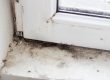
**For mold:** Keep indoor humidity below 50% using your AC or a dehumidifier. Run bathroom exhaust fans during and after showers. Fix any leaks promptly; even small, slow leaks under sinks or around windows can foster significant mold growth. Have your HVAC system and ductwork cleaned and inspected annually. Consider a whole-home air purifier with UV-C light technology, which can reduce airborne mold spores.
**For overall IAQ:** Vacuum with a HEPA-filter vacuum weekly. Minimize clutter and soft furnishings that trap dust. Ensure your crawl space or attic has proper ventilation. And if you haven’t had an IAQ assessment done in your Tampa home, this spring is a great time to start.
—
## When to See a Doctor
If your symptoms are significantly affecting your quality of life, see an allergist. Allergy testing can confirm exactly what you’re reacting to — and there’s a meaningful difference in how you’d manage a confirmed pollen allergy versus a mold allergy. Immunotherapy (allergy shots or sublingual drops) can provide long-term relief for both. For mold-related illness, environmental remediation in your home may also be necessary.
—
## The Bottom Line
Spring in Tampa doesn’t have to mean months of misery. Understanding whether pollen, mold, or both are driving your symptoms is the critical first step. When outdoor allergens are to blame, smart avoidance and medication can go a long way. But when indoor air quality is the problem, no amount of antihistamine will fully resolve your symptoms; you need to address the source.
If you suspect your home’s air may be part of the problem, **IAQ testing in Tampa** is the most effective way to know for certain. A healthier indoor environment starts with knowing what you’re breathing, and spring is the perfect time to find out.
—
*Disclaimer: This blog post is intended for informational purposes only and does not constitute medical advice. If you are experiencing persistent allergy symptoms, please consult a qualified healthcare provider or allergist.*