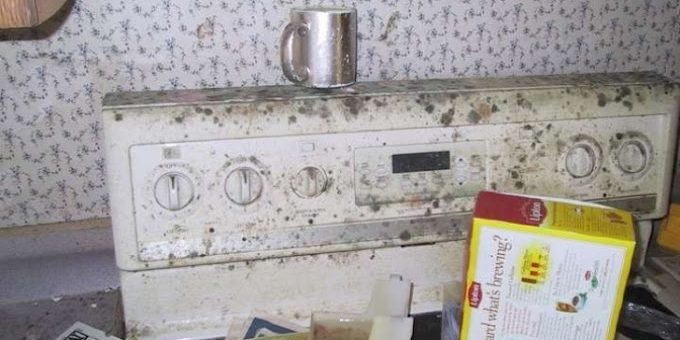
Environmental Factors Contributing to Mold Growth
A summer thunderstorm rolls through St. Petersburg, the kind that dumps inches of rain in under an hour. Your building’s roof drains struggle to keep up, the humidity spikes, and within a week a musty odor creeps into the office. No standing water, no visible leaks—just that smell. That’s how mold problems often begin in Tampa Bay: quietly, in the background, driven by our environment.
In Florida, mold isn’t a rare issue; it’s a constant risk. The CDC notes that mold can start growing in as little as 24–48 hours on damp materials. In a coastal city like St. Petersburg, with humidity routinely above 70% and frequent storms, the conditions are nearly perfect for spores to thrive—indoors and out.
This article breaks down the environmental factors that fuel mold growth, how they play out in real homes and businesses around St. Petersburg, and what you can do to stay ahead of them. You’ll learn how moisture, temperature, ventilation, building design, and even your landscaping contribute to mold—and how professional Mold Inspection Services and Indoor Air Quality Testing fit into a proactive strategy.
Key Insight: Mold growth isn’t random—it’s environmental. If you understand the conditions that mold needs, you can predict where it will appear, prevent it more effectively, and know when it’s time to bring in professional testing and inspection.
Humidity and Moisture: The Fuel Behind Mold in Coastal Florida
Humidity is the single biggest environmental factor driving mold growth in the Tampa Bay area. Mold needs moisture to grow, and in St. Petersburg, moisture is in the air almost year-round.
Why High Humidity Supercharges Mold
- Relative humidity above 60% indoors significantly increases mold risk.
- Florida building codes assume air conditioning, but older buildings often struggle to control humidity.
- Condensation forms on cool surfaces (like ductwork, windows, and tile) when warm, humid air hits them.
“Persistent indoor humidity is like a slow leak you can’t see—it quietly feeds mold behind walls, under flooring, and inside HVAC systems.” — Indoor Environmental Specialist
A Real St. Pete Example
A small law firm in downtown St. Petersburg called about a musty odor and employees complaining of headaches. No visible leaks, no recent flooding. During a Mold Inspection, we found:
- Indoor humidity hovering between 65–70%
- Condensation on supply vents and inside return cavities
- Hidden mold growth on the back of ceiling tiles above a conference room
The cause wasn’t a dramatic water event; it was an oversized air conditioner that cooled too quickly without adequately dehumidifying. Over months, that elevated humidity provided the perfect environment for mold.
Where Moisture Hides
In St. Petersburg buildings, moisture problems often show up in:
- Crawlspaces and slab edges exposed to ground moisture
- Bathrooms without exhaust fans or where fans vent into attics
- Laundry rooms and utility closets
- Poorly insulated cold-water pipes “sweating” in humid air
For properties with recurring issues, Professional Mold Testing and Air Quality Monitoring can identify whether mold spores are elevated and help pinpoint the moisture sources driving the problem.
CALLOUT: Controlling humidity is usually more important than “killing mold.” If moisture remains, mold will return—no matter what product you use.
Temperature, Ventilation, and How Buildings “Breathe”
Mold doesn’t just need moisture; it also thrives in certain temperature ranges and air movement patterns. In a warm, coastal climate, the way your building “breathes” can either protect you or put you at risk.
Temperature: Warm Enough, Long Enough
Most indoor mold species grow best between 68–86°F—exactly the range we maintain in homes and offices. Unlike colder climates where winter temperatures slow mold growth, St. Petersburg’s mild winters mean mold can remain active almost all year.
Common temperature-related issues include:
- Turning off AC in unoccupied vacation rentals or seasonal businesses
- Keeping thermostats too high to “save energy” but allowing humidity to climb
- Warm attics over cool living spaces, creating condensation on ductwork
Ventilation: Fresh Air vs. Uncontrolled Air
Proper ventilation helps control moisture and improve indoor air quality. But in our climate, simply “bringing in outside air” can introduce more humidity if not done thoughtfully.
A local example: A boutique shop near Central Avenue had recurring mold on exterior walls. The owner kept doors propped open for customers, but that allowed humid air inside. When cool air from the AC hit those surfaces, condensation formed, feeding mold behind the paint.
Balanced ventilation (often using mechanical systems) is key:
- Exhaust fans in bathrooms and kitchens that vent outdoors
- Controlled fresh air intake rather than open doors/windows in peak humidity
- Adequate air circulation in closets, storage rooms, and behind large furniture
“Ventilation is about control, not just airflow. In humid climates, unmanaged outside air can make mold problems worse.” — Building Science Consultant
If you suspect ventilation issues, HVAC Mold Inspection and Environmental Assessment can reveal whether your ductwork, returns, or supply pathways are contributing to mold growth.
CALLOUT: If some rooms feel “stuffy” while others are cool and dry, that’s a red flag. Uneven airflow often leads to localized mold hotspots.
Building Materials, Design, and Hidden Mold Reservoirs
Not all materials and building designs handle moisture the same way. Some resist mold; others practically invite it. In a place like St. Petersburg, where buildings must withstand both humidity and storm events, design choices matter.
High-Risk Materials in Humid Climates
Common materials that support mold growth include:
- Paper-faced drywall (especially in bathrooms and near exterior walls)
- Carpet over concrete slabs
- Pressed wood and particleboard in cabinets and furniture
- Acoustic ceiling tiles
- Insulation with paper backing
In one St. Pete condo building, repeated “small” leaks from a neighboring unit’s dishwasher led to chronic mold in the kitchen cabinets below. The particleboard bases wicked up moisture, and because everything looked fine from the front, no one noticed until a tenant reported a strong odor.
Design Features That Trap Moisture
Certain design elements can create hidden mold reservoirs:
- Flat roofs with poor drainage
- Tight building envelopes without proper vapor barriers
- Planter boxes built against exterior walls
- Enclosed balconies converted into living space without proper insulation
In an older home near Old Northeast, a homeowner had persistent mold on an interior wall. A Mold Inspection revealed that a decorative exterior planter was built directly against the wall with no proper waterproofing. Moisture seeped through the block, feeding mold inside the drywall.
Traditional vs. Modern Materials for Mold Resistance
| Material/Approach | Traditional Option | Modern/Mold-Resistant Option | Relative Cost in St. Petersburg | Mold Risk Level |
|---|---|---|---|---|
| Drywall in bathrooms | Standard paper-faced drywall | Fiberglass-faced or mold-resistant board | +10–20% material cost | Much lower |
| Flooring on concrete slabs | Wall-to-wall carpet | Tile, vinyl plank, or sealed concrete | Comparable to slightly higher | Significantly lower |
| Insulation in damp areas | Fiberglass batts with paper | Closed-cell spray foam or rigid foam | Higher upfront cost | Lower, plus energy savings |
| Ceiling tiles in offices | Standard acoustic tiles | Mold-resistant acoustic tiles | +10–15% | Lower |
Working with an Environmental Consultant Near Me or experienced inspector can help you evaluate whether your building materials are contributing to ongoing mold issues.
Water Intrusion: Storms, Plumbing Leaks, and Groundwater
In the Tampa Bay area, water doesn’t just come from the air. It can enter from above, below, and inside the walls. Understanding these pathways is critical to preventing mold.
Storm-Driven Intrusion
St. Petersburg’s rainy season and tropical storms create several vulnerabilities:
- Wind-driven rain forcing water through window frames and door thresholds
- Roof damage or clogged gutters leading to leaks
- Flooding in low-lying areas and poorly graded lots
A restaurant near Beach Drive experienced recurring mold in a back storage room. After multiple “spot cleanings,” we were brought in for Mold Testing and an Environmental Assessment. We discovered:
- A roof drain that overflowed during heavy storms
- Water migrating down an interior chase
- Elevated moisture in wall cavities feeding hidden mold
The fix involved roofing repairs, improved drainage, and targeted remediation—not just cleaning visible surfaces.
Plumbing and Interior Leaks
Slow leaks are especially dangerous because they can go unnoticed for months:
- Pin-hole leaks in copper pipes inside walls
- Loose fittings under sinks
- Overflows from condensate lines on air handlers
- Ice maker and dishwasher supply lines
Because these leaks are often out of sight, Home Mold Detection and Residential Mold Testing can be invaluable when you suspect a problem but can’t see it.
“Most severe mold damage we see in St. Petersburg started with ‘just a small leak’ that no one addressed quickly.” — Tampa Bay Mold Testing Team
Groundwater and Foundation Issues
Some areas of St. Petersburg have high water tables or poor drainage, increasing risk for:
- Moisture wicking through slab foundations
- Damp crawlspaces, especially in older homes
- Efflorescence and mold on lower-level walls
Indoor Sources: Occupant Behavior, HVAC, and Everyday Activities
Even in a perfectly built and well-maintained structure, everyday activities can create micro-environments where mold thrives.
Occupant Behavior and Mold
Common habits that raise mold risk:
- Drying clothes indoors without proper venting
- Blocking supply or return vents with furniture
- Keeping closets tightly packed against exterior walls
- Running humidifiers excessively
In a St. Pete townhouse, a tenant kept storing boxes tightly against an exterior bedroom wall. The combination of poor air circulation and slight temperature differences allowed condensation to form behind the boxes. When they moved out, the owner found extensive mold growth on the wall and cardboard.
HVAC Systems: Help or Hazard?
Your HVAC system is one of the biggest players in mold prevention—or mold spread:
- Dirty coils and pans can grow biofilms and mold
- Clogged condensate drains can overflow into walls or ceilings
- Duct leaks can pull humid air from attics or crawlspaces
- Poorly designed returns can create negative pressure and draw in moisture
A comprehensive HVAC Mold Inspection can identify whether your system is helping control humidity or acting as a mold distribution network.
“An HVAC system in a humid climate must do more than cool—it must dehumidify and drain properly, or you’re inviting mold into every room.” — HVAC and IAQ Specialist
Routine filter changes and annual maintenance are essential, but they don’t replace targeted Indoor Air Quality Testing when you suspect mold contamination.
Monitoring, Testing, and Modern Environmental Management
Environmental factors are complex, especially in coastal cities like St. Petersburg. That’s where modern monitoring and testing strategies come in, helping you move from reactive fixes to proactive management.
Traditional vs. Modern Mold Management
| Aspect | Traditional Approach | Modern/Best Practice in St. Petersburg |
|---|---|---|
| Mold detection | Visual check and odor alone | Visual, moisture mapping, and Mold Testing |
| Air quality | Address only visible issues | Periodic Indoor Air Quality Testing and trend tracking |
| Response to complaints | Treat each complaint separately | Building-wide Environmental Assessment and root-cause analysis |
| Documentation | Minimal or ad hoc | Clear reports, photos, lab results, and recommendations |
| Prevention strategy | “Fix when it appears” | Ongoing Environmental Management Services and monitoring |
Why Testing Matters in a Humid Climate
In a region where outdoor mold levels are naturally high, professional Mold Detection Services help answer critical questions:
- Are indoor spore levels higher than what’s typical outdoors?
- Are moisture indicators present in building materials?
- Is there evidence of specific species associated with water damage or health risks?
For businesses, especially those with sensitive occupants (healthcare, childcare, senior living), Commercial Mold Testing provides documentation that you’ve acted responsibly and followed industry best practices.
“Data-driven decisions are the only way to stay ahead of mold in a high-humidity market like Tampa Bay.” — Environmental Consultant
With ongoing monitoring, you can spot trends—like gradually rising humidity in a particular wing—before they turn into expensive remediation projects.
What This Means for Businesses in St. Petersburg, FL
In St. Petersburg, mold isn’t just a maintenance issue; it’s a business risk. It affects indoor air quality, occupant comfort, health, and even your reputation.
Local Pressures and Expectations
- Tenants and employees are more aware than ever of indoor air quality.
- Coastal storms and insurance requirements are pushing owners to document environmental conditions.
- Competing properties are marketing “healthy buildings” and clean air as differentiators.
If you operate offices near downtown, manage multifamily housing in Kenwood or Old Northeast, or run a retail space along 4th Street, your building is constantly exposed to humidity, storms, and salt air. These environmental factors increase the likelihood of:
- Hidden mold in wall cavities, ceilings, and mechanical rooms
- Recurring “mystery odors” that frustrate tenants and staff
- Complaints about headaches, allergies, or respiratory issues
Proactive steps—like periodic Mold Inspection, targeted Black Mold Inspection in high-risk areas, and routine Air Quality Monitoring—can help you:
- Reduce downtime and disruption from emergency remediation
- Extend the life of finishes and building materials
- Demonstrate due diligence to insurers, regulators, and occupants
For property managers overseeing multiple buildings across St. Petersburg, partnering with a trusted local firm for Environmental Consulting Services can streamline how you handle mold and moisture across your portfolio.
Ultimately, understanding the environmental drivers of mold in our coastal climate allows you to shift from reacting to problems to actively managing risk—and that’s better for your bottom line and for everyone who uses your space.
Frequently Asked Questions
Q: Why does my St. Petersburg building have mold even though I’ve never had a flood?
A: In our climate, you don’t need a dramatic flood to develop mold problems. High humidity, condensation on cool surfaces, and slow plumbing leaks are enough. Mold can start growing within 24–48 hours on damp materials like drywall, carpet, or wood. We often find significant growth in buildings that have “never flooded” but consistently run at 60–70% indoor humidity or have minor, unnoticed leaks. A professional Mold Inspection combined with Indoor Air Quality Testing can help determine whether your issue is humidity-driven, leak-driven, or both.
Q: How do I know if I need mold testing or just a visual inspection?
A: If you see obvious mold growth in a small, isolated area and know the cause (for example, a recent, one-time leak), a focused cleanup may be enough. But if you have musty odors, recurring spots, health complaints, or a history of moisture problems, Mold Testing Near Me can provide valuable data. Testing helps confirm whether mold levels are elevated, identify hidden contamination, and guide the scope of remediation. For businesses and multi-unit properties in St. Petersburg, documented testing is often important for liability and insurance purposes.
Q: Are all molds dangerous, or should I only worry about “black mold”?
A: Not all molds are equally hazardous, and color alone doesn’t determine toxicity. That said, any significant mold growth indoors is a sign of a moisture problem and can affect air quality. Terms like “toxic mold” usually refer to species that can produce mycotoxins under certain conditions. Toxic Mold Testing and Black Mold Detection can identify specific species, but the core principle remains: if mold is growing in your building, it needs to be evaluated and addressed. Focusing only on “black mold” can cause you to overlook other problematic growth.
Q: How often should commercial properties in St. Petersburg test for mold or air quality?
A: Frequency depends on your building type, history, and occupant sensitivity. For standard office or retail spaces with no known issues, a comprehensive Environmental Assessment every few years, plus targeted Commercial Mold Testing after any water event, is a solid baseline. Healthcare, childcare, and senior living facilities may benefit from annual Indoor Air Quality Testing. If your building has a history of leaks or humidity problems, more frequent monitoring can help catch issues early and demonstrate a proactive management approach.
Q: Can I rely on DIY test kits instead of hiring a professional?
A: DIY kits can sometimes tell you that mold spores are present—but spores are present almost everywhere, especially in Florida. The real value lies in interpretation: Are levels elevated compared to normal outdoor air? Are there species associated with building water damage? Where is the moisture source? Mold Detection Companies use calibrated pumps, lab analysis, moisture meters, and building science knowledge to answer those questions. For meaningful decisions about remediation and liability, professional Professional Mold Testing is far more reliable than consumer kits.
Q: How does my HVAC system contribute to mold problems?
A: In humid climates, HVAC systems do more than cool—they manage moisture. If your system is oversized, poorly balanced, or not draining properly, it can leave humidity too high or create condensation in ducts and air handlers. Dust and organic debris on coils and in drip pans can become breeding grounds for mold. A focused HVAC Mold Inspection checks for contamination, drainage issues, duct leaks, and design problems that may be spreading spores. Addressing these issues is critical for long-term control, especially in St. Petersburg’s year-round AC season.
Q: What’s the difference between a general contractor and an environmental consultant for mold issues?
A: General contractors are essential for repairs and reconstruction, but they may not specialize in building science or indoor air quality. An Environmental Consultant Near Me focuses on diagnosing environmental conditions—humidity, air flow, contamination patterns—and developing a remediation and prevention plan. Environmental Consulting Services and Environmental Management Services provide objective testing, documentation, and oversight, often working alongside contractors. This combination helps ensure you’re not just repairing damage, but also fixing the environmental drivers behind the mold.
Ready to Get Started?
Mold thrives on time and inattention. In a coastal city like St. Petersburg, where humidity and storms are part of daily life, waiting until you see visible growth often means a small environmental issue has already become a larger—and more expensive—problem.
Now is the ideal moment to understand your building’s risk profile. If we’re heading into rainy season, a proactive Mold Inspection and Indoor Air Quality Testing can reveal hidden vulnerabilities before the next storm. If you’ve just come through a wet summer, targeted Home Mold Detection or Commercial Mold Testing can confirm whether moisture left any lingering impact.
Tampa Bay Mold Testing offers local expertise, detailed reporting, and a calm, methodical approach. We don’t sell remediation; our role is to give you clear, unbiased information so you can make smart decisions about your property. Whether you manage a single storefront or a portfolio of residential and commercial buildings, we can help you understand the environmental factors at play—and how to control them.
About Tampa Bay Mold Testing
Tampa Bay Mold Testing is a locally owned inspection and testing firm serving St. Petersburg and the greater Tampa Bay area. Our team specializes in Mold Testing, Mold Inspection Services, and Indoor Air Quality Testing for residential, commercial, and institutional clients. With advanced equipment, third-party laboratory analysis, and deep knowledge of Florida’s coastal building challenges, we provide clear, actionable insights—not scare tactics. Learn more about our services and approach at Tampa Bay Mold Testing.