A Facility Manager’s Guide
Indoor Air Quality Lessons from 15 Years of Hospital Inspections
The call came in on a Tuesday afternoon. A medical office building in Tampa—part of a major hospital system—had received patient complaints about respiratory issues and headaches, with a concentration in its oncology infusion center. As the owner of Tampa Bay Mold Testing, I have discovered hidden mold risks in Healthcare Facilities throughout Florida, but this one sent a chill down my spine. Cancer patients receiving chemotherapy were being exposed to something in the environment that was making them feel worse, not better.
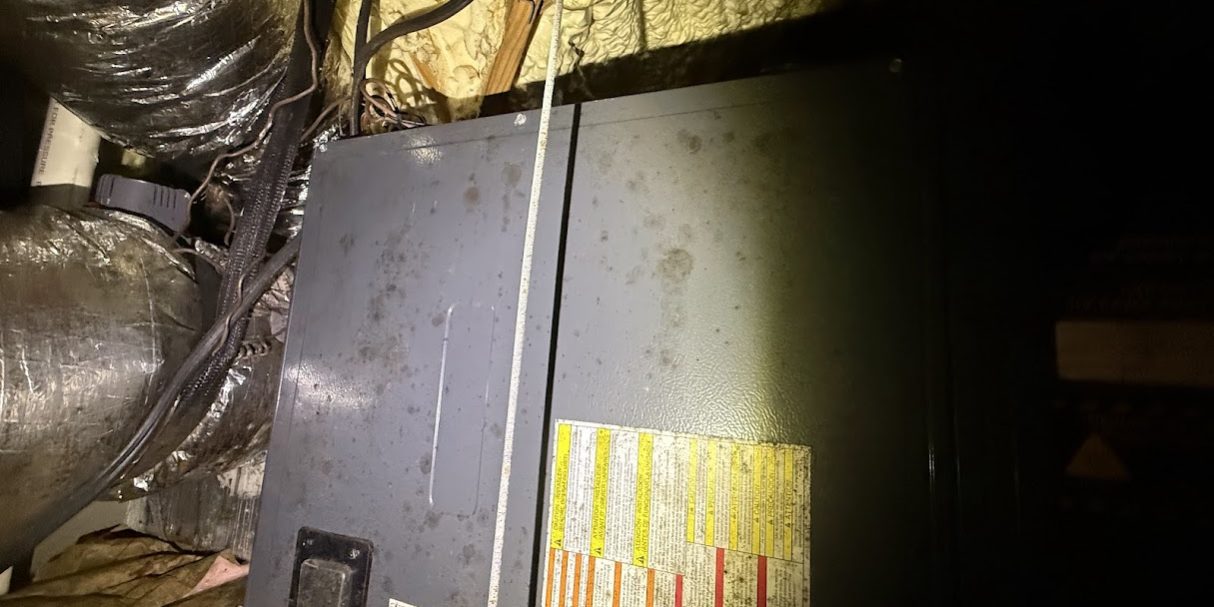
When I arrived and began my assessment, I found what I’ve seen too many times in medical facilities: extensive mold growth in the HVAC system serving the infusion center. The air handling unit’s cooling coils and drain pan had become colonized with Aspergillus—a genus of mold that’s particularly dangerous to immunocompromised patients. Every time the HVAC system ran, it was distributing spores directly into a room full of people whose immune systems were already compromised by cancer treatment.
The facility had passed its most recent Joint Commission inspection. The maintenance logs showed regular filter changes and preventive maintenance. On paper, everything looked fine. But in the dark, damp interior of that air handler—a place nobody had looked at in over two years—conditions had become dangerous.
This case encapsulates what I’ve learned about indoor air quality in healthcare settings: the stakes are immeasurably higher than in any other type of facility, the regulatory framework often misses critical issues, and facility managers often fight this battle without adequate resources or an understanding of the unique risks healthcare environments present.
Why Healthcare Facilities Are Different
In 15 years of conducting mold inspections across Tampa Bay and throughout Florida, I’ve worked in every building type imaginable—offices, schools, warehouses, retail spaces, apartment complexes. But healthcare facilities occupy a category entirely their own when it comes to indoor air quality, and medical facility managers face challenges that their counterparts in other industries simply don’t encounter.
The Vulnerability Factor
Your building occupants aren’t just employees or customers—they’re patients whose health is already compromised. I’ve investigated fungal contamination in neonatal intensive care units where premature infants with undeveloped immune systems were being exposed to airborne mold spores. I’ve found Aspergillus contamination in bone marrow transplant units where patients have essentially no immune system for weeks or months post-transplant. I’ve documented problems in dialysis centers, surgical suites, and long-term care facilities serving elderly populations.
In an office building, elevated mold levels might cause allergic reactions or respiratory irritation in sensitive individuals. In a hospital, those same conditions can cause life-threatening invasive fungal infections in immunocompromised patients. The margin for error is zero.
The Complexity Challenge
Healthcare facilities are among the most complex buildings to operate from an indoor air quality perspective. You have areas that require different ventilation rates and pressure relationships—operating rooms need positive pressure, isolation rooms need negative pressure —and the wrong airflow pattern can spread infection. These specialized requirements are outlined in the CDC Guidelines for Environmental Infection Control, which dictate strict standards for maintaining safe clinical air quality. You have humidity-sensitive equipment alongside areas that require humidity control to maintain patient comfort. You have 24/7 operations that make maintenance windows challenging. You have construction and renovation projects happening in occupied buildings, creating dust and potential contamination that must be meticulously controlled.
I’ve inspected hospitals where a single building contains surgical suites requiring HEPA filtration and 20+ air changes per hour right next to offices that can function with basic commercial HVAC. Managing indoor air quality across these diverse spaces requires specialized knowledge that goes far beyond typical facility management training.
The Florida Amplification Effect
Operating a healthcare facility in Florida adds another layer of challenge. Our climate—hot, humid, and subject to intense weather events—creates perfect conditions for mold growth and moisture problems. During summer months, relative humidity often exceeds 90% outdoors, and HVAC systems must work continuously to maintain appropriate indoor conditions. Hurricane season brings water intrusion risks that can compromise building integrity. The cooling loads on mechanical systems are enormous year-round.
I’ve seen more mold problems in Florida healthcare facilities than in comparable buildings anywhere else I’ve worked. The combination of our climate, aging infrastructure in many facilities, and the constant demand on HVAC systems creates persistent challenges that require constant vigilance.
Healthcare Facility Mold Inspection: What Are the Risks?
When medical facility managers call me, it’s usually because there’s already a visible problem or patient/staff complaints. But some of the most dangerous conditions I’ve documented were completely hidden from daily observation. Here are the patterns I see repeatedly:
HVAC System Contamination
This is the most common and potentially dangerous problem I encounter. Air handling units, particularly cooling coils and condensate drain pans, become colonized with mold because they’re dark, damp environments with organic material (dust and debris) to feed on. In Florida’s climate, condensate production is enormous, and if drain pans don’t drain properly or traps lose their water seal, you have ideal conditions for microbial growth.
I’ve opened air handlers in hospital buildings where the cooling coils were so contaminated with biofilm and fungal growth that they looked like they were covered in fur. These systems were serving patient care areas—operating rooms, recovery rooms, patient floors. The fungi I’ve cultured from these systems include Aspergillus, Penicillium, Cladosporium, and Stachybotrys. In immunocompromised populations, exposure to these organisms isn’t just uncomfortable—it can be deadly.
The challenge is that standard preventive maintenance often doesn’t include opening air handlers and inspecting interiors. Filters get changed, belts get checked, thermostats get calibrated—but nobody looks inside the dark, damp areas where contamination develops. By the time someone does look, the problem has often been distributing spores for months or years.
Water Intrusion in Critical Areas
Florida’s weather patterns create persistent water intrusion challenges. I’ve investigated mold growth in ceiling spaces above surgical suites caused by roof leaks. I’ve found colonization in wall cavities adjacent to neonatal units caused by plumbing leaks that went undetected for months. I’ve documented problems in MRI suites where condensation from chilled water systems created ongoing moisture issues.
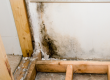
What makes these cases particularly problematic is that the water intrusion often happens in concealed spaces—above ceiling tiles, behind wall finishes, in mechanical chases. Maintenance staff might notice a water-stained ceiling tile and replace it without investigating what’s happening above the ceiling. Meanwhile, mold is colonizing on the back side of ceiling tiles, on insulation, on structural members, and on ductwork.
In one Tampa hospital, I traced a pattern of recurring respiratory infections in a post-surgical ward to extensive mold growth in the ceiling plenum caused by a slow leak in a condensate line that had been dripping for over a year. The leak was so minor that water never made it through the ceiling tiles—it was just enough to keep materials perpetually damp and support ongoing fungal growth. The airborne spore counts in that space were 50 times higher than outdoor levels.
Humidity Control Failures
Maintaining appropriate humidity levels in Florida healthcare facilities is an ongoing battle, and when systems fail to control humidity adequately, mold problems follow. I regularly find facilities where relative humidity in patient care areas exceeds 60% or even 65%—well above the recommended maximum of 50-55% for healthcare settings.
High humidity doesn’t just support mold growth—it creates ideal conditions for bacteria, dust mites, and other biological contaminants. I’ve investigated facilities where vinyl wall covering in patient rooms was bubbling and peeling due to moisture, with mold growing on the wall surface behind the covering. I’ve found mold growth on ceiling tiles, in millwork, on fabric surfaces, and even on paper in file rooms—all driven by inadequate humidity control.
The root causes vary. Sometimes HVAC systems are undersized for Florida’s cooling and dehumidification loads. Sometimes controls aren’t calibrated properly. Sometimes systems are aging and no longer capable of handling the demands placed on them. But the result is the same—elevated humidity that creates conditions for contamination in facilities serving vulnerable populations.
Construction and Renovation Contamination
Healthcare facilities are constantly evolving through renovations, expansions, and updates. When construction happens in occupied facilities, it creates enormous indoor air quality risks if not properly managed. I’ve been called to investigate cases where construction dust migrated into patient care areas, where demolition exposed hidden mold that then contaminated adjacent spaces, and where new construction introduced moisture that led to mold growth.
The challenge is that proper infection control during construction—establishing containment barriers, maintaining appropriate pressure differentials, implementing dust control measures—requires expertise and vigilance that many general contractors don’t possess. I’ve walked through active construction zones in operating hospitals where containment was so inadequate that I could visibly see dust migrating under doors into patient corridors.
One case stands out: a hospital renovation project in the Tampa area exposed a large section of old wall cavity that had hidden mold contamination from a previous water intrusion event. The demolition work aerosolized massive quantities of spores, which spread throughout the floor through the HVAC system before anyone realized what was happening. Four immunocompromised patients on that floor developed serious respiratory infections, and the investigation traced the source back to the renovation project.
The Regulatory Gaps Nobody Talks About
Medical facility managers often assume that if they’re complying with Joint Commission standards, state health department requirements, and other regulatory frameworks, their facilities must be safe from an indoor air quality perspective. After 15 years in this field, I can tell you that assumption is dangerously incorrect.
The regulatory requirements for healthcare facility IAQ are focused primarily on ventilation rates, pressure relationships, and filtration efficiency—all important factors, but not sufficient to ensure healthy indoor environments. What’s missing from most regulatory frameworks:
Regular HVAC Interior Inspection: There’s no requirement to open air handlers and inspect them for microbial contamination. Systems can be distributing mold spores while meeting all code requirements for airflow and filtration.
Humidity Monitoring: While codes specify temperature requirements, there’s often limited focus on humidity control. I’ve seen facilities that maintain perfect temperature compliance while operating at relative humidity levels that support mold growth.
Moisture Intrusion Response: There are no standardized requirements for how quickly water intrusion must be addressed or how thoroughly affected materials must be dried. Facilities can have recurring water problems without triggering regulatory action.
Air Quality Testing: Outside of specific circumstances (like outbreaks of healthcare-associated infections), there’s rarely any requirement for routine air quality assessment. Facilities can have significantly elevated fungal levels without anyone measuring them.
I’ve investigated serious IAQ problems in facilities that had recently passed Joint Commission surveys with flying colors. The regulatory framework catches some problems, but it’s not designed to identify hidden contamination or prevent the types of issues I see most frequently.
This isn’t a criticism of regulators—it’s a recognition that protecting indoor air quality requires going beyond minimum compliance. The medical facility managers who run the safest environments aren’t just meeting regulatory requirements; they’re implementing comprehensive IAQ management programs that address the gaps in the regulatory framework.
What Medical Facility Managers Must Know
Based on what I’ve seen in hundreds of healthcare facility inspections, here’s the knowledge that separates proactive medical facility managers from those who are managing crises:
1. Your HVAC System Is Your First Line of Defense—or Your Biggest Vulnerability
In healthcare settings, your HVAC system doesn’t just provide comfort—it’s a critical infection control system. When it’s clean and functioning properly, it protects vulnerable patients by filtering air, controlling humidity, and maintaining appropriate pressure relationships. When it’s contaminated, it becomes a distribution system for pathogens.Regular healthcare facility mold inspection protocols are the only way to catch bio-films before they reach patient rooms
Don’t rely solely on filter changes and standard PM. Open your air handlers—especially those serving high-risk areas like surgical suites, ICUs, oncology units, and transplant wards—and inspect them quarterly. Look at cooling coils, drain pans, fan housings, and interior surfaces. If you see discoloration, biofilm, or visible growth, that system needs cleaning before it continues serving patient care areas.Implementing a recurring healthcare facility mold inspection schedule is the only way to catch biofilm growth before it affects patient outcomes.
Invest in proper HVAC hygiene. This means ensuring drain pans actually drain, maintaining proper trap water levels, keeping coils clean, and making sure air handling units are tight enough that unconditioned air isn’t infiltrating. In Florida’s climate, this requires constant attention.
2. Water Events in Healthcare Facilities Are Never Minor
Any water intrusion in a healthcare facility deserves an emergency response. The 24-48 hour window for preventing mold growth that applies in other buildings is even more critical in healthcare settings where vulnerable patients are present.
Institute a formal water intrusion protocol: immediate assessment of extent, identification of all affected materials including hidden areas, rapid drying with verification using moisture meters, root cause correction, and documentation. Don’t just replace water-stained ceiling tiles—investigate what’s happening above those tiles and ensure everything is actually dry.
For water events affecting high-risk areas (surgical suites, ICUs, transplant units, neonatal units), consider bringing in a qualified industrial hygienist to assess whether air quality testing is warranted before the area returns to service.
3. Humidity Control Is as Important as Temperature Control
In Florida healthcare facilities, maintaining relative humidity between 30-50% (with 50-55% as the absolute maximum) is critical for preventing mold growth and bacterial colonization. This requires HVAC systems properly sized for our climate, functioning controls, and ongoing monitoring.
Install humidity monitoring in all patient care areas and mechanical spaces. Set alarms for conditions outside the acceptable range. If you’re consistently seeing readings above 55%, your system isn’t adequately controlling humidity and you have elevated risk for contamination.
Remember that humidity control requires both cooling and dehumidification. In Florida, especially during spring and fall when cooling loads are lower but humidity remains high, your systems need to be able to dehumidify without overcooling spaces.
4. Construction and Renovation Require Specialized Infection Control
Any construction or renovation project in an occupied healthcare facility needs an Infection Control Risk Assessment (ICRA) that identifies risks and establishes mitigation measures. This isn’t optional—it’s essential for patient safety.
At minimum, construction containment should include: physical barriers sealed at floor, walls, and ceiling; negative pressure in the work area relative to adjacent occupied spaces; HEPA filtration of air exhausted from the work area; and dust control measures during demolition and material handling. For projects near high-risk patient populations, requirements should be even more stringent.
Don’t assume your general contractor understands healthcare infection control requirements. Many don’t. Consider hiring an infection control specialist to oversee construction activities and verify that containment is properly maintained throughout the project.
5. You Need Specialized Diagnostic Tools and Expertise
Medical facility managers need access to tools and expertise that go beyond standard facility management: moisture meters for verifying materials are dry after water events, thermal imaging cameras for identifying hidden moisture problems, particle counters for verifying room pressurization, and relationships with qualified industrial hygienists and mold inspectors who understand healthcare environments.
When problems arise—unusual odors, patient/staff complaints, visible mold, water intrusion events affecting patient care areas—don’t try to handle everything internally. Bring in specialists who can properly assess the situation and recommend appropriate remediation. The cost of professional assessment is trivial compared to the cost of undetected contamination affecting vulnerable patients.
6. Documentation Protects Your Patients and Your Facility
Comprehensive documentation of IAQ management activities isn’t just good practice—it’s essential for patient safety and liability protection. Document HVAC inspections and cleanings, water intrusion events and responses, humidity monitoring data, construction infection control measures, and any IAQ testing or assessments.
This documentation serves multiple purposes: it helps identify patterns that might indicate systemic problems, it demonstrates due diligence in protecting patient safety, and it provides critical information if healthcare-associated infections are investigated.
| Feature | Standard Commercial | Healthcare (Clinical) |
| Max Humidity | < 60% | 50% – 55% |
| Filtration | MERV 8-11 | MERV 14+ / HEPA |
| Air Changes | 2-4 per hour | 6 – 20+ per hour |
Building a Healthcare IAQ Program That Works
The healthcare facilities in Tampa Bay that don’t call me for emergency investigations have one thing in common: they’ve implemented comprehensive, proactive IAQ management programs. Here’s what those programs include:
Quarterly HVAC Hygiene Inspections
Open air handling units and inspect interior components. Document conditions with photos. Clean any visible contamination immediately. Pay special attention to systems serving high-risk patient populations. Make this inspection part of your standard preventive maintenance program, not something that happens only when there’s a problem.
Continuous Environmental Monitoring
Install temperature and humidity monitoring in patient care areas, mechanical rooms, and other critical spaces. Use systems that provide real-time alerts when conditions drift outside acceptable ranges. Track trends over time to identify seasonal patterns or system performance issues before they become problems.
Rapid Water Intrusion Response Protocol
Establish and train staff on a formal protocol triggered by any water intrusion event. The protocol should specify: immediate notification requirements, assessment procedures, drying and verification requirements, root cause investigation, and documentation standards. Make compliance with this protocol non-negotiable, and track adherence.
Construction Infection Control Oversight
Require ICRAs for all construction and renovation projects. Establish clear infection control requirements in construction contracts. Assign qualified staff to verify that containment measures are properly implemented and maintained. Don’t allow construction to proceed until proper containment is verified.
Routine Building Envelope Assessment
In Florida’s climate, building envelope failures lead to water intrusion and mold growth. Conduct quarterly inspections of roofs, exterior walls, windows, and foundations. Look for signs of water intrusion, deteriorating sealants, drainage problems, and other issues that could compromise building integrity. Address problems proactively rather than waiting for leaks to develop.
Staff Training and Empowerment
Train all facility staff—maintenance technicians, housekeeping staff, and clinical leadership—to recognize potential IAQ problems and report them immediately. Empower staff to escalate concerns without fear of overreacting. Some of the most important early warnings I’ve seen came from housekeeping staff who noticed unusual odors or from nurses who observed patterns in patient symptoms.
Established Professional Relationships
Before you need emergency assistance, establish relationships with qualified professionals: industrial hygienists who specialize in healthcare environments, mold inspection and remediation contractors with healthcare experience, and consultants who can help with ICRA development and construction oversight. When a crisis happens, you want to call people you already know and trust, not search for contractors in a panic.
The Cost of Getting It Wrong
Medical facility managers operate under enormous pressure—regulatory compliance, patient satisfaction, staff concerns, budget constraints, aging infrastructure. It’s tempting to view IAQ management as something that can be addressed reactively, when problems arise.
But the cost of reactive IAQ management in healthcare settings isn’t measured just in dollars—it’s measured in patient outcomes.
I’ve investigated cases where healthcare-associated fungal infections were traced back to contaminated HVAC systems. I’ve seen construction projects shut down mid-work because inadequate infection control allowed contamination to spread to patient care areas. I’ve documented situations where mold problems forced closure of wings or entire facilities for extensive remediation.
The financial costs are staggering—remediation projects often exceeding $1 million, lost revenue from closed units, increased infection rates driving up length of stay and treatment costs. But the human costs are what keep me up at night: immunocompromised patients who developed preventable infections, families who trusted that the healthcare environment was safe, and facility managers who are devastated when they realize a problem that could have been prevented caused patient harm.
One case in particular haunts me. A Tampa-area hospital had a cluster of invasive Aspergillus infections in their hematology unit. The investigation traced the source to extensive contamination in the HVAC system serving that floor. The contamination had been developing for over a year, but because nobody was looking inside those air handlers, it went undetected until patients started getting sick. Three patients died from those infections.
The facility had followed all standard maintenance protocols. They were in regulatory compliance. On paper, they were doing everything right. But they hadn’t implemented the proactive measures needed to identify hidden contamination before it harmed patients.
Could quarterly HVAC inspections have caught that contamination early? Absolutely. Would the cost of those inspections have been justified? When measured against patient lives and the eventual $3 million remediation project, that question answers itself.
Moving Forward: A Commitment to Excellence
After 15 years of investigating IAQ problems in healthcare facilities across Tampa Bay and throughout Florida, I’ve come to understand that medical facility managers carry an enormous responsibility. You’re not just maintaining buildings—you’re stewarding environments that must actively support healing and protect vulnerable populations from additional harm.
The facility managers I respect most are those who recognize that regulatory compliance is the floor, not the ceiling. They understand that protecting indoor air quality requires going beyond minimum standards to implement comprehensive, proactive programs that address the unique risks healthcare environments present.
They open their HVAC systems regularly and aren’t afraid of what they might find. They respond to water intrusion events with urgency appropriate to the setting. They monitor environmental conditions continuously and investigate deviations. They bring in specialists when needed and don’t try to manage complex IAQ issues solely with internal resources. They document everything and learn from every incident.
Most importantly, they never forget that behind every policy, procedure, and maintenance activity are real patients whose health depends on the environments you manage.
If you’re a medical facility manager reading this, here’s my challenge to you: walk through your facility this week with fresh eyes. Open an air handler and look inside. Check humidity levels in patient care areas. Review your water intrusion response procedures. Ask yourself honestly whether your current practices would prevent the problems I’ve described in this article.
If you identify gaps, address them. If you need help, ask for it. If you need additional resources, make the business case to leadership in terms they understand: patient safety, regulatory risk, liability exposure, and the enormous cost difference between prevention and crisis management.
The patients in your care deserve environments that support their healing, not environments that make them sicker. As facility managers, you have both the responsibility and the opportunity to ensure that every breath they take in your building is contributing to their recovery.
That’s not just good facility management. It’s a moral imperative.
###
Tampa Bay Mold Testing
Serving Tampa Bay’s Healthcare Community with Professional Mold Inspection and Indoor Air Quality Assessment Services