Mold Inspection Techniques for Property Owners
If you own property in St. Petersburg, you’re living in one of the most beautiful — and most humid — parts of Florida. That humidity is great for palm trees and sunsets, but it also creates ideal conditions for mold. A University of Florida study has estimated that moisture-related issues affect a significant portion of Florida homes each year, and a large percentage of those problems involve mold growth that goes unnoticed until it becomes costly.
For property owners, that hidden mold isn’t just a nuisance. It can damage drywall, flooring, and HVAC systems, affect tenant or family health, and even impact property value and insurability. Proper mold inspection isn’t about guesswork or just looking for black spots on a wall; it’s a systematic process that blends building science, moisture diagnostics, and targeted Mold Testing.
This guide walks you through the core mold inspection techniques used by professionals, what you can do as a property owner, and how to recognize when it’s time to bring in expert help. You’ll learn how inspections are actually performed, what tools and tests matter, and how to protect your investment in the St. Petersburg climate.
Key Insight: Effective mold inspection is really moisture and building diagnostics first, mold science second. Once you understand that, you can make smarter decisions and avoid costly mistakes.
Understanding How and Where Mold Grows in St. Petersburg Properties
Mold inspection starts with understanding why mold shows up in certain places. In St. Petersburg, the combination of high humidity, warm temperatures, and frequent storms means buildings are constantly challenged by moisture—from the outside and from within.
Mold needs three main things:
- Moisture (liquid water or high humidity)
- A food source (drywall paper, wood, carpeting, dust)
- Time (24–48 hours of damp conditions can be enough)
In practical terms, that means risk areas include:
- Around windows and sliding doors where wind-driven rain intrudes
- Behind baseboards and cabinets on exterior walls
- Attics with inadequate ventilation or roof leaks
- Bathrooms and laundry rooms with poor exhaust
- Inside HVAC systems and ductwork when condensation is uncontrolled
A St. Petersburg landlord we worked with in an older triplex near Crescent Lake kept repainting a “mysterious stain” on a bedroom wall. The real issue? A small, long-term roof leak had wet the wall cavity multiple times a year. By the time we were called, the drywall, insulation, and framing had visible mold growth behind the paint.
“Paint is not a mold solution; it’s often just the cover on a deeper moisture story.” — Building Science Consultant
During a professional Mold Inspection, inspectors follow the moisture. They look for:
- Water stains, bubbling paint, warped trim
- Musty odors in specific rooms or closets
- Condensation on windows or supply vents
- High humidity zones compared to the rest of the building
Understanding these patterns helps you prioritize where to inspect more closely and where to invest in testing, rather than randomly sampling and hoping for answers.
Visual Inspection: More Than Just “Looking Around”
A thorough visual inspection is the foundation of any mold assessment, but it’s far more structured than a quick walk-through with a flashlight. A trained inspector systematically evaluates the building envelope, interior spaces, and mechanical systems, documenting conditions along the way.
A typical visual inspection includes:
- Exterior review: grading, downspouts, rooflines, stucco cracks, and penetrations
- Interior review: ceilings, exterior walls, plumbing penetrations, windowsills
- Mechanical review: air handler, condensate drain, supply and return vents
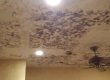
In one St. Petersburg condo near the waterfront, a homeowner was convinced the unit above had a leak. The ceiling showed faint yellowing and occasional musty odor. Visual inspection revealed:
- Slight sagging of the drywall between joists
- Rust marks around a ceiling light fixture
- Discoloration along the AC supply vent
Combined, those clues pointed less to a plumbing leak and more to long-term condensation and poorly insulated ductwork in a hot attic space. That changed the remediation approach—and avoided an unnecessary dispute with the upstairs neighbor.
CALLOUT: A good visual inspection tells a story about how the building is performing. The goal is to identify moisture pathways, not just surface mold.
Key elements of a strong visual inspection:
- Use of bright, directional lighting to catch subtle texture changes
- Careful attention to corners, behind furniture, and inside closets
- Checking under sinks, around tubs, and behind access panels
- Observing occupant behavior (e.g., blocked vents, closed doors, dehumidifier use)
This phase often determines whether advanced tools and Indoor Air Quality Testing are necessary, or whether problems can be addressed through basic building maintenance and humidity control.
Moisture Meters, Infrared Cameras, and Modern Diagnostics
Visual inspection tells you where to look; moisture diagnostics confirm what’s actually wet. Modern mold inspection relies heavily on instruments to detect moisture and temperature differences that the eye can’t see.
Common diagnostic tools include:
- Pin and pinless moisture meters to measure moisture content in drywall, wood, and flooring
- Infrared (thermal) cameras to detect temperature anomalies that can indicate hidden moisture
- Hygrometers to measure relative humidity and temperature in different rooms
In a commercial office space in downtown St. Petersburg, staff complained of recurring musty odors near a conference room. There were no clear stains or visible growth. Using an infrared camera, our team identified a cool, irregular pattern in the wall beneath a window. A moisture meter confirmed elevated readings.
Further investigation revealed a failed window seal allowing wind-driven rain to penetrate the wall cavity during storms. Without those tools, the problem might have been written off as “old building smell” and left to worsen.
“Technology doesn’t replace experience, but it helps uncover what the building is trying to tell you.” — Environmental Inspector, 15+ years
Here’s how traditional “look and guess” compares to modern moisture diagnostics:
| Approach | Traditional Visual Only | Modern Diagnostics (Meters + IR) |
|---|---|---|
| Hidden leak detection | Often missed | Frequently identified early |
| Accuracy of moisture mapping | Rough and subjective | Quantified and documented |
| Documentation for insurance | Limited photos | Photos + readings + thermal images |
| Typical upfront cost (St. Pete) | Lower initial | Slightly higher, but prevents surprises |
| Long-term cost impact | Higher risk of missed damage | Better planning, fewer “hidden” repairs |
These tools are not about “tech for tech’s sake.” They form the evidence base that guides whether you need targeted Residential Mold Testing or more extensive investigation behind walls and floors.
Air and Surface Sampling: When Testing Is (and Isn’t) Worth It
Not every mold inspection requires laboratory testing, but when used appropriately, Air Quality Monitoring and surface sampling can answer specific questions that visual inspection alone cannot.
Common sampling methods:
- Air sampling: Collecting air through a cassette to capture airborne spores for lab analysis
- Surface sampling: Swab or tape lift samples from visible growth or suspect dust
- Cavity or wall-check air samples: Drawing air from inside wall cavities to assess hidden contamination
A St. Petersburg homeowner near Old Northeast called after her child’s asthma worsened. The house looked clean, with no obvious mold growth, but she suspected the air quality. Targeted Indoor Air Quality Testing with air samples in bedrooms and living areas showed elevated spore counts compared to outdoor control samples, including species often associated with water damage.
We traced the issue back to a chronic, slow leak under a bathroom where moisture had affected the subfloor and adjacent wall. Without testing, it would have been easy to dismiss her concerns or blame seasonal allergies.
CALLOUT: Testing should answer a clear question, such as “Is there hidden mold affecting air quality?” or “What type of mold is present on this material?”
Good uses of Professional Mold Testing:
- Confirming whether musty odors relate to elevated airborne spores
- Documenting conditions for landlords/tenants or insurance claims
- Guiding remediation scope by identifying impacted areas
- Verifying that remediation was successful (post-remediation clearance)
Less helpful uses:
- Testing every room “just because” without a hypothesis
- Relying on lab results without correlating them to building conditions
- Panicking over the word “toxic” without understanding dose and exposure
In St. Petersburg’s climate, it’s normal to find some mold spores indoors. Testing is about comparing levels and species, not achieving a sterile environment. That’s where working with experienced Mold Detection Services makes all the difference in interpreting results correctly.
HVAC and Hidden Spaces: Where Problems Love to Hide
Some of the most significant mold issues we see in St. Petersburg never show up on walls or ceilings—they’re tucked away in HVAC systems, attics, and crawlspaces. Because these areas move air or affect building pressure, they can have an outsized impact on indoor conditions.
HVAC Mold Inspection and Air Distribution
Your air conditioning system runs much of the year here. If it’s not draining properly or is oversized, it may not dehumidify effectively. That can lead to:
- Condensation inside supply ducts
- Mold growth on internal components of the air handler
- Dust and spores distributed throughout the home
A property manager overseeing a small commercial building near 4th Street noticed complaints from multiple suites about musty smells when the AC kicked on. A focused HVAC Mold Inspection revealed:
- A clogged condensate line causing overflow into the air handler pan
- Organic dust buildup on coils and blower components
- Insulation inside supply plenums with visible mold growth
By addressing the mechanical issues and cleaning/replacing affected components, complaints dropped significantly, and follow-up air sampling showed improved conditions.
Attics, Crawlspaces, and Behind the Scenes
Attics in older St. Petersburg homes often have:
- Inadequate ventilation
- Past roof leaks
- Exposed wood sheathing with staining or growth
Crawlspaces (where present) can suffer from:
- Ground moisture and poor vapor barriers
- Standing water after heavy rainfall
- Uncontrolled air exchange with living spaces
“Hidden mold doesn’t stay hidden forever—it often shows up in your air quality before it shows up on your walls.” — Indoor Air Quality Specialist
An experienced inspector will:
- Enter the attic (when safe) to check decking, insulation, and ductwork
- Inspect around chimneys, vents, and skylights for past leaks
- Evaluate crawlspace moisture control and ventilation
- Consider whether these areas are contributing to indoor humidity or spore levels
Choosing Between DIY Checks and Professional Mold Inspection
As a property owner, you can and should perform basic moisture and mold checks yourself. But there’s a clear line where bringing in a professional inspection or Toxic Mold Testing becomes the smarter, safer move.
What You Can Do Yourself
- Monitor indoor humidity with inexpensive digital hygrometers
- Look regularly under sinks, around windows, and in closets for musty odors
- Check AC drain lines for clogs and ensure they’re draining outside properly
- Use exhaust fans during showers and cooking, and keep them clean
These simple steps can help you catch early warning signs before they become large problems.
When to Call a Professional
Professional Mold Inspection Services are recommended when:
- You see more than 10 square feet of visible mold
- Multiple occupants are experiencing unexplained respiratory symptoms
- There’s been a significant water event (roof leak, plumbing leak, flood)
- You’re buying or selling property and want a documented assessment
- You suspect hidden mold in walls, ceilings, or HVAC systems
Here’s a quick comparison for St. Petersburg property owners:
| Factor | DIY Checks | Professional Inspection |
|---|---|---|
| Tools available | Flashlight, basic hygrometer | Meters, infrared, pumps, lab analysis |
| Ability to assess hidden areas | Very limited | High, with proper access and equipment |
| Cost upfront | Minimal | Moderate, but often prevents larger costs |
| Use for legal/insurance | Weak documentation | Strong, written report and lab data |
| Peace of mind | Depends on your expertise | Backed by trained, certified professionals |
If you’re searching for “Mold Testing Near Me” in St. Petersburg, focus on companies that combine building science knowledge with clear reporting—not just those selling lab samples.
What This Means for Businesses in St. Petersburg
For local businesses—whether you manage a medical office near Bayfront, a restaurant on Central Avenue, or a small retail space—mold and moisture issues carry both financial and reputational risk.
From an operational standpoint:
- Staff productivity can suffer if employees feel unwell or complain of odors.
- Customers may quietly avoid your space if it “smells damp” or looks poorly maintained.
- Landlords and tenants can end up in disputes if there’s no neutral, documented assessment.
In the St. Petersburg commercial market, where competition is strong and reviews matter, a single post about “musty air” or “moldy smell” in your business can linger online longer than the actual problem.
That’s where structured Environmental Assessment and ongoing Environmental Management Services become part of risk management—not just maintenance. Businesses often benefit from:
- Baseline indoor air quality assessments when leasing or renovating
- Periodic Air Quality Monitoring in sensitive environments (clinics, salons, fitness studios)
- Targeted inspections after storms, roof replacements, or plumbing incidents
A St. Petersburg co-working space we assisted had recurring complaints about “stuffy air” and headaches. Through a combination of visual inspection, moisture diagnostics, and air sampling, we identified:
- Undersized fresh air intake
- High interior humidity during peak occupancy
- Minor but widespread condensation at supply vents
By adjusting HVAC settings, adding dehumidification, and addressing minor insulation issues, they saw a measurable improvement in comfort and a drop in complaints—without major renovation.
For business owners, partnering with a trusted local firm for ongoing Environmental Consulting Services can help you:
- Document that you’ve taken reasonable steps to address indoor air concerns
- Plan capital improvements with moisture and air quality in mind
- Protect your brand and your people in a climate where mold pressure is constant
Frequently Asked Questions
Q: How do I know if I need mold testing or just an inspection?
A: Start with a comprehensive Mold Inspection. A good inspector will evaluate the building, identify moisture sources, and then decide if Mold Testing will answer a specific question—such as whether airborne spores are elevated or what type of mold is on a surface. In many St. Petersburg homes, visible mold under 10 square feet can be handled as a maintenance issue without extensive lab work, as long as the moisture source is addressed. Testing becomes more important when there are health complaints, hidden moisture, complex buildings, or potential legal/insurance needs. Think of testing as a tool, not the starting point.
Q: Are all black molds “toxic,” and should I panic if I see black spots?
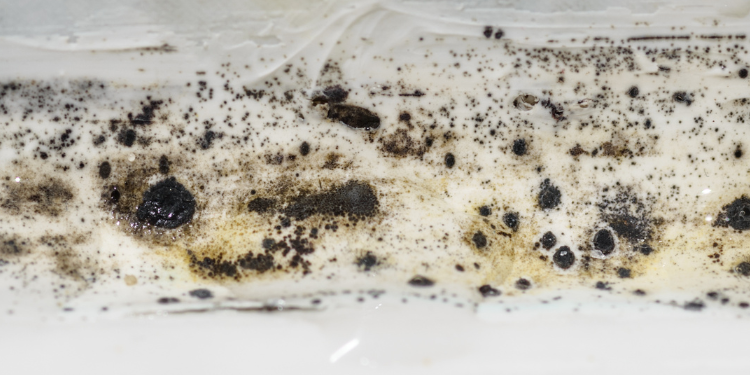
A: Not all black-colored mold is the infamous “toxic black mold.” Many common species appear dark or black but are not necessarily producing dangerous toxins. That said, any visible mold growth indicates a moisture problem that needs attention. A professional Black Mold Inspection can determine the type of mold present and whether Black Mold Detection and lab analysis are warranted. In St. Petersburg’s humid climate, black spots in bathrooms, around AC vents, or on windows often reflect chronic condensation, which should be corrected to prevent further growth and protect indoor air quality.
Q: How much does a professional mold inspection typically cost in St. Petersburg?
A: Costs vary based on property size, complexity, and whether Indoor Air Quality Testing or lab analysis is included. For a typical single-family home, a professional inspection with moisture diagnostics and a written report usually falls in the low-to-mid hundreds. Larger or more complex properties—multi-unit buildings, medical offices, or older coastal structures—may cost more due to additional time and sampling. While DIY options seem cheaper upfront, they often miss hidden issues. A thorough inspection from reputable Mold Detection Companies can prevent much higher repair and remediation costs later.
Q: What’s the difference between a home inspector and a mold inspector?
A: A standard home inspector focuses on overall building systems: structure, roof, electrical, plumbing, and basic signs of moisture. They may note visible mold but typically don’t perform in-depth moisture mapping, Home Mold Detection, or lab-based Residential Mold Testing. A dedicated mold inspector or environmental consultant specializes in moisture dynamics, air quality, and mold behavior. They use specialized tools, can recommend targeted testing, and provide detailed remediation protocols when needed. For St. Petersburg buyers, a home inspection plus a focused mold and moisture assessment offers more complete protection—especially in older or coastal properties.
Q: Can I rely on a dehumidifier and cleaning products instead of an inspection?
A: Dehumidifiers and cleaning agents are helpful tools, but they’re not a substitute for understanding the root cause of moisture. In many St. Petersburg homes, running a dehumidifier can improve comfort and reduce mold risk, but if you have an active leak, failed window flashing, or HVAC design issue, you’re only treating symptoms. Over-the-counter cleaners may remove surface staining but leave underlying growth or moisture problems untouched. If you’re repeatedly cleaning the same spots, noticing musty odors, or dealing with condensation on windows and vents, it’s wise to invest in a professional assessment and, if needed, Toxic Mold Testing to understand the bigger picture.
Q: How often should commercial properties be checked for mold or air quality issues?
A: For most commercial properties in St. Petersburg, an annual moisture and Air Quality Monitoring review is a reasonable baseline, especially for offices, clinics, and multi-tenant buildings. Properties with higher moisture loads—restaurants, gyms, salons, or buildings with past water damage—may benefit from more frequent checks or ongoing Environmental Management Services. It’s also smart to schedule a targeted inspection after major events like roof replacements, plumbing failures, or significant storms. Regular documentation from an experienced Environmental Consultant Near Me helps you demonstrate due diligence and respond quickly if concerns arise.
Q: What should I look for in a mold inspection company?
A: Look for experience, certifications, and a clear, building-science-based approach. In St. Petersburg, you want a firm that understands local construction types, coastal weather, and humidity control. Ask whether they provide written reports, use moisture meters and infrared cameras, and offer unbiased Professional Mold Testing when appropriate. Be cautious of anyone who offers both inspection and remediation under the same roof without clear separation of roles, as that can create a conflict of interest. A strong inspection company focuses on accurate diagnosis and clear recommendations, not selling the biggest cleanup job.
Ready to Get Started?
St. Petersburg’s climate isn’t going to get any drier. Between summer storms, year-round air conditioning, and salty coastal air, your property is under constant moisture pressure. The longer moisture issues go undetected, the more opportunity mold has to grow behind walls, in attics, and through your HVAC system—turning a manageable repair into a major project.
Taking action now means you can:
- Catch small leaks and condensation issues before they spread
- Protect the health and comfort of your family, tenants, staff, or customers
- Document conditions for insurance, real estate, or compliance needs
- Make informed decisions about repairs and renovations, based on data
If you’ve noticed musty odors, unexplained staining, recurring condensation, or health complaints in your St. Petersburg property, this is the right time—not “someday”—to schedule a professional assessment. A structured inspection, paired with targeted Mold Detection Services where needed, can give you clarity and a practical plan of action.
Tampa Bay Mold Testing offers local expertise, detailed reporting, and a calm, methodical approach to solving mold and moisture problems. You don’t have to guess what’s going on inside your walls or your air system—we can help you find out.
About Tampa Bay Mold Testing
Tampa Bay Mold Testing is a locally focused inspection and testing firm serving St. Petersburg and the greater Tampa Bay area. Our team specializes in unbiased Mold Inspection, Mold Testing, and Indoor Air Quality Testing for residential and commercial properties. With years of experience in Florida’s unique climate, we combine industry-standard protocols, advanced diagnostic tools, and clear communication to help property owners make informed decisions. Learn more about our services and approach at Tampa Bay Mold Testing.