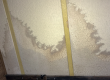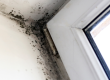
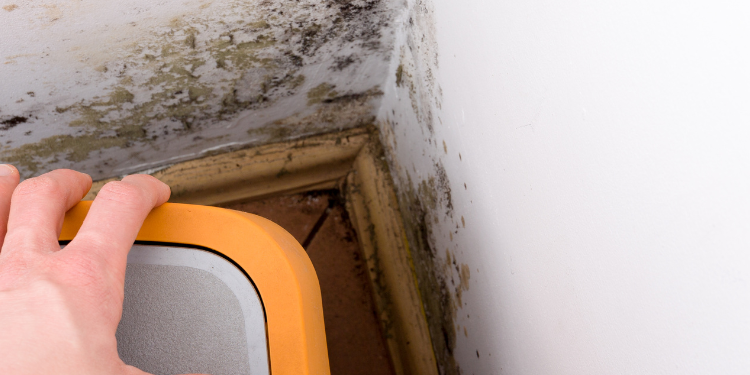
On a quiet afternoon in Tampa Bay, a family opens their windows to let in the sea breeze, assuming the fresh air is enough to keep their home healthy. Yet behind the walls, in the attic, and under the flooring, moisture left by a recent storm has created a hidden habitat where mold thrives. Days turn into weeks, and subtle signs appear: a musty odor in the hallway, a bit of discoloration on the bathroom ceiling, a family member’s lingering cough. What seems like a minor annoyance is actually a signal that the indoor environment is changing in ways they cannot see. Environmental awareness, in this case, means recognizing that the health of our homes and workplaces is as important as the beauty of our beaches and bays.
Environmental awareness through mold testing solutions is about more than just finding mold; it is about understanding how our buildings interact with the climate, humidity, and water around them. In the Tampa Bay region, where heat and moisture are a part of everyday life, mold growth is not a rare occurrence but a constant risk. Professional mold testing translates invisible problems into clear data, giving homeowners, property managers, and businesses a reliable way to evaluate indoor air quality and structural health. When Tampa Bay Mold Testing steps into a property, they are not just looking for stains or surface issues; they are assessing the entire environmental story of that building.
By using targeted mold testing solutions, residents can connect the dots between what they feel, what they smell, and what is actually present in the air and on surfaces. This awareness changes how people think about maintenance, renovations, and even daily habits like ventilation and cleaning. It encourages a proactive mindset where issues are addressed at their source instead of being masked with temporary fixes. Environmental awareness through mold testing becomes a powerful tool, guiding smarter decisions that protect both personal health and the broader ecosystem of Tampa Bay.
Why Mold Testing Matters
Mold is often misunderstood as merely a cosmetic issue, something that can be wiped away with a cleaner and forgotten. In reality, mold is a living organism that reacts to its environment, spreads through microscopic spores, and can affect indoor air quality in subtle but significant ways. Without proper testing, people may only treat what they can see while missing colonies thriving out of sight in HVAC systems, behind drywall, or under flooring. Mold testing reveals the full picture, exposing both visible and hidden contamination so that remediation efforts are precise and effective.
In Tampa Bay, the combination of warm temperatures, frequent storms, and high humidity creates ideal conditions for mold growth. Even well-maintained buildings can develop issues after a roof leak, plumbing failure, or minor flooding event. When moisture is present, mold can begin to grow in as little as 24 to 48 hours. Tampa Bay Mold Testing focuses on identifying not just the presence of mold, but the conditions that allow it to flourish. This environmental approach helps property owners understand that mold is a symptom of a larger problem, such as poor ventilation, water intrusion, or inadequate insulation.
Health is another critical reason mold testing matters. Some individuals are particularly sensitive to mold, experiencing respiratory irritation, headaches, fatigue, or allergic reactions even at relatively low levels of exposure. Children, older adults, and those with asthma or compromised immune systems may be especially vulnerable. By conducting comprehensive mold testing, families and businesses can evaluate indoor air quality and make informed decisions about remediation, cleaning, and long-term prevention. This awareness supports healthier living and working environments throughout Tampa Bay.
Connecting Indoor Spaces To The Environment
It is easy to think of a home or office as separate from the natural environment, but in reality, buildings are part of a larger ecosystem. Outdoor humidity, rainfall, temperature swings, and even proximity to bodies of water all influence indoor conditions. In coastal areas like Tampa Bay, salt air and persistent moisture can gradually impact building materials, creating small vulnerabilities that allow water to seep in. Over time, these vulnerabilities become pathways for mold growth. Mold testing solutions bridge the gap between the indoor space and the environment outside, revealing how they interact.
Tampa Bay Mold Testing uses this environmental perspective to interpret test results within the context of local climate patterns. For example, a spike in certain mold spore counts might appear after a period of heavy rain or a tropical storm. Understanding when and why these changes occur helps homeowners and property managers respond appropriately, whether that means increasing dehumidification, improving drainage, or reinforcing vulnerable areas. This approach goes beyond a simple pass-or-fail mindset and instead offers a nuanced view of how the building is responding to its surroundings.
By connecting indoor mold conditions to outdoor environmental factors, mold testing also encourages better planning and resilience. Property owners can use test results to prioritize upgrades like improved roofing, better insulation, or enhanced ventilation systems. In commercial properties, this might lead to revised maintenance schedules or more frequent inspections after major weather events. Environmental awareness is not just about reacting to problems; it is about anticipating how climate and weather can impact buildings over time, and mold testing is a key piece of that puzzle.
How Professional Mold Testing Works
Many people are surprised to learn how systematic and scientific professional mold testing can be. It begins with a detailed visual inspection, during which specialists from Tampa Bay Mold Testing look for signs of moisture intrusion, condensation, staining, and musty odors. They pay close attention to high-risk areas like bathrooms, kitchens, basements, attics, and around windows or doors. This inspection provides clues about where mold is most likely to be hiding and helps shape a targeted testing strategy tailored to the property’s unique layout and history.
Next, different types of tests may be performed depending on the situation. Air sampling captures airborne spores to assess the quality of indoor air and compare it to outdoor levels, helping determine whether mold growth inside is affecting the breathing environment. Surface sampling can identify the types of mold present on visible growth or suspicious areas. In some cases, cavity or wall checks may be recommended to investigate hidden spaces without causing unnecessary damage. Each sample is carefully collected and sent to a laboratory for analysis, where trained professionals identify mold species and quantify their presence.
Once the laboratory results are in, Tampa Bay Mold Testing interprets the data and explains what it means in practical terms. This includes discussing which types of mold were found, how extensive the issue appears to be, and what environmental factors may be contributing. The findings are translated into clear recommendations, such as targeted remediation, moisture control strategies, or follow-up testing after repairs. This process turns vague concerns into concrete information, empowering property owners to take the right steps rather than guessing or relying on one-size-fits-all solutions.
Environmental Awareness And Health Protection
Environmental awareness through mold testing has a direct impact on health protection. Indoor air is something most people take for granted, yet we spend a large portion of our lives breathing it. When mold spores, fragments, and byproducts accumulate, they can irritate the respiratory system, especially in sensitive individuals. Symptoms such as sneezing, congestion, eye irritation, or worsening asthma may be linked to mold exposure, but without testing, it is difficult to separate these effects from other common triggers. Mold testing provides clarity, showing whether indoor mold levels are elevated and whether specific types associated with health complaints are present.
Tampa Bay Mold Testing helps residents recognize that health and environment are closely intertwined. A leaky pipe behind a wall is not just a plumbing issue; it can be a health concern if it leads to ongoing mold growth. Similarly, chronic humidity in a poorly ventilated room may not seem urgent, but over time it can foster mold that affects indoor air quality. By identifying these environmental conditions early, mold testing supports preventive action that protects families, tenants, and employees. In workplaces, this can translate into fewer complaints about indoor air, better comfort, and potentially reduced absenteeism related to respiratory issues.
For those already dealing with health challenges, mold testing can be a crucial piece of their wellness journey. Healthcare providers sometimes suggest evaluating the home or work environment when symptoms persist without a clear cause. Having professional test results from a trusted local provider gives patients and doctors a factual basis for discussing environmental factors. In this way, mold testing is not only a building service; it is part of a broader approach to living well in the Tampa Bay climate, where moisture management and indoor air quality must be taken seriously.
Sustainability, Prevention, And Long-Term Solutions
Environmental awareness is also about sustainability and long-term thinking. Addressing mold only when it becomes visible and severe often leads to more extensive repairs, higher costs, and unnecessary waste of materials. By contrast, early detection through mold testing allows for targeted, minimal intervention. When Tampa Bay Mold Testing identifies localized moisture problems or small pockets of mold growth, property owners can correct the issue before it spreads, preserving more of the original structure and reducing the need for large-scale demolition and replacement.
Preventive strategies that arise from mold testing results also contribute to sustainability. Improving drainage around a property, sealing building envelopes more effectively, upgrading HVAC systems, and maintaining consistent indoor humidity levels all help reduce the likelihood of future mold problems. These measures not only protect the building but can also improve energy efficiency and comfort. For example, a well-sealed and properly ventilated home can stay cooler in the summer and require less energy to maintain comfortable conditions. Mold testing thus becomes part of a broader effort to create healthier, more efficient living and working spaces.
In a community like Tampa Bay, where environmental stewardship is important for the health of the bay, beaches, and wildlife, sustainable building practices have a broader significance. Addressing hidden moisture and mold issues can reduce the need for harsh chemical treatments and repeated renovations. It encourages mindful use of resources and a focus on long-lasting solutions rather than quick fixes. By integrating mold testing into regular property care, residents and businesses support a culture of resilience and responsibility that benefits both individual properties and the environment as a whole.
Choosing A Local Partner In Tampa Bay
Working with a local specialist like Tampa Bay Mold Testing means partnering with professionals who understand the unique environmental challenges of the region. Local expertise is valuable because climate, typical construction styles, and common sources of moisture problems vary from place to place. A team that regularly works in Tampa Bay neighborhoods, coastal areas, and inland communities develops a keen understanding of where issues tend to arise and how best to address them. This experience leads to more accurate inspections, smarter testing strategies, and recommendations that truly fit the local context.
Communication is another important factor when choosing a mold testing provider. Environmental awareness can be complex, involving technical data and unfamiliar terminology. Tampa Bay Mold Testing emphasizes clear explanations, taking the time to walk clients through what was found, why it matters, and what options exist for resolving any problems. Instead of simply handing over a report, they translate the information into practical guidance. This approach empowers homeowners, property managers, and business owners to make confident decisions without feeling overwhelmed.
Finally, a local partner is invested in the long-term health of the community. Tampa Bay Mold Testing’s work is not just about individual properties; it contributes to a healthier, more resilient region. As more people understand the link between mold, moisture, and environmental conditions, the overall quality of housing and commercial spaces improves. Over time, this collective awareness can reduce the prevalence of severe mold problems and foster a culture where preventive care is the norm. Those interested in learning more or scheduling a professional evaluation can visit null for additional information and contact details.
Frequently Asked Questions
How do I know if I need mold testing? You may need mold testing if you notice persistent musty odors, unexplained staining or discoloration on walls and ceilings, or if occupants experience ongoing respiratory symptoms that seem worse indoors. In Tampa Bay, any history of leaks, flooding, or high humidity issues is a strong reason to consider testing. Even if you cannot see visible mold, professional testing from Tampa Bay Mold Testing can detect hidden problems and evaluate indoor air quality, giving you clarity instead of relying on guesswork.
What types of mold can testing detect? Professional mold testing can identify a wide range of mold species, including common indoor types such as Cladosporium, Penicillium, Aspergillus, and Stachybotrys (often referred to as “black mold”). Laboratory analysis of air and surface samples reveals not only the presence but also the concentration of different molds. This information helps determine whether indoor levels are elevated compared to outdoor air and whether specific types associated with moisture damage or health concerns are present, guiding appropriate remediation and prevention strategies.
Is mold testing necessary if I already see mold? Even when visible mold is present, testing can still be very useful. It helps determine the extent of the problem beyond what you can see and whether the contamination has affected the air you breathe. Testing can also help identify the underlying moisture sources contributing to the growth. Tampa Bay Mold Testing uses test results to design targeted remediation plans and to verify that cleanup efforts were successful, ensuring that both the visible and hidden aspects of the issue have been addressed.
How often should mold testing be done in Tampa Bay? The frequency of mold testing depends on the property’s history and risk factors. For homes or businesses that have experienced water damage, leaks, or flooding, testing should be performed soon after repairs to confirm that conditions are safe. In the humid Tampa Bay climate, properties with ongoing moisture challenges or sensitive occupants may benefit from periodic testing, such as every few years or after major storms. Tampa Bay Mold Testing can help you determine an appropriate schedule based on your specific situation and building type.
What should I do if mold testing finds a problem? If testing reveals elevated mold levels or significant contamination, the next step is to address the source of moisture and develop a remediation plan. This may involve repairing leaks, improving drainage, upgrading ventilation, or using dehumidification to control humidity. Professional remediation may be recommended for larger or more complex issues to ensure safe removal and prevent cross-contamination. After remediation, follow-up testing can confirm that mold levels have returned to normal. By following the guidance provided with your test results, you can restore a healthier indoor environment and reduce the risk of future problems.