How do you really know when that musty smell in your home is harmless… and when it’s a warning sign that you need professional mold detection right now? Many Tampa Bay homeowners assume mold is only a problem when they can see it spreading on walls or ceilings, but by the time visible colonies appear, the underlying issue is often far more advanced. Mold can hide behind drywall, under flooring, inside HVAC systems, and in attics or crawlspaces you rarely inspect. The subtle clues are easy to dismiss as “old house smell,” seasonal allergies, or minor water spots, yet those are often the first signals that something is growing where you cannot see it.
In a warm, humid region like the Tampa Bay area, mold has nearly perfect conditions to thrive year-round. Air conditioners create condensation, storms bring heavy rain, and even small plumbing leaks can feed mold growth in a matter of days. Mold detection services are not just for major disasters or obvious infestations; they are a critical diagnostic tool whenever your home or your health starts sending you quiet, persistent messages that something isn’t right. Tampa Bay Mold Testing specializes in reading those signs with professional tools and training, so you are not left guessing or hoping that a serious problem will simply go away on its own.
Understanding the early signs that you need mold detection services now can protect your property value, your indoor air quality, and your family’s health. Instead of waiting until a stain appears on the ceiling or an odor becomes overwhelming, it is far smarter to respond to the subtle indicators that mold is present somewhere out of sight. Once you know what to look for, you can make an informed decision about when to call in experts like Tampa Bay Mold Testing to perform a thorough inspection and testing.
Persistent Musty Odors
One of the most common early signs that you need mold detection services is a musty, earthy, or “damp basement” smell that never really goes away. Even if you cannot see any mold, your nose may be detecting volatile organic compounds (VOCs) released as mold grows and metabolizes. In Tampa Bay homes, this odor often shows up in closets, bathrooms, laundry rooms, or rooms that stay closed up with poor air circulation. Many homeowners try to mask the smell with candles, air fresheners, or dehumidifiers, but masking the odor does nothing to address the underlying growth.
Musty odors that come and go with the weather are another red flag. If that smell gets stronger after a heavy rain, when the air conditioner is running hard, or when humidity spikes, it can indicate moisture intrusion behind walls, under flooring, or in the attic. Because mold thrives in damp environments, any recurring odor tied to moisture events deserves attention. Professional mold detection can identify whether the source is a roof leak, window leak, plumbing issue, or condensation problem within your HVAC system.
Sometimes the smell is confined to a single area: under a sink, near a water heater, next to an exterior wall, or around an air vent. In those cases, Tampa Bay Mold Testing can use moisture meters, infrared cameras, and targeted air sampling to pinpoint hidden mold sources. Relying on smell alone is risky, because your nose can adapt and “normalize” the odor over time. A third-party inspection gives you objective data instead of guesswork, confirming whether mold is present and how extensive the problem really is.
Unexplained Health Symptoms
Another major sign that it is time for mold detection services is a pattern of unexplained or persistent health symptoms that seem to improve when you leave home. Mold exposure can affect people differently, but common complaints include nasal congestion, sneezing, coughing, sore throat, headaches, eye irritation, and skin rashes. In a humid climate like Tampa Bay, people often blame these symptoms on seasonal allergies, pollen, or general “Florida allergies,” but if the symptoms are worse indoors or when you are in certain rooms, mold may be a hidden contributor.
Individuals with asthma, COPD, or other respiratory conditions can be particularly sensitive to mold spores and fragments. If you or a family member suddenly needs an inhaler more often, experiences nighttime coughing, or has trouble breathing in your own home, that is a serious warning sign. Children, older adults, and anyone with a weakened immune system are also at higher risk of experiencing stronger reactions to mold exposure. In these cases, prompt mold testing is not just about protecting your property; it is about safeguarding vulnerable health.
Even if your doctor cannot pinpoint a specific cause for your ongoing symptoms, they may suggest evaluating your indoor environment. Professional mold detection from a company like Tampa Bay Mold Testing can help you answer important questions: Are mold spore levels elevated in your home compared to outdoors? Is there hidden mold in specific areas, such as the bedroom or home office where you spend the most time? Objective testing results can be shared with your healthcare provider to support a more complete view of your environment and its potential impact on your health.
Recent Water Damage Or Moisture Issues
If your home has experienced any kind of water event, you should assume mold is a possibility and consider mold detection services sooner rather than later. This includes obvious incidents like flooding, roof leaks, burst pipes, or an overflowing washing machine, but also slower leaks from refrigerator lines, AC condensate drains, or under-slab plumbing. In Tampa Bay, tropical storms and heavy rains can drive water into places you may not notice immediately: behind siding, into attics, or under flooring.
Mold can begin to grow in as little as 24–48 hours after materials become wet, especially in warm conditions. Even if you dried visible water and ran fans or dehumidifiers, moisture can remain trapped inside porous materials like drywall, insulation, and wood framing. If the affected area was not professionally dried and monitored with moisture meters, there is a real chance that mold began to grow out of sight. A mold detection specialist can evaluate whether hidden moisture remains and whether mold has already taken hold.
Long-term moisture problems are just as concerning as sudden water events. Recurrent condensation on windows, constantly damp bathroom walls, sweating AC ducts, or high indoor humidity (above about 60%) all create favorable conditions for mold. Tampa Bay Mold Testing can measure humidity, check for hidden dampness in building materials, and collect air or surface samples in areas with a history of moisture. Addressing mold early, before it spreads, can significantly reduce remediation costs and prevent structural damage.
Visible Spots, Stains, Or Discoloration
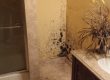
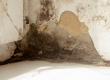
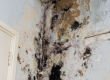
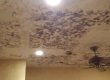
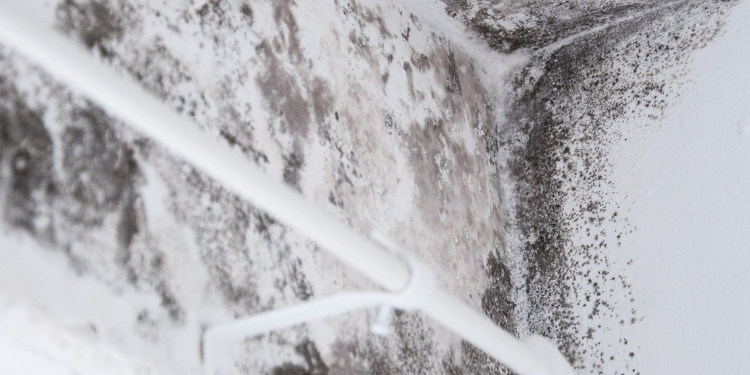
When you start noticing suspicious spots or stains, it is a clear sign that you should not delay mold detection any longer. Not every dark mark is mold, but discoloration on walls, ceilings, baseboards, or around windows often indicates past or ongoing moisture. Yellow, brown, or grayish stains may signal water damage, while black, green, or white fuzzy or speckled patches are more classic mold appearances. In bathrooms, around AC vents, or near plumbing penetrations, even small patches should be taken seriously.
Peeling paint, bubbling drywall, or warped baseboards are related clues that moisture has been present behind the surface. In many Tampa Bay homes, air conditioning runs nearly year-round, and cold surfaces can attract condensation. Over time, this can feed mold growth within walls or above ceilings while only subtle cosmetic changes appear outside. By the time a stain or bubble shows up, the backside of that surface can be heavily colonized.
Some homeowners are tempted to simply paint over stains or scrub visible spots with household cleaners. While this might temporarily improve appearance, it does nothing to address the root cause. Tampa Bay Mold Testing can determine whether what you are seeing is active mold, old staining, or another issue entirely. If testing confirms mold, you will also gain insight into the type and concentration present, which helps guide appropriate remediation and prevention strategies.
HVAC Odors And Dust Issues
Your heating and cooling system can be both a victim and a carrier of mold problems. If you notice a musty or earthy smell when the AC first turns on, or if certain vents blow air that smells different from others, it may indicate mold growth within ducts, on coils, or in the air handler. In a humid region like Tampa Bay, AC systems work hard and naturally produce condensation. If drainage is not perfect or maintenance is neglected, that moisture can create an ideal environment for mold to colonize inside the system.
Excessive dust, visible debris around vents, or dark streaks on or near registers can also be signs of contamination. When mold grows inside HVAC components, spores and fragments can be distributed throughout the home every time the system runs. This can aggravate allergies and respiratory issues, especially in bedrooms where people spend long hours breathing recirculated air. A musty smell that is strongest near vents or returns is a strong indicator that professional evaluation is needed.
Mold detection services tailored to HVAC concerns involve more than just shining a flashlight into a vent. Specialists like Tampa Bay Mold Testing can perform air sampling at supply vents, inspect internal components with specialized tools, and measure humidity and temperature differentials that may be contributing to condensation problems. Identifying mold within the HVAC system early allows you to coordinate proper cleaning, repairs, or system adjustments before the problem spreads further into your living spaces.
Real Estate Transactions And Peace Of Mind
Sometimes the sign that you need mold detection services is not a smell, a stain, or a symptom, but a major life event: buying or selling a home. In competitive markets like the Tampa Bay area, properties can change hands quickly, and not all sellers are fully aware of or disclose past moisture problems. A general home inspection may note visible issues, but it typically does not include detailed mold testing. If you are investing in a property, especially one with a history of leaks, storm damage, or prior “repairs,” mold detection is a smart layer of protection.
For sellers, obtaining mold testing before listing can prevent last-minute surprises that derail a sale or lead to stressful renegotiations. If testing from a reputable company such as Tampa Bay Mold Testing shows that mold levels are normal and no hidden issues are found, you can provide that documentation to reassure potential buyers. If a problem is discovered, you can address it on your own timeline rather than under pressure during closing.
Even outside of real estate transactions, many homeowners seek mold detection simply for peace of mind. Maybe you have young children, an elderly parent living with you, or someone with chronic respiratory issues in the household. Perhaps you have noticed a few minor signs but are not sure how serious they are. In these cases, professional mold testing is less about confirming a disaster and more about establishing a clear baseline for your indoor environment. Knowing where you stand allows you to take proactive steps instead of worrying about what might be lurking behind the walls.
Frequently Asked Questions
How do I know if I need professional mold testing instead of DIY kits? While store-bought kits can seem convenient, they often provide limited and misleading information. They may show that mold is present, but mold spores are almost always present at some level in any home. Professional testing from Tampa Bay Mold Testing compares indoor samples to outdoor levels, identifies specific types of mold, and evaluates where and why growth is occurring. This context is crucial for deciding whether you have a normal background level of spores or a real contamination problem that requires remediation.
Can I rely on smell alone to detect mold in my Tampa Bay home? Odor is an important clue, but it is not a reliable diagnostic tool by itself. Some molds produce strong smells, while others do not, and human noses adapt quickly, so you may stop noticing a chronic odor. Additionally, other issues like bacteria, sewer gases, or old building materials can create musty smells that mimic mold. Professional mold detection uses moisture measurements, visual inspection, and laboratory analysis to determine whether mold growth is actually present and how extensive it is.
Is mold testing necessary after every water leak or storm? Not every small spill or brief leak requires full mold testing, but any event that soaks building materials, lasts more than a day, or affects hidden areas is a candidate for professional evaluation. In the Tampa Bay region, where humidity is high and storms can be intense, it is especially important to ensure that affected areas are fully dried. If you notice lingering dampness, odors, stains, or health symptoms after a water incident, scheduling mold detection with a specialist like Tampa Bay Mold Testing is a wise precaution.
What happens if mold is found during testing? If testing confirms elevated mold levels or visible growth, the next step is to identify the source of moisture and the extent of contamination. A detailed report will typically outline which areas are affected, what types of mold were detected, and recommended actions. These may include moisture repairs, professional mold remediation, HVAC cleaning, or improvements to ventilation and humidity control. Addressing both the mold and the underlying moisture issue is essential to prevent recurrence and protect your home long-term.
How can I schedule mold detection services and learn more? If you recognize any of the signs discussed above in your Tampa Bay home or property, it is wise not to wait. Professional mold detection can turn vague concerns into clear information and actionable steps. To learn more or to schedule an inspection with Tampa Bay Mold Testing, you can visit Tampa Bay Mold Testing for contact details and service information.