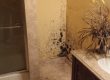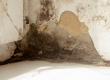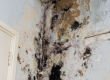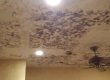
The first hint is often so subtle that it is easy to ignore: a faint musty odor in the hallway, a bit of discoloration creeping along a window frame, or a family member who always seems to have a runny nose at home but feels better when they leave. Weeks pass, and the symptoms become part of the background of daily life. Only when someone develops persistent headaches, coughing, or unexplained fatigue does the question arise: could this be mold, and if so, how serious is it? At that moment, guessing is no longer enough. Reliable mold analysis becomes essential for protecting both the building and the people who spend their time inside it.
In the Tampa Bay area, where humidity, frequent rains, and warm temperatures create ideal conditions for fungal growth, mold is not just an aesthetic problem. It can spread behind walls, under flooring, and in HVAC systems long before obvious patches appear on surfaces. Without accurate information—what types of mold are present, how concentrated they are, and where the moisture is coming from—any cleanup effort is partly a gamble. Reliable mold analysis turns that uncertainty into clear, actionable data, allowing homeowners, property managers, and business owners to make informed decisions rather than expensive guesses.
Reliable mold analysis for healthier environments is not about creating fear; it is about replacing assumptions with evidence. Instead of treating every dark spot as a crisis or dismissing every concern as “just Florida humidity,” professional testing and interpretation provide a balanced, science-based picture of what is actually happening in a space. Tampa Bay Mold Testing focuses on delivering that clarity, helping local residents understand whether they have a minor indoor air quality issue or a serious contamination problem that requires urgent intervention.
Why Mold Analysis Matters
Mold is a natural part of the outdoor environment, but when it grows indoors in high concentrations, it can become a health and structural issue. Many people think mold is obvious and assume they will notice a major problem right away. In reality, much of the most concerning mold growth occurs in hidden areas: inside wall cavities after a roof leak, behind kitchen cabinets after a minor plumbing drip, or within air conditioning ducts where condensation accumulates. Reliable mold analysis is the process that reveals these hidden threats, quantifying contamination levels and identifying specific species that may carry higher health risks.
From a health perspective, mold exposure can affect people in very different ways. Some individuals experience mild allergy-like symptoms, while others develop more serious respiratory problems or chronic sinus irritation. Children, seniors, and anyone with asthma or compromised immune systems may be particularly sensitive. Without analysis, it is nearly impossible to connect recurring symptoms to a particular indoor source. By contrast, when air and surface samples are collected properly and analyzed by accredited laboratories, the results can help medical professionals and property owners understand whether the environment is likely to be contributing to health complaints.
There is also a financial dimension to mold analysis. Unaddressed moisture and mold problems tend to spread, turning a small repair into a major renovation. Insurance companies and contractors often rely on documented testing results to determine the scope of work and verify that remediation has been successful. Tampa Bay Mold Testing provides that documentation in a structured, easy-to-understand format, reducing disputes and helping property owners protect both their investment and their indoor environment.
Understanding Mold In The Tampa Bay Climate
The Tampa Bay region is uniquely prone to mold issues because of its subtropical climate. High humidity, afternoon thunderstorms, and warm temperatures create conditions where mold spores can settle and grow quickly. Even well-maintained homes and offices can develop mold problems after a single roof leak, a poorly sealed window, or an unnoticed air conditioning condensate overflow. When moisture lingers on drywall, wood framing, insulation, or carpet, mold can start colonizing within 24–48 hours.
Another challenge in this region is that many buildings are tightly sealed for energy efficiency. While this is good for controlling air conditioning costs, it can also trap humidity and reduce natural ventilation. When indoor humidity stays above 60 percent, mold has an easier time thriving on dust, paper, fabrics, and other organic materials. Reliable mold analysis in Tampa Bay therefore requires more than simply taking a few air samples; it demands an understanding of building dynamics, ventilation patterns, and common moisture pathways specific to coastal Florida properties.
Local knowledge also matters when interpreting results. Outdoor mold spore levels in Tampa Bay can be seasonally high, especially after heavy rains or during certain times of the year. A professional like Tampa Bay Mold Testing knows how to compare indoor samples to appropriate outdoor baselines and distinguish between normal background levels and elevated concentrations that suggest indoor sources. This context prevents overreaction to harmless conditions and ensures serious issues are not underestimated.
What Reliable Mold Analysis Actually Involves
Reliable mold analysis is far more than waving a gadget around and declaring a home “safe” or “unsafe.” It begins with a careful visual inspection and a detailed conversation with the property owner or occupant. A qualified inspector will ask about past water leaks, flooding events, musty odors, recent renovations, and any health symptoms people have noticed. They will then systematically walk through the property, looking for visible mold, water stains, condensation, and building materials that are particularly vulnerable to moisture.
Based on this initial assessment, the inspector decides which testing methods are appropriate. Common techniques include air sampling, where pumps pull a measured volume of air through collection cassettes; surface sampling with swabs or tape lifts; and sometimes bulk sampling of damaged materials. In some cases, moisture meters and infrared cameras are used to detect hidden dampness behind walls or under flooring. Each method has strengths and limitations, and reliable analysis requires selecting the right combination rather than relying on a single, one-size-fits-all test.
Once samples are collected, they are sent to an independent, accredited laboratory. There, trained analysts examine them under microscopes or use advanced methods to identify mold types and quantify spore concentrations. The lab results are then interpreted in the context of the property’s conditions and occupant concerns. Tampa Bay Mold Testing translates this technical data into clear language, explaining which molds were found, how they compare to outdoor levels, and what the findings likely mean for health and building integrity. This step—professional interpretation—is what turns raw data into practical guidance.
Healthier Environments Through Data-Driven Decisions
The ultimate goal of mold analysis is not simply to produce a report; it is to create a roadmap for a healthier indoor environment. When mold issues are confirmed, the findings help determine the appropriate response. In some cases, the solution may be as straightforward as fixing a small leak, improving ventilation, and cleaning a limited area with proper precautions. In more serious situations, professional remediation may be necessary, including containment, removal of contaminated materials, and thorough cleaning of affected zones.
Reliable analysis helps prioritize actions and avoid unnecessary or ineffective measures. For example, if testing reveals that mold growth is localized to one room with a clear moisture source, it may not be necessary to tear out materials throughout the entire structure. Conversely, if elevated spore counts are found in multiple parts of the building and there are signs of widespread moisture problems, a more comprehensive remediation plan is warranted. In both scenarios, Tampa Bay Mold Testing provides evidence-based recommendations that help owners allocate resources efficiently while still protecting health.
Once remediation is completed, post-remediation verification (sometimes called clearance testing) is a crucial step. This involves a follow-up inspection and additional sampling to confirm that mold levels have returned to normal background ranges and that moisture issues have been corrected. Without this verification, occupants are left to rely on visual impressions alone, which can be misleading. Reliable mold analysis ensures that “clean” truly means clean from an air quality perspective, giving families, tenants, and employees confidence in the spaces where they live and work.
Common Triggers And Warning Signs
Knowing when to call for mold analysis can be just as important as the testing itself. Certain events and conditions should immediately raise a red flag. Any significant water intrusion—such as roof leaks, plumbing failures, flooding from storms, or AC drain line clogs—can create the perfect environment for mold growth if not dried out quickly and thoroughly. Even if surfaces appear dry later, moisture can become trapped behind walls or under flooring, allowing mold to proliferate out of sight.
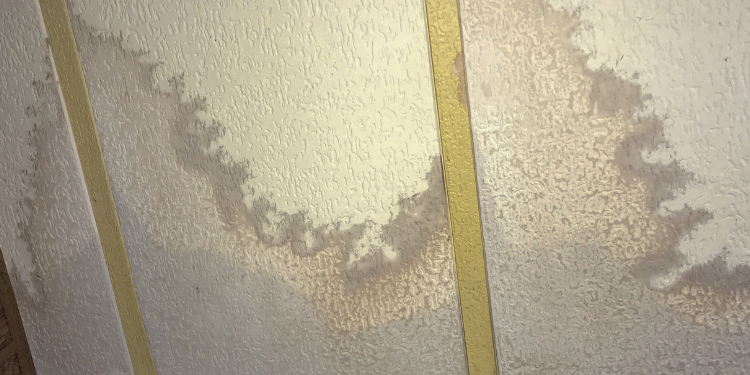
Persistent musty or earthy odors are another strong indicator that mold may be present. These smells often intensify in certain rooms, after rain, or when the air conditioning system runs. Visible discoloration on walls, ceilings, window frames, or around vents should never be dismissed as “just dirt” without closer investigation, particularly in a humid climate like Tampa Bay’s. Peeling paint, warped baseboards, or soft spots in drywall can also be subtle signs that moisture and mold are at work beneath the surface.
Health-related warning signs can be more difficult to recognize, but they are just as important. If multiple people in the same building experience recurring respiratory symptoms, headaches, sinus issues, or unexplained fatigue that improve when they leave the property, environmental factors like mold should be considered. While mold testing cannot diagnose medical conditions, it can help reveal whether the indoor environment is contributing to symptoms. Tampa Bay Mold Testing often works with homeowners who have tried changing cleaning products, filters, and routines without relief, only to discover that a hidden mold issue was the missing piece of the puzzle.
Choosing A Trustworthy Testing Partner
Not all mold testing services are created equal. Some companies primarily focus on selling remediation work and may have an incentive to emphasize worst-case scenarios. Others rely on quick, oversimplified tests that produce impressive-looking numbers but little real insight. When your home, business, and health are at stake, it is essential to work with a provider whose primary commitment is to accurate, unbiased analysis.
A trustworthy mold testing partner should be transparent about their methods, use accredited laboratories, and take the time to explain both the limitations and strengths of different sampling approaches. They should conduct a thorough inspection rather than jumping straight to testing and should tailor their recommendations to the specific property rather than using a generic template. Tampa Bay Mold Testing emphasizes education and communication, helping clients understand what the findings mean in real-world terms rather than relying on fear-based tactics.
It is also wise to look for a company that encourages a separation between testing and remediation. While it is legal for the same company to perform both in some areas, many property owners prefer independent testing to avoid potential conflicts of interest. That way, the results can be trusted as an objective assessment of conditions, and remediation can be planned accordingly. When in doubt, do not hesitate to ask questions about training, experience, equipment, and laboratory partnerships. A reputable provider will welcome those questions and answer them clearly.
Frequently Asked Questions
How do I know if I really need mold testing? You should consider mold testing if you have experienced recent water damage, notice persistent musty odors, see suspicious discoloration on surfaces, or if occupants have recurring respiratory or allergy-like symptoms that seem worse indoors. In Tampa Bay’s humid climate, even small leaks can lead to hidden growth behind walls or under flooring. Reliable mold analysis helps determine whether what you are experiencing is a minor issue that can be handled with simple repairs or a more serious indoor air quality problem requiring professional remediation.
Can I rely on DIY mold test kits from the store? Over-the-counter mold kits may seem convenient, but they rarely provide the context needed to make informed decisions. Most of these kits simply show that mold spores are present, which is almost always true since mold exists naturally in the air. They typically do not measure spore concentrations accurately, compare indoor levels to outdoor baselines, or account for building conditions. Professional testing through a company like Tampa Bay Mold Testing includes a full inspection, targeted sampling, accredited laboratory analysis, and expert interpretation, all of which are essential for meaningful, actionable results.
Is every mold type dangerous to my health? Not every mold species carries the same level of risk, and many are relatively low in toxicity. However, even less harmful molds can trigger allergies and asthma symptoms in sensitive individuals when present in high concentrations. Certain species, often referred to as “toxic molds,” may produce mycotoxins that are associated with more serious health concerns. Reliable mold analysis identifies which types are present and how abundant they are, helping you and your healthcare providers understand whether your environment may be contributing to health problems and what level of response is appropriate.
What happens after mold is found in my home or business? When mold is confirmed, the next step is to address both the contamination and the underlying moisture source. This may involve repairing leaks, improving drainage, adjusting HVAC settings, or upgrading ventilation. Depending on the severity, professional remediation may be recommended to remove affected materials, clean surfaces, and filter the air. After remediation, follow-up testing (clearance testing) verifies that mold levels have returned to normal and that the environment is once again safe for regular use. Tampa Bay Mold Testing can help guide you through this process and coordinate appropriate follow-up.
How can I reduce the risk of mold returning after remediation? Prevention focuses on moisture control and good indoor air management. Keep indoor humidity ideally between 40 and 55 percent by using dehumidifiers or properly sized air conditioning systems, especially during Tampa Bay’s humid months. Promptly repair roof, plumbing, or window leaks, and dry any water intrusion within 24–48 hours. Ensure bathrooms, kitchens, and laundry areas are well ventilated and clean regularly to reduce dust and organic debris that mold feeds on. Periodic inspections and, when needed, targeted testing by professionals like Tampa Bay Mold Testing can catch small issues early, before they become major problems.
To learn more about professional mold analysis and testing services, visit Tampa Bay Mold Testing for additional information and support.