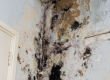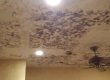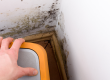
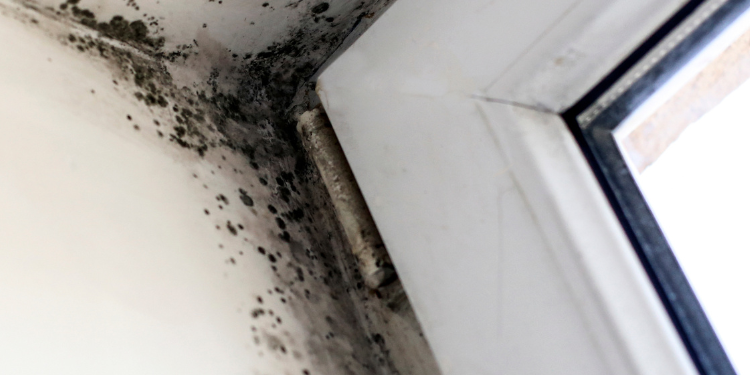
Two days before closing on their first home, a young couple in Tampa Bay decided to schedule a last-minute mold inspection. The house looked immaculate, recently painted, with that “move‑in ready” shine that makes buyers feel safe. But behind one wall in the master bedroom, elevated moisture readings and hidden mold growth told a very different story. What seemed like a dream home could have turned into a nightmare of health issues, repairs, and unexpected expenses. That one decision to bring in a professional mold inspector changed the course of their purchase, gave them leverage in negotiations, and ultimately protected their investment.
Stories like this are far more common than most buyers realize. In the excitement of finding the right property, it is easy to focus on square footage, school zones, and countertops while ignoring what might be quietly growing behind the walls or under the flooring. Mold problems often start small and out of sight, especially in a warm, humid region like the Tampa Bay area. A proper mold inspection does more than just look for visible spots; it uncovers hidden moisture issues, ventilation problems, and conditions that could impact both your health and your wallet long after closing day.
For home buyers, especially in moisture-prone climates, a mold inspection is not a luxury add‑on. It is a strategic tool that helps you make an informed, confident decision about one of the biggest financial commitments of your life. Whether you are a first‑time buyer or a seasoned investor, understanding the benefits of mold inspection – and working with a local specialist such as Tampa Bay Mold Testing – can make the difference between a safe, healthy home and a costly, stressful mistake.
Why Mold Matters When Buying
Mold is not just an aesthetic problem; it is a symptom of underlying moisture issues in a property. When mold is present, it usually means that water has been entering the home through leaks, condensation, plumbing failures, or poor drainage. These moisture pathways can weaken building materials, damage finishes, and, if left untreated, significantly reduce the lifespan of critical components like framing, drywall, and insulation. For a home buyer, that translates into potential structural repairs and renovation costs that may not be obvious during a quick walk‑through.
Health is another major concern. Many people associate mold with allergies, but the impact can go far beyond a few sneezes. Some individuals, especially children, the elderly, and those with asthma or compromised immune systems, may experience respiratory problems, headaches, fatigue, or more serious reactions when exposed to mold spores over time. Buying a home with undetected mold problems means you could be bringing your family into an environment that quietly undermines their well‑being. A professional inspection helps you understand the current mold conditions so you can protect the people who will live there.
In regions like Tampa Bay, the climate itself makes mold more likely to develop. High humidity, frequent rainstorms, and the occasional tropical system create ideal conditions for moisture intrusion and slow drying times. Even homes that appear well maintained can harbor mold in attics, crawlspaces, behind baseboards, or around windows. This is why relying solely on a standard home inspection, which may only note visible issues, can leave buyers exposed. A dedicated mold inspection digs deeper into these climate‑related risks and evaluates whether the property has been properly protected against them.
How Mold Inspections Protect Your Investment
When you purchase a home, you are not just buying walls and a roof; you are taking on the responsibility for every hidden system and surface. Mold inspections provide a clear snapshot of the property’s indoor environmental health before you sign the final paperwork. By identifying current mold growth, moisture sources, and susceptible areas, you gain a realistic picture of what you are actually investing in. This can prevent you from overpaying for a home that will require extensive remediation or repairs after closing.
Another key benefit is risk reduction. Mold problems rarely stay small. Given time, they spread, consume building materials, and can lead to more widespread deterioration. If you move into a home without realizing there is a mold issue, the problem may escalate quickly, turning what could have been a relatively simple fix into a major remediation project. An inspection by a specialist like Tampa Bay Mold Testing can catch these concerns early, allowing you to address them before they spiral out of control or to walk away from a property that poses too much risk.
Long‑term financial planning also comes into play. Knowing the current condition of the property allows you to budget more accurately for future maintenance. If an inspection reveals minor moisture concerns or early‑stage mold growth, you can plan for targeted improvements such as better ventilation, dehumidification, or repairs to specific areas. This proactive approach helps you protect the value of your home over time, rather than being blindsided by sudden, expensive problems that undermine your equity.
Negotiating Power for Home Buyers
One of the most practical benefits of a mold inspection is the leverage it gives you during negotiations. Real estate transactions are often time‑sensitive and emotionally charged, but data changes the conversation. When a professional inspection report documents mold issues and moisture problems, you have factual evidence to bring to the seller. This can justify requests for repairs, remediation, or a price reduction that reflects the cost of addressing the problems uncovered.
In many cases, sellers are unaware of hidden mold issues until the inspection reveals them. Once documented, they are typically motivated to resolve the situation to keep the sale moving forward. This can work in your favor, allowing you to insist on hiring qualified remediation professionals, or to negotiate credits at closing so you can manage the work yourself. Either way, the inspection turns a hidden defect into a point of discussion that you can use to improve the terms of your purchase.
There is also value in clarity. Sometimes buyers fear that discovering mold will automatically derail the deal. In reality, a detailed report from a company like Tampa Bay Mold Testing can actually save a transaction by outlining the scope of the issue and proposing realistic steps to fix it. Instead of vague worries or rumors about “toxic mold,” you have measured findings and expert recommendations. This helps both buyer and seller make rational decisions, reduces surprises, and often leads to better outcomes for everyone involved.
What A Professional Mold Inspection Includes
A thorough mold inspection is far more than a quick glance at walls and ceilings. It typically begins with a detailed visual assessment of the interior and exterior of the property, looking for signs of water intrusion, staining, musty odors, and areas with poor ventilation. Inspectors pay close attention to high‑risk locations such as bathrooms, kitchens, laundry rooms, attics, basements or crawlspaces, and around windows and doors. In the Tampa Bay area, rooflines, stucco exteriors, and HVAC systems also receive focused attention due to regional building styles and climate patterns.
Beyond what the eye can see, professional inspectors use specialized tools to detect hidden moisture and mold. Moisture meters can reveal dampness inside walls or under flooring, even when surfaces feel dry to the touch. Infrared cameras help identify temperature differences that may indicate water intrusion or insulation gaps. Air and surface sampling may be used to measure mold spore levels and identify specific types of mold present, providing additional insight into the severity and nature of the issue.
At the end of the inspection, you should receive a clear, written report describing the findings, including photos, moisture readings, and any test results. Reputable companies like Tampa Bay Mold Testing also explain what those findings mean in practical terms: where moisture is coming from, how extensive the mold problem appears to be, and what steps are recommended to correct it. This documentation becomes a powerful tool for your decision‑making, for negotiations with the seller, and for planning any future remediation or repairs.
Why Tampa Bay Homes Need Extra Attention
Buying in the Tampa Bay region offers many lifestyle advantages, from coastal living to year‑round outdoor activities. However, the same environmental factors that make the area attractive also create ideal conditions for mold growth. High humidity levels, especially in the summer, mean that indoor spaces can trap moisture if they are not properly ventilated or dehumidified. Even homes with air conditioning can experience condensation issues on ducts, windows, and walls if systems are undersized, poorly maintained, or improperly balanced.
Frequent storms and heavy rain can also put building envelopes under constant stress. Roof leaks, window flashing failures, and stucco cracks may allow water to seep into walls and ceilings. In some cases, the damage is immediately visible, but often it remains hidden behind finishes, quietly feeding mold colonies for months or years. Salt air and coastal conditions can further complicate matters by affecting building materials and accelerating wear on exterior components, making regular, thorough inspection even more important.
Local building practices and renovations can introduce additional vulnerabilities. Older homes may have inadequate vapor barriers or outdated insulation, while newer construction might suffer from rushed workmanship or insufficient attention to moisture control. Without a dedicated mold inspection, buyers may not realize how these factors interact with Tampa Bay’s climate. Engaging a local specialist who understands the region’s specific risks means your inspection is tailored to real‑world conditions, not a generic checklist designed for a drier environment.
Choosing The Right Mold Inspection Partner
Not all mold inspections are created equal, and the quality of the inspection directly affects the value you receive as a buyer. When selecting a company, look for inspectors with specific training and experience in mold assessment, not just general home inspection. Ask about their tools, testing methods, and reporting process. A professional outfit such as Tampa Bay Mold Testing should be able to clearly explain what they do, why they do it, and how their findings will help you make an informed purchase decision.
Independence is another important factor. Ideally, your mold inspector should not be the same company that performs any future remediation work, or they should have clear policies to avoid conflicts of interest. This helps ensure that the inspection is focused on accurate assessment, not on selling additional services. Transparent pricing, clear communication, and willingness to answer your questions are all signs that you are working with a company that prioritizes your needs as a buyer.
Finally, consider how well the inspector understands real estate timelines and pressures. Buying a home often involves tight deadlines for inspections and negotiations. A responsive company that can schedule promptly, deliver reports quickly, and coordinate with your agent or other professionals can make the process smoother. With a reliable partner in your corner, a mold inspection becomes an integrated part of your due diligence, rather than a last‑minute hurdle.
Frequently Asked Questions
Do I really need a mold inspection if the home looks clean? Yes. Many significant mold problems are hidden behind walls, under flooring, or in attics and HVAC systems where you cannot see them during a typical showing. Fresh paint, new flooring, or recent renovations can even conceal past water damage temporarily. A professional inspection uses tools and testing methods to detect moisture and mold that are not visible, giving you a more accurate picture of the home’s condition.
Isn’t a standard home inspection enough? A standard home inspection is important, but it is not a substitute for a dedicated mold inspection. Home inspectors primarily evaluate structural, mechanical, and safety components, and they often only note obvious signs of moisture or mold. They typically do not perform detailed moisture mapping, air sampling, or in‑depth indoor air quality assessments. A company focused on mold, such as Tampa Bay Mold Testing, goes further to identify hidden issues and environmental risks that a general inspection may miss.
What happens if mold is found during the inspection? Finding mold does not automatically mean you should walk away from the property. The inspection report will help you understand the extent of the issue, the likely causes, and recommended next steps. You can use this information to negotiate with the seller for proper remediation, request repairs prior to closing, or seek a price adjustment that reflects the cost of addressing the problem. In many cases, mold issues can be successfully resolved when properly managed, allowing the transaction to move forward with greater transparency.
Will mold testing delay my home purchase? Most mold inspections can be scheduled and completed within the standard inspection period specified in your purchase contract. Companies that regularly work with home buyers, like Tampa Bay Mold Testing, understand these time constraints and prioritize prompt reporting. While certain lab tests may take a short time to process, results are usually available quickly enough to inform your decision‑making and negotiations without causing significant delays.
How do I schedule a mold inspection in the Tampa Bay area? Scheduling is typically as simple as a phone call or online request. You will want to provide the property address, size of the home, and the timeframe allowed by your purchase agreement. From there, the inspection company will coordinate an appointment, often working directly with your real estate agent or the seller’s agent for access. For more information about arranging an inspection, you can visit null to get started and ensure your next home purchase is backed by thorough mold evaluation.