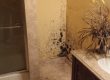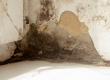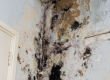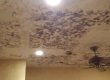
Environmental Mold Testing Benefits for Families
On a humid August afternoon in St. Petersburg, a family in a 1950s bungalow noticed a musty smell every time the air conditioning kicked on. No visible spots, no leaks in sight—just headaches, sneezing, and a child’s asthma acting up. A few weeks later, professional mold testing revealed elevated mold spores hiding in the HVAC system and behind baseboards after years of minor, unnoticed moisture issues.
Stories like this are far more common in the Tampa Bay area than most people realize. With our warm climate and frequent storms, Pinellas County homes create ideal conditions for mold growth. The Florida Department of Health has noted that indoor environmental quality issues—including mold—are a growing concern for families, especially those with children, seniors, or anyone with respiratory issues.
This guide explains how environmental mold testing protects your family’s health, your home, and your peace of mind. You’ll learn what modern testing can reveal, how it compares to DIY methods, what to expect from a professional inspection, and why indoor air quality matters so much in St. Petersburg’s unique climate.
Key Insight: Comprehensive environmental mold testing doesn’t just find mold—it helps you understand what you’re breathing, where moisture problems are hiding, and how to protect your family for the long term.
Why Mold Is a Bigger Issue for Tampa Bay Families Than You Think
St. Petersburg’s charm comes with a catch: heat, humidity, and heavy rain. Those same conditions that make our beaches lush also make our homes vulnerable to hidden moisture and mold growth.
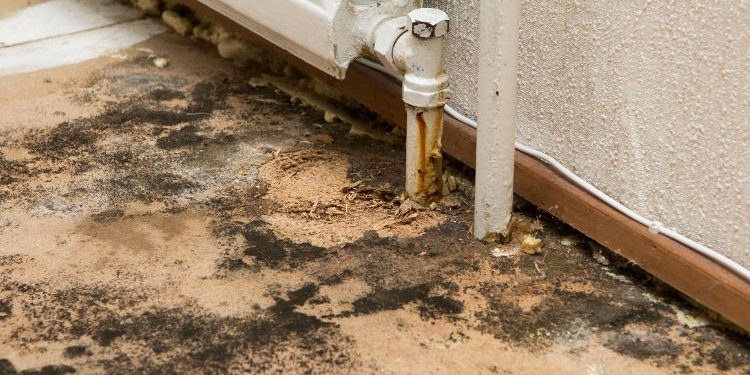
Mold spores are everywhere outdoors, but indoors they can become concentrated and problematic. When moisture from roof leaks, plumbing issues, or condensation lingers, mold can colonize behind walls, under flooring, in attics, or inside HVAC systems. You might not see anything, but your body often notices first.
Common warning signs families report include:
- Persistent musty or “earthy” odors
- Allergy-like symptoms that improve when away from home
- Headaches, fatigue, or brain fog with no obvious cause
- Children’s asthma or respiratory issues flaring inside the house
- Visible spots on walls, ceilings, or around AC vents
A local example: a couple in Northeast St. Pete called after their toddler developed a chronic cough. Their pediatrician suggested looking at the home environment. Through Indoor Air Quality Testing, we found elevated spore counts from a slow, hidden AC condensate leak behind the nursery wall. Fixing the leak and remediating the area significantly improved the child’s symptoms within weeks.
“Most mold problems start as moisture problems. If you manage moisture, you manage mold.” — Indoor Environmental Professional, Florida Building Commission
CALLOUT: If you smell mold but don’t see it, trust your nose. Odor is often the first and only clue that you need a deeper environmental assessment.
What Environmental Mold Testing Actually Measures (And Why It Matters)
Many people think Mold Testing is just “swabbing a spot” or “taking an air sample.” In reality, modern environmental mold testing is much more comprehensive and informative.
A professional assessment typically includes:
- Visual inspection of building materials and moisture-prone areas
- Moisture mapping with meters and infrared cameras
- Air sampling to measure spore concentrations and types
- Surface sampling (tape lifts or swabs) of suspicious areas
- Evaluation of HVAC systems for hidden contamination
The goal isn’t only to confirm mold is present (it almost always is in small amounts) but to determine:
- Are levels elevated compared to normal background?
- Are there water-damage indicator molds present?
- Is there evidence of toxigenic species, such as Stachybotrys (“black mold”)?
- Where is moisture coming from, and is it ongoing?
- What is the likely impact on indoor air quality and health?
For one family in Old Northeast, a detailed Mold Inspection revealed a different problem than they expected. They were worried about a small bathroom spot, but testing showed the real issue was high airborne mold near a poorly ventilated laundry area. Addressing ventilation and a minor leak under the washer solved the bulk of their air quality problem.
CALLOUT: A good environmental assessment doesn’t just tell you “yes or no” on mold; it gives you a roadmap for fixing underlying moisture and air quality issues.
Professional Testing vs. DIY Kits: What St. Pete Families Should Know
Big-box stores sell inexpensive mold test kits, and online ads make them sound like a quick fix. For families watching budgets, it’s tempting. But in a climate like ours, relying on DIY kits can be misleading—and sometimes costly.
Here’s how DIY approaches compare with professional Professional Mold Testing:
| Feature / Factor | DIY Mold Test Kits | Professional Environmental Mold Testing |
|---|---|---|
| Cost (typical in St. Petersburg) | $10–$50 per kit | $300–$800+ depending on scope |
| What you get | Basic lab growth; often no interpretation | Detailed report, interpretation, and recommendations |
| Accuracy & contamination risk | High risk of user error | Controlled sampling methods and chain-of-custody |
| Health relevance | Rarely explained | Contextualized vs. normal background levels |
| Legal / real estate documentation | Usually not accepted | Widely accepted for transactions and remediation planning |
One St. Pete homeowner on Snell Isle tried multiple DIY kits after smelling something musty in a guest room. Each test “grew mold” in the petri dish—something that happens easily in Florida—but offered no clarity on how serious it was or what to do next. After weeks of worry, they called a professional. Air and surface samples pinpointed a small but persistent window leak. Once that was repaired and the affected drywall remediated, the musty odor disappeared.
“Environmental data without interpretation can create more anxiety than answers.” — Certified Indoor Environmental Consultant
CALLOUT: DIY kits can’t replace a full environmental assessment. If you’re making decisions about your family’s health or a major home investment, professional testing is a better value in the long run.
How Mold Testing Protects Children, Seniors, and Sensitive Family Members
Certain family members are more vulnerable to indoor air contaminants: young children, older adults, pregnant women, and anyone with asthma, allergies, or immune issues. For these groups, proactive Air Quality Monitoring can make a noticeable difference in daily life.
Mold exposure doesn’t affect everyone the same way, but common complaints include:
- Worsening asthma or wheezing
- Chronic sinus congestion or infections
- Skin rashes or eye irritation
- Fatigue, headaches, or difficulty concentrating
In one Gulfport duplex, a grandmother raising her grandkids noticed both children used their rescue inhalers more often at home than at school. A residential environmental assessment revealed elevated mold spores and dust from an older, unmaintained HVAC system. Through targeted Residential Mold Testing and HVAC mold inspection, they discovered mold growth on internal components and a clogged drain pan.
After cleaning and treating the system, sealing duct leaks, and adding proper filtration, the family reported fewer asthma flares and better sleep. The testing didn’t just find mold; it helped prioritize which changes would deliver the biggest health benefits.
“Indoor air can be two to five times more polluted than outdoor air, especially in warm, humid regions.” — U.S. Environmental Protection Agency
CALLOUT: For vulnerable family members, environmental mold testing is not a luxury—it’s part of a proactive health strategy.
The Hidden Role of HVAC Systems in Mold and Air Quality
In St. Petersburg, air conditioning runs much of the year. That’s great for comfort, but it also means your HVAC system plays a huge role in indoor air quality—and can become a hidden mold reservoir if not maintained.
Common HVAC-related mold issues include:
- Condensate drain clogs causing standing water
- Dirty or wet insulation inside air handlers
- Duct leaks pulling in humid attic or crawlspace air
- Oversized units that short-cycle and don’t dehumidify properly
A thorough HVAC Mold Inspection often involves:
- Inspecting air handlers, coils, and drain pans
- Examining supply and return vents for visible growth
- Measuring humidity and temperature differentials
- Sampling air at supply vents to identify hidden contamination
For a family in Kenwood, recurring black dust around vents turned out not to be soot, but a combination of dust and mold from a leaky return duct in a hot attic. Professional Mold Detection Services confirmed elevated spores at the vents compared to the rest of the home. After duct sealing, cleaning, and filtration upgrades, their dusting frequency dropped and allergy symptoms eased.
CALLOUT: Your AC shouldn’t smell musty when it kicks on. If it does, that’s a red flag to have your system and ducts evaluated as part of a full environmental assessment.
Environmental Mold Testing as Part of Smart Homeownership
Environmental mold testing isn’t only for emergencies or visible problems. Many St. Pete homeowners now integrate testing into key life moments:
- Buying or selling a home
- After a roof leak, plumbing incident, or flood
- Before or after major renovations
- When welcoming a new baby or aging parent into the home
Think of it as part of a broader set of Environmental Management Services that protect your property and your family’s well-being.
For example, a young couple buying a 1920s Craftsman near Crescent Lake requested an environmental assessment along with their traditional home inspection. The standard inspection noted “no visible mold,” but air sampling found elevated spore counts in the crawlspace and slightly elevated levels in the living area. Because they had that data before closing, they negotiated proper remediation and crawlspace improvements into the sale. They moved in with confidence—and better indoor air from day one.
Here’s how traditional home inspection compares with a focused environmental mold assessment:
| Aspect Evaluated | Traditional Home Inspection | Environmental Mold / IAQ Assessment |
|---|---|---|
| Structure, roof, electrical, etc. | Yes | Only as they relate to moisture/mold |
| Visible signs of mold | Noted if obvious | Systematically evaluated and sampled |
| Moisture mapping | Limited (if at all) | Standard component |
| Airborne mold levels | Not tested | Measured and compared to outdoor/control samples |
| HVAC internal condition | Basic function check | Detailed inspection and targeted sampling |
| Health-focused recommendations | Minimal | Central to the report and action plan |
“Think of your home as a living system. A good environmental assessment looks at how moisture, air, and building materials all interact.” — Building Science Specialist
CALLOUT: Whether you’re buying, renovating, or simply planning ahead, mold testing is a smart way to avoid surprises and protect your investment.
From Data to Action: Using Results to Protect Your Family
Testing alone doesn’t fix problems. The real value of environmental mold testing lies in the clarity it provides and the steps it helps you take.
A strong report should:
- Explain findings in plain language
- Identify likely moisture sources
- Distinguish between minor issues and urgent concerns
- Provide prioritized recommendations
- Offer guidance for post-remediation verification, if needed
For example, a family near Shore Acres experienced minor flooding during a summer storm. They dried visible water themselves and thought they were in the clear. Months later, musty odors appeared. An environmental assessment found elevated mold behind baseboards and in wall cavities up to a certain height. The report outlined a focused remediation plan, limiting demolition to affected areas and saving them thousands of dollars compared to a full-gut approach.
After remediation, follow-up Professional Mold Testing confirmed normal airborne levels and the absence of water-damage indicator molds. That “all clear” allowed the family to move forward with peace of mind.
CALLOUT: The goal isn’t a “mold-free” home—that’s impossible. The goal is a dry, well-managed home where mold levels stay in a normal, non-problematic range.
What This Means for Families in St. Petersburg, FL
St. Petersburg’s coastal location and subtropical climate make mold and moisture management a way of life. Afternoon thunderstorms, tropical systems, and year-round humidity put constant pressure on roofs, windows, foundations, and HVAC systems. Older homes in neighborhoods like Kenwood, Old Northeast, and Gulfport are especially vulnerable because they were built long before modern moisture control standards.
For local families, that means environmental mold testing isn’t just a niche service—it’s an important tool for maintaining a healthy home. Whether you’re in a waterfront condo downtown, a mid-century ranch in Pasadena, or a new build in North St. Pete, you share the same outdoor conditions. The difference is how well your home controls moisture and ventilation.
St. Petersburg also has a large retiree population and many families with young children—two groups that tend to be more sensitive to indoor air quality issues. That makes thoughtful Indoor Air Quality Testing and periodic environmental assessments especially relevant here.
In a competitive real estate market, having recent, credible environmental testing can also set your home apart. Buyers are increasingly aware of mold and IAQ concerns, and documented testing from a reputable local firm gives them confidence that your home has been cared for properly.
Ultimately, environmental mold testing is about aligning your home with the realities of living in Tampa Bay—so you can enjoy the sunshine, not worry about what’s hiding behind the walls.
Frequently Asked Questions
Q: How do I know if I need professional mold testing or just a basic cleaning?
A: If you see a small, clearly defined patch of mold on a non-porous surface (like tile or metal) and there’s an obvious, one-time moisture source that’s been fixed, you may not need full testing. However, if the affected area is larger than about 10 square feet, on porous materials (like drywall or wood), or you notice musty odors without seeing visible growth, it’s wise to schedule a Mold Inspection. In St. Petersburg’s humid climate, small visible spots can sometimes be the tip of a much larger issue behind walls, under flooring, or in your HVAC system. Professional testing helps you avoid guessing and ensures the problem is truly resolved.
Q: Are DIY mold test kits reliable for homes in St. Petersburg?
A: DIY kits are rarely helpful in our climate. Florida’s high humidity means mold spores are common in the air, so petri dish kits almost always grow something, even in relatively healthy homes. They typically don’t measure spore concentration, don’t compare indoor to outdoor levels, and don’t provide clear guidance on health relevance. More importantly, they can’t identify hidden moisture sources or HVAC issues. For families making health or financial decisions—like whether to remediate, renovate, or move—professional Mold Testing and a full environmental assessment offer far more reliable information.
Q: What’s the difference between a home inspector and an environmental consultant for mold?
A: A traditional home inspector focuses on structure, systems, and safety, and may only note obvious signs of mold or moisture. An environmental consultant or indoor air quality specialist focuses specifically on mold, moisture, and air quality. They use tools like moisture meters, infrared cameras, and laboratory sampling to identify problems that aren’t visible to the naked eye. In St. Petersburg, where older homes and frequent storms can create hidden issues, working with an “Environmental Consultant Near Me” who understands local building styles and climate patterns can be the difference between catching a small problem early and facing a major remediation later.
Q: How long does mold testing take, and when will I get results?
A: Most residential environmental mold assessments in the Tampa Bay area take 1.5 to 3 hours on-site, depending on the size and complexity of the home. During that time, the inspector performs a visual assessment, moisture mapping, and collects air and/or surface samples as needed. Samples are then sent to an accredited lab. In many cases, you’ll receive a detailed written report within 2–3 business days. For urgent situations—such as real estate deadlines—rush options may be available. The report should include lab results, interpretation, and recommendations tailored to your specific St. Petersburg property.
Q: Is black mold more dangerous than other types of mold?
A: “Black mold” is a term many people use to describe Stachybotrys chartarum, a dark, toxigenic mold associated with long-term moisture problems. While certain molds can produce mycotoxins, the health impact depends on many factors, including duration of exposure and individual sensitivity. In practice, any significant mold growth—black, green, or otherwise—on building materials should be taken seriously. Toxic Mold Testing and Black Mold Detection can identify specific species, but the priority is always to correct moisture issues and remove contaminated materials safely. In St. Petersburg’s climate, focusing on moisture control and overall air quality is more effective than worrying about color alone.
Q: Will mold testing help with my child’s asthma or my allergies?
A: Mold testing itself doesn’t treat health conditions, but it can uncover environmental triggers that contribute to symptoms. Many St. Pete families report that asthma, allergies, or sinus issues improve after addressing mold and moisture problems identified through Indoor Air Quality Testing. Testing can reveal elevated mold spores, dust, or HVAC-related issues that might be aggravating sensitive airways. Working with your healthcare provider and sharing clear environmental data can help create a more holistic plan for managing respiratory conditions—especially in a humid region like Tampa Bay where mold and allergens are prevalent.
Q: How often should I have my home tested for mold or indoor air quality?
A: There’s no one-size-fits-all schedule, but many St. Petersburg homeowners choose to test at key points: after a known water event, before or after major renovations, when buying or selling, or if family members develop unexplained symptoms at home. For families with high sensitivity or chronic issues, periodic Air Quality Monitoring every few years—or after significant storms—can provide reassurance and catch emerging problems early. The right interval depends on your home’s age, condition, history of leaks or flooding, and your family’s health profile.
Ready to Get Started?
St. Petersburg’s climate isn’t going to get less humid, and our storm seasons aren’t going away. If you’re noticing musty odors, unexplained health symptoms at home, or you’ve had recent water issues, now is the time to act—not after mold has months or years to grow unseen.
Environmental mold testing gives you clarity. Instead of guessing, you’ll know what’s in your air, where moisture problems are hiding, and which steps will make the biggest difference for your family’s health and comfort. Whether you need a focused Mold Inspection Services after a leak, comprehensive Environmental Assessment for a new home purchase, or ongoing support as part of broader Environmental Consulting Services, taking action now can save you stress, money, and potential health impacts down the line.
Tampa Bay Mold Testing is locally based in St. Petersburg and understands the unique challenges of our coastal, subtropical environment. If you’re ready for clear answers and a practical plan, we’re here to help you breathe easier at home.
About Tampa Bay Mold Testing
Tampa Bay Mold Testing is a locally owned, independent inspection and testing firm serving St. Petersburg and the greater Tampa Bay area. Our team specializes in Home Mold Detection, Commercial Mold Testing, and comprehensive indoor air quality assessments. With years of experience in Florida’s challenging climate, we follow industry best practices and rely on accredited laboratories to deliver clear, actionable reports. Families, physicians, real estate professionals, and contractors across Tampa Bay trust us for objective, science-based answers about their indoor environments. Learn more at https://tampabaymoldtesting.com/.