
Top Reasons to Schedule Mold Testing Now
On a humid August afternoon in St. Petersburg, a local boutique owner on Central Avenue noticed a musty odor every time the air conditioning kicked on. Customers began complaining of headaches and scratchy throats. Sales dipped. Only after a professional mold inspection did she learn that hidden growth inside the HVAC system had been quietly impacting her indoor air quality for months.
Stories like this are becoming more common across Tampa Bay. With our warm, humid climate, older building stock, and frequent storms, mold has ideal conditions to thrive. The Florida Department of Health regularly warns that indoor dampness and mold are linked to increased respiratory issues, especially for children, seniors, and people with asthma or allergies.
Mold problems rarely get better on their own. They spread, drive up remediation costs, and can affect employee health, tenant satisfaction, and even property value. In this article, you’ll learn why now is the right time to schedule mold testing, how professional Mold Inspection and Mold Testing work, and what smart St. Petersburg property owners are doing to stay ahead of the problem.
Key Insight: Proactive mold testing is far less expensive—and far less disruptive—than waiting for a visible outbreak, health complaints, or legal issues to force your hand.
Hidden Mold Is More Common in St. Petersburg Than You Think
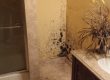
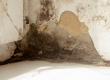
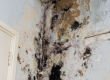
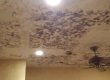
You don’t need to see black spots on the wall to have a mold problem. In fact, by the time mold becomes visible, it’s often a sign of a much larger issue hiding behind walls, in attics, under flooring, or inside ductwork.
St. Petersburg’s climate is a big part of the story. High humidity, frequent afternoon storms, and salt-laden air create ideal conditions for mold growth in:
- Flat-roof commercial buildings with minor leaks
- Older masonry homes with hairline cracks
- Condos with poorly ventilated bathrooms and laundry areas
- Retail spaces and restaurants with heavy HVAC use
We recently worked with a small law office near Mirror Lake. Staff kept getting “mystery” sinus infections. There were no visible water stains or mold patches. Through comprehensive Indoor Air Quality Testing and targeted wall cavity sampling, we discovered elevated spore counts behind one interior wall where a slow plumbing leak had gone unnoticed. A simple pipe repair and localized remediation solved a problem that had been dragging on for months.
“Most serious mold problems start small and invisible—behind drywall, above ceiling tiles, or inside HVAC systems.” — Tampa Bay Mold Testing
CALLOUT: Hidden moisture—not visible mold—is usually the first sign pros look for. That’s why professional mold detection services rely on moisture meters, thermal imaging, and strategic sampling, not just a visual walk-through.
Health, Liability, and Reputation: The Real Cost of Ignoring Mold
Mold isn’t just an aesthetic or maintenance issue. It can quickly become a health and liability concern, especially for businesses and landlords.
Exposure to elevated mold levels has been associated with:
- Worsening asthma and allergies
- Chronic coughing and congestion
- Eye, nose, and throat irritation
- Increased respiratory infections
For high-risk environments—medical offices, daycare centers, senior living communities—untreated mold can have serious consequences. Even in standard office or retail settings, repeated complaints about indoor air can lead to:
- Workers’ compensation claims
- Tenant disputes and lease terminations
- Poor online reviews and reputational damage
We recently assisted a multifamily property near the Skyway Marina District. Tenants on the first floor complained about musty odors after heavy rains. A previous contractor had painted over visible spots, but no one had tested the air. Our Professional Mold Testing identified significantly elevated spore counts in several units, including species associated with water intrusion. Because the property manager had baseline data, they were able to coordinate targeted remediation and demonstrate to tenants—and their insurance carrier—that they were taking the issue seriously.
“Indoor environmental issues become legal issues when there’s no documentation, no testing, and no plan.” — Environmental Health Consultant
For business owners, that documentation matters. Objective data from Air Quality Monitoring and mold sampling helps you:
- Show due diligence in protecting employees and customers
- Make informed decisions about remediation scope and urgency
- Support insurance claims and avoid unnecessary disputes
CALLOUT: Testing isn’t about “failing” or “passing” your building. It’s about understanding your current conditions so you can manage risk, protect health, and safeguard your reputation.
Why Professional Mold Testing Beats DIY and Guesswork
You can buy an over-the-counter test kit at a hardware store in St. Pete, but it won’t give you the level of detail you need to make smart decisions. Professional Mold Testing and Mold Inspection Services follow industry standards (such as guidelines from the AIHA and IICRC) and use accredited laboratories for analysis.
Here’s how a professional approach compares to DIY:
| Aspect | DIY Test Kit | Professional Mold Testing in St. Petersburg |
|---|---|---|
| Sampling Method | Single plate / limited swab | Air, surface, cavity, and bulk sampling |
| Interpretation | Generic “mold present” result | Species ID, spore counts, context |
| Source Identification | Rarely possible | Integrated with full building inspection |
| HVAC Assessment | Not included | Optional HVAC Mold Inspection and duct review |
| Reporting | Basic lab sheet | Detailed report with photos and recommendations |
| Legal / Insurance Use | Limited | Accepted by insurers, attorneys, and adjusters |
A recent example: a homeowner in Historic Kenwood used a store-bought kit and panicked when it showed mold growth. She was ready to gut her bathroom. After a professional assessment, we discovered that the “positive” DIY result came from normal background spores. The true issue was localized moisture under the shower pan—not a house-wide infestation. Our Residential Mold Testing saved her thousands in unnecessary demolition.
CALLOUT: Professional mold testing doesn’t just say “you have mold.” It clarifies what kind, how much, where it’s likely coming from, and what to do next.
Mold Testing as Part of Smart Environmental Management
More St. Petersburg businesses are treating indoor environmental health the same way they treat fire safety or cybersecurity: as an ongoing management responsibility, not a one-time fix.
By integrating Environmental Assessment and Mold Detection Services into your maintenance plan, you:
- Catch moisture issues early (before they become large claims)
- Reduce unexpected downtime and emergency repairs
- Provide healthier, more comfortable spaces for staff and customers
- Strengthen your risk management and compliance posture
For example, a local medical office near Bayfront Health schedules annual Indoor Air Quality Testing as part of their broader environmental management services. During one routine assessment, slightly elevated spore levels were detected in a single exam room. We traced it to a small roof penetration around an HVAC curb. Because the problem was caught early, repairs and minor remediation were completed over a weekend—with no disruption to patient care.
Compare a reactive vs. proactive approach:
| Approach | Reactive (Wait for a Problem) | Proactive (Planned Environmental Management) |
|---|---|---|
| Typical Trigger | Complaints, odors, visible mold | Scheduled inspections and air testing |
| Cost Profile | High, urgent, often unbudgeted | Predictable, lower per-incident cost |
| Business Disruption | Likely (closures, relocations) | Minimal, often after-hours or phased |
| Documentation | Scrambled after the fact | Organized reports over time |
“Building owners who budget for environmental consulting services rarely face the kind of catastrophic mold events that make headlines.” — Property Risk Manager
CALLOUT: Treat mold testing as part of your overall environmental management strategy, especially if you operate medical, childcare, hospitality, or multifamily properties in the Tampa Bay area.
Seasonal and Weather-Related Risks in Tampa Bay
St. Petersburg’s beauty comes with a tradeoff: heat, humidity, and storm exposure. These environmental conditions make timely Home Mold Detection and Commercial Mold Testing especially important.
Key local risk factors include:
- Hurricane season (June–November): Even if your building doesn’t flood, wind-driven rain can penetrate around windows, doors, vents, and roof penetrations.
- Afternoon thunderstorms: Frequent short bursts of rain saturate building envelopes and can overwhelm drainage systems.
- Persistent humidity: When indoor relative humidity stays above ~60%, mold growth becomes much more likely, especially in poorly ventilated spaces.
After Tropical Storm Eta, we were called to a waterfront condo building near Snell Isle. No unit reported standing water, but several residents noticed a “damp” smell weeks later. Our Toxic Mold Testing and moisture mapping identified multiple wall cavities with elevated moisture and mold growth—mostly around window assemblies exposed to driving rain. Because the association had prompt testing data, they were able to coordinate repairs with their insurance carrier and avoid more extensive damage.
CALLOUT: St. Petersburg’s climate doesn’t give buildings much “drying time.” Proactive testing is your best defense against seasonal and storm-related mold issues.
How Professional Mold Testing Works (And What to Expect)
Understanding the process can help you schedule testing with confidence and minimal disruption to your home or business.
A typical professional mold inspection and testing project includes:
1. Initial Consultation and History
You’ll discuss any past leaks, renovations, health complaints, or odors. This helps target the inspection and sampling strategy.
2. Comprehensive Visual Inspection
A trained inspector examines interior and exterior areas, looking for staining, water damage, condensation, and ventilation issues. Tools like moisture meters and thermal imaging cameras help identify hidden problems.
3. Targeted Sampling
Depending on your situation, this may include:
- Indoor and outdoor air samples for comparison
- Surface samples of visible growth
- Cavity sampling (e.g., small holes in drywall) where hidden mold is suspected
- Optional HVAC Mold Inspection for ductwork and air handlers
4. Laboratory Analysis
Samples are sent to an accredited lab for identification and quantification of mold spores.
5. Clear, Actionable Reporting
You receive a written report explaining:
- What was found (species and levels)
- Where it was found
- Likely moisture sources
- Recommended next steps (remediation, repairs, or monitoring)
Recently, a small restaurant off 4th Street North called us after a health inspector questioned visible staining near an AC vent. Our Professional Mold Testing confirmed localized mold growth tied to condensate issues. With a clear report in hand, the owner coordinated duct cleaning and minor remediation, documented the fix, and avoided any interruption to operations.
CALLOUT: A good mold testing provider is independent and unbiased—focused on accurate assessment, not selling remediation work.
What This Means for Businesses in St. Petersburg, FL
For businesses in St. Petersburg, mold testing isn’t just a maintenance task—it’s a strategic investment in continuity, reputation, and risk management.
Local commercial properties face a perfect storm of risk factors:
- Aging building stock in areas like Downtown and the Warehouse Arts District
- High tenant turnover in multifamily and mixed-use properties
- Heavy reliance on air conditioning systems almost year-round
- Increased expectations from employees and customers around health and safety
By incorporating regular Air Quality Monitoring and periodic Commercial Mold Testing, you:
- Reduce the likelihood of sudden closures due to indoor air complaints
- Provide tangible evidence of your commitment to a healthy environment
- Improve tenant retention and customer satisfaction
- Strengthen your position in negotiations with insurers and regulators
A co-working space near Tropicana Field is a good example. After a few member complaints about musty odors in one corner of the building, management could have brushed it off as “Florida humidity.” Instead, they scheduled professional testing. The results showed isolated mold growth tied to a minor roof leak. Quick remediation and follow-up testing allowed them to reassure members, document the fix, and market their focus on wellness and indoor air quality.
For St. Petersburg businesses, the question isn’t whether mold and moisture will ever be an issue. It’s whether you’ll catch and manage those issues early—with data and a plan—or wait until they become disruptive, expensive, and public.
Frequently Asked Questions
Q: How do I know if my St. Petersburg business really needs mold testing?
A: You should strongly consider Mold Inspection Services if you notice musty odors, have had any recent leaks or water damage, see discoloration on walls or ceilings, or receive repeated complaints about headaches, allergies, or breathing issues from staff or tenants. Properties near the waterfront or in older buildings are at higher risk due to persistent humidity and aging infrastructure. Even if you don’t have obvious signs, baseline Indoor Air Quality Testing can be valuable for medical offices, childcare facilities, and multifamily properties to document conditions and support long-term risk management.
Q: What’s the difference between mold inspection and mold testing? Do I need both?
A: A Mold Inspection is a detailed visual and instrumental assessment of your property to identify signs of moisture, water intrusion, and possible mold growth. Mold Testing involves collecting air or surface samples and having them analyzed by a lab to identify mold types and levels. In many cases, both are recommended: the inspection helps locate problem areas, while testing provides objective, laboratory-backed data. For some obvious, localized issues, an inspector may recommend limited testing; for more complex or disputed situations, full sampling is usually advised.
Q: Are all molds dangerous, or only “black mold”?
A: Not all molds are equally problematic, and the term “black mold” is often misunderstood. While certain species can produce mycotoxins under specific conditions, any significant mold growth indoors can be a concern, especially for sensitive individuals. Professional Toxic Mold Testing and Black Mold Inspection help identify what species are present and at what levels. The focus isn’t just on color; it’s on the extent of growth, the moisture source, the affected materials, and the health of occupants. A qualified inspector can interpret lab results in the context of your building and provide appropriate recommendations.
Q: How long does mold testing take, and will it disrupt my operations?
A: Most Professional Mold Testing projects in St. Petersburg can be completed in a few hours on-site, depending on property size and complexity. Inspectors work around your schedule to minimize disruption—sampling can often be done before opening, after hours, or during slower periods. Laboratory analysis typically takes 24–72 hours, after which you’ll receive a written report. For businesses, testing can usually be done without closing your doors, and many clients appreciate having objective data to share with staff, tenants, or customers if questions arise.
Q: What does mold testing cost in the St. Petersburg area?
A: Costs vary based on property size, number of samples needed, and whether specialized assessments like Air Quality Monitoring or HVAC Mold Inspection are included. For a typical residential property, testing often ranges from a few hundred dollars and up. Commercial projects can be higher, especially for large or multi-tenant buildings. Compared to the cost of extensive remediation, business interruption, or legal issues, testing is a relatively small investment. During your initial call, you’ll receive a clear estimate based on your specific building and concerns.
Q: Can I just clean visible mold myself without testing?
A: Small, isolated spots of surface mold on non-porous materials can sometimes be cleaned by maintenance staff following proper safety practices. However, visible growth often indicates a deeper moisture issue. Without a professional Mold Inspection, you may miss hidden growth behind walls or in HVAC systems. Testing helps determine the extent of contamination and whether specialized remediation is needed. For businesses, multifamily properties, or any situation involving repeated growth, occupant health complaints, or past water damage, professional assessment is strongly recommended to protect both health and liability.
Q: How often should I schedule mold testing or indoor air quality checks?
A: Frequency depends on your property type, history, and risk profile. For higher-risk environments—medical facilities, senior living, childcare centers—annual Indoor Air Quality Testing and periodic Mold Testing are common. For standard offices or retail spaces, testing is often triggered by events: water intrusion, renovations, changes in occupancy, or complaints. Many St. Petersburg property managers include environmental assessments as part of their regular maintenance and risk management plan, especially after major storms or roofing projects.
Ready to Get Started?
Mold issues don’t wait for a convenient time. In St. Petersburg’s humid, storm-prone climate, small moisture problems can turn into significant mold growth in a matter of weeks. By scheduling professional testing now, you gain clarity: Is there a problem? How serious is it? What should you do next—and what can safely wait?
If you’ve had recent leaks, noticed musty odors, or simply want peace of mind about your indoor environment, this is the right moment to act. Tampa Bay Mold Testing provides unbiased Mold Inspection, detailed Mold Testing, and comprehensive Indoor Air Quality Testing tailored to homes and businesses across St. Petersburg and the greater Tampa Bay area.
You’ll get clear findings, practical recommendations, and documentation you can rely on—whether you’re planning maintenance, coordinating with contractors, or working with insurance. Protect your property, the people who use it, and your reputation by taking this proactive step today.
About Tampa Bay Mold Testing
Tampa Bay Mold Testing is a locally focused inspection and testing firm serving St. Petersburg and the greater Tampa Bay region. Our team specializes in detailed mold inspections, indoor air quality assessments, and building diagnostics for residential, commercial, and institutional clients. We follow industry best practices and use accredited laboratories to deliver accurate, unbiased results. From historic homes to modern medical offices, we help property owners understand their indoor environment and make informed, confident decisions.