What to Expect During a Mold Inspection
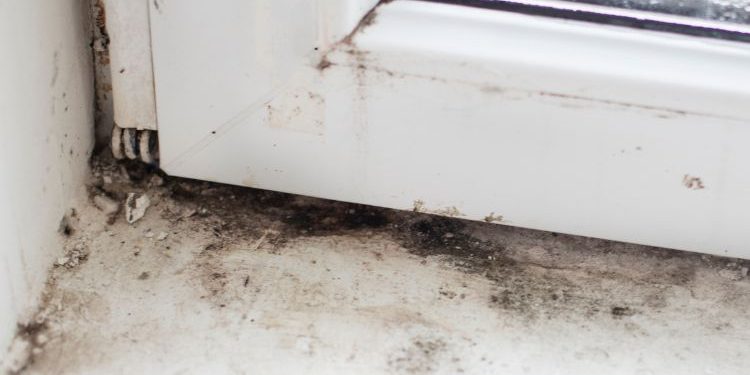
On a humid August afternoon in St. Petersburg, a small water stain behind a breakroom fridge turned into a five-figure mold remediation project for a local office. The staff had been complaining about headaches and “stale air” for months, but no one thought much of it—until the musty odor spread and dark spotting appeared on the baseboards.
In a climate where the average humidity hovers around 74% and afternoon storms are routine, mold isn’t rare—it’s expected. For businesses and property owners across Tampa Bay, understanding what actually happens during a mold inspection can be the difference between a quick fix and a disruptive, costly shutdown.
You might be wondering: Will inspectors tear into walls? How long will it take? Will it interrupt operations? And what do the results really tell you?
This guide walks you step-by-step through a professional mold inspection—from the first phone call to receiving your report—so you know exactly what to expect, how to prepare, and how to protect your building and the people in it.
Key Insight: A thorough, science-based mold inspection gives you a clear picture of what’s happening in your building’s air and structure, so you can make smart, confident decisions instead of guessing or overpaying for unnecessary work.
Step One: Initial Consultation and Site History
Every quality mold inspection starts long before anyone pulls out a moisture meter. It begins with a conversation.
During your first call, a professional will ask targeted questions to understand your building, your concerns, and your goals. For businesses in St. Petersburg, that often includes:
- Age and construction type of the building
- Recent water events (roof leaks, plumbing issues, flooding, HVAC problems)
- Employee or tenant complaints (musty smells, allergy-like symptoms, visible spots)
- Any prior Mold Testing or remediation work
This “story” of the building guides the rest of the inspection. For example, a historic brick building near Central Avenue with a flat roof and older HVAC system will have very different risk points than a newer concrete office near Gateway.
“The building will usually tell you what’s wrong—if you know which questions to ask.” — Senior Environmental Consultant
A good inspector will also explain the difference between a visual mold inspection, Indoor Air Quality Testing, and surface or bulk sampling. You’ll discuss:
- What you’re noticing (odors, visible growth, health concerns)
- Which areas need priority (server rooms, medical suites, common areas)
- Whether you need documentation for insurance, tenants, or regulatory purposes
CALLOUT: The more detail you share in the beginning, the more targeted and cost-effective the inspection can be.
In St. Pete, we often see businesses call after a roof leak from a summer storm. One downtown law firm shared photos of a ceiling stain that “kept coming back” even after painting. That simple detail helped the inspector pinpoint a hidden, ongoing moisture source in the roof assembly—something a quick visual walk-through alone might have missed.
What Happens During the On-Site Visual Inspection
Once on site, the inspector starts with a comprehensive visual assessment. This isn’t just “looking for black spots.” It’s a structured, methodical review of the entire building, guided by building science and industry standards such as IICRC S520 and EPA best practices.
What the Inspector Looks For
You can expect the inspector to:
- Walk the exterior of the building to check drainage, grading, and roof conditions
- Inspect interior walls, ceilings, windows, and flooring for staining, bubbling paint, or warping
- Look for signs of condensation on windows, vents, or supply lines
- Open accessible HVAC closets and plenum spaces for signs of moisture or microbial growth
- Note odors—mustiness is often one of the first signs
For many St. Petersburg properties, the most common red flags include:
- Window leaks from wind-driven rain
- Roof penetrations around HVAC units
- Poorly insulated or sweating ductwork leading to HVAC Mold Inspection concerns
- High humidity trapped in interior spaces with limited ventilation
“Musty odor without visible growth is often the early warning sign that your building’s air and moisture balance is off.”
Non-Invasive Tools You’ll See
A professional inspector uses tools that allow them to see beyond what the eye can catch:
- Moisture meters to detect damp drywall, baseboards, or subflooring
- Infrared cameras to spot temperature differences that may indicate hidden moisture
- Hygrometers to measure humidity and temperature in different zones
CALLOUT: A thorough visual inspection sets the foundation. If this step is rushed or skipped, even the best lab tests may miss key issues.
In one St. Pete medical office, the visual inspection revealed subtle bubbling in the paint along a single exam room wall. Moisture readings confirmed an active leak from a neighboring suite’s sink. Catching it at this stage allowed for targeted repairs and limited demolition instead of a full-scale wall replacement.
Air and Surface Sampling: How Mold Testing Actually Works
Once the visual assessment is complete, your inspector will determine whether Indoor Air Quality Testing and surface sampling are appropriate. Not every situation needs lab work, but when it does, testing provides objective data to guide decisions.
Types of Mold Testing You May Encounter
Common methods include:
- Air Sampling – Collects airborne spores to evaluate what you’re breathing
- Surface Sampling – Swabs or tape lifts from visible growth or suspect areas
- Bulk Sampling – Small pieces of building materials (used more selectively)
These samples are sent to an accredited lab, where analysts identify mold types and quantify spore levels.
In coastal cities like St. Petersburg, where outdoor mold counts can be naturally high, comparing indoor and outdoor samples is essential. The goal isn’t a “mold-free” building—that’s impossible—but an indoor environment that’s in line with, or better than, outdoor conditions.
“Mold spores are everywhere; the problem is when indoor conditions allow them to thrive and concentrate.”
Traditional vs. Modern Mold Testing Approaches
Here’s how older, minimal approaches compare with current best practices used by professional Professional Mold Testing firms:
| Aspect | Traditional Approach | Modern, Best-Practice Approach |
|---|---|---|
| Air Sampling Strategy | One or two samples in main area | Multiple strategic locations + outdoor baseline |
| Equipment | Basic pumps and cassettes | Calibrated pumps, data logging, and quality control |
| Data Interpretation | Simple “elevated/normal” labels | Detailed comparison by species, location, and source |
| Documentation | Short, generic lab report | Full narrative report with photos and recommendations |
| Integration with Inspection | Testing done in isolation | Testing integrated with visual and moisture findings |
In a mid-rise condo complex near the waterfront, air sampling in just one unit suggested elevated mold. But a modern approach added hallway and outdoor baseline samples. The analysis showed the hallway had even higher levels, pointing to a common-duct HVAC issue rather than a single “problem unit.” That changed the remediation scope—and the association’s budget—dramatically.
Interpreting Results: From Lab Data to Clear Answers
Once the lab completes its analysis, your inspector will compile the findings into a comprehensive report. This is where a good inspection truly pays off—turning technical data into clear, actionable information.
What You’ll See in a Quality Mold Report
A complete report from a professional Mold Inspection company typically includes:
- Executive summary in plain language
- Description of areas inspected and methods used
- Moisture readings and humidity levels
- Photographs of key findings
- Lab results with spore counts and mold types
- Interpretation of what those results mean for health and building integrity
- Recommendations for next steps
“Data alone doesn’t solve problems; interpretation and context do.”
You might see terms like:
- Stachybotrys – Often associated with chronic moisture, sometimes referred to as “black mold”
- Penicillium/Aspergillus – Common indoor molds that can indicate water damage
- Chaetomium – Frequently found on wet drywall or paper-based materials
For a downtown St. Petersburg creative agency, lab results showed elevated Penicillium/Aspergillus in the conference room and storage closet—but not in open work areas. Combined with moisture readings, the report traced the issue to a slow leak in a supply line above the ceiling. The solution was targeted: repair the line, remove affected drywall, and clean the impacted zones. No need to close the entire office.
Cost and Impact Comparison for Local Businesses
Understanding the potential cost and disruption can help you plan:
| Scenario | Typical Local Impact (St. Pete) | Benefit of Thorough Inspection |
|---|---|---|
| Minor localized leak, caught early | Limited wall/ceiling repair, 1–3 days work | Confines scope, avoids over-removal |
| Hidden long-term leak in common area | Larger remediation, 1–2 weeks, partial area closure | Identifies true extent, prevents recurring issues |
| Widespread HVAC contamination in office | Extensive cleaning, possible off-hours or phased work | Allows phased plan to reduce downtime |
CALLOUT: A precise report lets you avoid both under-reacting (missing hidden damage) and over-reacting (removing materials unnecessarily).
Special Considerations: Black Mold, HVAC Systems, and High-Risk Areas
Not all mold situations are equal. Some demand faster or more specialized attention, especially in commercial or multi-tenant environments.
“Black Mold” and Toxic Mold Testing
The term “black mold” is often used loosely, but it usually refers to Stachybotrys chartarum. While color alone isn’t a reliable identifier, professional Toxic Mold Testing can confirm whether this or other potentially problematic species are present.
“Any mold problem is a moisture problem first. Address the water, and you control the mold.”
In a St. Pete daycare center, a dark patch behind a cubby area raised alarm about “toxic black mold.” Surface sampling and air testing showed low-level Cladosporium (a common mold) and no significant spread. The recommended course was still prompt removal, but the data prevented an unnecessary full-building shutdown.
HVAC Mold Inspection and Air Distribution
Your HVAC system can either help control moisture or spread mold spores throughout a building. A detailed HVAC Mold Inspection may include:
- Visual inspection of supply and return plenums
- Checking for condensation on coils and ductwork
- Assessing filtration and maintenance practices
- Strategic Air Quality Monitoring in supply zones
In one St. Petersburg call center, employees on one side of the floor reported more stuffiness and headaches than the other. Testing showed elevated spores only in zones served by a particular air handler. Inspection revealed a clogged condensate drain and microbial growth on the insulation inside the unit.
CALLOUT: High-risk areas—like restrooms, mechanical rooms, and kitchens—deserve special attention during any inspection, especially in older Tampa Bay buildings with original plumbing.
Preparing Your Business for a Smooth Mold Inspection
A little preparation can make your inspection more efficient, accurate, and less disruptive to daily operations.
How to Get Ready
Before your scheduled appointment:
- Clear access to suspected problem areas (under sinks, around HVAC closets, behind stored items)
- Inform staff or tenants about the visit to reduce surprises
- Identify any rooms where occupants have reported issues
- Note any past water events with approximate dates
For a small St. Pete dental practice, simply moving storage bins away from a back wall revealed hidden staining that had gone unnoticed for months. Because the inspector could immediately access that area, testing and recommendations were made on the spot—no second visit needed.
What to Expect During the Visit
Most commercial inspections take a few hours, depending on size and complexity. During that time, you may notice:
- Inspectors using ladders to check ceiling tiles and roof access points
- Brief, localized noise from opening access panels or moving light furniture
- Air pumps running quietly for several minutes in specific rooms
You will not typically see:
- Widespread demolition
- “Instant” results or diagnoses without supporting data
- Pressure to hire the same company for remediation (ethical firms keep testing and remediation separate)
“Independent testing gives you unbiased information so you can choose the right remediation partner.”
CALLOUT: Ask your inspector when you can expect your written report—most professional Mold Detection Services deliver within a few business days, faster if there’s an urgent concern.
From Inspection to Action: Using Results to Protect Your Building
The real value of a mold inspection lies in what you do next. A clear report becomes the foundation for smart, prioritized decisions that protect your property, people, and budget.
Turning Findings into a Plan
After reviewing your report, your next steps may include:
- Engaging a remediation contractor to address identified areas
- Repairing leaks, improving drainage, or upgrading HVAC components
- Adjusting cleaning protocols or humidity control strategies
- Scheduling follow-up Air Quality Monitoring to verify improvements
For a waterfront restaurant in St. Petersburg, the inspection report prioritized three zones:
1. Active leak at a bar sink – immediate repair and localized removal
2. Elevated humidity in a back storage room – dehumidification and better ventilation
3. Mild elevation in dining area air samples – recheck after addressing first two issues
By following this phased plan, the restaurant stayed open, avoided over-remediating, and confirmed improvements with post-remediation Residential Mold Testing and commercial sampling.
What This Means for Businesses in St. Petersburg, FL
St. Petersburg’s combination of coastal humidity, frequent storms, and a mix of historic and modern buildings creates a perfect environment for hidden moisture issues. For local businesses, landlords, and property managers, mold isn’t just a maintenance issue—it’s a risk factor for:
- Staff and tenant health complaints
- Operational disruptions from emergency remediation
- Property value impacts and liability concerns
A professional mold inspection gives you:
- An objective snapshot of your building’s health
- Documentation that demonstrates due diligence to tenants, employees, and insurers
- A roadmap to address issues proactively instead of reacting to crises
In neighborhoods from downtown and the EDGE District to Kenwood and the Skyway area, we see the same pattern: those who invest in periodic Environmental Consulting Services and inspections catch problems earlier, spend less on repairs long-term, and have fewer complaints.
“In a climate like ours, moisture management isn’t optional; it’s part of responsible property management.”
Whether you manage a single storefront or a portfolio of multi-tenant offices, understanding what to expect during a mold inspection helps you budget, plan, and respond with confidence when concerns arise.
Frequently Asked Questions
Q: How long does a professional mold inspection usually take for a commercial property in St. Petersburg?
A: For a typical small-to-medium commercial space—like a medical office, restaurant, or two-story professional building—you can expect a thorough Mold Inspection to take 2–4 hours on site. Larger facilities, multi-tenant buildings, or properties with complex HVAC systems may take longer. The inspector needs enough time for a full visual assessment, moisture readings, potential Indoor Air Quality Testing, and documentation. The written report with lab results often follows within 2–5 business days, depending on how many samples are taken and lab processing times. If there’s an urgent concern—like suspected widespread contamination—expedited lab analysis is sometimes available.
Q: Will mold testing disrupt my business operations or require us to close?
A: In most cases, no. Professional Mold Testing and inspection can be performed while your business is open, with minimal disruption. Inspectors may need brief access to offices, storage rooms, or mechanical spaces, and air sampling pumps run quietly for several minutes per location. If a serious issue is discovered—such as extensive visible growth in occupied areas—your inspector will discuss safety considerations and options. Many St. Petersburg businesses choose to schedule work in off-hours or in phases to keep operations running while addressing any problems identified by the inspection.
Q: Do I really need air samples, or is a visual inspection enough?
A: It depends on your situation. A visual inspection combined with moisture readings is the foundation of any good assessment. However, Air Quality Monitoring is recommended when: occupants report health symptoms, there’s a musty odor without visible growth, you suspect hidden moisture (behind walls, under flooring), or you need documentation for insurance or legal reasons. Air and surface samples provide objective, lab-verified data that can confirm or rule out concerns, and they’re especially helpful in multi-tenant buildings or workplaces where you must demonstrate that conditions are being evaluated professionally.
Q: How accurate are home test kits compared to professional mold detection services?
A: Over-the-counter kits can indicate that mold is present on a specific surface, but they rarely tell the full story. They don’t compare indoor and outdoor levels, don’t measure airborne spores effectively, and don’t integrate with a full building assessment. Professional Mold Detection Services use calibrated equipment, accredited laboratories, and building science expertise to interpret results. In St. Petersburg’s humid climate, where outdoor mold levels can be naturally high, context is crucial. Without it, DIY results can be misleading—either causing unnecessary panic or missing a serious issue entirely.
Q: What if the inspection finds “black mold”? Does that mean my building is unsafe?
A: Not automatically. “Black mold” is a broad, non-technical term. Some dark molds, like Stachybotrys, are associated with chronic moisture and can be a concern, but color alone doesn’t determine risk. If your inspection or Black Mold Detection identifies potentially problematic species, your inspector will explain the extent, location, and context. A small, contained area behind baseboard in a storage room is very different from widespread contamination in occupied offices. The key is to address moisture sources and follow evidence-based remediation guidelines. A professional report helps you make measured, appropriate decisions rather than reacting to fear-driven headlines.
Q: How often should I schedule mold or indoor air quality testing for my building?
A: For most commercial properties in St. Petersburg, a baseline Indoor Air Quality Testing or mold inspection every few years is a smart preventive measure—especially for older buildings or those with prior water issues. More frequent assessments may be warranted if you’ve had recent leaks, roof replacements, flooding, or repeated occupant complaints. Healthcare facilities, schools, and other sensitive environments may benefit from periodic Environmental Management Services that include ongoing monitoring. Your inspector can recommend an interval based on your building’s age, use, and history.
Q: Are mold inspection and remediation supposed to be done by the same company?
A: Many experts and industry guidelines recommend separating testing from remediation to avoid conflicts of interest. Independent Mold Detection Companies focus on unbiased assessment and documentation, while remediation contractors focus on cleanup and repairs. This separation helps ensure that your inspection report reflects the true conditions in your building—not the scope of work someone wants to sell. In practice, especially in a market like St. Petersburg, working with an independent inspector gives you more confidence when comparing remediation bids and verifying that the work was done correctly.
Ready to Get Started?
St. Petersburg’s climate isn’t going to get any drier, and buildings rarely fix themselves. If you’ve noticed musty odors, recurring stains, or increased complaints from staff or tenants—or if you simply want a clear picture of your building’s health—now is the time to act.
Seasonal storms, king tides, and day-after-day humidity can turn a minor leak into a major mold issue surprisingly fast. A professional inspection and targeted Home Mold Detection or Commercial Mold Testing give you clarity: where moisture is coming from, whether mold is present at concerning levels, and what to do next.
Your next steps are straightforward:
- Schedule a consultation to discuss your building and concerns
- Plan an on-site inspection at a time that minimizes disruption
- Review your detailed report and use it to guide any remediation or repairs
With years of experience in the Tampa Bay area, certified inspectors, and a focus on clear, unbiased reporting, Tampa Bay Mold Testing is equipped to help you protect your property and the people who rely on it every day.
About Tampa Bay Mold Testing
Tampa Bay Mold Testing provides independent mold inspection, Indoor Air Quality Testing, and Environmental Consulting Services for homes and businesses throughout St. Petersburg and the greater Tampa Bay region. Our team combines industry certifications, local building knowledge, and science-based methods to deliver clear, practical answers—not scare tactics. Whether you manage a single property or an entire portfolio, we help you understand your building’s condition and make confident, informed decisions.