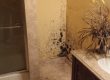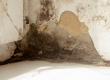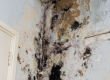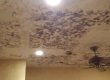

Most people only think about mold when they see fuzzy spots on a wall or smell something musty in the air. By the time that happens, the real problem has usually been building for months, sometimes years. Mold analysis is about uncovering what you cannot see, smell, or easily identify. It is the process of discovering hidden dangers inside walls, beneath flooring, in HVAC systems, and even in the air you breathe every day. For Tampa Bay homeowners and businesses, where humidity is high and storms are frequent, understanding what mold analysis really reveals is not just helpful—it is essential.
What makes mold analysis so critical right now is the combination of modern construction practices and Tampa Bay’s climate. Tighter buildings with less natural ventilation trap moisture more easily, and that trapped moisture becomes a quiet fuel source for mold growth. Many properties look perfectly fine on the surface while harboring colonies of mold behind paint, under carpets, or inside ductwork. Without proper analysis, these hidden growths continue to spread, release spores, and impact indoor air quality long before visible damage appears.
There is also a growing awareness that mold is not simply a cosmetic or minor maintenance issue. Certain types and quantities of mold can contribute to respiratory problems, aggravate allergies, and impact those with asthma or weakened immune systems. Mold analysis, when done thoroughly and professionally, helps answer the questions that matter most: Is mold present? How much is there? What types are we dealing with? Where is the moisture coming from? Companies like Tampa Bay Mold Testing focus on these deeper questions, going beyond a quick visual check to reveal the full picture of what is happening inside a building.
Why Mold Hides So Easily
Mold thrives wherever moisture, organic material, and the right temperature come together. In a region like Tampa Bay, humidity levels are often ideal for mold growth, even when there is no obvious water leak. Condensation on windows, minor roof seepage after a storm, or poorly vented bathrooms can all create pockets of dampness that go unnoticed. These small, persistent moisture sources become mold incubators in spaces you rarely inspect, such as behind baseboards, under insulation, or inside wall cavities.
Another reason mold is so sneaky is that it does not need much to get started. A slow drip under a sink, a small area of damp drywall, or even a previous water event that was never fully dried can be enough. Over time, spores land on these damp surfaces and begin to colonize. The visible mold that people usually notice—dark spots on walls, discoloration on ceilings—is often just the tip of a much larger issue. Mold analysis is designed to look beyond what the eye can see, using tools and sampling methods to trace growth back to its source.
Modern building materials can also mask mold problems. For example, vinyl wallpaper can trap moisture against drywall, allowing mold to grow behind the surface with no visible warning. Similarly, laminate flooring may hide moisture in the subfloor, especially after flooding or plumbing issues. In Tampa Bay’s frequent heavy rains and storm surges, moisture intrusion can occur through tiny cracks or weak points in the building envelope. Without thorough mold analysis, these hidden areas can continue to deteriorate quietly, potentially compromising both the structure and the health of occupants.
What Mold Analysis Really Involves
Many people think mold analysis is just about taking an air sample and sending it to a lab. In reality, a thorough assessment is a multi-step process that combines inspection, measurement, and scientific testing. A professional service such as Tampa Bay Mold Testing typically begins with a detailed walkthrough of the property. During this stage, the inspector looks for signs of water damage, stains, warping, or past leaks, while also asking questions about any health symptoms, musty odors, or recent events like roof damage or flooding.
Next comes the use of specialized tools that help reveal what the eye cannot see. Moisture meters identify damp areas inside walls, floors, and ceilings without having to open them up. Infrared cameras can detect temperature differences that hint at hidden moisture or leaks. These tools guide the inspector to the most suspicious areas, allowing for more targeted sampling. This is where mold analysis becomes more than a guess—it becomes evidence-based and systematic.
Sampling methods can include air samples, surface swabs, tape lifts, bulk material collection, or a combination of these. Air samples help determine the concentration and types of spores present in the indoor environment compared to outdoor levels. Surface samples reveal what specific molds are growing on particular materials. Once collected, these samples are sent to a laboratory for microscopic examination and sometimes culture-based analysis. The lab results, interpreted by a knowledgeable professional, provide a clear picture of whether mold levels are normal for the area or elevated enough to warrant concern and remediation.
Health Impacts You May Not Expect
Not everyone reacts to mold in the same way, which is one reason mold problems are often underestimated. Some people can live in a mold-affected environment and feel only mild irritation, while others experience significant symptoms. Common complaints include persistent coughing, sneezing, nasal congestion, and itchy or watery eyes. For individuals with asthma, COPD, or other respiratory conditions, mold exposure can trigger more frequent or severe attacks, making daily life more difficult and sometimes dangerous.
In Tampa Bay, where many residents are older adults or retirees, the health stakes can be even higher. People with compromised immune systems, chronic illnesses, or past respiratory infections are more vulnerable to the effects of prolonged mold exposure. Children, too, may be more sensitive, with ongoing exposure potentially contributing to respiratory issues or worsening allergies. When these symptoms persist without a clear cause, mold analysis becomes a valuable tool for ruling in or ruling out environmental factors inside the home or workplace.
It is also important to understand that the health impact is not just about how much mold is present, but what types are found and where they are located. Some molds are more strongly associated with allergic reactions, while others may produce mycotoxins under certain conditions. A professional analysis from a company such as Tampa Bay Mold Testing identifies the specific species present, which helps physicians and property owners make more informed decisions about next steps. Without this level of detail, people may continue to treat symptoms without addressing the underlying environmental trigger.
From Lab Results to Action Plan
Lab reports can look intimidating at first glance, filled with Latin names and spore counts. The true value of mold analysis comes from having those results translated into practical, understandable information. A well-conducted assessment does not just list molds; it explains what the findings mean for your property and your health. For example, if indoor spore counts are significantly higher than outdoor levels, or if certain moisture-loving species are found in large numbers, that is a strong indicator of an active mold source inside the building.
Once the results are interpreted, the next step is creating an action plan. This usually includes two key components: addressing the moisture source and removing or remediating the mold. If moisture continues unchecked, even the best cleanup efforts will only offer temporary relief. The analysis might pinpoint a leaky pipe, a roof penetration, poor ventilation in a bathroom, or condensation in HVAC systems as the root cause. Correcting these issues is essential to prevent recurrence.
For remediation, the plan will outline which areas require professional cleaning, removal of contaminated materials, or containment. In some cases, small, isolated mold problems can be safely managed by the property owner following specific safety guidelines. In other situations—such as extensive contamination, involvement of HVAC systems, or presence of certain mold types—professional remediation is strongly recommended. Tampa Bay Mold Testing and similar specialists often work alongside remediation contractors, providing post-remediation testing to verify that the cleanup was effective and that spore levels have returned to normal.
Why Tampa Bay Properties Are High-Risk
The Tampa Bay area presents a perfect storm of conditions that encourage mold growth. High humidity, frequent rain, tropical storms, and hurricane activity all contribute to recurring moisture challenges. Even if a property avoids major flooding, wind-driven rain can force water into small openings around windows, roofs, and siding. Over time, this moisture can accumulate in building materials, setting the stage for hidden mold growth that continues long after a storm has passed.
Many local homes and businesses also rely heavily on air conditioning to stay comfortable, which can create its own set of issues. If HVAC systems are not properly sized, maintained, or drained, they can promote condensation within ducts and air handlers. This moisture, combined with dust and organic debris in ductwork, can become a breeding ground for mold. Without regular inspections and, when necessary, mold analysis, occupants may unknowingly circulate mold spores throughout the building every time the system runs.
Coastal properties and older buildings in Tampa Bay can be at even greater risk. Salt air, aging roofing, and outdated construction practices can all contribute to minor but persistent water intrusion. Additionally, some older structures may have had past water events that were never properly documented or remediated. A thorough mold analysis provides a way to uncover this hidden history, revealing whether past moisture problems are still affecting the building today, even if the visible damage was repaired years ago.
Prevention, Monitoring, and Peace of Mind
While mold analysis is critical when a problem is suspected, it can also be a proactive tool. Property owners who have experienced past leaks, storm damage, or renovations may choose to have periodic assessments to ensure that no hidden mold growth has developed. This is especially valuable for rental properties, commercial buildings, and homes with vulnerable occupants. Regular monitoring helps catch issues early, when remediation is typically easier, less invasive, and less expensive.
Prevention strategies in Tampa Bay focus heavily on moisture control and ventilation. Simple steps like using exhaust fans in bathrooms and kitchens, maintaining gutters and downspouts, sealing exterior penetrations, and promptly addressing leaks can significantly reduce the risk of mold growth. However, even with good maintenance habits, unexpected events like storms, plumbing failures, or AC malfunctions can occur. When they do, having a trusted resource for professional mold analysis, such as Tampa Bay Mold Testing, can make the difference between a quick fix and a long, drawn-out problem.
Ultimately, mold analysis offers something that is difficult to put a price on: peace of mind. Whether the results show normal mold levels or identify specific areas that need attention, you gain clarity about what is happening inside your walls and in the air you breathe. Instead of guessing or relying on surface appearances, you have data, expert interpretation, and a clear path forward. For Tampa Bay homeowners and businesses, that clarity is key to maintaining healthy, safe, and resilient spaces. To learn more about professional mold testing options, visit null.
Frequently Asked Questions
How do I know if I need mold analysis? You should consider mold analysis if you notice persistent musty odors, unexplained respiratory or allergy symptoms, visible water damage, or if your property has experienced leaks, flooding, or storm damage. Even if you do not see visible mold, hidden growth can still be present behind walls, under flooring, or in ductwork. In the Tampa Bay area, where humidity and storms are common, mold analysis is also recommended after any significant water intrusion event, as a way to ensure that drying and repairs were truly effective.
Is mold testing necessary if I can already see mold? Visible mold indicates a moisture problem that needs to be addressed, but testing can still be very useful. Mold analysis helps determine how far the problem has spread, what types of mold are present, and whether airborne spore levels are elevated in other parts of the building. This information guides the remediation process and helps prioritize which areas require containment or professional cleanup. Companies like Tampa Bay Mold Testing also provide post-remediation testing to confirm that cleaning efforts successfully reduced mold levels to normal.
Are all molds dangerous to my health? Not all molds pose the same level of risk, and many types are present in low levels outdoors as part of the natural environment. The concern arises when certain molds grow indoors in large quantities or in sensitive locations, such as HVAC systems or bedrooms. Some individuals are more sensitive than others, especially those with allergies, asthma, or compromised immune systems. Mold analysis identifies specific species and their concentrations, allowing a more accurate assessment of potential health risks rather than relying on assumptions or fear.
How long does professional mold analysis take? The on-site inspection and sample collection typically take a few hours, depending on the size and complexity of the property. After samples are collected, they are sent to a laboratory for analysis, which usually requires several business days. Once lab results are returned, a detailed report is prepared, explaining the findings and recommended actions. In many cases, from initial inspection to final report, the entire process can be completed within a week, giving Tampa Bay property owners timely information to make decisions about remediation and repairs.
Can I rely on DIY mold test kits instead of professional analysis? Over-the-counter test kits can sometimes indicate that mold is present, but they rarely provide the full context needed to make informed decisions. They often do not distinguish between normal background mold and problematic levels, nor do they identify moisture sources or hidden growth areas. Professional mold analysis from a service such as Tampa Bay Mold Testing combines visual inspection, moisture detection, targeted sampling, and expert interpretation. This integrated approach offers a far more accurate and actionable understanding of your property’s mold situation than a simple DIY test can provide.